
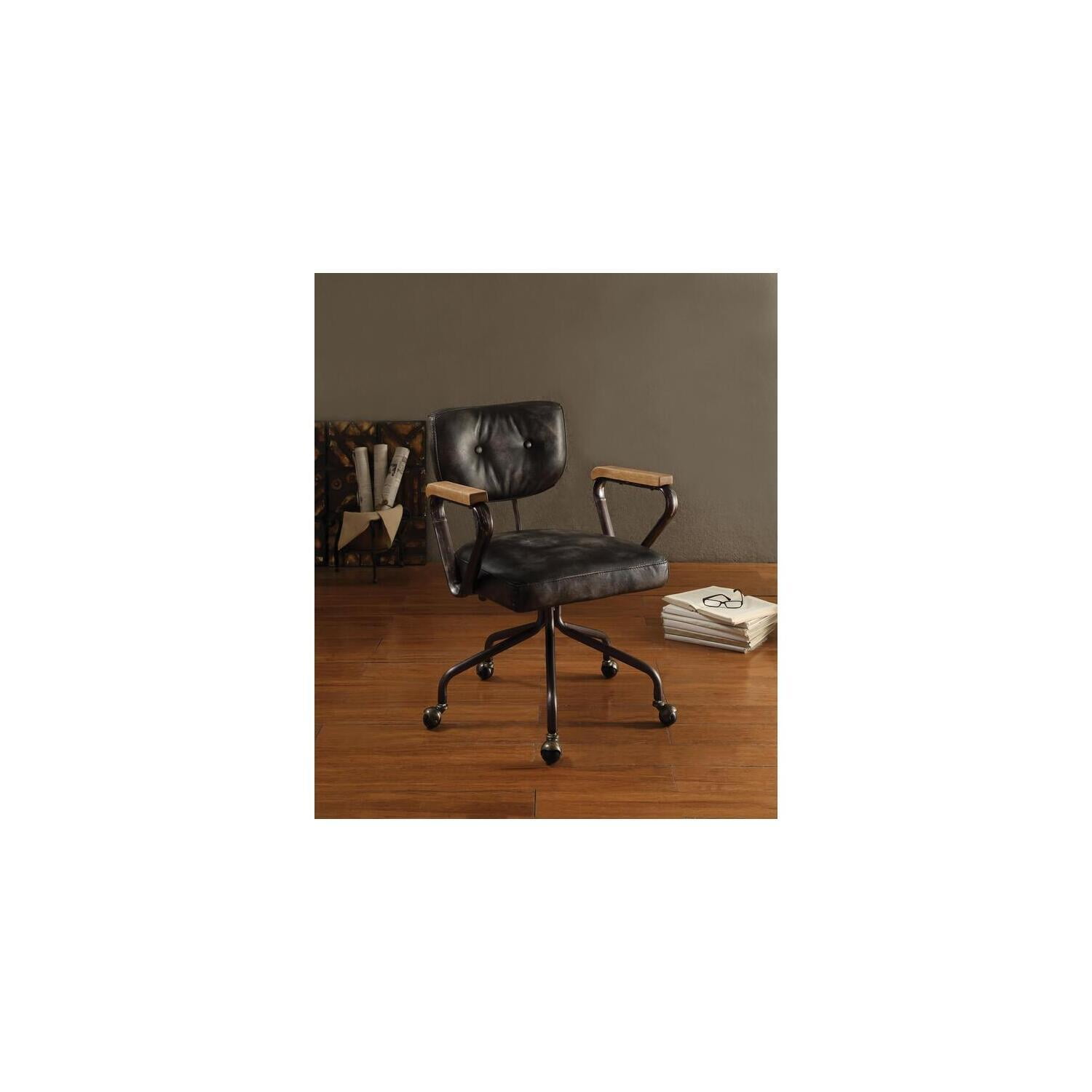
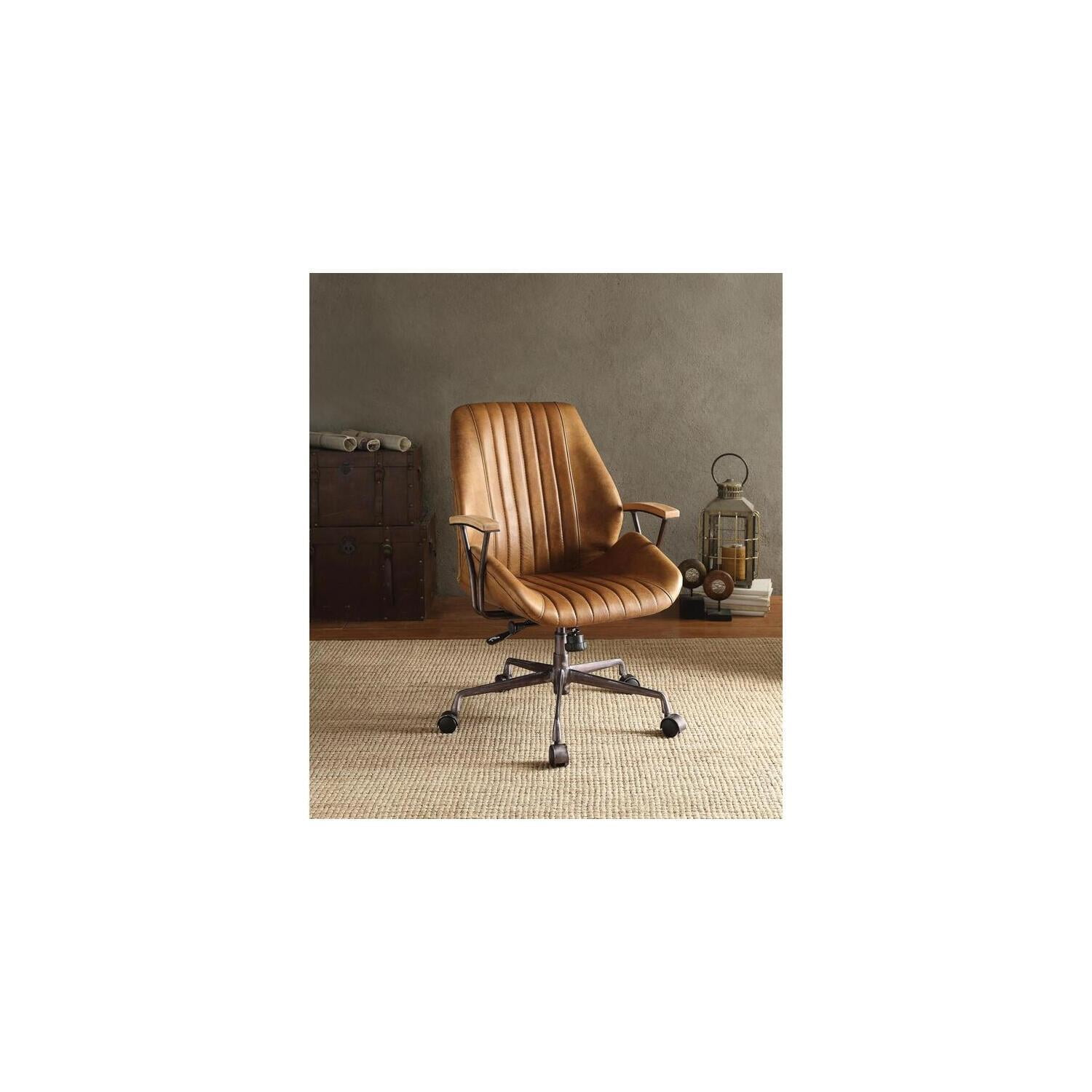
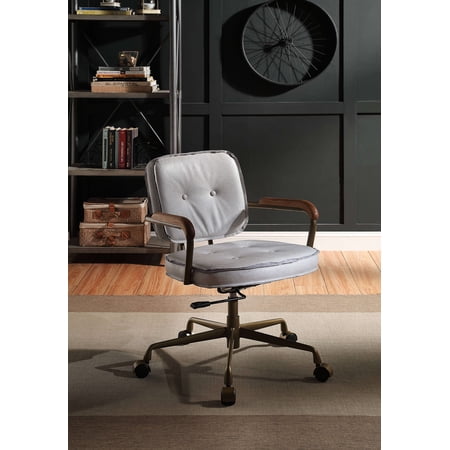
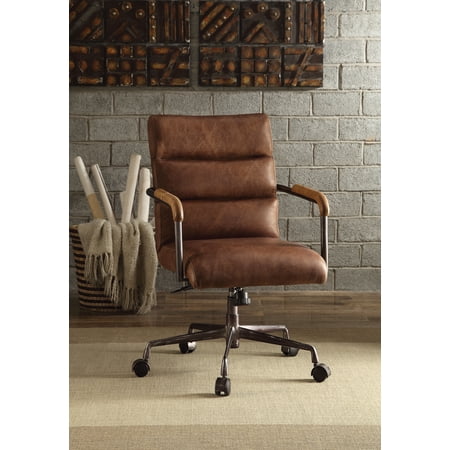
The Art of Top Grain Leather in Executive Office Seating
Imagine walking into your office each morning and settling into a chair that not only supports your body through hours of critical decision-making but also makes a statement about your professional standards. That's the promise of a top grain leather office chair—furniture that bridges the gap between functional ergonomics and executive sophistication.
In the hierarchy of leather grades, top grain occupies a special position. It's like the difference between a custom-tailored suit and off-the-rack clothing—both serve a purpose, but one communicates attention to quality that discerning professionals immediately recognize. According to the Leather Research Institute, top grain leather represents approximately 15% of all leather produced, yet it accounts for over 60% of premium office furniture sales, highlighting its position as the material of choice for quality-conscious buyers.
Industry Perspective: Furniture industry data indicates that top grain leather office chairs retain approximately 65% of their value after 5 years of use, compared to just 20% for bonded leather alternatives. This makes them not just a purchase, but an investment in both comfort and asset value.
Understanding Leather Grades: Where Top Grain Fits
To truly appreciate what makes a top grain leather office chair special, you need to understand the hierarchy of leather quality. Think of leather like a diamond—the closer to the original surface, the more valuable and durable it becomes.
Full Grain Leather
The untouched top layer retaining all natural markings. Most durable (20+ years), develops rich patina, most expensive. Used in heirloom-quality furniture.
Top Grain Leather
The second layer sanded and finished for uniformity. Excellent durability (10-15 years), consistent appearance, premium feel. The sweet spot for executive office chairs.
Genuine Leather
Lower layers of the hide, often corrected and embossed. Moderate durability (5-8 years), artificial grain pattern, more affordable.
Bonded Leather
Leather fibers mixed with polyurethane. Low durability (2-4 years), synthetic feel, budget option only.
The key distinction lies in the hide's anatomy. A cowhide has multiple layers—the top grain is the portion just beneath the outermost full grain layer. It's sanded to remove imperfections, then finished with protective coatings. This process creates a material that's approximately 80% as durable as full grain but significantly more consistent in appearance and 30-40% more affordable, making it the practical choice for daily-use office furniture.
Why Top Grain Leather Excels in Office Environments
Office chairs face unique challenges that residential furniture doesn't encounter. They endure daily use, sometimes for 8-10 hours, across all seasons, with varying humidity and temperature. Top grain leather is uniquely suited to these demands for several reasons:
- Breathability That Prevents Discomfort: Unlike synthetic materials that trap heat and moisture, top grain leather's natural fibrous structure allows air circulation. A study from the Ergonomic Workplace Institute found that leather seating reduces perspiration-related discomfort by 43% compared to synthetic alternatives during 4+ hour sitting sessions.
- Temperature Adaptability: Top grain leather naturally adjusts to room temperature. It won't feel freezing cold when you first sit down in an air-conditioned office, nor will it become sticky and uncomfortable during warmer months. This thermal neutrality is something synthetic materials simply cannot replicate.
- Wear Resistance That Justifies Investment: The finishing process for top grain leather creates a surface that resists the daily abrasion of clothing, belt buckles, and jewelry. Independent testing shows top grain leather withstands 50,000+ double rubs (the standard abrasion test) without significant wear, compared to 15,000-20,000 for genuine leather.
- Stain and Spill Protection: The protective finish applied to top grain leather creates a barrier against accidental spills. Coffee, water, or even ink can often be wiped away without permanent marking if addressed promptly—a critical feature for the busy executive who eats lunch at their desk.
- The Patina Effect: Unlike synthetic materials that look worse with age, quality top grain leather develops a rich patina—a subtle sheen and softening that actually enhances its appearance over time. Your chair doesn't just survive years of use; it grows more distinguished.
Anatomy of a Quality Top Grain Leather Office Chair
Not all top grain leather office chairs are created equal. Understanding the components that distinguish exceptional chairs from merely adequate ones helps you make a smarter investment:
Hide Thickness
Quality top grain leather measures 1.2-1.4mm thickness. Thinner leather (under 1.0mm) indicates cost-cutting and reduced durability.
Hide Grade
Look for "A-grade" or "select" hides with minimal corrections. Lower grades may have heavy surface correction and artificial grain embossing.
Tanning Process
Chromium-tanned leather offers superior durability; vegetable-tanned develops better patina but requires more care.
Coverage Areas
Premium chairs use top grain on all contact surfaces (seat, back, armrests). Some use lesser leather on sides and back to reduce costs.
The frame beneath the leather matters equally. Quality top grain leather chairs feature hardwood or reinforced plywood frames with steel mechanisms. The combination of premium leather over a sturdy foundation creates a chair that will serve you for a decade or more. According to furniture industry data, the average lifespan of a well-constructed top grain leather office chair is 12 years, compared to just 4-5 years for budget alternatives.
The Ergonomic Marriage: Comfort Meets Luxury
A beautiful chair that causes back pain is merely expensive torture equipment. The finest top grain leather office chairs integrate ergonomic science with luxurious materials:
Lumbar Support Integration: Premium leather chairs feature adjustable lumbar mechanisms that work with the leather's natural flexibility. Unlike mesh chairs where support comes from tension, leather chairs use sculpted high-density foam over contoured frames. This creates a supportive cradle that distributes weight evenly while maintaining the leather's aesthetic appeal.
Seat Construction: The seat cushion in quality leather chairs uses multi-density foam—firmer in the base for support, softer in the top layers for comfort. This is wrapped in a thin layer of fiberfill before the leather cover, preventing the "hammock effect" where you feel the frame edges. Research from seating ergonomics indicates that proper foam density reduces pressure points by up to 35% compared to uniform foam construction.
Recline Mechanisms: Quality leather chairs incorporate synchronized or multifunction tilt mechanisms that allow the seat and back to move in harmony. This maintains proper spinal alignment throughout the recline range, preventing the shirt-pulling effect common in cheaper chairs. The leather's natural flexibility accommodates these movements without distortion or premature wear.
Investment Analysis: The True Cost of Quality
Let's talk numbers, because a top grain leather office chair represents a significant investment. Understanding the cost-per-use calculation helps frame this purchase appropriately:
| Leather Type | Initial Cost | Expected Lifespan | Annual Cost | Cost Per Hour (8hr/day) |
|---|---|---|---|---|
| Top Grain Leather | $700-$1,500 | 10-12 years | $70-$125 | $0.03-$0.05 |
| Genuine Leather | $400-$700 | 5-7 years | $57-$100 | $0.03-$0.06 |
| Bonded/Faux Leather | $150-$350 | 2-4 years | $38-$175 | $0.02-$0.11 |
As the table illustrates, while top grain leather has a higher upfront cost, its longevity often makes it more economical than replacing cheaper chairs every few years. Additionally, the qualitative benefits—professional appearance, comfort, and the confidence that comes from sitting in quality furniture—add value that raw numbers can't capture.
🔍 The 20-Year Executive Perspective
Consider this: over a 20-year career, an executive who purchases a $1,200 top grain leather chair every 12 years will spend approximately $2,400 on seating. An executive who buys $400 genuine leather chairs every 5 years will spend $1,600—but will experience 4 different chairs, each with breaking-in periods, and never develop the patina and personal connection that comes with a long-term seating companion. The choice reflects your approach to quality in all aspects of professional life.
Maintaining Your Investment: Leather Care Essentials
Proper maintenance dramatically extends the life and beauty of your top grain leather office chair. Think of it like caring for a fine leather briefcase or luxury car interior—regular attention prevents premature aging and preserves the material's natural qualities.
Recommended Maintenance Schedule
What to Avoid
- Never use saddle soap or products containing oils, waxes, or silicones—these can clog the leather's pores and attract dirt.
- Avoid all-purpose cleaners, alcohol-based wipes, or furniture polishes—these strip protective finishes and dry out leather.
- Keep chairs away from direct sunlight and HVAC vents—UV rays and temperature extremes accelerate leather drying and fading.
- Address spills immediately—blot (don't rub) with a dry cloth, then allow to air dry naturally.
Matching Top Grain Leather to Your Office Aesthetic
The visual impact of a top grain leather office chair extends beyond mere seating. It anchors your office's design language and communicates your professional identity before you speak a word.
Traditional Executive
Deep burgundy, chestnut brown, or classic black top grain leather with capitonné stitching and polished wood accents. This aesthetic conveys stability, tradition, and established success. It pairs perfectly with dark wood furniture and traditional office decor.
Contemporary Professional
Charcoal gray, cognac, or midnight blue leather with clean lines, minimalist stitching, and chrome or brushed aluminum accents. This look signals modernity, approachability, and design awareness. It complements glass desks and contemporary office environments.
Transitional Balance
Tobacco brown or saddle tan leather that will develop rich patina over time, paired with mixed materials like wood and metal. This versatile aesthetic bridges traditional and modern, suitable for evolving office spaces.
The Sustainability Consideration
For environmentally conscious professionals, top grain leather offers sustainability advantages often overlooked. Leather is a byproduct of the food industry—using it prevents waste of a natural material. Quality leather chairs that last 10-15 years reduce furniture waste compared to disposable alternatives. According to environmental impact studies, one long-lasting leather chair has approximately 60% lower lifetime environmental impact than three disposable chairs replaced over the same period.
Look for leather certified by the Leather Working Group, which ensures responsible environmental practices in tanneries. Many premium manufacturers now offer transparency about their leather sourcing and production methods.
Testing Before Investing: What to Look For
When evaluating a top grain leather office chair, use these practical tests:
- The Touch Test: Quality top grain leather feels supple and warm, not plastic-like or cold. It should have some natural give when pressed, returning slowly to shape.
- The Smell Test: Genuine leather has a distinctive, pleasant aroma. If it smells like chemicals or plastic, it's not quality top grain leather.
- The Edge Examination: Look at cut edges of the leather (often visible underneath). Quality leather shows a fibrous, suede-like texture. If edges look like plastic or have a fabric backing, you're dealing with lower quality.
- The 15-Minute Sit: Spend at least 15 minutes in the chair, shifting positions as you would during work. Pay attention to pressure points, breathability, and whether the leather "gives" comfortably with your movements.
- The Adjustment Check: Operate all adjustment mechanisms while seated. Quality chairs allow easy adjustments without excessive force or awkward positioning.
Common Misconceptions About Top Grain Leather
Let's address several myths that can confuse buyers:
Myth: "Top grain leather is just a marketing term." Reality: It's an established industry grade with specific characteristics—sanded, finished leather from the top layer of the hide, distinct from both full grain and genuine leather.
Myth: "All leather chairs are basically the same." Reality: The difference between low-quality genuine leather and premium top grain is comparable to the difference between particle board and solid wood furniture.
Myth: "Leather is too hot for all-day sitting." Reality: Quality top grain leather breathes naturally, often feeling more comfortable over extended periods than synthetic materials that trap heat.
Myth: "You can't tell leather quality from photos." Reality: While in-person inspection is ideal, reputable manufacturers provide detailed specifications including hide origin, thickness, and tanning method. Look for this transparency.
The Psychological Impact of Quality Seating
Beyond physical comfort, research in environmental psychology suggests that our surroundings influence our performance and mindset. A study published in the Journal of Consumer Psychology found that professionals working in environments with quality materials reported 23% higher confidence in their decision-making and were perceived as more competent by observers.
A top grain leather office chair isn't just furniture—it's a daily reminder of your professional standards and a signal to everyone who enters your office that you value quality. This psychological dimension, while harder to quantify, may be among the most valuable benefits of choosing premium materials.
Frequently Asked Questions About Top Grain Leather Office Chairs
Conclusion: Making Your Leather Chair Investment
A top grain leather office chair represents one of the most significant furniture investments many professionals will make. Unlike trend-driven purchases that quickly feel dated, a quality leather chair grows more distinguished with age, developing character that reflects years of productive work.
The decision to choose top grain leather over alternatives should be guided by your professional priorities:
- If you value longevity and long-term value—top grain leather's 10-15 year lifespan makes it the economical choice despite higher upfront cost.
- If professional appearance matters in your role—the material's quality is immediately apparent to colleagues, clients, and visitors.
- If you spend significant hours at your desk—the breathability, comfort, and ergonomic integration of quality leather chairs directly impact your daily experience.
- If you appreciate craftsmanship and quality materials—there's satisfaction in using well-made tools, and your office chair is among your most-used professional tools.
Final Thought: Consider your office chair not as an expense to minimize, but as an investment in your daily comfort, productivity, and professional presence. A top grain leather office chair, properly selected and maintained, will serve you faithfully through thousands of work hours, countless decisions, and the evolution of your career. In the equation of professional success, quality seating is a variable worth optimizing.
The chairs featured above represent current top-rated options across various styles and price points. Each has been selected for its combination of quality materials, ergonomic design, and construction integrity. Browse the selection to find the top grain leather office chair that matches both your professional needs and personal aesthetic.