
Why Consider a Squatting (Kneeling) Office Chair?
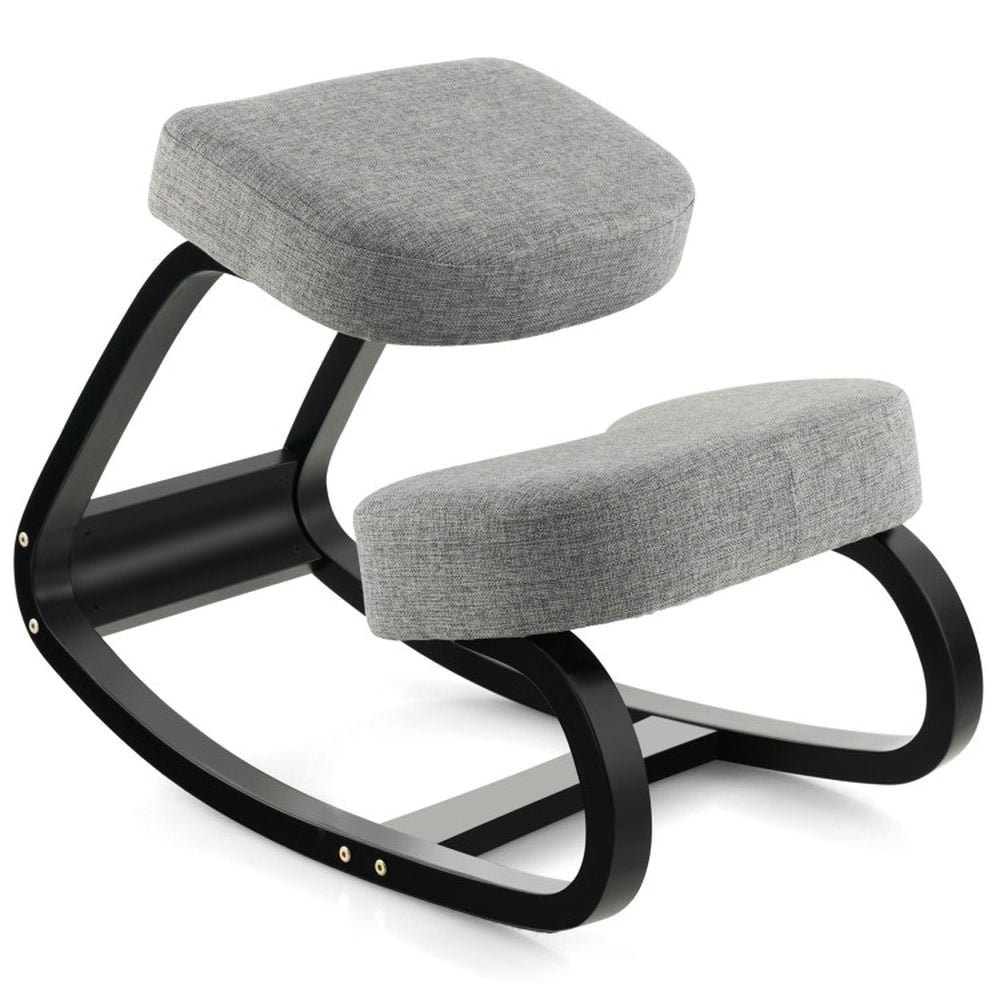
For decades, the traditional office chair has been the standard. But as we learn more about the spine and the dangers of prolonged static sitting, innovative solutions like the squatting office chair—more commonly known as the kneeling chair—have emerged. This isn't just a chair; it's a tool for active sitting, designed to transform how you work and how your body feels at the end of the day.
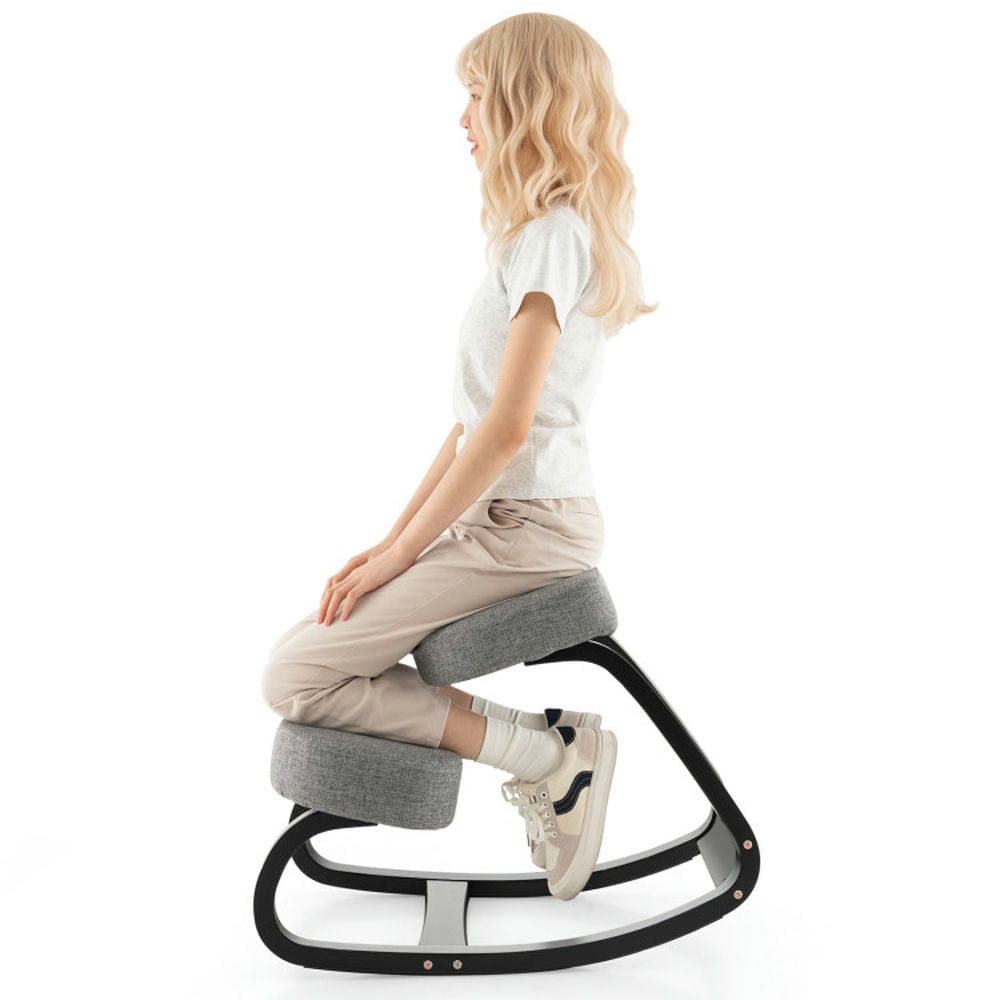
Ergonomic Insight: The concept of the kneeling chair was pioneered in the 1970s by Hans Christian Mengshoel. The core principle is to reduce pressure on the spine by opening up the angle between your torso and thighs, shifting from a 90-degree seated posture to a more natural 130-degree angle. This 'perching' position is similar to a squat, which is why it's often called a squatting office chair.
How a Squatting Office Chair Transforms Your Posture
Unlike conventional chairs that encourage slouching, a squatting office chair promotes an actively aligned posture:
- Automatic Spine Alignment: The forward-tilt angle naturally guides your pelvis into a neutral position, which in turn supports the natural 'S' curve of your spine. You don't need a backrest because your body is doing the work to stay upright.
- Engaged Core Muscles: Because you're slightly perched, your abdominal and back muscles are gently and continuously engaged to maintain balance. This subtle, constant muscle activity strengthens your core over time and prevents the muscle atrophy associated with passive sitting.
- Open Hip Angle: The 130-degree angle between your torso and thighs opens the hips, reducing the compression on your internal organs and improving blood circulation compared to the tight 90-degree angle of a standard chair.
- Distributed Weight: Your body weight is shared between your buttocks on the main seat and your shins on the padded knee rests. This takes significant pressure off the tailbone (coccyx) and lower spine.
Who Can Benefit Most from Active Sitting?
The squatting office chair is a versatile tool, but it particularly shines for specific users and work styles:
| User Profile | Primary Benefit | Why It Works |
|---|---|---|
| Individuals with Lower Back Pain | Reduces spinal disc pressure | By promoting a neutral spine, it alleviates the strain on lumbar discs often caused by slouching in a standard chair. |
| People with Sedentary Desk Jobs | Promotes active sitting and movement | Prevents stiffness and muscle fatigue by encouraging micro-movements and core engagement throughout the day. |
| Creatives & Deep Thinkers | Enhances focus and energy | The subtle rocking motion and active posture can increase blood flow and alertness, helping to combat the afternoon slump. |
| Those Recovering from Poor Posture | Trains body into correct alignment | Acts as a physical training tool, making it difficult to slouch and reinforcing good postural habits over time. |
| Users of Standing Desks | Perfect complementary seat | A kneeling chair is an ideal companion for a standing desk, providing a dynamic sitting option that maintains an upright posture similar to standing. |
Key Features to Look For
When choosing your squatting office chair, pay close attention to these critical components to ensure comfort and durability:
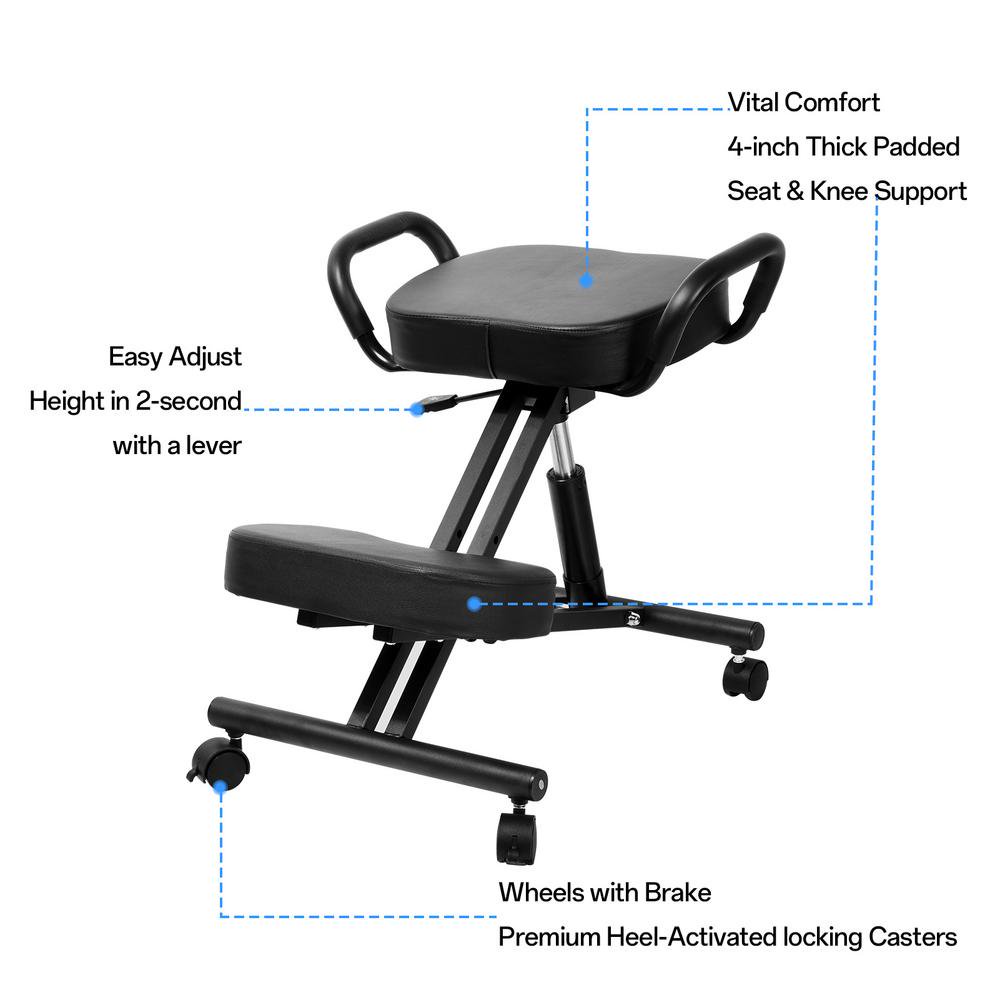
Knee Pad Comfort & Material
Look for high-density, resilient foam that won't flatten quickly. Breathable fabric covers are essential to prevent sweating during long sits. The angle and adjustability of the pads are also crucial.
Seat Cushion Support
The main seat should be contoured and padded to comfortably support your glutes. It should have a slight waterfall edge to prevent pressure on the back of your thighs.
Frame Stability & Weight Capacity
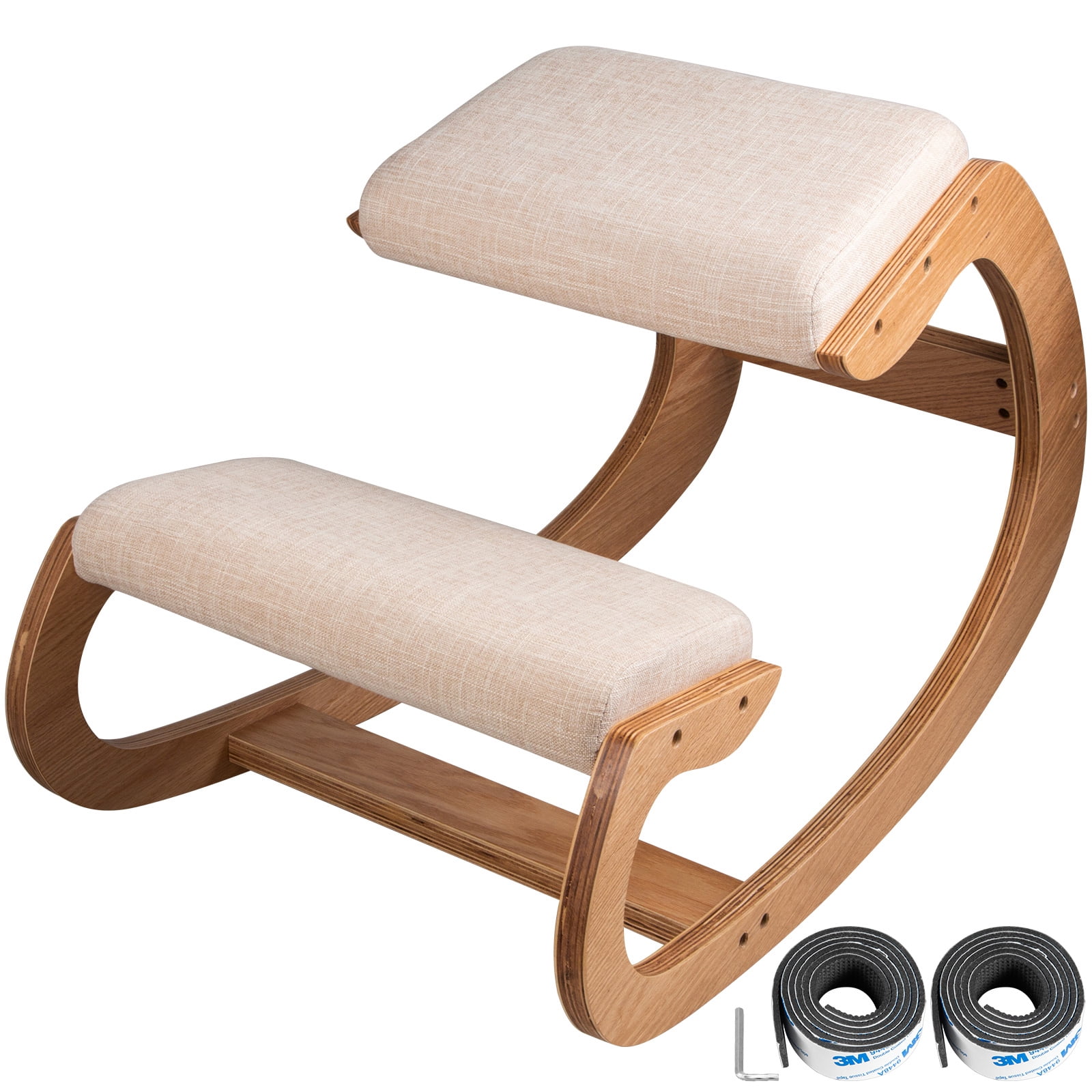
A sturdy, wobble-free frame is non-negotiable. Look for chairs made from solid hardwood or reinforced steel. Check the manufacturer's weight capacity, aiming for a rating well above your weight for a safety margin.
Adjustability Range
To accommodate different leg lengths, the best chairs offer adjustable height for both the main seat and the knee pads. This ensures the 130-degree angle is correctly achieved for your specific body.
Your 4-Step Guide to Transitioning to a Squatting Office Chair
Switching to a kneeling chair is like starting a new exercise routine. Your body needs time to adapt to this new active posture. Follow this step-by-step guide for a smooth and beneficial transition.
Step 1: The 30-Minute Introduction (Week 1)
Don't throw out your old chair yet. Start by using your new squatting office chair for only 30 to 60 minutes at a time. Set a timer. When it goes off, switch back to your regular chair. The goal for the first week is simply to introduce your muscles and joints to this new position without overstressing them. Focus on sitting upright and getting a feel for the balance.
Step 2: Gradual Duration Increase (Week 2-3)
As you become more comfortable, slowly increase your kneeling chair sessions. Try using it for 2 hours in the morning and 2 hours in the afternoon. Listen to your body. If your knees or back feel achy, take a break. It's perfectly normal to feel some muscle soreness in your core and legs—this is a sign they are being engaged! Alternate between the kneeling chair and your standing desk if you have one.
Step 3: Finding Your Rhythm (Week 4+)
By now, you'll have a good sense of how long you're comfortable. You might find you can use it for 3-4 hour stretches. The key is to avoid static sitting even in this active chair. Incorporate natural movement. Rock gently on the chair's pivot. Stand up and stretch every hour. The goal isn't to sit in it all day, but to use it as a dynamic tool within a varied workday.
Pro Tip: Many experienced users find the most benefit from a hybrid approach: using a squatting office chair for focused, deep-work tasks in the morning and switching to a high-quality ergonomic chair with a backrest for meetings or more relaxed work in the afternoon.
Step 4: Maintenance and Adjustment
Regularly check the bolts and screws on your chair to ensure they are tight, as the rocking motion can loosen them over time. If your model allows, re-evaluate the height adjustments for the seat and knee pads. Your perfect setting on day one might feel slightly different after a month of use. A small tweak can make a big difference in long-term comfort.
Integrating a Squatting Chair into Your Complete Ergonomic Setup
A squatting office chair is a powerful tool, but it's just one piece of the ergonomic puzzle. To create a truly healthy and productive workspace, you need to consider how it works in harmony with your other equipment. Think of your body as a kinetic chain; if one part changes, the others must adapt.
Desk Height is Crucial
Because a kneeling chair places you in a slightly different position than a standard chair, your desk height may need adjustment. When sitting in your squatting office chair:
- Your elbows should still form a 90-degree angle when your hands are on the keyboard.
- Your eyes should be level with the top of your monitor screen.
You may find that your standard desk feels slightly high. This is where an adjustable-height desk or a sturdy keyboard tray becomes invaluable, allowing you to fine-tune your setup for this new seated posture.
The Dynamic Duo: Kneeling Chair + Standing Desk
This combination is arguably the gold standard for a dynamic office. The mantra is: the best posture is your next posture. Here's a sample routine:
- 9:00 AM - 10:30 AM: Start your day with deep-focus work in your squatting office chair.
- 10:30 AM - 10:45 AM: Stand up, stretch, and take a short walk.
- 10:45 AM - 12:00 PM: Raise your desk and stand while answering emails or taking calls.
- 12:00 PM - 1:00 PM: Lunch break (away from your desk!).
- 1:00 PM - 2:30 PM: Switch back to the kneeling chair for afternoon tasks.
- 2:30 PM - 3:00 PM: Afternoon stretch break.
- 3:00 PM - 4:30 PM: Alternate between standing and brief periods in a standard ergonomic chair if needed.
This variety keeps your muscles engaged, your metabolism active, and your mind alert throughout the entire workday.