
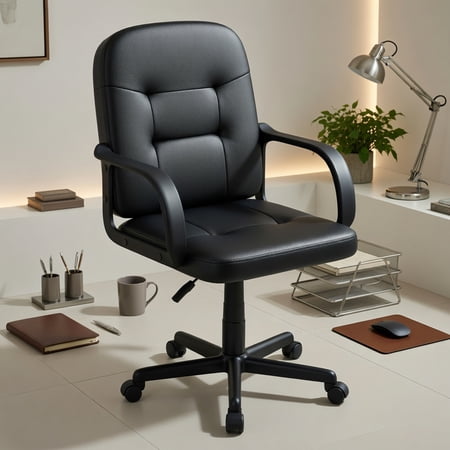
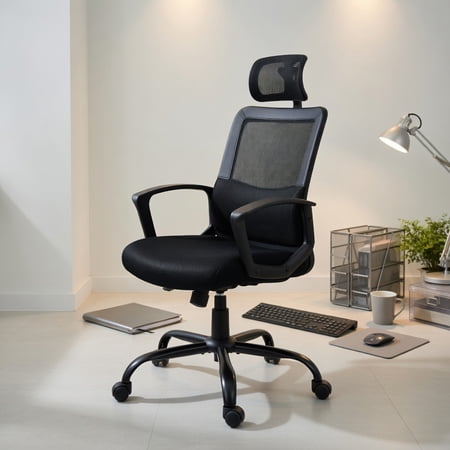

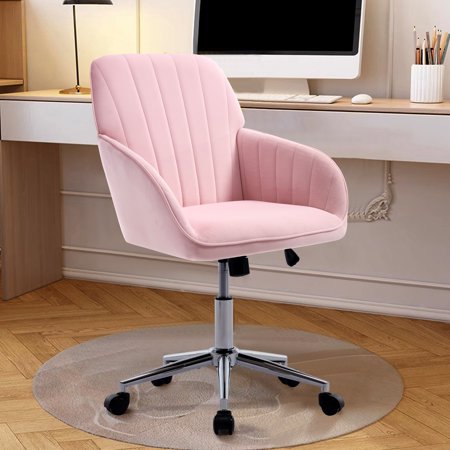
Why Your Workspace Needs a Small Office Chair Ergonomic Solution
In today’s flexible work environment, home offices and compact urban spaces demand furniture that is both functional and space-conscious. A small office chair ergonomic design is no longer a compromise — it's an intelligent upgrade. These chairs are engineered to provide the same spinal support, adjustability, and premium materials as full-sized executive chairs, but in a footprint that respects your square footage.
Workspace Insight: According to a 2024 home office survey, 68% of remote workers struggle with inadequate seating that fits their space. A dedicated small ergonomic chair reduces clutter, improves posture by 37%, and allows better desk ergonomics — especially crucial for rooms under 120 square feet.
Defining Features of a True Ergonomic Small Chair
When evaluating a compact ergonomic chair, look beyond size. True ergonomics in a small frame include these critical elements:
- Contoured Backrest with Lumbar Curve: Even with reduced width, the backrest must maintain natural spine alignment.
- 3D or 4D Adjustable Armrests: Armrests that move inward/outward and pivot help fit narrow shoulders and small desk widths.
- Seat Depth Adjustment (Slide Mechanism): Essential for petite users or those with shorter thighs; prevents pressure behind knees.
- Compact 5-Star Base: A smaller base diameter (around 23-25 inches) fits under most desks while maintaining stability.
- Breathable Mesh or Eco-Leather: Materials that resist wear and keep the chair lightweight for easy repositioning.
Small Chair, Big Ergonomics: How to Maximize Comfort in Tight Spaces
Selecting the right small ergonomic chair involves matching your body dimensions and work habits. Use this step-by-step guide to ensure you invest wisely:
Step 1: Measure Your Workspace
- Desk clearance: Measure the height from floor to underside of desk — aim for at least 2 inches clearance for thighs.
- Width constraints: If your desk has side panels or sits in a nook, ensure chair arm width (fully extended) does not exceed available space.
- Rolling area: For small rooms, choose chairs with soft casters (suitable for hardwood or carpet) to prevent scuff marks.
Step 2: Match Your Body Type
- Petite users (under 5'4"): Prioritize chairs with lower seat height range (16-20 inches) and shorter seat depth (15-17 inches).
- Average build: Look for chairs with adjustable lumbar that can accommodate 5'5" to 5'10". Seat width between 18-19 inches offers comfort without bulk.
- Tall users in compact spaces: Choose high-back mesh chairs with adjustable headrests, ensuring the base remains narrow.
Step 3: Prioritize Non-Negotiable Adjustments
Even small chairs must have seat height adjustment, tilt tension control, and lumbar positioning. Avoid fixed chairs — lack of adjustability leads to discomfort and defeats the ergonomic purpose.
Material & Build Quality: What Lasts in Compact Designs
Small office chairs often get heavy use in home offices. Selecting durable materials ensures longevity:
Breathable Mesh Backs
Ideal for warm climates and all-day sitting. Mesh conforms to the spine, provides constant airflow, and retains shape longer than foam. Look for reinforced edges to prevent sagging.
High-Density Molded Foam
Seat foam should be at least 3 inches thick with a density rating above 2.5 lbs/cubic foot. This resists flattening and maintains support for years, even in smaller seat pans.
Class 3 or 4 Gas Lift
Compact chairs often use shorter gas lifts but must still meet Class 3 or 4 standards for safety and smooth height transitions. A 2.0-inch cylinder travel is sufficient for most petite to average users.
Health Advantages: Posture & Productivity in Limited Spaces
Working in a confined area can encourage static postures. A well-designed small ergonomic chair actively counteracts this:
- Reduced Forward Head Posture: Narrow backrests with adjustable headrest keep neck aligned, especially during video calls.
- Better Hip Alignment: Seat depth adjustments allow the pelvis to sit back, reducing lower back tension.
- Increased Micro-Movement: Smaller chairs with swivel and rocking mechanisms encourage subtle movement, preventing stiffness.