
Why Your Sit-Stand Desk Needs the Right Chair
Pairing a sit-stand desk with a standard office chair is like putting a high-performance engine in a family sedan—it works, but you're missing the full potential. A dedicated office chair for sit stand desk is engineered to complement the dynamic nature of your workspace. It's not just about having a chair; it's about having a seating tool that moves with you, supporting your body through various postures throughout the day.
Ergonomic Insight: Research from the University of Waterloo indicates that alternating postures every 30-60 minutes can reduce lower back discomfort by up to 54%. The key is having a chair that can adjust quickly and effectively to support these changes, preventing the fatigue associated with static sitting or standing.
Defining Features of the Ideal Sit-Stand Desk Chair
When your desk moves, your chair needs to move with it. Standard office chairs often lack the necessary range and mechanisms to support a fluid sit-stand workflow. Here are the critical features that define a high-performing chair for this setup:
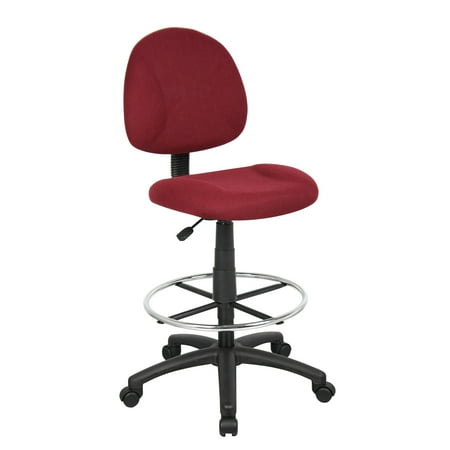
- Extended Pneumatic Lift (High-Lift Cylinder): The most crucial feature. Look for a chair that offers a height adjustment range of at least 6-8 inches, often reaching from 18 inches to 26 inches or more. This allows your seat to rise to a "perching" height when your desk is at standing level.
- Forward-Tilt Seat Mechanism: Also known as a "perch" function, this allows the seat pan to tilt slightly forward. This opens up your hip angle, aligning your spine more naturally when the chair is in a higher position, reducing pressure on your lower back.
- Active Lumbar Support: As you change positions, your spinal alignment shifts. A chair with adjustable or active lumbar support that moves with you ensures your lower back is cradled whether you're leaning back to think or perching forward to work.
- Stable 5-Star Base: A wider base ensures stability, especially when the chair is at its maximum height. Look for a base made of durable metal (like aluminum) rather than plastic for enhanced safety and longevity.
- Simplified Adjustment Controls: When you're in the flow of work, you shouldn't have to wrestle with levers. Seek chairs with intuitive, easily accessible paddle or lever controls for quick height adjustments, allowing you to transition from sit to stand seamlessly.
Understanding the 'Perching' Position
Pro Tip: The 'perch' is the sweet spot for sit-stand desks. It's a position where the chair is set high, your feet are still on the floor (or on a footrest), and your body leans slightly forward onto the chair. This posture mimics the benefits of standing while providing support and reducing strain on the lower extremities. A chair designed for your desk should easily achieve this stable, comfortable middle ground.
Perching is not sitting, nor is it standing. It is an active, supported posture that is ideal for tasks requiring focus and precision. It opens the hip angle to roughly 120 degrees, which naturally engages your core and promotes better spinal alignment. Chairs specifically marketed for sit-stand desks often make this position their central design feature.
Comparison of Chair Types for Sit-Stand Desks
| Chair Type | Height Range | Key Mechanism | Best For |
|---|---|---|---|
| Standard Task Chair | Limited (17-21 inches) | Basic Pneumatic Lift | Occasional use with a sit-stand desk; not ideal for frequent transitions |
| High-Lift Ergonomic Chair | Extended (18-26 inches) | High-Lift Cylinder, Multi-adjustable Arms | Users who need full sitting and comfortable perching support |
| Perch/Stool-Style Chair | Very High (20-32 inches) | Forward-Tilt Seat, Foot Ring | Users who primarily perch or work at higher desk levels |
| Active/Lean Stool | High (24-30 inches) | No backrest, dynamic saddle seat | Promoting core engagement and constant micro-movements |
Quick Checklist: Is Your Chair Sit-Stand Ready?
Before you invest, run your current or potential chair through this checklist:
- ✔️ Height Test: When your desk is at standing elbow height, can your chair rise high enough so your thighs are angled slightly downward while your feet are still supported (on the floor or a footrest)?
- ✔️ Seat Depth: When perching, does the seat pan allow for a comfortable gap (2-3 fingers) between the back of your knees and the seat edge?
- ✔️ Armrest Agility: Can the armrests be easily lowered or moved out of the way to allow you to get closer to the desk in the perched position?
- ✔️ Lumbar Adjustability: Is the lumbar support adjustable in height and depth to accommodate your spine in both upright sitting and perching postures?
- ✔️ Gas Lift Reliability: Is the gas lift from a reputable brand (e.g., Class 4) to ensure it can handle the frequent adjustments for years to come?
Health and Productivity Benefits
Integrating a proper chair with your sit-stand desk isn't just about comfort; it's a strategic move for your well-being and output. The synergy between a highly adjustable desk and a matching chair yields significant advantages:
Reduced Musculoskeletal Strain
Easily alternating between sitting, perching, and standing prevents muscle fatigue and joint stiffness common in static postures.
Enhanced Circulation
Changing postures promotes blood flow, helping to prevent the circulatory issues associated with prolonged sitting or standing.
Sustained Energy Levels
Dynamic movement combats the mid-afternoon slump. Frequent, easy posture changes keep your body and mind more alert and engaged.
Improved Focus and Productivity
When you're comfortable and not distracted by discomfort, you can concentrate more deeply on complex tasks for longer periods.
Analogous Thinking: Think of your sit-stand desk and compatible chair as a bicycle. A high-quality bike has gears (the desk's height) and a well-designed, adjustable saddle (the chair). You wouldn't use a stationary, non-adjustable saddle on a bike you plan to ride on varied terrain. Similarly, your dynamic workstation needs a chair that can shift gears with you to make the ride smooth and efficient.