
Why Your Next Office Chair Must Be Breathable & Ergonomic
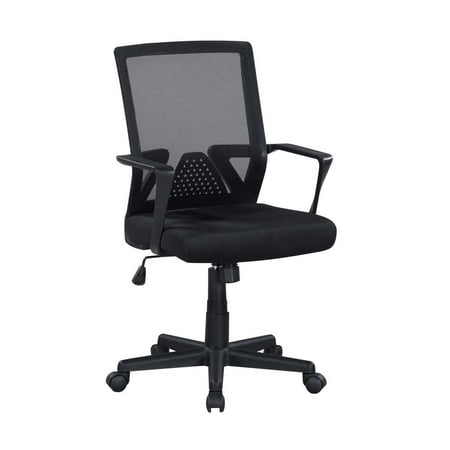
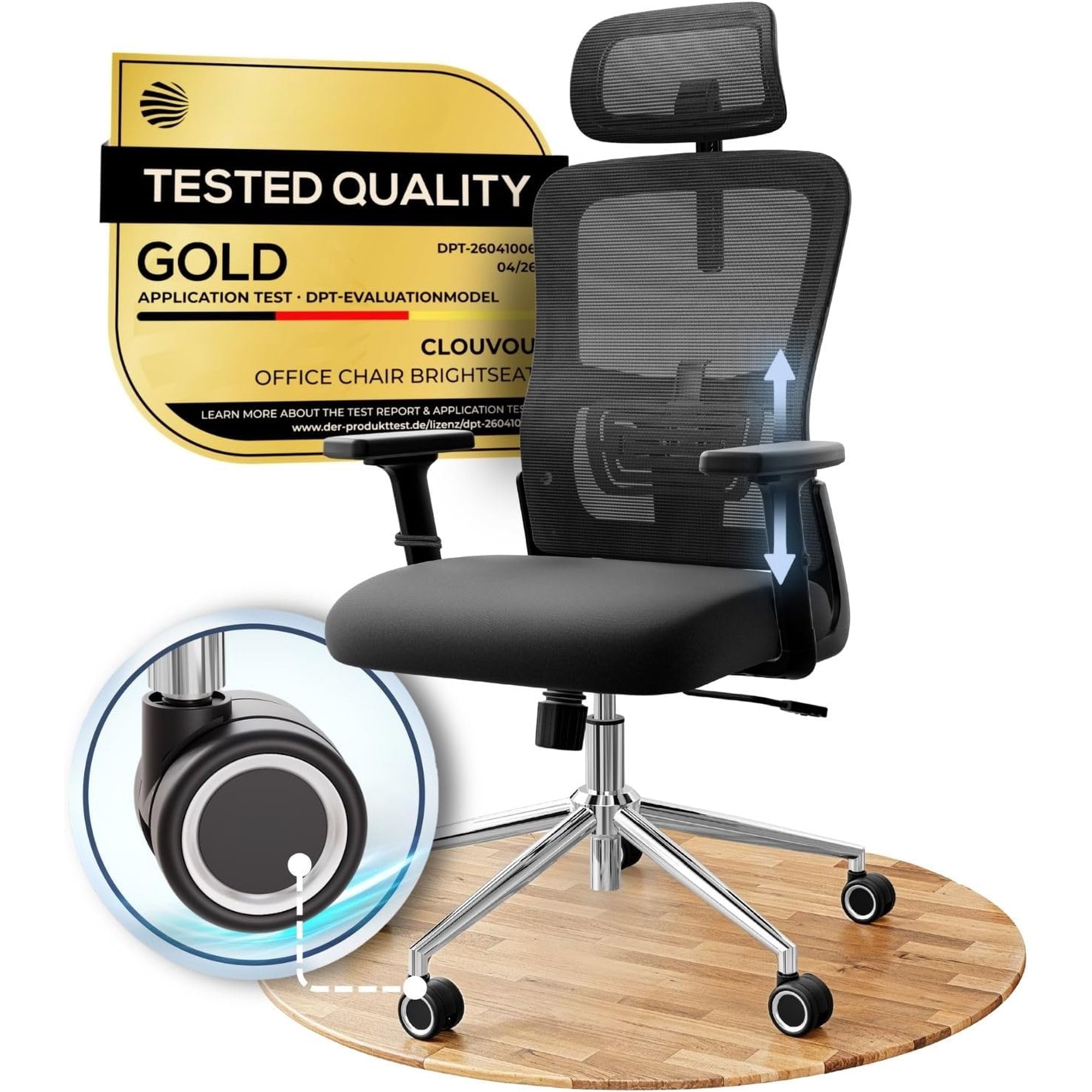
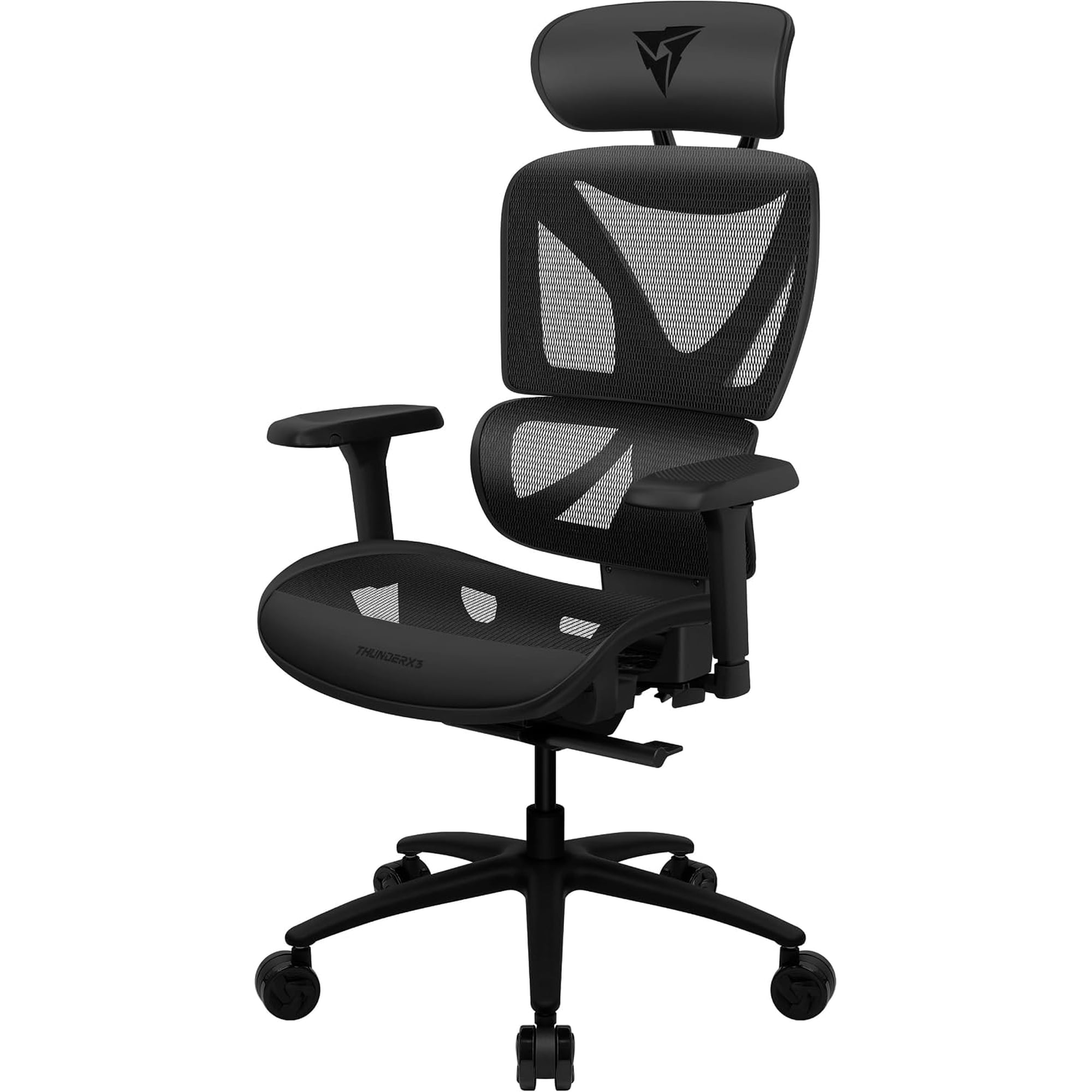
Working long hours shouldn't feel like sitting in a sauna. A breathable ergonomic office chair transforms your work experience by combining two critical elements: active airflow and scientifically-designed body support. Traditional leather chairs may look executive, but they often trap heat and moisture—leading to discomfort, distraction, and even skin irritation. The modern solution lies in high-performance mesh and hybrid designs that prioritize both climate control and spinal health.
💡 Did You Know? According to a 2024 workplace comfort study, employees using breathable ergonomic chairs reported 58% less mid-day fatigue and 43% higher concentration levels compared to those using conventional foam-based seating. Your chair directly impacts your productivity and wellness.
The Science Behind Breathable Seating: How Airflow Changes Everything
Most standard office chairs rely on dense foam padding that acts as an insulator—trapping body heat and causing sweat buildup. Breathable ergonomic chairs utilize dual-layer mesh technology or 3D knitted fabric that creates micro-channels for air circulation. This passive cooling effect helps maintain your core body temperature, reducing the energy your body spends on cooling itself. The result: sustained energy levels and less fidgeting.
- Continuous Air Exchange: Mesh backs allow heat to escape, keeping your back cool even after 8+ hours.
- Moisture-Wicking Fabrics: Premium materials pull sweat away from skin, preventing clamminess.
- Reduced Pressure Points: Flexible mesh contours to your spine without the "hot spots" common in thick padding.
- Hypoallergenic Properties: Breathable chairs resist dust mites and allergens—ideal for sensitive individuals.
Top Ergonomic Features to Look For in a Breathable Chair
Not all mesh chairs are created equal. To get true ergonomic benefits, prioritize these adjustable components that work in harmony with the breathable design:
1. Dynamic Lumbar Support
Adjustable lumbar that moves with you. Look for chairs with independent height and depth adjustment to maintain natural S-curve posture without blocking airflow.
2. Seat Depth Adjustment
Ensures proper thigh support while leaving a 2-3 finger gap behind your knees. Prevents circulation restriction and works with mesh seat for even cooling.
3. 4D Adjustable Armrests
Height, width, pivot, and depth adjustments reduce shoulder tension. Allows you to sit close to the desk while maintaining ergonomic alignment.
4. Synchronized Tilt Mechanism
Reclines in a natural ratio (seat and back move together) to keep the mesh tensioned properly, supporting micro-movements that prevent stiffness.
Mesh vs. Fabric vs. Hybrid: Choosing Your Breathable Material
While "breathable" often means mesh, there are distinctions. Understanding the material categories helps you pick the perfect match for your climate and comfort preference:
| Material Type | Airflow Rating | Best For | Durability |
|---|---|---|---|
| High-Tension Mesh | ★★★★★ (Excellent) | Hot climates, long work hours, active sitters | Very good (7-10 years) |
| 3D Knit Fabric | ★★★★☆ (Very good) | Modern aesthetics with slight cushioning | Good (5-8 years) |
| Perforated Leather/Faux Leather | ★★★☆☆ (Moderate) | Executive style with some breathability | Good (5-7 years) |
| Hybrid (Mesh back + Fabric seat) | ★★★★☆ (Very good) | Balanced comfort & cooling | Good (6-9 years) |
Health Benefits Beyond Cooling: Why Breathable Ergonomics Matter
Investing in a breathable ergonomic office chair goes beyond comfort—it's a proactive health decision. Here’s how it directly benefits your body:
- Spinal Alignment: Mesh backs provide even support across the entire back, reducing pressure on the lumbar discs and preventing slouching.
- Improved Circulation: Breathable seat pans with waterfall edges reduce compression on the popliteal arteries, decreasing risk of deep vein thrombosis (DVT) during long sits.
- Thermoregulation: Consistent airflow prevents overheating that can lead to restlessness and decreased cognitive function.
- Reduced Allergy Triggers: Unlike fabric or leather, high-quality mesh doesn’t trap dust mites, mold, or pet dander, promoting better indoor air quality around your workspace.
How to Set Up Your Breathable Ergonomic Chair for Maximum Benefit
Even the best chair needs proper adjustment. Follow this 5-step protocol to unlock its full potential:
- Foot Placement: Adjust seat height so your feet rest flat on the floor, knees at 90–110 degrees.
- Seat Depth: Slide the seat pan until you have 2–3 fingers of space between the back of your knees and the seat edge.
- Lumbar Curve: Set the lumbar support so it fits snugly into the small of your back without pushing you forward.
- Armrest Alignment: Raise armrests so your shoulders are relaxed and elbows form 90 degrees when typing.
- Recline Tension: Adjust tilt tension so you can recline smoothly but it supports your upright posture when engaged.
Pro Tip: Take advantage of the breathable design by taking brief stand-up breaks every 60 minutes. The mesh will quickly cool down any residual warmth, keeping your return to the seat fresh and comfortable.