
Why 'Simple' is Often Smarter: The Case for Minimalist Ergonomics
In a world where office chairs boast dozens of levers, knobs, and adjustments, the simple ergonomic office chair stands out as a breath of fresh air. It operates on a powerful principle: sometimes, less truly is more. These chairs focus on delivering the essential elements of ergonomic support without the complexity that can overwhelm users or inflate costs. For many professionals, remote workers, and students, this straightforward approach leads to better posture and a more organized workspace.
Did You Know? A survey on workspace satisfaction found that over 60% of users never use more than three adjustment features on their office chairs. This highlights a growing trend towards "essential ergonomics"—where simplicity and ease of use are valued just as highly as adjustability.
Defining the 'Simple Ergonomic' Category
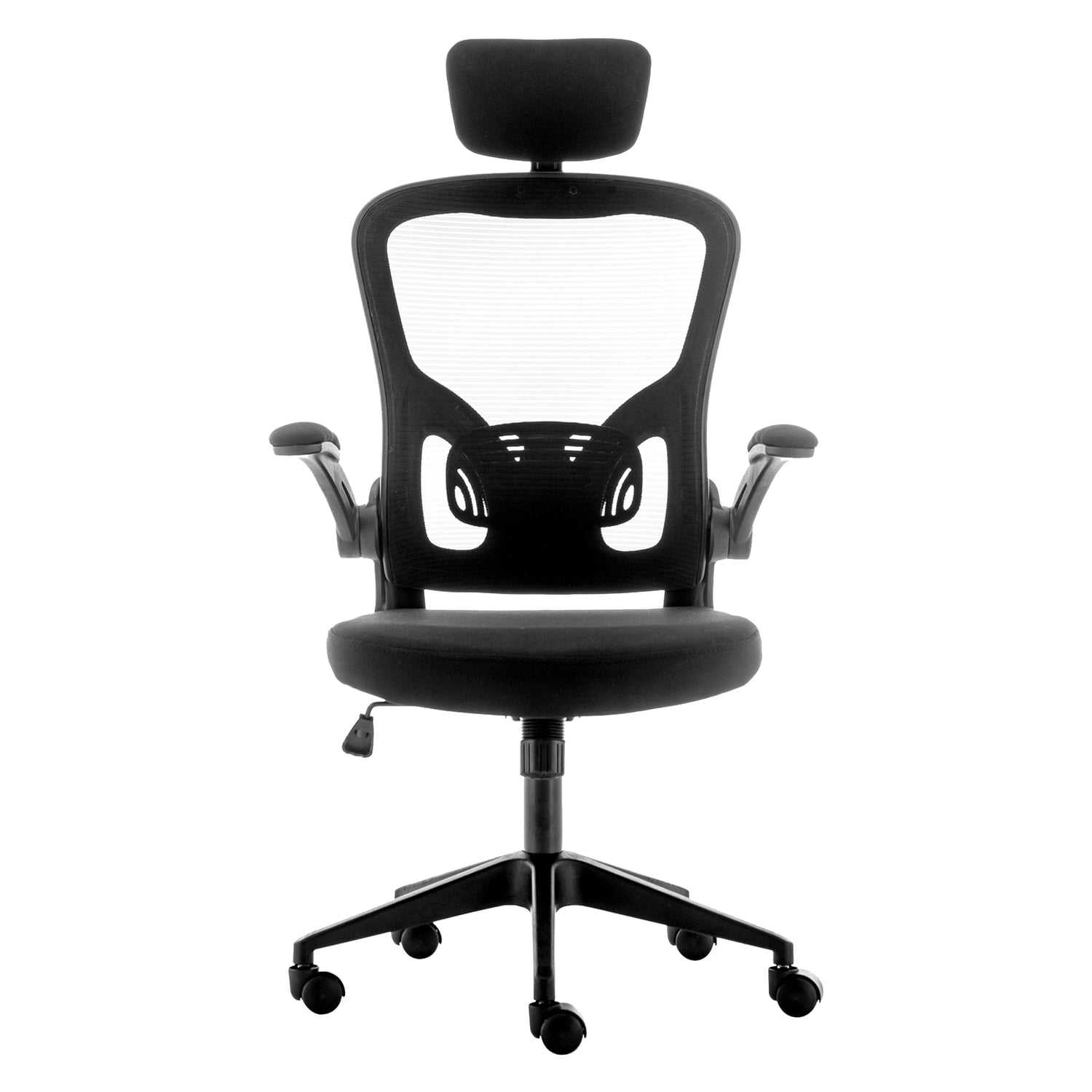
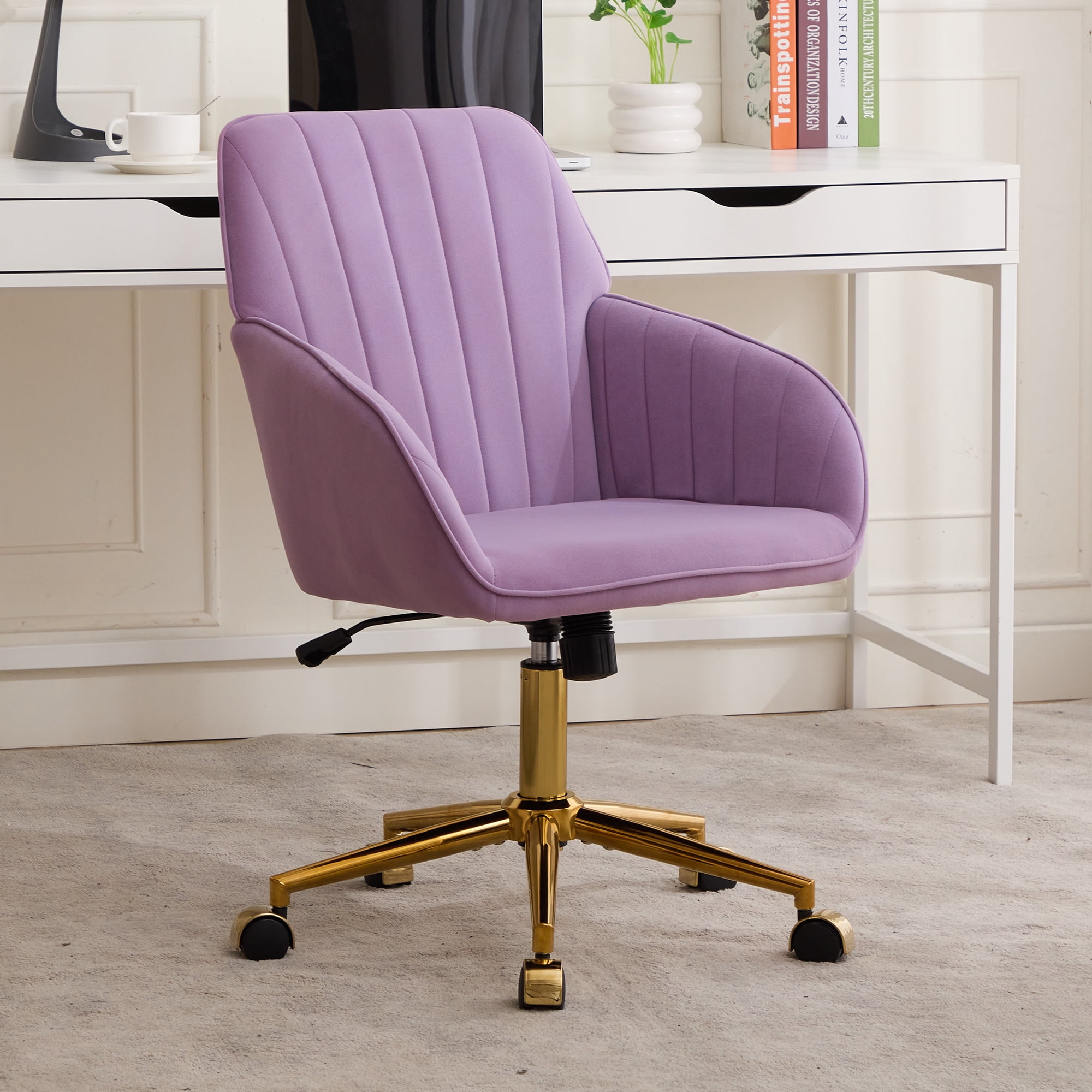
A simple ergonomic chair is not a basic, uncomfortable office chair. It is a thoughtfully designed tool that focuses on the non-negotiable aspects of ergonomic seating. Here’s what you can typically expect:
- Uncomplicated Height Adjustment: A reliable pneumatic lever that lets you find the right position in relation to your desk.
- Essential Lumbar Contour: A built-in, curved backrest that naturally supports the lower spine, often without a separate adjustable pad.
- Streamlined Aesthetics: Clean lines, minimal bulk, and a design that complements modern and traditional spaces without dominating them.
- Durable, Low-Maintenance Materials: Often featuring breathable mesh backs or easy-to-clean fabric seats that stand up to daily use.
- Intuitive Tilt Mechanism: A simple tilt or rocking function that allows for movement, which is crucial for circulation and energy.
💡 The "Just Right" Philosophy: Think of it like a well-made bicycle. A high-end mountain bike has complex suspension, but a simple, well-built commuter bike is often more reliable and enjoyable for daily use. A simple ergonomic office chair is the "commuter bike" of the seating world—dependable, comfortable, and perfectly suited for its daily task.
Who Benefits Most from a Simple Ergonomic Chair?
While any user can appreciate the straightforward functionality, certain groups find this chair style particularly beneficial:
🏡 Home Office Workers
In a space that blends work and life, a bulky, high-tech chair can feel out of place. A simple ergonomic chair offers professional support without sacrificing your home's aesthetic.
📚 Students & Young Professionals
Starting your career or deep in your studies? Get essential ergonomic support at a price point that respects your budget, helping you focus on your goals, not back pain.
👥 Shared & Hot-Desk Environments
In spaces where multiple people use the same chair, simplicity is key. A straightforward design with intuitive adjustments allows anyone to quickly find a comfortable sitting position.
💻 Minimalist & Aesthetic-Focused Users
If you value clean design and an uncluttered environment, a simple ergonomic chair provides the necessary support without visual noise, helping maintain a calm and focused workspace.
Key Features to Look For
Even in a simplified design, certain features are non-negotiable for ensuring the chair truly supports your health and productivity. Here’s a checklist to guide your selection:
| Feature | Why It Matters in a Simple Chair | What to Look For |
|---|---|---|
| Seat Height Range | Allows your feet to rest flat and thighs to be parallel to the floor, reducing leg fatigue. | A wide range (e.g., 16" to 21") is ideal for most users. Ensure the gas lift is from a reputable brand. |
| Backrest Contour | Provides passive, consistent support for the natural 'S' curve of your spine. | Look for a backrest with a distinct curve in the lumbar region, not a flat board. |
| Seat Depth & Width | Ensures proper thigh support without pressure behind the knees. | A depth of 17-19 inches is standard. If the chair doesn't have depth adjustment, ensure the fixed depth suits your body type. |
| Material Quality | Affects durability, breathability, and long-term comfort. | Mesh backs for breathability, high-density foam for the seat, and a sturdy base (nylon or metal). |
| Armrest Simplicity | Can be a source of complexity. Simple chairs often have fixed or basic height-adjustable arms. | If armrests are a must, consider models with simple height adjustment or choose an armless version for ultimate simplicity and space-saving. |
Setting Up Your Simple Ergonomic Chair for Success
One of the greatest advantages of this chair type is the ease of setup. Follow these three steps to ensure you're getting the maximum benefit:
- Feet Flat on the Floor: Adjust the seat height so your feet rest flat on the floor, with your knees bent at about a 90-degree angle. If the chair has a foot ring, ensure it's adjusted to support this position.
- The Two-Finger Test for Lumbar: Sit back fully. You should feel the natural curve of the backrest supporting your lower back. You should be able to slide two fingers between the back of your knee and the seat edge—this indicates proper seat depth.
- Armrest Position (If Applicable): Adjust armrests so your shoulders are relaxed, and your elbows rest comfortably at a 90-degree angle. Your forearms should be parallel to the floor when typing.
With just these few adjustments, your simple ergonomic chair is configured to provide effective support, promoting a healthier posture throughout your workday.