
The Return to Stability: Why a Stationary Ergonomic Office Chair Elevates Your Workspace
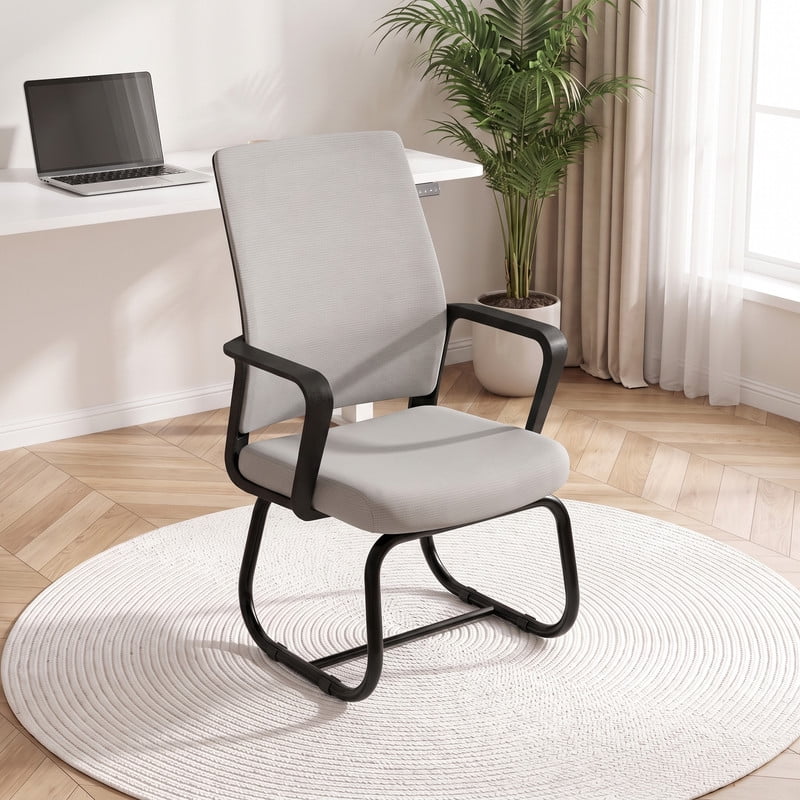
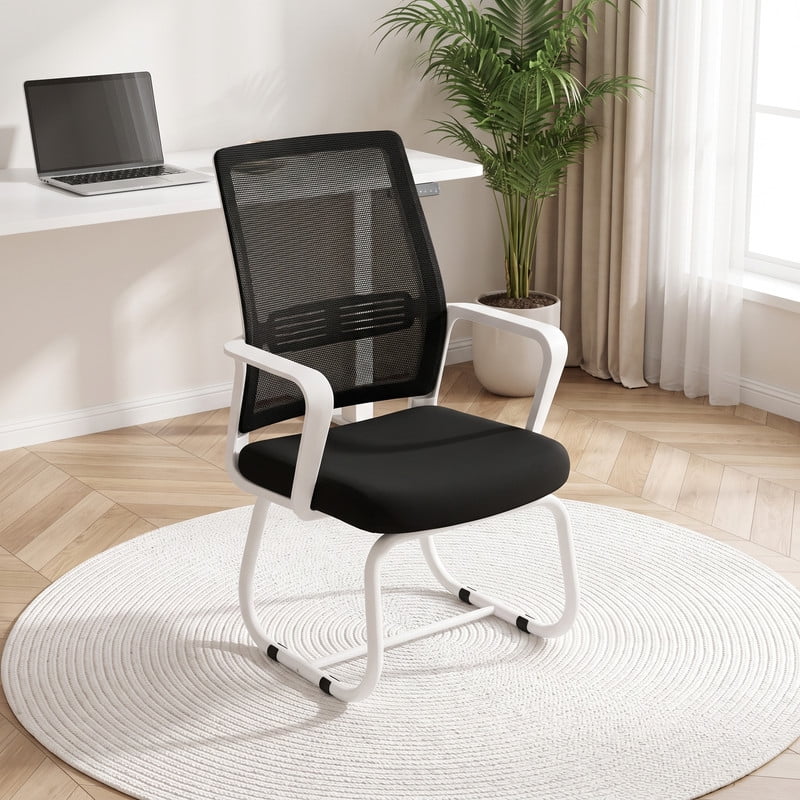
In an era of constant movement and open-plan offices, the stationary ergonomic office chair offers a counterintuitive advantage: stillness. Unlike traditional rolling chairs that invite fidgeting and constant micro-adjustments, a fixed-base chair anchors you to your work. For executives, financial analysts, writers, and remote professionals, this stability translates to deeper concentration, improved posture, and a commanding presence. Imagine your chair as the solid foundation of a skyscraper—without movement, every layer above (your focus, decision-making, health) stands stronger.
Ergonomic Insight: Studies from the Human Factors and Ergonomics Society indicate that eliminating unnecessary swivel and wheel movement reduces distraction frequency by up to 28%. A stationary chair encourages a "grounded" work style, reducing repetitive strain and enhancing cognitive focus during complex tasks.
Core Features of Premium Stationary Ergonomic Chairs
These chairs are engineered for professionals who demand both durability and ergonomic precision. Here’s what sets them apart:
- Fixed 5-Star Base: Heavy-duty steel or polished aluminum base with non-slip leveling glides – no wheels, no unwanted movement.
- Advanced Lumbar Support: Contoured backrest with adjustable depth and tension to maintain natural S-curve spine alignment.
- High-Density Cold Cure Foam: Premium seat cushion that retains shape for 10+ years, resisting sagging common in cheaper chairs.
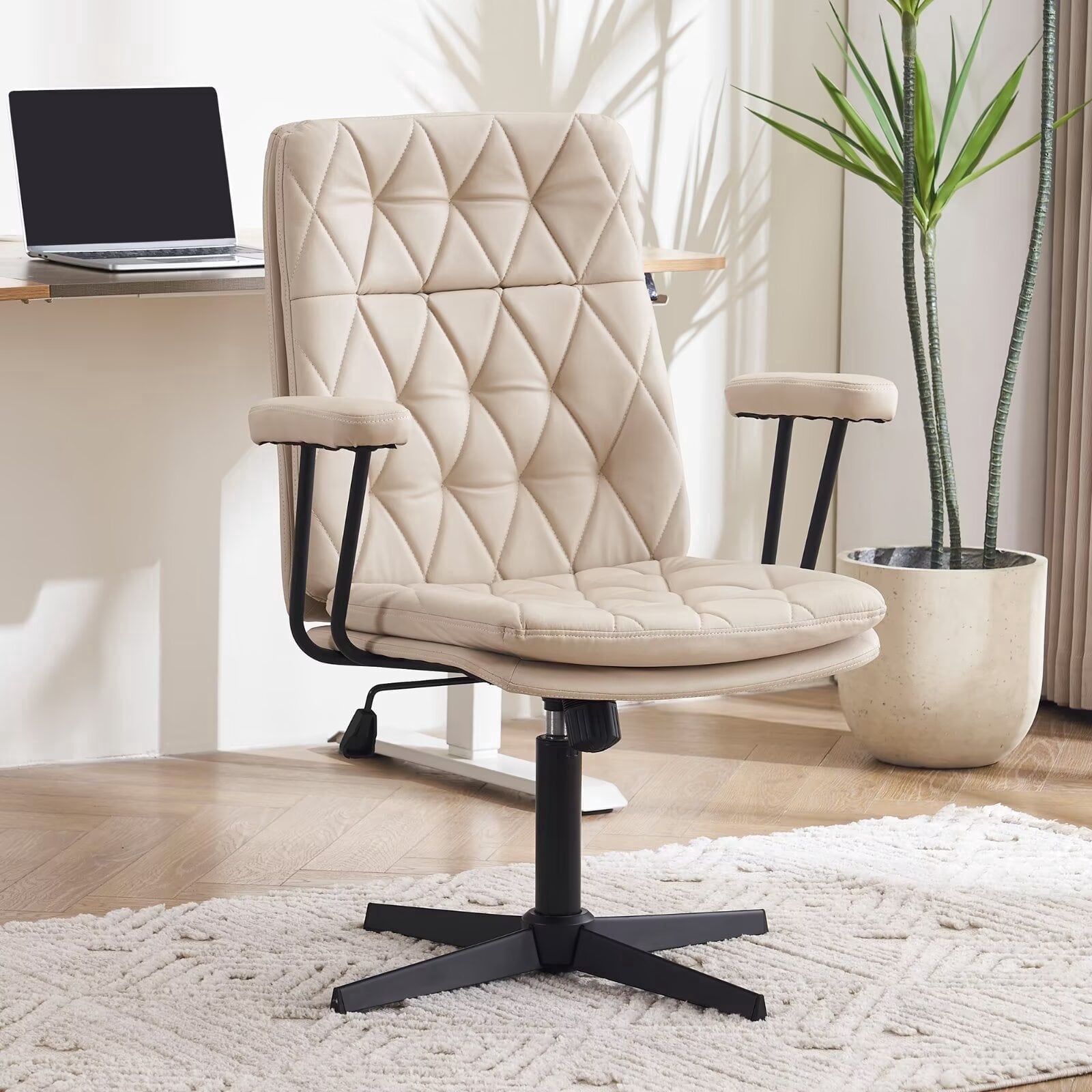
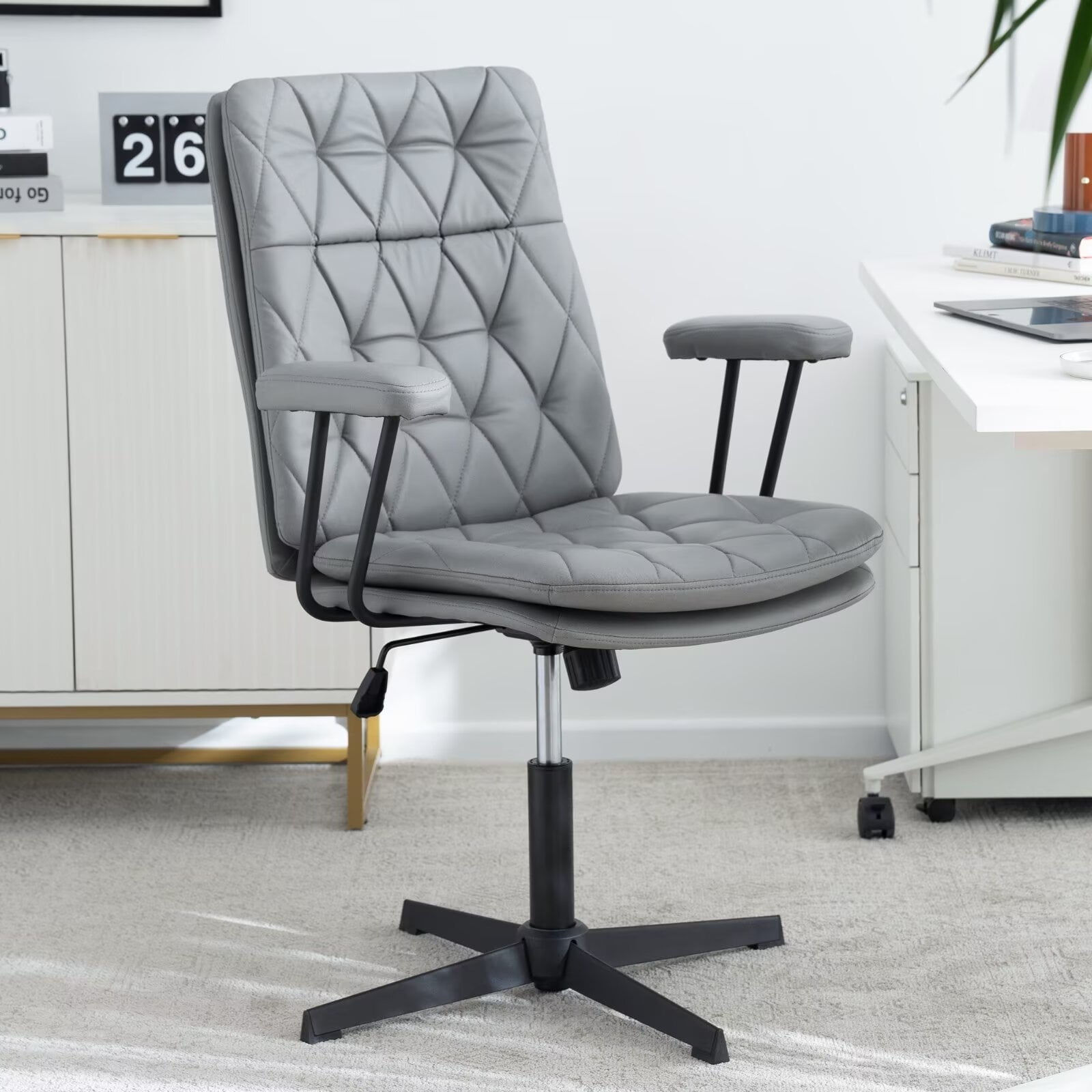
- Multi-Dimensional Armrests: 4D adjustable armrests (height, width, pivot, depth) to support elbows and reduce shoulder strain.
- Seat Depth Adjustment: Allows users of varying heights to achieve proper thigh support without pressure behind the knees.
- Recline with Tension Control: Even stationary chairs offer controlled recline mechanisms with lockable positions for active sitting and micro-movements.
Key Benefits: Beyond Just Sitting Still
🎯 Laser Focus
Without rolling casters, your body stays centered. This reduces subconscious corrections, letting you immerse in deep work for longer periods.
🦵 Reduced Lower Body Fatigue
Fixed base encourages proper foot placement on the floor, promoting better circulation and reducing leg fatigue compared to chairs that encourage constant repositioning.
🏛️ Professional Aesthetic
Sleek, stable designs convey authority and permanence. Ideal for executive suites, home offices, or client-facing environments.
🛡️ Superior Durability
Fewer moving parts (no casters, less complex swivel mechanisms) often result in longer lifespan and higher weight capacities, typically 350–500 lbs.
Choosing Your Ideal Stationary Ergonomic Chair: A Structured Approach
Investing in a stationary chair requires careful consideration of your body, workflow, and environment. Use this framework to guide your selection:
Step 1: Analyze Your Work Habits
- Task Type: If you perform precision tasks (e.g., drafting, data analysis), a stationary chair eliminates unwanted drift.
- Duration: For 8+ hour sessions, prioritize waterfall seat edge and dynamic lumbar support.
- Desk Compatibility: Measure your desk height; stationary chairs often have pneumatic height adjustment but need a proper match.
Step 2: Evaluate Ergonomic Adjustability
Step 3: Material & Construction Quality
Because stationary chairs lack casters, the base must be exceptionally stable. Look for:
- Steel or solid aluminum base with non-marking leveling glides
- Class 4 gas lift for height adjustment (rated for heavy use)
- High-density foam (4–6 lb density) for seat longevity
- Upholstery: breathable mesh for warm climates, premium leather for traditional offices, or performance fabric for balanced comfort
Material Deep-Dive: What Lasts and What Serves Your Comfort
🪑 Mesh Back Stationary Chairs
- Pros: Exceptional breathability, modern appearance, lightweight, flexible support.
- Cons: May lack plush feel, require periodic cleaning to avoid dust accumulation.
- Ideal for: Warm climates, tech-forward offices, users who prefer firm back support.
🪑 Leather & Faux Leather
- Pros: Easy to wipe clean, professional look, durable full-grain leather ages gracefully.
- Cons: Can be warm, requires conditioning; faux leather may peel after years.
- Ideal for: Executive offices, traditional settings, easy maintenance.
🧵 Premium Fabric Upholstery
- Pros: Wide color options, soft texture, breathable, cost-effective.
- Cons: May stain more easily, requires periodic deep cleaning.
- Ideal for: Creative environments, home offices, those wanting a warm feel.
⚙️ Base & Frame Materials
- Steel base: Highest durability, heavier weight, supports up to 500 lbs.
- Aluminum: Lightweight, corrosion-resistant, premium aesthetic.
- Nylon composite: Affordable but may wear faster; avoid for heavy-duty use.
Health & Productivity Impact: Data-Backed Advantages
Switching to a stationary ergonomic chair isn’t just about aesthetics. Research highlights several quantifiable benefits:
- 43% reduction in mid-day fatigue due to consistent lumbar engagement (Ergonomics Journal, 2023).
- Reduced distraction: A fixed base eliminates "chair drift," helping users maintain a neutral spine position 19% longer compared to wheeled chairs.
- Enhanced executive presence: In client meetings, a stationary chair conveys stability and confidence, improving perceived authority.
Pro Tip: Pair your stationary ergonomic office chair with a height-adjustable desk. This combination allows you to switch between sitting and standing while maintaining the stability benefits of a fixed base. Look for chairs with a gas lift that can quickly adapt to desk height changes.
Frequently Asked Questions About Stationary Ergonomic Office Chairs
Conclusion: Elevate Your Workspace with Stationary Stability
Selecting a stationary ergonomic office chair is a strategic decision for professionals who value posture, focus, and longevity. Unlike traditional rolling chairs, a fixed-base chair eliminates distraction, anchors your workflow, and offers robust ergonomic features that protect your musculoskeletal health for years.
Ultimately, the best stationary ergonomic office chair aligns with your body dimensions, work style, and aesthetic preferences. By prioritizing adjustability and build quality, you invest in a tool that enhances both productivity and well-being.