

Why Standard Office Chairs Fail During Extended Sitting Sessions
Many standard desk chairs are designed for occasional use — perfect for a few hours but inadequate for full workdays. When you sit for prolonged periods without proper support, your body compensates with poor posture, leading to fatigue, back pain, and reduced productivity. The most comfortable home office chair for long hours bridges the gap between luxury and medical-grade ergonomics, actively promoting healthy spinal alignment and sustained energy.
Research Insight: According to a 2024 ergonomics study, workers using purpose-built ergonomic chairs reported 58% less lower back discomfort and a 22% increase in task focus compared to generic office seating. The key differentiators were dynamic lumbar support, seat depth adjustability, and breathable materials.
Anatomy of All-Day Comfort: Critical Components
To endure long hours without discomfort, a chair must act like a second skin. Let's break down the non-negotiable features.
- Dynamic Lumbar Support: Not just a foam bump—true support that adjusts in height and depth to cradle your lower spine's natural curve.
- Seat Depth & Width: A seat pan that moves forward/backward (depth adjustment) ensures 2-3 fingers of space between knees and seat edge, preventing circulation cutoff.
- Multi-Directional Armrests (4D): Arms that pivot, slide, lift, and rotate allow you to rest elbows without hunching shoulders—essential for typing or phone calls.
- High-Density Foam or Air-Weave Mesh: Materials that resist sagging and retain shape for years while providing pressure distribution.
- Recline Tension & Locking: A synchronized tilt mechanism that lets you lean back while keeping feet planted, reducing static muscle fatigue.
Material Face-Off: Mesh vs. Fabric vs. Leather for Endurance
Choosing the right upholstery dramatically influences long-term comfort. Here's how they compare for 10-hour days:
✔ Breathable Mesh
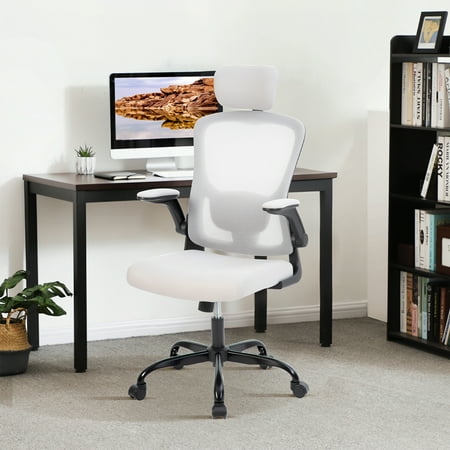
- Superior airflow prevents sweat and overheating
- Self-adapting tension for varied body shapes
- Ideal for hot climates or active sitters
- Typically lower maintenance
✔ Premium Fabric / Microfiber
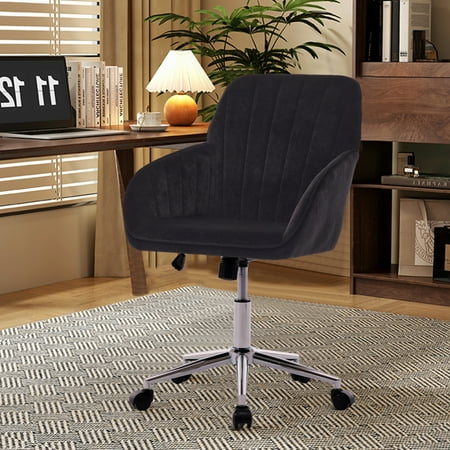
- Soft, cozy feel; good heat retention for cool offices
- Often more affordable than leather
- Stain-resistant treatments available
- Requires occasional professional cleaning
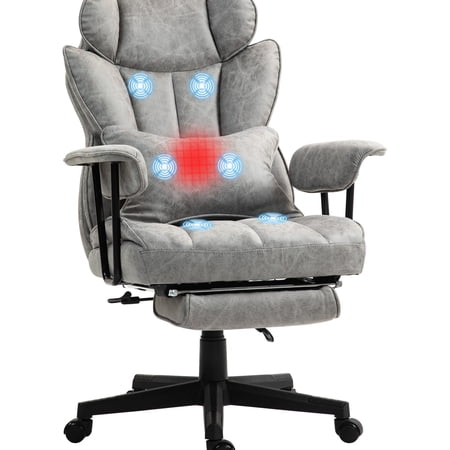
Leather (top-grain or genuine): Offers a classic look and durability but can trap heat unless perforated. For long hours, choose chairs with cooling gel-infused foam or ventilated leather panels.
The Science of Seat Ergonomics: Posture and Productivity
When your body is aligned correctly, your mind stays sharper. The most comfortable home office chair for long hours should promote a neutral posture—hips slightly higher than knees, ears aligned with shoulders, and lumbar curve filled. Features like independent back angle and seat tilt help distribute pressure across the thighs and glutes, reducing the risk of sciatica or hip tightness.
⏱️ Fatigue Reduction
Continuous micro-adjustments keep muscles active, preventing stiffness after 6+ hours.
🧠 Cognitive Clarity
Comfort reduces sensory distractions, improving concentration and decision-making speed.
🦵 Circulation Support
Waterfall seat edge and adjustable depth eliminate pressure behind the knees.
💪 Spinal Longevity
Dynamic lumbar encourages healthy disc hydration and reduces cumulative strain.
How To Select The Perfect Long-Hours Chair: Step-by-Step Methodology
Step 1: Define Your Sitting Profile
- Task duration: 8–10 hours straight vs. intermittent with breaks
- Body metrics: Height, weight, torso length, and any existing back conditions
- Workspace setup: Standing desk compatibility, desk height, monitor arrangement
Step 2: Prioritize Adjustability Range
More adjustability = more personalized comfort. Non-negotiable adjustments:
Step 3: Evaluate Long-Term Durability
Look for chairs certified by BIFMA (Business and Institutional Furniture Manufacturers Association). The gas lift should be Class 4, base material steel or reinforced aluminum, and casters rated for hardwood/carpet. Warranty length (10+ years for frame) is a strong indicator of quality.
Step 4: Match Your Climate & Aesthetic
If your home office tends to be warm, prioritize mesh backs or perforated materials. For colder environments, fabric or high-quality leather may provide added comfort. Ensure the design complements your existing decor while prioritizing ergonomics over pure style.
Budget Considerations for Long-Hour Chairs
Essential
Basic ergonomics, decent foam, 2D armrests. Good for 4–6 hour sessions.
Performance
Full adjustability, premium foam/mesh, 4D arms, 10+ hour comfort.
Executive Plus
Luxury materials, advanced ergonomic mechanisms, exceptional build, 12-year warranties.
Smart Investment Tip: A high-quality ergonomic chair that lasts a decade costs roughly $0.30–$0.50 per day of use — a fraction of the cost of chiropractic visits or lost productivity due to discomfort.
Frequently Asked Questions About Long-Hour Office Chairs
Conclusion: Invest In Your Longest-Hour Partner
Your home office chair is not merely furniture—it is the foundation of your workday stamina and physical well-being. Selecting the most comfortable home office chair for long hours requires balancing adjustability, material quality, and ergonomic design. By prioritizing features like dynamic lumbar, seat depth, and breathable upholstery, you create an environment where focus flourishes and discomfort fades.
Prioritize chairs with 4D armrests and adjustable lumbar to adapt to varied tasks from typing to virtual meetings.
Full-mesh back and seat are unbeatable for airflow, preventing sweat accumulation and ensuring comfort even after 10 hours.
Opt for premium leather or high-end fabric with a polished aesthetic and a robust warranty that covers daily intensive use.
Ultimately, the best chair is the one that disappears under you—allowing you to focus on your work, not your back. Use the guidelines above to make an informed choice and reclaim your productive, pain-free workday.