
Why Your Home Office Needs a True Ergonomic Chair
Working remotely has blurred the lines between professional and personal spaces. But one boundary should remain firm: the quality of your seating. A premium ergonomic office chair for home is not just a piece of furniture — it's a health investment that pays dividends in focus, energy, and long-term physical well-being.
Study insight: According to the Journal of Physical Therapy Science, individuals using properly adjusted ergonomic chairs reported a 58% decrease in upper back and neck discomfort after just 4 weeks. With remote work becoming permanent for millions, selecting the right chair is essential.
Anatomy of a Perfect Ergonomic Home Office Chair
Unlike traditional office chairs, ergonomic models are engineered to support your body's natural movements. Let's break down the critical components that separate a "good" chair from a "life-changing" one.
🔧 Dynamic Lumbar Support
Look for chairs with adjustable lumbar that moves with you. Active or spring-loaded lumbar keeps constant contact with your lower back, preventing slouching during long meetings or deep-focus sessions.
📏 Seat Depth & Height Range
A proper seat pan should allow 2-4 fingers between the back of your knees and the seat edge. Height range must accommodate your desk — aim for cylinders offering at least 4-5 inches of adjustment.
🔄 Multi-Dimensional Armrests
Height-adjustable armrests are standard. Premium ergonomic chairs go further with width, pivot, and depth adjustments to keep shoulders relaxed and wrists neutral while typing.
⚙️ Recline & Tilt Mechanism
Synchronous tilt allows the seat and back to move together, keeping your feet grounded while reclining. This encourages micro-movements that nourish spinal discs and reduce fatigue.
Material Matters: Mesh vs. Fabric vs. Leather for Home Use
Choosing the right upholstery affects both comfort and durability, especially in a home environment where you might spend 8–10 hours daily.
Ideal for warmer climates or active users. Mesh allows constant airflow, reducing sweat and heat buildup. High-quality mesh retains shape for years and provides firm, even support.
Creates a cozy, warm feeling — perfect for home offices that double as a creative space. Modern performance fabrics resist stains and pilling, offering a balance between comfort and longevity.
Exudes sophistication and easy to wipe clean. Genuine leather develops a beautiful patina; high-end PU leather offers a similar look with lower maintenance. May retain heat without proper ventilation.
Step-by-Step Ergonomic Setup for Your Home Desk
Even the best ergonomic office chair for home can't help if it's not adjusted correctly. Follow this checklist to dial in your ideal setup:
Health Benefits: Beyond Just Comfort
Investing in a genuine ergonomic chair for your home office yields measurable health improvements that directly influence work performance:
- Reduced spinal compression: Dynamic seating keeps discs hydrated and minimizes the risk of herniations.
- Improved circulation: Waterfall seat edges and proper seat depth prevent blood pooling in legs.
- Decreased shoulder tension: Adjustable armrests take load off the trapezius muscles, preventing chronic tightness.
- Enhanced focus: When your body isn't distracted by discomfort, cognitive performance can improve by up to 25% according to ergonomics studies.
Who Benefits Most from an Ergonomic Home Office Chair?
While anyone working from home will notice improvements, certain groups see transformative results:
- Remote professionals: Those logging 30+ hours/week at a home desk need sustained support that conventional chairs can't offer.
- Hybrid workers: Switching between office and home setups requires consistency — having an ergonomic chair both places reduces adaptation stress.
- Freelancers & entrepreneurs: Your workspace reflects your brand. An ergonomic chair also signals professionalism during video calls.
- Individuals with chronic pain: Proper lumbar support and seat adjustability can alleviate symptoms of sciatica, arthritis, and previous injuries.
Long-Term Value: Why Cheap Chairs Cost More
A budget-friendly task chair might seem appealing, but the hidden costs — frequent replacements, medical visits, and lost productivity — quickly outweigh the initial savings. High-quality ergonomic office chairs for home typically last 8–12 years, making the per-year cost significantly lower than buying a new low-end chair every 2–3 years. Additionally, many premium models include extended warranties (10–12 years on frames), giving you peace of mind.
Top Features to Prioritize When Shopping
With countless models on the market, focus on these non-negotiable elements to ensure you get a true ergonomic chair:
- Adjustable lumbar (height & depth): Fixed lumbar bulges rarely fit everyone. Seek independent lumbar adjustment.
- Seat pan slider: Allows you to modify depth without changing height — essential for varying leg lengths.
- 3D or 4D armrests: The more dimensions, the better you can fine-tune for your desk activities.
- Weight capacity: Look for chairs rated for at least 275 lbs to ensure robust construction, even if you weigh less.
- Breathable back material: Especially for home offices without central air, mesh or ventilated fabric prevents overheating.
Frequently Asked Questions About Ergonomic Office Chairs for Home
Conclusion: Elevate Your Home Office with the Right Ergonomic Chair
Choosing the ideal ergonomic office chair for home is one of the most impactful decisions for your remote work setup. It directly influences your daily comfort, long-term musculoskeletal health, and professional output. By prioritizing adjustable lumbar, multi-dimensional armrests, seat depth, and quality materials, you create a workspace that supports you — not the other way around.
Remember: no single chair fits everyone perfectly. Take advantage of trial periods, test adjustability ranges, and consider your home environment (temperature, flooring, desk height). A well-selected ergonomic chair pays for itself through years of pain-free productivity.
Final Checklist for Buyers
- ✔️ Adjustable lumbar support (active or spring-loaded preferred)
- ✔️ Seat depth adjustment (at least 2 inches of travel)
- ✔️ Multi-directional armrests (height, width, pivot)
- ✔️ Breathable back material suitable for your climate
- ✔️ Warranty covering at least 5 years for components, 10 years for frame
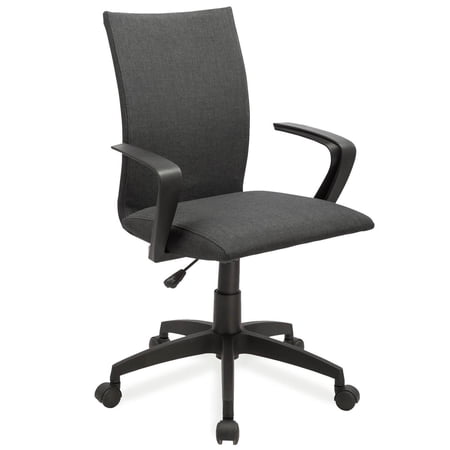
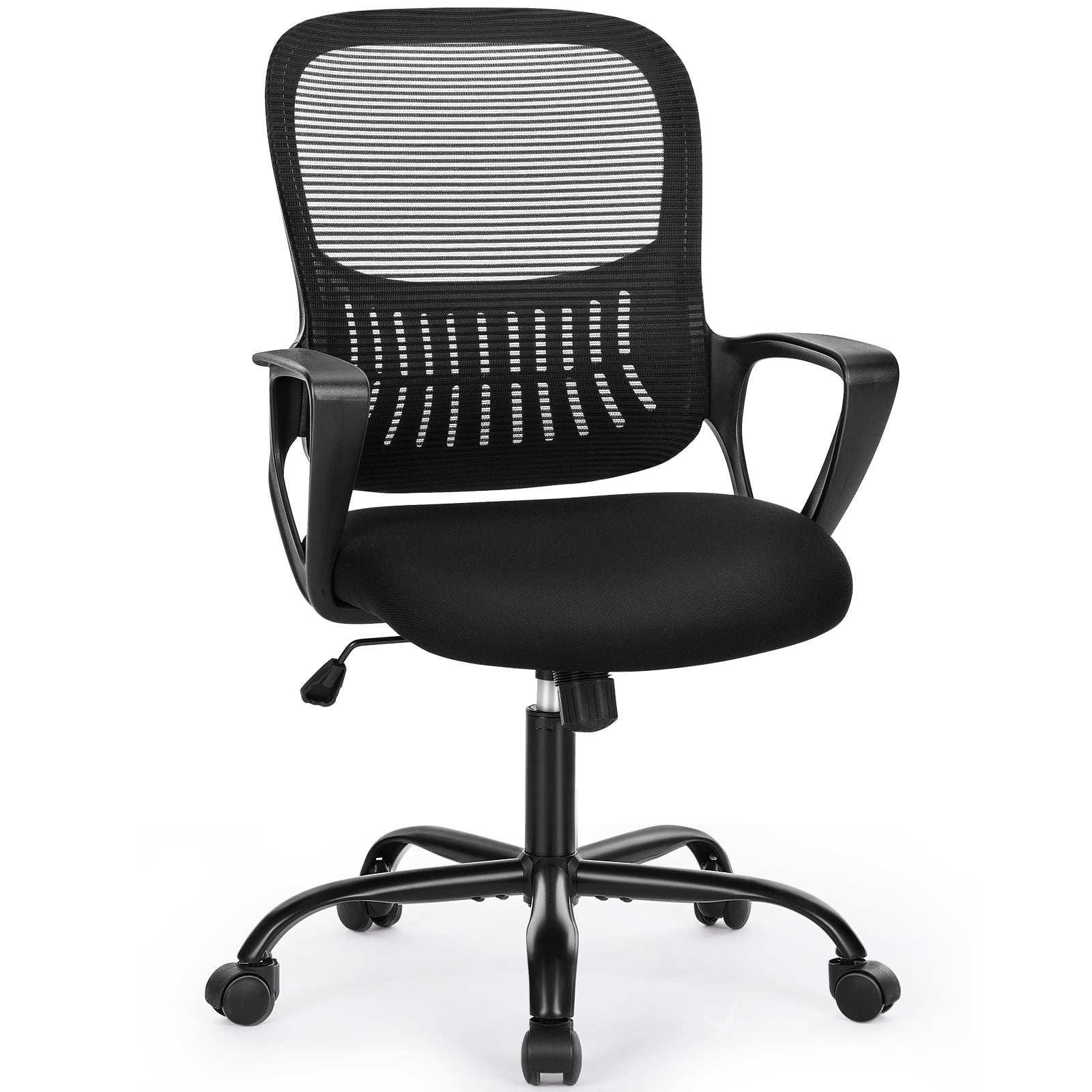
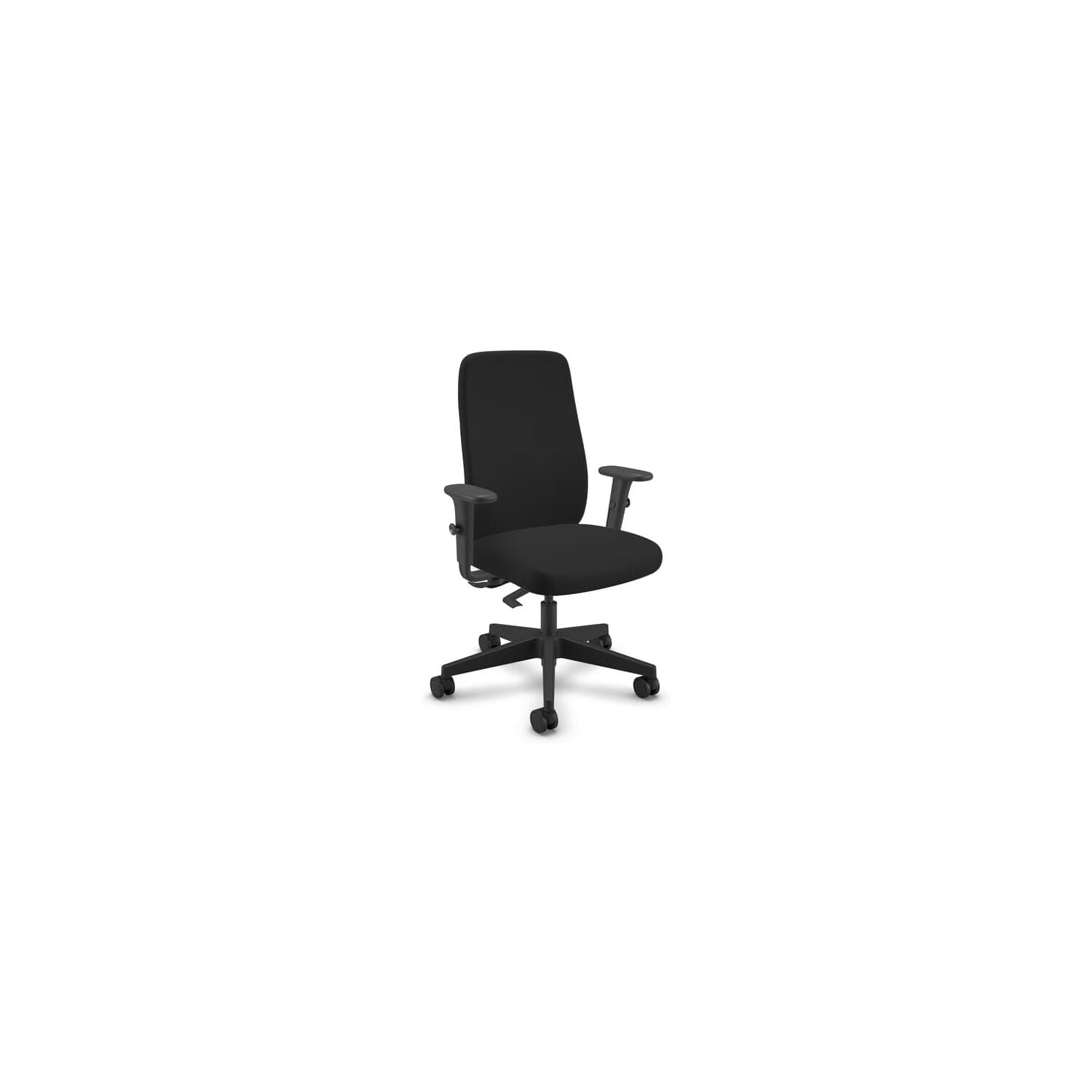
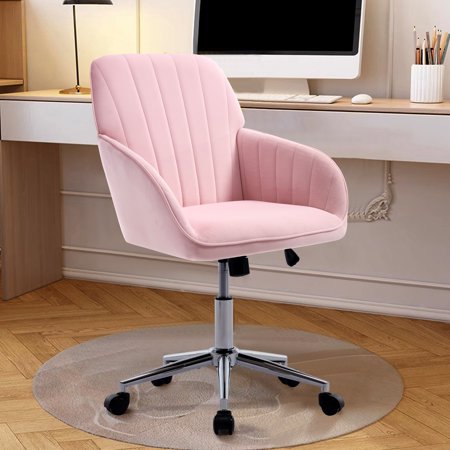
Browse the curated products above — each selected for its ergonomic credentials and home-office suitability — and take the first step toward a healthier, more productive work-from-home life.