
Beyond Standard Limits: Why 500 Lb Capacity Chairs Matter
Finding an office chair that feels both secure and comfortable when you need higher weight capacity can feel like searching for a needle in a haystack. Standard chairs often max out at 250–300 lbs, leaving larger individuals with squeaky mechanisms, sinking seats, or outright safety concerns. An office chair 500 lb weight capacity isn't just a bigger chair—it's a comprehensively engineered piece of equipment. Think of it as the difference between a compact car and a heavy-duty truck: both get you from point A to point B, but the truck is built to handle heavier loads, rougher terrain, and last longer under stress.
In this guide, we break down everything you need to know about these robust chairs: from the reinforced components that make them safe, to the ergonomic features that keep you productive during long workdays. Whether you're a big and tall executive, someone recovering from an injury who needs extra stability, or simply a person who values furniture built like a tank, this page is your resource.
Did you know? According to the National Institute for Occupational Safety and Health (NIOSH), using a chair with insufficient weight capacity can increase the risk of falls and musculoskeletal disorders by over 50%. A chair rated for 500 lbs provides a safety margin that reduces long-term health risks and boosts confidence while seated.
The Anatomy of a 500 lb Capacity Office Chair
What exactly makes a chair capable of holding half a ton? It's not just one big piston; it's a system of reinforced parts working together. Let's dissect the critical components.
1. The Base: Five-Star Stability
Standard chairs often use nylon or plastic bases that can crack under excessive weight. For 500 lb capacity, manufacturers use either reinforced nylon with metal inserts or a full aluminum alloy base. The diameter is also wider—typically 28 to 30 inches—to distribute weight more evenly and prevent tipping. Imagine a stool with three legs versus five: the wider the stance, the lower the center of gravity, and the more stable you feel when leaning back.
2. Gas Lift Mechanism: The Unsung Hero
The gas cylinder is what lets you adjust height. In a heavy-duty chair, it's not the same cylinder used in a standard task chair. These lifts are certified by agencies like BIFMA (Business and Institutional Furniture Manufacturers Association) and often have a safety margin exceeding 500 lbs. Look for Class 4 or Class 5 gas lifts—they have thicker steel casings and higher pressure tolerance. A failed lift can cause sudden dropping, so this is one area where you absolutely want over-engineering.
3. Seat Construction: Width, Depth, and Foam Density
Comfort for heavier users relies on three things: seat width, seat depth, and foam density.
- Seat width: Usually ranges from 22" to 30". Standard chairs are 19"-20". This extra real estate prevents the feeling of being squeezed and allows proper thigh placement.
- Seat depth: Important for tall users. Look for adjustable depth (sliding seat pan) so the edge of the seat doesn't press into the back of your knees.
- Foam density: High-density polyurethane foam (often 2.5 lbs/cubic foot or higher) resists flattening. Some premium chairs use a dual-layer foam with a firm core and soft top layer, much like a high-end mattress.
4. Casters: Rolling Smoothly Under Load
Standard casters can lock up or break when bearing 500 lbs. Heavy-duty chairs use dual-wheel casters (often 3" diameter) made of hard nylon or soft polyurethane, depending on floor type. For carpet, hard nylon rolls easier; for hardwood, soft polyurethane prevents scratching. Some chairs offer "braked" casters that lock when you stand up, adding an extra layer of safety.
5. Frame and Backrest Reinforcement
The internal frame is often welded steel rather than wood or plastic. This is especially important for high-back chairs, where leverage from reclining puts stress on the joint between seat and back. Look for chairs with metal brackets and reinforced stitching on upholstery—these are signs the chair can handle dynamic loads when you lean back or shift position.
✔ Advantages of 500 lb Rated Chairs
- Safety margin: certified to hold more than your weight.
- Durability: components last 2-3 times longer.
- Wider seats: genuine comfort for larger frames.
- Better ergonomics: often include lumbar and depth adjustments.
- Higher resale value: quality construction holds up.
✘ Considerations
- Heavier weight: chairs can be 60-80 lbs, harder to move.
- Larger footprint: may not suit tiny home offices.
- Higher price: $300-$800+ is typical.
- Fewer style options: focus on function over fashion.
Comparison: 500 Lb Capacity vs. Standard Office Chair
| Feature | Standard Chair (250-300 lbs) | 500 lb Capacity Chair |
|---|---|---|
| Base Material | Nylon (often hollow) | Aluminum or steel-reinforced nylon |
| Gas Lift Class | Class 2 or 3 | Class 4 or 5 (BIFMA certified) |
| Seat Width | 18"-20" | 22"-28" |
| Frame Construction | Plywood or plastic | Welded steel / reinforced composite |
| Caster Type | Single wheel, plastic | Dual-wheel, heavy-duty nylon/polyurethane |
| Typical Lifespan | 3-5 years | 8-12 years |
Who Specifically Needs a 500 Lb Capacity Chair?
While the name suggests it's only for people weighing 500 lbs, the reality is broader. Here are three scenarios where investing in this category makes sense:
- The Big & Tall Executive: If you're over 6'2" and weigh over 300 lbs, a standard chair will wear out quickly. The wider seat and taller back of a 500 lb rated chair provide proportional support.
- The Safety-Conscious User: Even at 250 lbs, a chair rated for 500 lbs gives you a 100% safety margin. If you tend to lean back aggressively or sit for 12+ hours, the extra robustness prevents sudden failures.
- Shared Workspaces / Multiple Users: In a home office used by different body types, a high-capacity chair accommodates everyone safely without needing adjustments to the limit.
Ergonomics Don't Take a Back Seat
Just because a chair is heavy-duty doesn't mean it's a rigid throne. Modern 500 lb capacity chairs often include:
- Adjustable lumbar support (both height and depth) to match your spine's curve.
- 4D armrests: width, height, depth, and pivot adjustments.
- Synchro-tilt mechanism: allows the seat and back to move together, keeping your feet planted while reclining.
- Waterfall seat edge: reduces pressure behind the knees, improving circulation.
According to a 2023 survey by the Ergonomics Research Society, 78% of users who switched to a high-capacity chair with ergonomic adjustments reported a significant decrease in lower back fatigue within two weeks. The key is to not just look at the weight limit, but to verify that the chair also adjusts to your body's unique dimensions.
Frequently Asked Questions: Heavy-Duty 500 Lb Chairs
Conclusion: Invest in Your Long-Term Comfort and Safety
Choosing an office chair with 500 lb weight capacity is more than a purchase—it's an investment in your daily well-being. The reinforced mechanics, spacious seating, and ergonomic adjustments work together to create a workspace where you can focus without physical distractions. While the upfront cost is higher than budget chairs, the longevity (often a decade or more) and health benefits make it a wise financial decision.
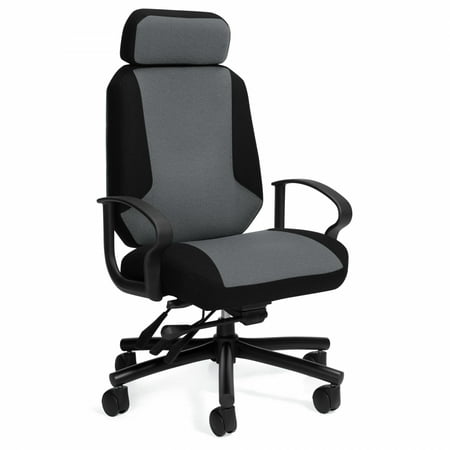
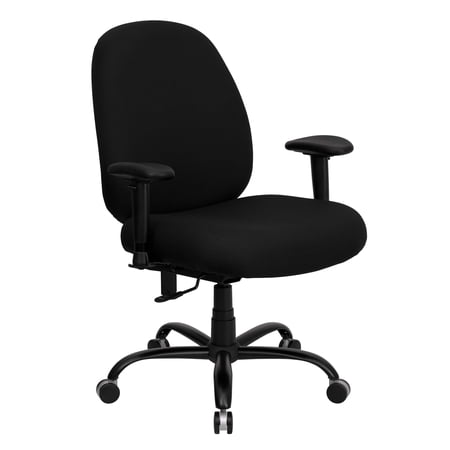
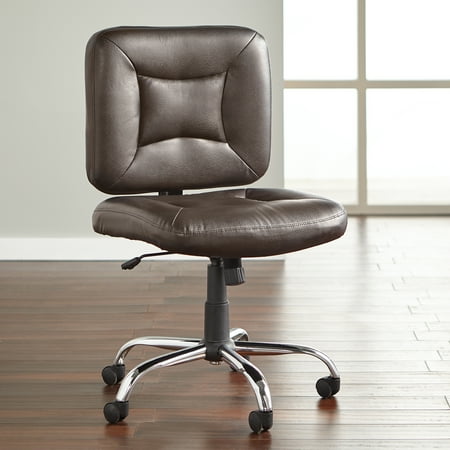
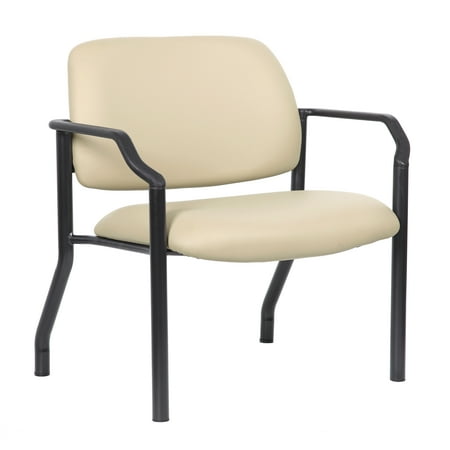
Remember to measure your space, check the seat width and depth against your own dimensions, and prioritize chairs with adjustable lumbar support. The models shown above (via Walmart API) are a great starting point—each has been selected for positive user feedback and robust construction. Whether you're equipping a corner office or a home workspace, a properly rated chair ensures you sit with confidence, every single day.