
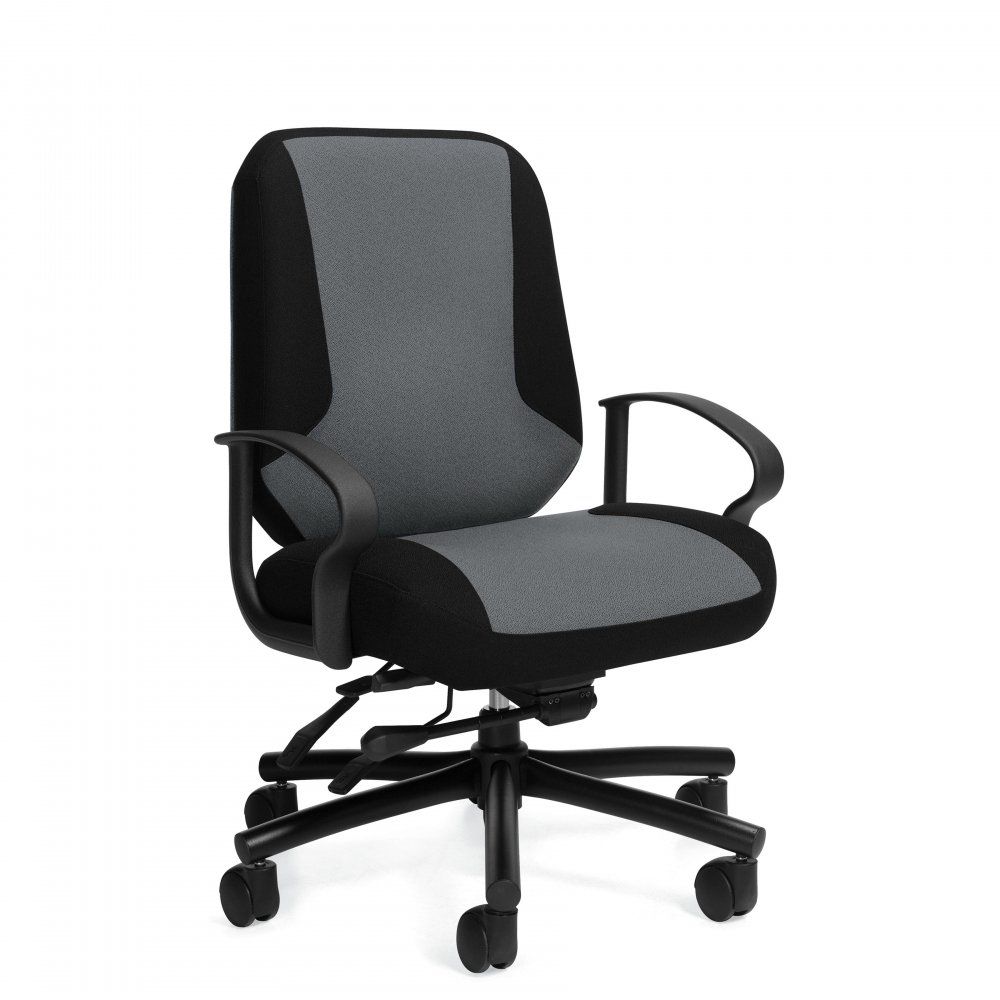

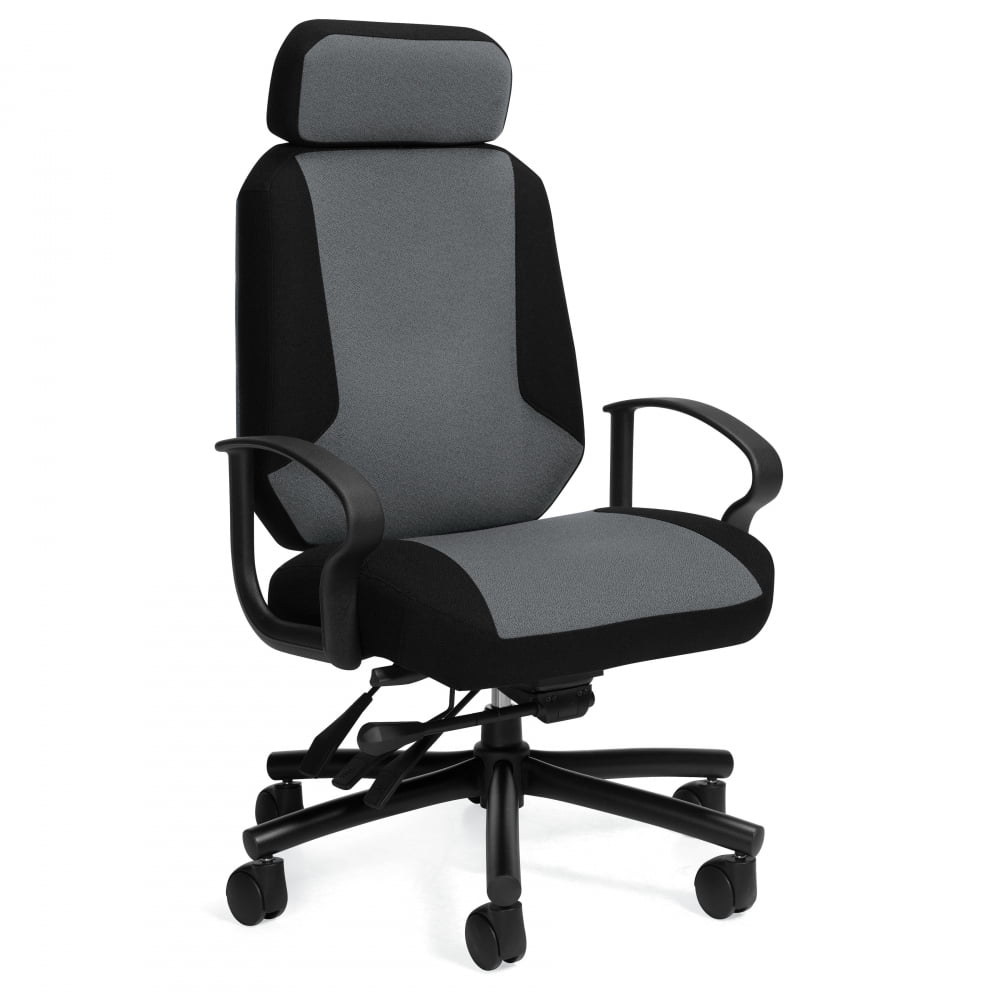
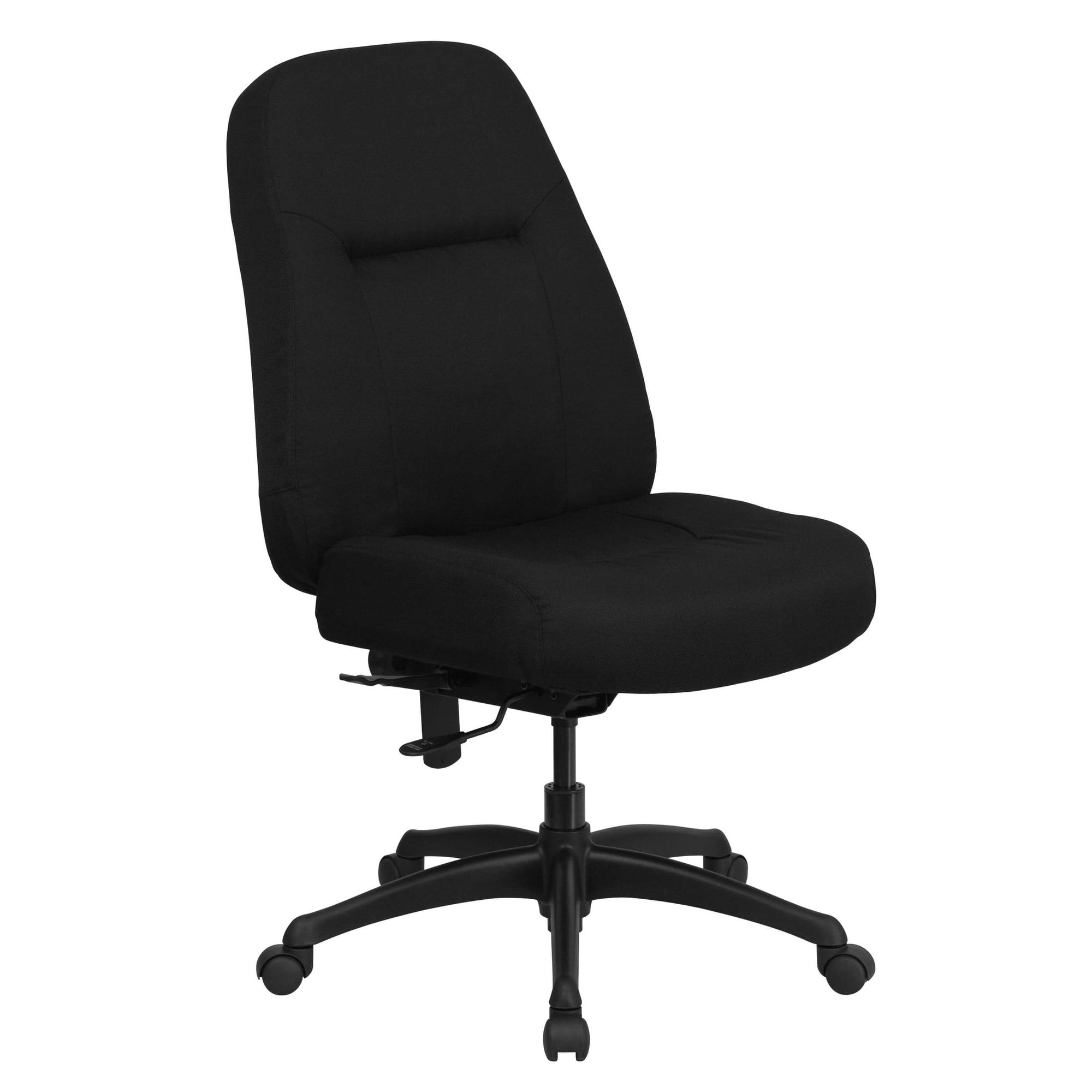
Why 500 lb Capacity Office Chairs Are Engineered Differently
Finding an office chair that properly supports your body while providing lasting comfort isn't just about weight ratings—it's about understanding how heavy-duty chairs are fundamentally different from standard office seating. A true 500 lb capacity office chair represents a completely different engineering philosophy compared to chairs rated for 250-300 pounds.
Engineering Reality: According to materials science research, chairs rated for 500 pounds undergo 3-4 times more stress testing than standard office chairs. The frame components alone are typically 40-60% thicker, and gas lift cylinders are tested to withstand 1,500-2,000 pounds before failure—a 4x safety margin that ensures reliability.
The Anatomy of Heavy-Duty Construction
When manufacturers build a chair with 500 lb capacity, every component must be upgraded. Here's what happens behind the scenes:
- Reinforced Steel Frames: Standard chairs use 1.5mm steel. 500 lb capacity chairs use 2.5-3.5mm cold-rolled steel with additional cross-bracing.
- Industrial-Grade Gas Lift: Class 4 or Class 5 gas cylinders rated for minimum 500 lbs continuous use, tested to 3x capacity.
- Wider Seating Platforms: Seat pans expand from standard 19-20 inches to 24-30 inches, distributing weight more evenly.
- Heavy-Duty Casters: 3-inch dual-wheel casters (versus standard 2-inch) with metal cores and soft rubber treads.
- Reinforced Mechanisms: Tilt mechanisms use hardened steel components with larger pivot points and bushings.
Understanding Weight Capacity Ratings
Not all "500 lb capacity" claims are created equal. Here's what the ratings actually mean and how manufacturers test them:
| Certification Level | Testing Protocol | Safety Margin | What It Means For You |
|---|---|---|---|
| BIFMA Certified | Industry standard testing with 225 lb static load | 2:1 minimum | Base certification, not sufficient for heavy-duty |
| Heavy-Duty Rated | Static load testing to 750-1,000 lbs | 1.5:1 to 2:1 | Valid for daily 500 lb use with safety buffer |
| Industrial Rated | Dynamic cycling with 500 lb load for 100,000+ cycles | 2:1 to 3:1 | Maximum durability for daily commercial use |
Key Features That Define Quality 500 lb Capacity Chairs
When shopping for a heavy-duty chair, these specific features separate quality investments from potential disappointments:
Seat Construction
- High-density foam (2.5-3.0 lb density minimum)
- Reinforced seat pan edges
- Waterfall front edge for circulation
- Minimum 4-inch seat cushion thickness
Base & Casters
- Nylon or aluminum alloy base
- Dual-wheel casters (3-inch minimum)
- Metal core wheels
- 360-degree swivel with heavy bearings
Back Support
- Height-adjustable lumbar
- Reinforced back frame
- High-back design (minimum 25 inches)
- Tilt tension adjustment
Armrests
- Wider armrest spacing (21+ inches)
- Steel-reinforced arms
- Padded width (3+ inches)
- Height and width adjustable options
The Health Impact of Proper Heavy-Duty Seating
Beyond comfort, a properly engineered 500 lb capacity office chair provides significant health benefits that standard chairs simply cannot deliver:
Pressure Distribution
Wider seats reduce peak pressure points by up to 35% compared to standard chairs
Spinal Alignment
Reinforced backs maintain proper posture without sagging or flexing
Joint Protection
Stable bases prevent wobbling that stresses knees and hips
Long-Term Durability
Components resist premature wear, maintaining support for years
Five Critical Questions Before Buying a 500 lb Capacity Chair
To ensure you select the right chair for your needs, ask yourself these questions:
- What's your primary use case? - Full-time daily office work requires different features than occasional home office use.
- How important is adjustability? - More adjustments mean better customization but higher cost and more potential failure points.
- What's your floor surface? - Hardwood floors need soft rubber casters; carpet needs harder wheels for easy rolling.
- Do you need a headrest? - If you're 6'2" or taller, a headrest becomes essential for proper neck support.
- What's your climate? - Hot environments favor breathable mesh; cooler offices may prefer leather or fabric.
Prolonging Your Chair's Lifespan
Even the most robust 500 lb capacity chair needs proper care. Here are maintenance tips that can extend its life by years:
- Clean upholstery monthly with appropriate cleaners (leather conditioner for leather, fabric cleaner for mesh/fabric)
- Check and tighten all bolts every 3-6 months—heavy use can loosen connections
- Lubricate moving parts annually with silicone spray
- Clean casters regularly to prevent hair and debris buildup
- Avoid leaning back excessively or sitting on armrests
Material Selection Guide for Heavy-Duty Chairs
Material choice significantly impacts both comfort and longevity in 500 lb capacity chairs:
| Material | Durability | Breathability | Maintenance | Best For |
|---|---|---|---|---|
| Premium Mesh | Good (5-7 years) | Excellent | Easy (vacuum) | All-day sitting, warm climates |
| Top-Grain Leather | Excellent (8-12 years) | Poor | Moderate (conditioning) | Executive offices, cool environments |
| Bonded Leather | Fair (3-5 years) | Poor | Easy (wipe clean) | Budget-conscious buyers |
| Heavy-Duty Fabric | Good (5-8 years) | Good | Moderate (spot clean) | Home offices, general use |
| Vinyl/Leatherette | Fair (3-4 years) | Poor | Very Easy | High-traffic areas, easy cleaning |