
The Quest for the Ultimate Seating Experience: What Makes a Chair the World's Most Comfortable?
We spend roughly one-third of our adult lives sitting, and for many professionals, that time is spent in an office chair. The quest for the "most comfortable office chair in the world" is not just a search for a piece of furniture; it's a search for a tool that supports our health, focus, and productivity. It's like finding the perfect pair of shoes—when you find the right one, you forget you're wearing them. But with so many options, from mesh backs to plush leather, where do you even begin? This guide is designed to navigate you through the nuances of true, all-day comfort, helping you identify the features that separate a good chair from a truly transcendent one.
The phrase "most comfortable" is, of course, subjective. A chair that feels like a cloud to one person might feel too soft and unsupportive to another. However, engineering, material science, and ergonomic research have converged to create chairs that consistently deliver a blissful seating experience for a wide range of body types. These chairs don't just feel good for the first five minutes; they are designed to provide sustained comfort and support for 8, 10, or even 12-hour workdays. Let's dive into the anatomy of these remarkable seats.
The "Comfort Triangle": Three Pillars of World-Class Seating
For a chair to even be considered for the title of "world's most comfortable," it must excel in three interconnected areas: Material Science, Ergonomic Synchronization, and Adaptive Suspension. Think of it as a three-legged stool—if one leg is weak, the entire experience collapses.
1. Material Science: Beyond Just Padding
The materials used are the first point of contact with your body. The world's best chairs utilize advanced foams and textiles that actively work to keep you comfortable.
- Cold-Cure Foam vs. Standard Polyurethane: Most budget chairs use standard foam that compresses and loses its shape within a year or two. This leads to the dreaded "bottoming out" feeling where you can feel the hard seat pan. In contrast, chairs vying for the top spot use cold-cure foam. This material is formed in a chemical reaction that creates a denser, more resilient cell structure. It provides a firm yet plush support that actively resists compression, meaning it will feel as good in year five as it did on day one. According to materials engineers, cold-cure foam can have a lifespan 3-4 times longer than standard foam.
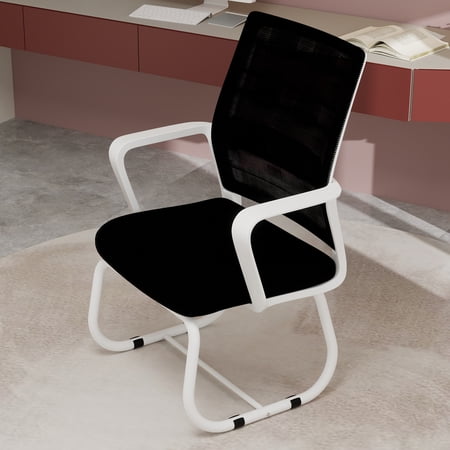
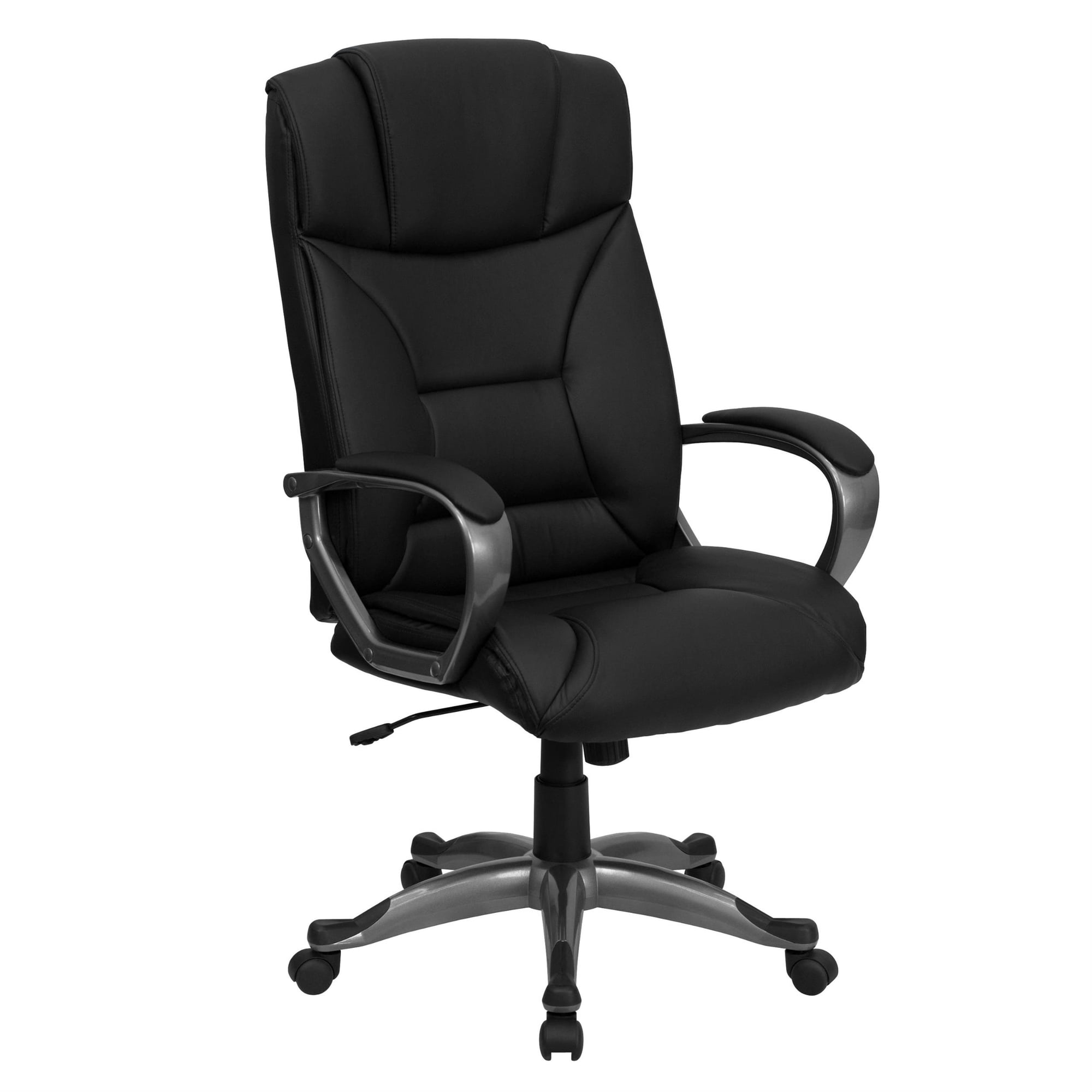
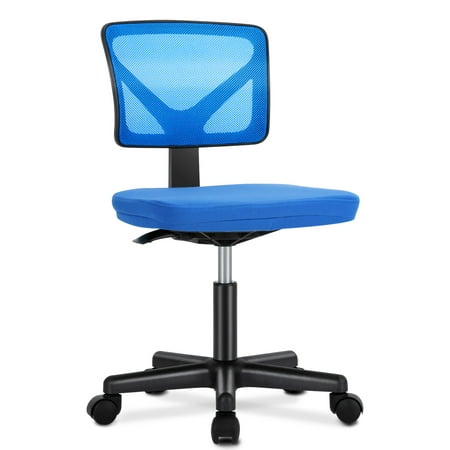
- Premium Upholstery: Leather vs. High-Tensile Mesh: The debate between leather and mesh is a classic one. High-end leather chairs use top-grain or full-grain leather that is breathable and softens over time, conforming to your body like a well-worn glove. On the other side, the most comfortable mesh chairs use a "suspension" mesh—a multi-layer, high-tensile fabric that stretches just enough to support your back while remaining incredibly breathable. It's the difference between a supportive hammock and a stiff plastic sheet.
- Memory Foam and Gel Infusions: Some of the most luxurious models integrate a top layer of memory foam or cooling gel into the seat cushion. This provides an initial "sink-in" comfort that cradles your contours while the denser foam base underneath provides the necessary support. It's like having a pillow-top mattress on a firm box spring.
2. Ergonomic Synchronization: The Chair Moves With You
A static "comfortable" position can quickly become painful. The world's best chairs feature mechanisms that promote and follow micro-movements throughout the day.
- Synchro-Tilt and Weight-Activated Mechanisms: Forget simple tilt locks. High-end chairs use synchro-tilt mechanisms where the back and seat move in a synchronized, ergonomically-optimized ratio (often 2:1 or 3:1). This keeps you supported whether you're leaning in to type or reclining back to think. The best ones, like those with weight-activated tension, automatically adjust the recline resistance based on your body weight—no knobs to fiddle with.
- 4D Armrests: These are the hallmark of a premium chair. "4D" means the armrests adjust in height, width, depth, and pivot angle. This allows you to position them so your shoulders are relaxed and your elbows are at a perfect 90-degree angle, preventing neck and shoulder strain. It's a small feature that makes a monumental difference in perceived comfort.
- Independent Lumbar Depth Adjustment: Most chairs offer lumbar height adjustment. The world's most comfortable chairs go a step further by offering lumbar depth adjustment. This allows you to dial in exactly how much the support pushes into the small of your back, accommodating different spinal curvatures and preferences. This feature alone can eliminate back fatigue for many users.
3. Adaptive Suspension: The Seat Pan and Backrest
How the chair's structure adapts to your body is the final piece of the puzzle. This is about creating a "custom-fit" feel.
- Waterfall Seat Edge: A simple but critical design feature. The front edge of the seat pan curves gently downward. This prevents pressure on the back of your thighs, ensuring proper blood circulation to your legs and feet. A sharp, flat seat edge is a common source of discomfort in lesser chairs.
- Adjustable Seat Depth: Also known as a sliding seat pan. This allows you to adjust the length of the seat so you can sit with your back fully against the lumbar support while leaving 2-3 finger widths of space between the back of your knee and the seat edge. This ensures proper leg support for people of all heights.
- Multi-Layer Backrests: Instead of a single piece of foam or mesh, top-tier chairs often have backrests with multiple zones of firmness. For example, the lumbar area might be firmer for support, while the thoracic area (mid-back) is softer for comfort, and the shoulder area might have a flexible frame that moves with your shoulder blades as you move.
Frequently Asked Questions About the World's Most Comfortable Chairs
Conclusion: Your Personal Throne Awaits
The search for the most comfortable office chair in the world is a deeply personal journey, but it's a journey guided by science and design. By understanding the principles of the "Comfort Triangle"—superior materials, ergonomic synchronization, and adaptive suspension—you are now equipped to look beyond marketing claims and evaluate what truly matters. A chair is not just a place to sit; it's the foundation of your workday. Investing in a chair that excels in these areas is an investment in your physical well-being, mental focus, and long-term productivity. Whether you find your perfect match in the plush embrace of premium leather or the breathable support of high-tensile mesh, know that the perfect seat is out there, waiting to make your 9-to-5 (or longer) feel a whole lot better.