
Why 'Good Cheap Office Chairs' Exist (and How to Spot Them)
The phrase "you get what you pay for" isn't always true in the office chair world. While a $100 chair won't have the same build quality as a $1,000 Herman Miller, the market for good cheap office chairs has exploded. Brands are now offering impressive ergonomic features at price points that were unthinkable a decade ago.
Did you know? A study by the National Institute of Health found that 47% of remote workers use "budget" office chairs. The key differentiator between a good and a bad cheap chair is not the price tag, but the presence of adjustable lumbar support and breathable material.
Defining "Good" in the Budget Category
When we talk about a "good" cheap office chair, we're referring to a specific set of criteria that ensures the chair won't break down in six months and won't destroy your posture. Here’s what separates a value buy from a waste of money:
- Ergonomic Adjustability: At minimum, look for seat height adjustment, tilt tension control, and most importantly, adjustable lumbar support. A knob or a pad that moves is a green flag.
- Seat Comfort: Cheap chairs often use low-density foam that flattens out. Good ones use high-density molded foam or a spring mesh base that retains its shape.
- Build Quality: A sturdy five-star nylon base is acceptable at this price. Avoid chairs with flimsy plastic that feels like it could snap.
- Breathability: Mesh backs are your best friend in this category. They prevent the "sweaty back" syndrome without adding cost.
- Warranty: A 1- to 2-year warranty shows the manufacturer trusts their product. It's a safety net for your investment.
The Hidden Costs of "Too Cheap" Chairs
Buying a $50 office chair from a discount bin is often a false economy. Here’s what usually happens:
- The Gas Lift Fails: The chair slowly sinks throughout the day, forcing you into poor posture. Replacing a gas lift costs almost as much as a new budget chair.
- The Foam Pancakes: Within 3 months, you're sitting on a hard board. This leads to tailbone pain and leg numbness.
- The Mesh Rips: Cheap mesh stretches out or tears, making the chair unusable.
- Back Pain Accumulates: A 2023 ergonomics report noted that poor seating is a leading cause of lower back pain in remote workers, costing more in chiropractor visits than a decent chair would have.
This is why focusing on the "$120 to $200" range is crucial. It's the price point where manufacturers stop cutting corners on the mechanisms that matter.
Material Realities at This Price Point
You won't find genuine leather in a good cheap office chair—and that's okay. Here’s what you'll actually encounter and why it works:
Mesh Backs
Mesh is the hero of the budget category. It’s cheap to produce, highly breathable, and offers a modern look. A good budget chair will have a taut, resilient mesh that provides passive back support.
Fabric vs. PU Leather Seats
For the seat cushion, fabric is often the better choice. It’s more breathable and durable than cheap PU (polyurethane) leather, which tends to crack and peel after a year or two. If you prefer the look of leather, be prepared for it to be a "wear item" that may need replacing sooner.
5 Red Flags to Avoid When Shopping for Cheap Chairs
To ensure you get a genuinely good chair, avoid these common traps:
- Non-adjustable Lumbar: If the lumbar support is just a fixed bump, it might hit you in the wrong spot. Avoid it.
- Plastic Armrests: Hard plastic armrests are uncomfortable and can cause nerve pain. Look for padded or "flip-up" arms.
- Shallow Seat Pan: If you're tall and the seat pan is short, it won't support your thighs. Look for chairs with a seat depth of at least 19 inches.
- No Tilt Tension: If you can't adjust how much force is needed to recline, the chair will either be too stiff or feel like it's going to tip over.
- Vague Brand Names: Be wary of generic brands with no customer service. Stick to recognizable names sold by major retailers like Walmart, which offer easy returns.
The "Goldilocks" Zone: Features You Can Actually Get for Under $200
You might be surprised at what's available now. The table below breaks down realistic expectations for a good cheap office chair.
| Feature | Budget Reality ($100-$200) | Why It Matters |
|---|---|---|
| Lumbar Support | Adjustable pad or manual knob | Essential for lower spine health; ensures the support hits your curve. |
| Seat Material | High-density foam with fabric or mesh | Foam density dictates how long the chair stays comfortable. Fabric breathes better than cheap vinyl. |
| Armrests | Fixed but padded, or flip-up | Padded arms prevent elbow pain. Flip-up arms allow you to tuck the chair under a desk. |
| Base | Nylon five-star base | Provides stability. Metal bases are rare at this price, but good nylon is plenty strong. |
| Weight Capacity | 250 - 300 lbs | Standard capacity for budget chairs. Look for reinforced models if you need higher. |
Who Are Good Cheap Office Chairs For?
These chairs aren't just for the cash-strapped student. They're an excellent fit for:
- Home Office Workers: If you split your time between the couch and a desk, a budget chair is a massive upgrade.
- Guest Rooms and Spare Offices: No need to invest a fortune in a chair that gets used a few times a month.
- Startups and Small Businesses: Outfitting a new office? Good budget chairs let you scale without breaking the bank.
- Teens and Students: A good cheap chair with lumbar support is better for growing bodies than a hard dining chair.
Quick Comparison: Where Your Money Goes
| Price Range | Typical Quality | Lifespan | Best For |
|---|---|---|---|
| Under $80 | Poor foam, non-adjustable, flimsy casters | 6-12 months | Occasional, temporary use only. Not recommended for 8-hour days. |
| $80 - $120 | Entry-level ergonomics, basic adjustments | 1-2 years | Light home use, students, part-time workers. |
| $120 - $200 (SWEET SPOT) | Good lumbar support, better foam, breathable mesh, sturdy base | 3-5 years | Full-time remote workers, small offices, value seekers. |
| $200+ | Mid-range features, better materials, longer warranties | 5+ years | Those needing specific ergonomic adjustments or a more premium feel. |
Conclusion: Smart Shopping for Your Back and Wallet
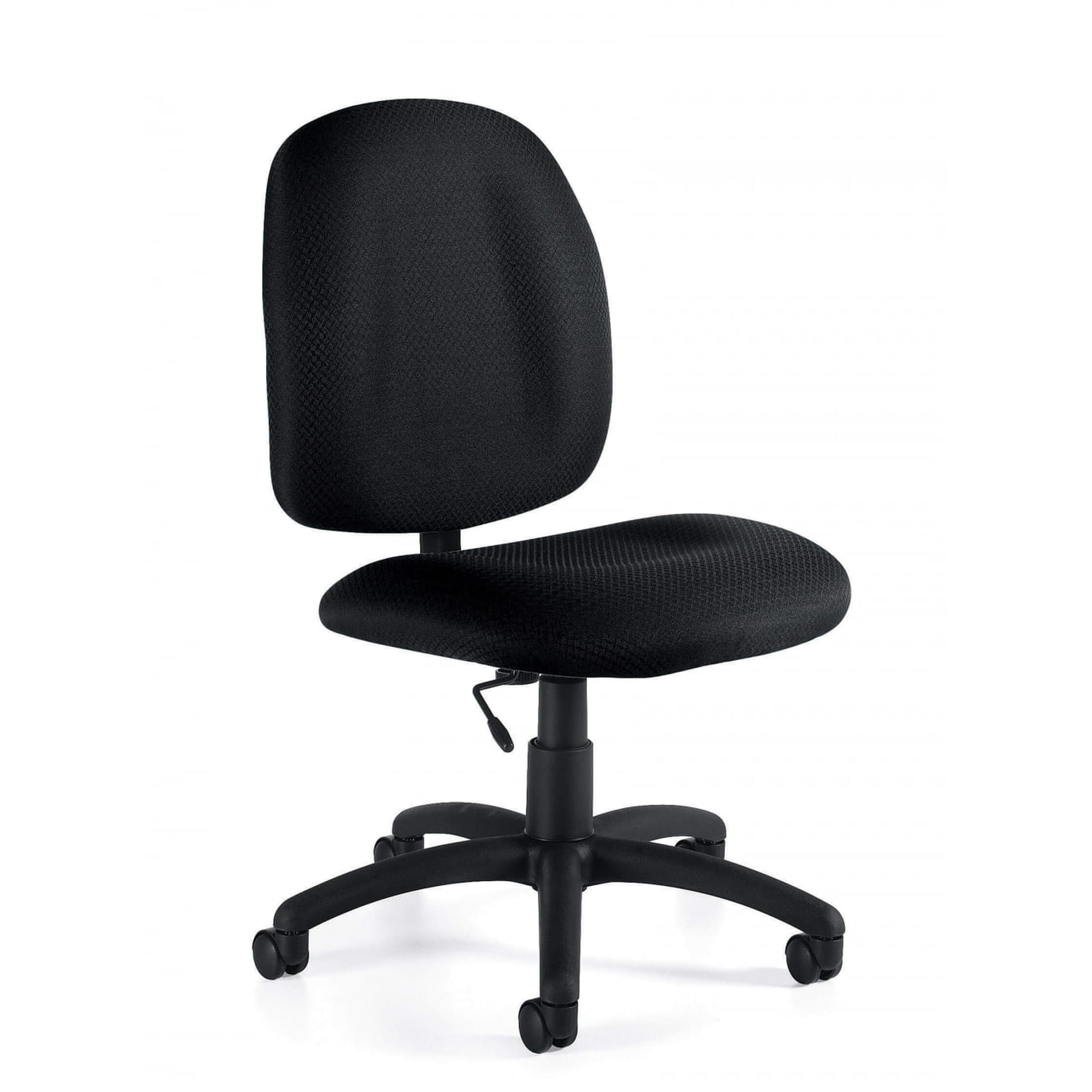
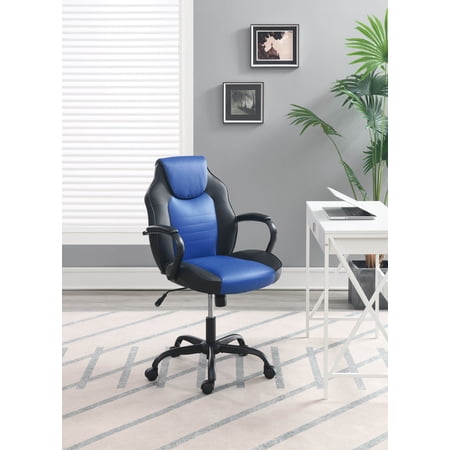
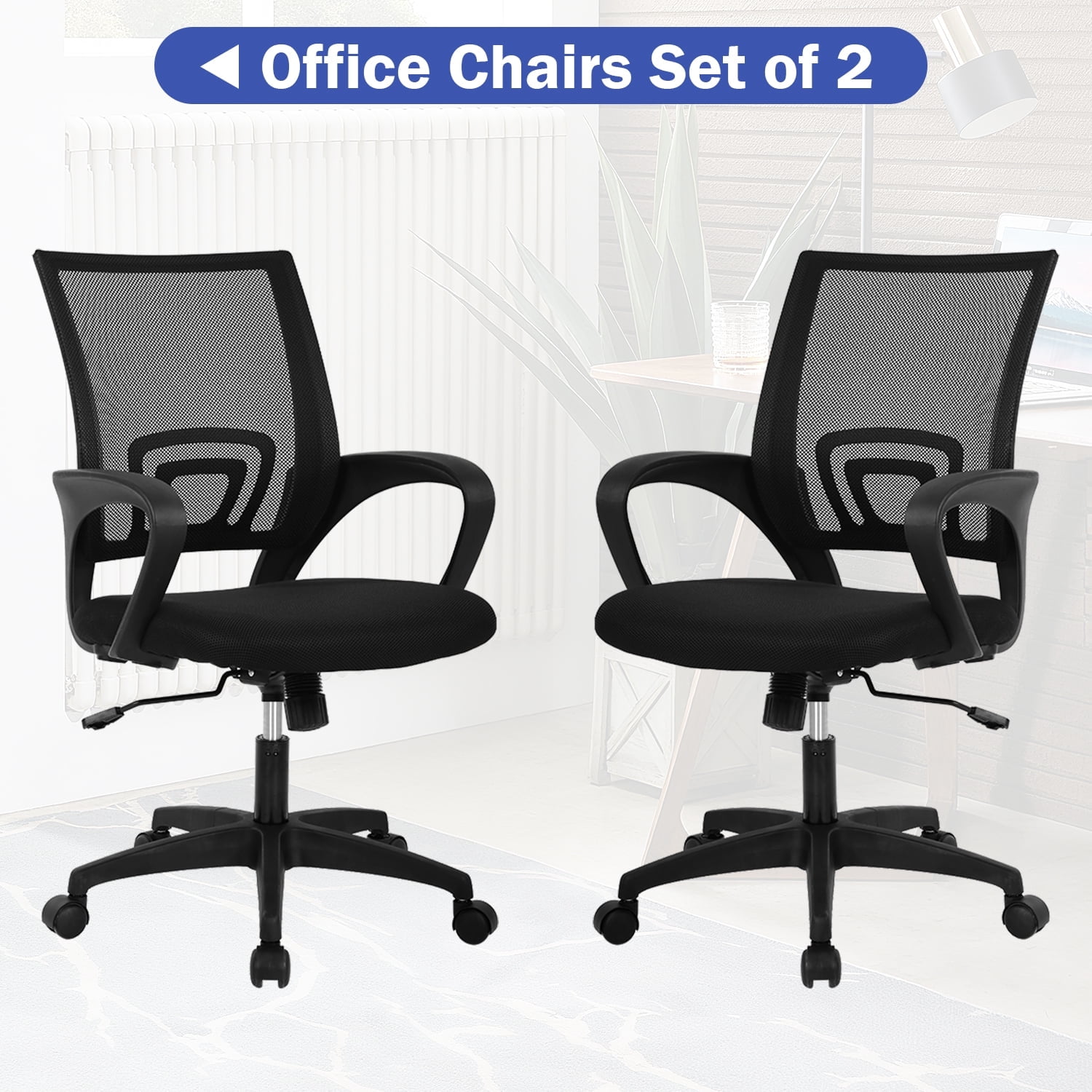
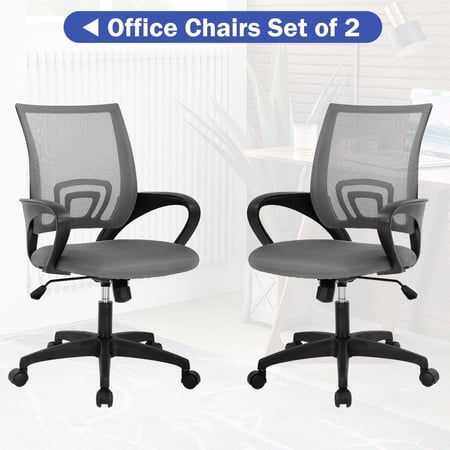
Finding a good cheap office chair isn't about settling for less; it's about knowing exactly where to allocate your budget. By prioritizing adjustability, seat comfort, and breathable materials, you can find a chair that supports your workday without straining your finances. The chairs you see listed above from our Walmart feed are a great starting point—they represent the best value picks currently on the market.
Remember, the goal is to avoid the "cheap" trap of a chair that will cost you more in discomfort and replacement costs. Aim for that $120–$200 sweet spot, focus on the features that protect your spine, and you'll find a reliable partner for your workday.