
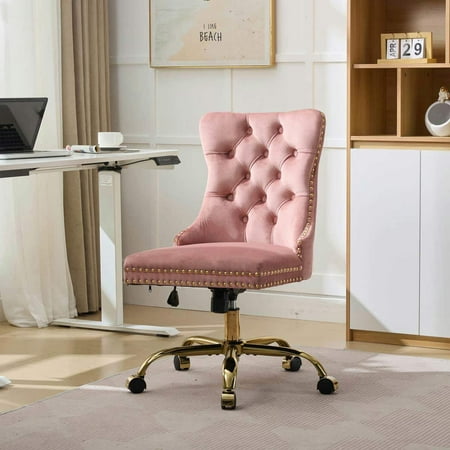
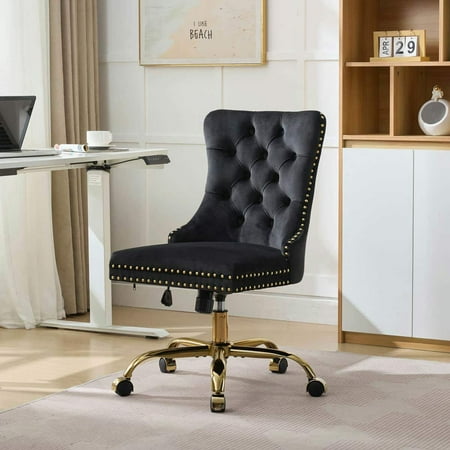

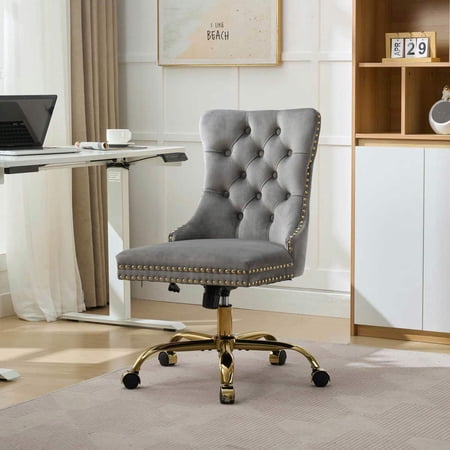
Your All-in-One Workspace: The Office Chair with Desk Attached
Imagine having a complete workstation that fits in the corner of your living room, bedroom, or a cramped dorm. That's the magic of an office chair with desk attached. It’s like a Swiss Army knife for your furniture, combining the comfort of a seat with the functionality of a desk into one clever, mobile unit. For students, remote workers in tiny apartments, or anyone needing a flexible workspace, these hybrid chairs are a game-changer. They allow you to create an instant office anywhere, then roll it out of the way when it's time to relax.
Did you know? According to a recent survey by the National Association of Home Builders, over 45% of home buyers are looking for a dedicated home office. However, with shrinking home sizes, the demand for space-saving office furniture like chair-desk combos has skyrocketed by over 60% in the last three years.
Why Choose a Chair-Desk Combo? A Closer Look at the Benefits
Beyond just saving floor space, these innovative designs offer a range of advantages that cater to modern, flexible lifestyles. Let's break down the core benefits that make them so appealing.
The Unmatched Space Efficiency
This is the headline feature. A traditional desk and chair setup consumes a fixed footprint. A chair with a built-in desk consolidates that space. When not in use, many models can be tucked under a table or pushed against a wall, freeing up valuable square footage. This is particularly valuable in:
- Small Apartments & Studios: Where every square foot counts, and a room often serves multiple purposes (e.g., living room by night, office by day).
- Dorm Rooms: Providing students with a private, dedicated study space that doesn't permanently occupy the center of the room.
- Shared Living Spaces: Allowing multiple people to have their own workspace without crowding a common area.
- Bedrooms: Creating a "work zone" that can be visually and physically separated from the sleeping area.
Unparalleled Mobility and Flexibility
Most chairs in this category come equipped with smooth-rolling casters. This transforms your workspace from a stationary point to a mobile command center. Imagine these scenarios:
- Follow the Light: Roll your workstation closer to the window for morning sun or away from glare in the afternoon.
- Collaborative Work: Easily roll over to a colleague's (or family member's) desk for a quick discussion without leaving your tools behind.
- Declutter Instantly: Need space for a yoga session or guests? Simply roll your entire office into a corner.
Creating a Dedicated Focus Zone
Psychologically, having a defined area for work can boost productivity. A chair-desk combination creates a clear physical boundary, signaling to your brain that "it's work time." When you're sitting in it with your laptop on the attached desk, you're in your office. When you get up, you've left work behind. This separation is crucial for maintaining a healthy work-life balance, especially in smaller homes where work and life spaces overlap.
Anatomy of a Chair-Desk Combo: Key Features to Know
Not all attached-desk chairs are created equal. Understanding the key components will help you choose the right one for your needs.
| Feature | What It Does | Why It Matters |
|---|---|---|
| Desk Surface Material | Typically made of MDF, plastic, or sometimes a wood veneer. | Affects durability and ease of cleaning. A laminated surface is easy to wipe clean, while a softer wood might be prone to scratches. |
| Desk Adjustability | Look for desks that can flip up, swing away, or adjust in height. | This is crucial for ergonomics and versatility. A swing-away desk allows you to use the chair for standard seating or to get in and out easily. |
| Caster Type | Wheels designed for hard floors (soft rubber) or carpets (hard plastic). | The right casters ensure smooth rolling and protect your flooring. Many chairs offer universal casters that work decently on both. |
| Seat Cushioning | High-density foam is the standard for comfort and longevity. | Since you'll be sitting for extended periods, adequate cushioning prevents fatigue and discomfort. |
| Base Construction | A five-point base (like a star) is standard for stability. Nylon bases are common; metal bases are more durable. | A sturdy base prevents tipping, especially when you lean forward or shift your weight. A metal base offers the best long-term durability. |
Who is the Ideal User for This Type of Chair?
While versatile, this furniture piece excels for specific user profiles:
- The Student: Perfect for dorms, providing a dedicated study area without the bulk of a full desk.
- The Apartment Dweller: Ideal for anyone living in a studio or one-bedroom apartment who needs a workspace that doesn't dominate the living area.
- The Occasional Remote Worker: If you work from home a few days a week and need a flexible setup, this is a fantastic solution.
- The Crafter or Hobbyist: Provides a mobile station for knitting, drawing, or other hobbies, allowing you to work wherever you're comfortable.
Your 4-Step Guide to Choosing the Perfect Chair-Desk Combo
Follow this simple process to find the chair that fits your body, space, and work style.
Step 1: Measure Your Space & Your Body
- Space: Measure the floor area where you plan to use the chair. Note the width and depth available. Remember to account for the space needed to roll the chair in and out.
- Body: Check the chair's seat width and depth. If you're taller or larger than average, look for "big and tall" variations or models with extended dimensions. Note your height to ensure the backrest offers adequate support.
Step 2: Define Your Primary Use
What will you be doing most often? Your answer will dictate the features you need.
- Laptop Work/Studying: A simple, flat desk surface is sufficient. Prioritize overall comfort and stability.
- Writing/Drawing: Look for a smooth, firm surface. A desk with a slight tilt adjustability could be a bonus.
- Tablet Use/Reading: Comfort is key. A padded seat and backrest are more important than a large desk.
- Multi-Tasking (e.g., Laptop & Notebook): You'll need a desk surface with enough area. Look for dimensions around 24" wide and 15" deep.
Step 3: Prioritize Ergonomics & Comfort
Don't sacrifice your back for space-saving. Check for these ergonomic features:
- Seat Height Adjustment: Essential for ensuring your feet are flat on the floor and your knees are at a 90-degree angle.
- Back Support: A contoured or padded backrest helps maintain the natural curve of your spine.
- Desk Height Relative to Seat: When seated, your elbows should be at a 90-degree angle when resting on the desk. If the desk is not adjustable, this is a fixed variable you must test.
Step 4: Evaluate Build Quality & Mobility
- Check the Casters: Ensure they are appropriate for your floor type (hardwood, carpet, tile). Look for smooth, durable wheels.
- Test the Stability: Gently rock in the chair. Does it feel solid? Does the desk attachment wobble? A stable base is non-negotiable for safety and a distraction-free work session.
- Read Reviews: Look for feedback on long-term durability. Do users report issues with the desk attachment after a few months? This is invaluable insight.
Frequently Asked Questions About Chairs with Desks
Conclusion: Is a Chair-Desk Combo Right for You?
An office chair with desk attached is more than just a piece of furniture; it's a strategic solution for modern living. It cleverly addresses the challenges of limited space and the need for flexibility, all while providing a dedicated zone for focus. While it may not replace a sprawling executive desk for a power user, for students, apartment dwellers, and anyone seeking a compact and mobile workstation, it's an absolute revelation. By carefully considering your space, your work habits, and the key features we've outlined, you can find the perfect combo chair that will transform how you work and live.
Final Verdict: Space-Saving Champion
Quick Recommendations by User Type
| User Profile | Key Features to Look For |
|---|---|
| College Student | Durable casters for dorm carpets, a flip-up desk for versatility, and a compact footprint. |
| Remote Worker (Part-Time) | Padded ergonomic seat, adjustable height, and a stable desk surface for a laptop. |
| Hobbyist/Crafter | A larger, smooth desk surface and smooth-rolling casters for easy movement. |
| Todd's Home Office | Breathable mesh back, adjustable lumbar support, and a high weight capacity for all-day comfort. |