
Why Your Workspace Demands a Modern Ergonomic Office Chair
Imagine your office chair as the chassis of a high-performance vehicle. Just as a car's suspension absorbs road imperfections and keeps you stable, a modern ergonomic office chair supports your body's dynamics, allowing you to navigate the workday with ease. Unlike traditional "executive" thrones that prioritize looks over function, today's ergonomic chairs are engineered from the spine up.
According to the World Health Organization, adults sit an average of 8 to 10 hours daily. Poor seating is linked to musculoskeletal disorders, which account for 1 in 3 work-related health problems. A modern ergonomic chair isn't a luxury—it's preventive maintenance for your body.
Anatomy of a Modern Ergonomic Office Chair: Key Innovations
Today's designs go far beyond basic adjustability. Here are the defining features that set modern ergonomic chairs apart:
1. Synchronized Tilt Mechanism & Automatic Posture Support
High-end modern chairs use a synchronized tilt system where the seat and backrest move together at a pre-set ratio (usually 2:1 or 3:1). This keeps you supported whether you're leaning forward typing or reclining to think. Some models even feature weight-sensitive auto-adapt tension—no manual knobs required.
2. 4D Adjustable Armrests: More Than Just Up and Down
Armrests on modern ergonomic chairs adjust in four directions: height, width, depth, and angle (pivot). This ensures your elbows stay at 90°, shoulders relaxed, preventing text neck or mouse shoulder. Premium chairs use soft-touch polyurethane that doesn't go hard over time.
3. Lumbar Support That Moves With You
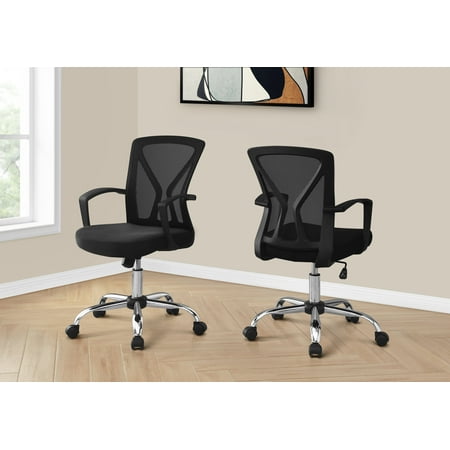
Static lumbar pillows are outdated. Modern chairs feature dynamic lumbar systems that curve with your spine's movement. Some use a tensioned mesh membrane that automatically conforms, while others have an adjustable leaf-spring system you can fine-tune for height and protrusion.
4. Seat Depth Adjustment (Waterfall Edge)
To accommodate different thigh lengths, the seat pan slides forward/backward. A waterfall edge (curved front) prevents circulation restriction behind the knees—critical for long hours. Look for at least 2 inches of adjustment.
5. Breathable, Sustainable Materials
Modern doesn't just mean looks; it means smart material choices. Spacer mesh (a 3D knitted fabric) allows airflow while providing firm support. Some chairs use recycled ocean plastics or certified sustainable wood bases. Foam is often cold-cured, high-resilience that doesn't flatten after a year.
- • Study by Cornell University: ergonomic chairs with seat depth adjustment reduce leg discomfort by 47%.
- • 70% of remote workers reported higher focus after switching to an adjustable ergonomic chair (FlexJobs survey).
- • Class 4 gas lift (rated for 400+ lbs) is a hallmark of durable modern chairs.
Modern vs. Traditional: Why Old-School “Executive” Chairs Fall Short
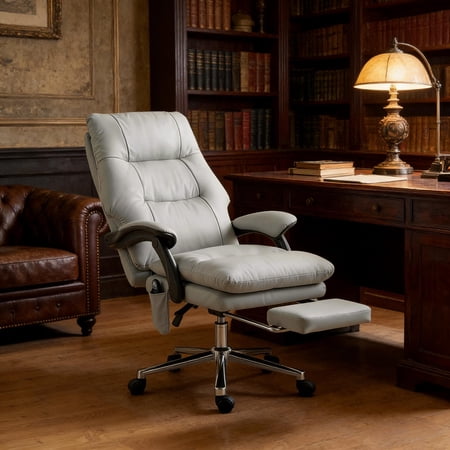
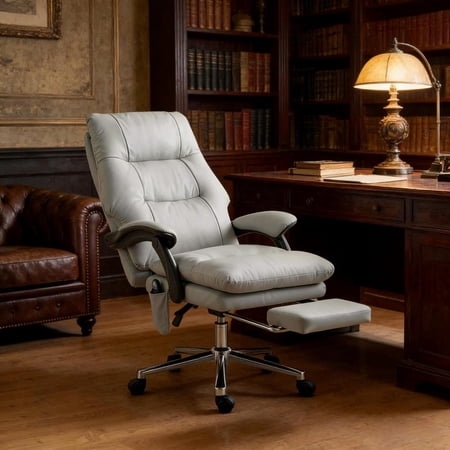
Picture a classic leather high-back executive chair: thick padding, fixed lumbar, often too warm. Now picture a modern ergonomic chair: breathable mesh back, synchronized movement, adjustable everything. The difference is like comparing a cast-iron skillet to a non-stick, oven-safe, ergonomic handle pan—both cook food, but one makes the experience effortless and safe. Modern ergonomic chairs reduce micro-adjustments and fidgeting, letting you focus.
| Feature | Modern Ergonomic Chair | Traditional Executive Chair |
|---|---|---|
| Back support | Dynamic, height/depth adjustable | Fixed or simple cushion |
| Material | Breathable mesh / high-tech fabric | Thick leather (hot, little airflow) |
| Armrests | 4D (height, width, depth, pivot) | Fixed or 2D |
| Tilt mechanism | Synchronized with tension adjustment | Knee-tilt or swivel only |
| Weight capacity | Often 300–400 lbs, reinforced base | Varies, often lower |
How to Choose the Right Modern Ergonomic Office Chair (Step-by-Step)
Step 1: Identify Your Body Dimensions
Measure from the floor to the back of your knee (seat height range) and from your seat to your shoulder blades (backrest height). Pro tip: If you're 5'4" or shorter, look for chairs with a smaller seat depth and lower backrest.
Step 2: Match Features to Your Work Style
- Coders / designers → need highly adjustable armrests and seat tilt to shift positions.
- Managers / meeting-heavy roles → consider a chair with a headrest for reclining during calls.
- Hot climates / no A/C → prioritize full mesh back and seat.
Step 3: Test Adjustability Range
When trying a chair (or reading specs), ensure the seat height goes low/high enough. Lumbar should align with your belt line. Armrests should allow elbows at 90° while typing.
Step 4: Check Warranty & Return Policy
Because “ergonomic” is personal, a 30-day home trial is ideal. Look for 5+ years on parts, 10+ on frame.
Material Deep Dive: Mesh, Fabric, or Hybrid?
Your choice of upholstery affects temperature, feel, and maintenance.
✅ High-quality Mesh
- Breathability: Maximum airflow, no sweat.
- Durability: Good mesh resists sagging for years.
- Cleaning: Wipe with damp cloth; dust doesn't stick.
- Eco-option: Some brands use 100% recycled polyester mesh.
⚠️ Fabric / Hybrid
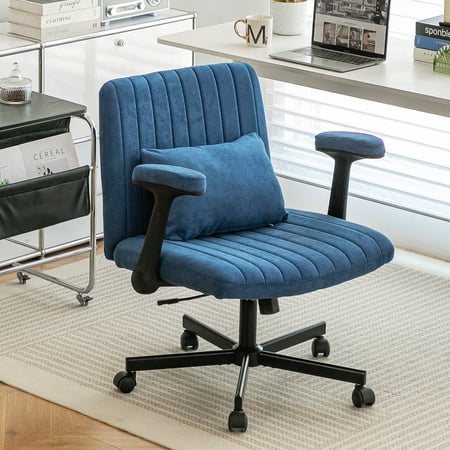
- Comfort: Softer, plusher feel, available in colors.
- Insulation: Warmer in winter, but can retain heat.
- Maintenance: May need vacuuming, stain protection.
- Best for: Cool offices or those wanting a cozy aesthetic.
Health Benefits of Modern Ergonomic Seating (Backed by Data)
(Journal of Ergonomics)
(Texas A&M study)
reduces disc compression
strengthens core muscles
Frequently Asked Questions: Modern Ergonomic Office Chairs
Conclusion: Future-Proof Your Comfort
A modern ergonomic office chair is an investment in your daily well-being and long-term health. By prioritizing adjustability, breathability, and intelligent design, you create a workspace that adapts to you—not the other way around. Whether you're a remote freelancer, a CEO, or a creative, the right chair pays dividends in focus, energy, and physical ease.