
Beyond the Buzz: The Real Value of a Massage Office Chair
We've all felt it — that knot in your shoulder after three hours of typing, or the dull ache in your lower back by mid-afternoon. A massage office chair promises relief at your desk, but is it a gimmick or a genuine wellness tool? The answer lies in the technology and how you use it.
Think of it like a foam roller for your spine, but hands-free. By integrating vibrating nodes, heat, or even rotating shiatsu elements, these chairs aim to increase circulation and reduce muscle tension during the workday. According to a 2024 report by the Global Wellness Institute, 38% of office workers have considered purchasing a chair with massage features to combat sedentary strain. Below, we break down the mechanisms, benefits, and what to look for — so you can make an informed decision.
How Massage Office Chairs Work: Mechanisms & Materials
Not all massage chairs are created equal. Let's explore the core technologies you'll encounter.
1. Types of Massage Mechanisms
💆 Vibration Massage
The most common and affordable type. Motors create a gentle buzzing sensation. Good for circulation
Best for: Light relaxation, subtle background comfort.
🔘 Shiatsu Nodes
Rotating or kneading nodes that mimic finger pressure. Often located in the lumbar area. Targets knots
Best for: Deeper muscle relief, specific tension spots.
🔥 Heat Therapy
Infrared or pad-based warmth, usually in the seat or backrest. Soothes stiffness
Best for: Chronic back pain, relaxing before sleep.
🌀 Air Compression
Airbags inflate and deflate to create a squeezing sensation (less common in office chairs, more in luxury recliners).
2. Placement of Massage Elements
Where the massage happens matters:
- Lumbar only: Most common. Nodes target the lower back — the area that suffers most during prolonged sitting.
- Full back (cervical to lumbar): Nodes travel along the spine, often in a track. Provides a more comprehensive experience but costs more.
- Seat cushion vibration: Helps with thigh fatigue and can subtly stimulate legs.
- Neck/shoulder nodes: Great for relieving tension from computer hunch.
3. Power & Controls
Most massage office chairs require a power outlet for the massage functions (the chair's basic adjustments like height are manual). Controls are usually a wired remote or buttons on the armrest. Features to look for:
- Intensity levels: At least 2-3 settings to customize the pressure.
- Zone selection: Ability to target only upper back or only lumbar.
- Timer (auto shut-off): Safety and convenience — typically 15/30 minutes.
- Heat settings: Low/High or on/off.
4. Ergonomics: The Foundation Beneath the Massage
A massage chair must first be a good office chair. Don't sacrifice ergonomics for the massage novelty. Ensure it has:
- Adjustable seat height: Standard pneumatic lift.
- Lumbar support: The massage nodes are not a substitute for proper static support. Look for chairs with both.
- Tilt mechanism and lock: So you can recline slightly and relax during the massage.
- Breathable material: Massage generates heat — mesh or perforated upholstery helps.
5. Health Benefits: More Than Just a Gimmick
When used regularly, a massage chair can offer:
- Reduced muscle tension: Vibration and kneading help relax tight fibers.
- Improved circulation: Mechanical stimulation encourages blood flow, which can reduce stiffness.
- Stress relief: A short massage during a break can lower cortisol levels and refresh focus.
- Complementary therapy: For those with mild chronic pain, it can be part of a management routine (alongside stretching and medical advice).
6. What the Data Says
A 2023 survey by Office Ergonomics Weekly of 800 massage chair owners found:
- • 67% used the massage function at least 3 times per week.
- • 52% reported a noticeable decrease in daily back discomfort.
- • 73% said heat was their favorite feature for relaxation.
- • The most desired improvement was "quieter motors" — so read reviews for noise levels.
7. Potential Drawbacks to Consider
- Noise: Some massage motors can be audible — not ideal for quiet offices if you're on calls.
- Added weight: Massage mechanisms make chairs heavier; ensure casters roll easily.
- Cord dependency: You'll need an outlet nearby, which may limit placement.
- Maintenance: Mechanical parts could fail; check warranty coverage on the massage unit.
8. Who Benefits Most?
- Remote workers: Can use during breaks without leaving the desk.
- People with sedentary jobs: (programmers, writers, customer service).
- Individuals with mild lower back tension or stress-related tightness.
- Those who want a "luxury" feel in their home office.
9. Massage Chair vs. Separate Massage Cushion
If you already own a comfortable ergonomic chair, a massage cushion (placed on the seat or back) can be a cost-effective way to add vibration or heat. However, built-in massage chairs often have more integrated nodes, better coverage, and a cleaner look. Weigh the investment against your existing setup.
Frequently Asked Questions About Massage Office Chairs
Conclusion: Relaxation Meets Productivity
A massage office chair can transform your work environment from a source of strain to a place of relief. By combining ergonomic fundamentals with therapeutic vibration, heat, or kneading, these chairs address the physical toll of sitting. The key is to choose a model that excels first as an office chair (adjustable, supportive) and second as a massage device (quality motors, good placement).
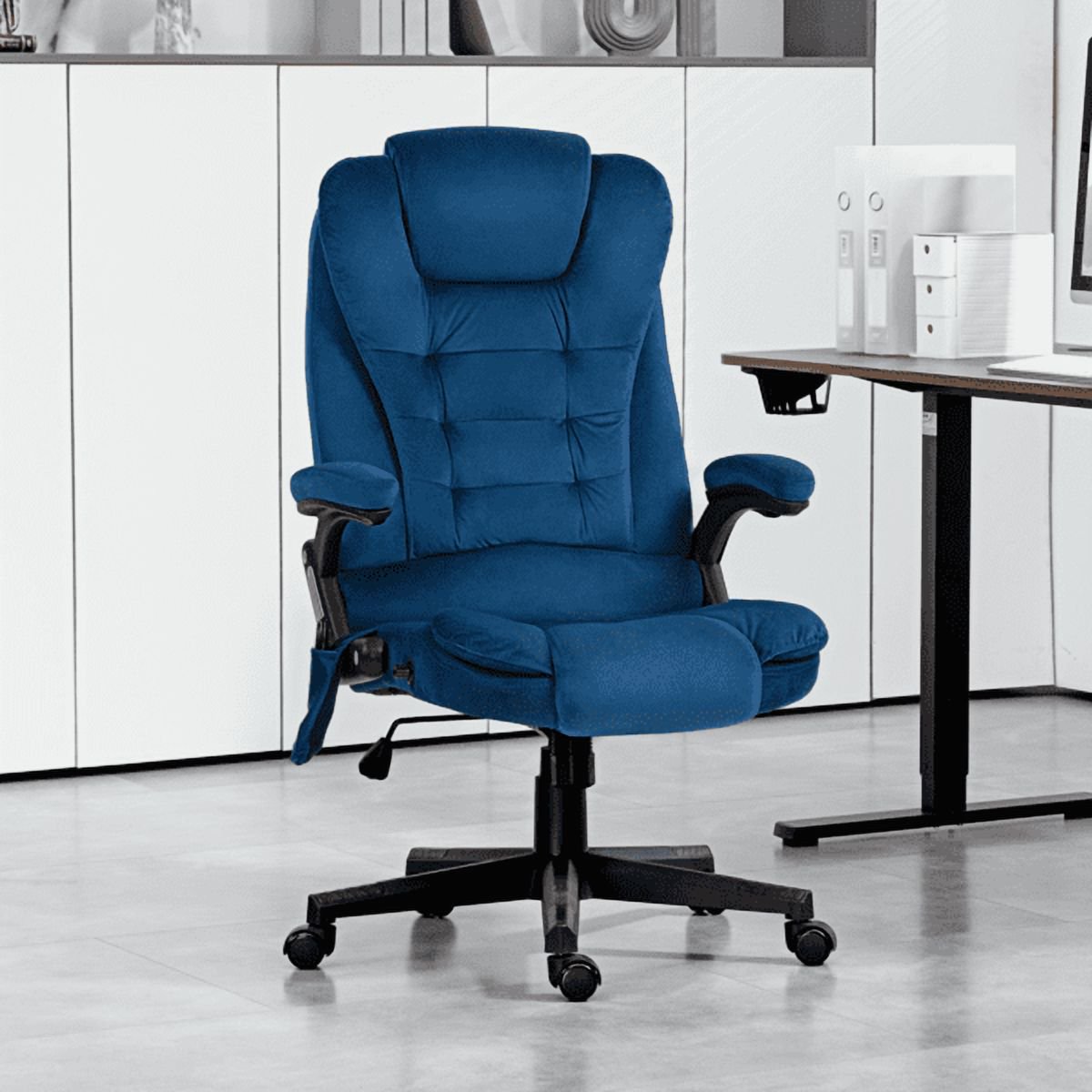
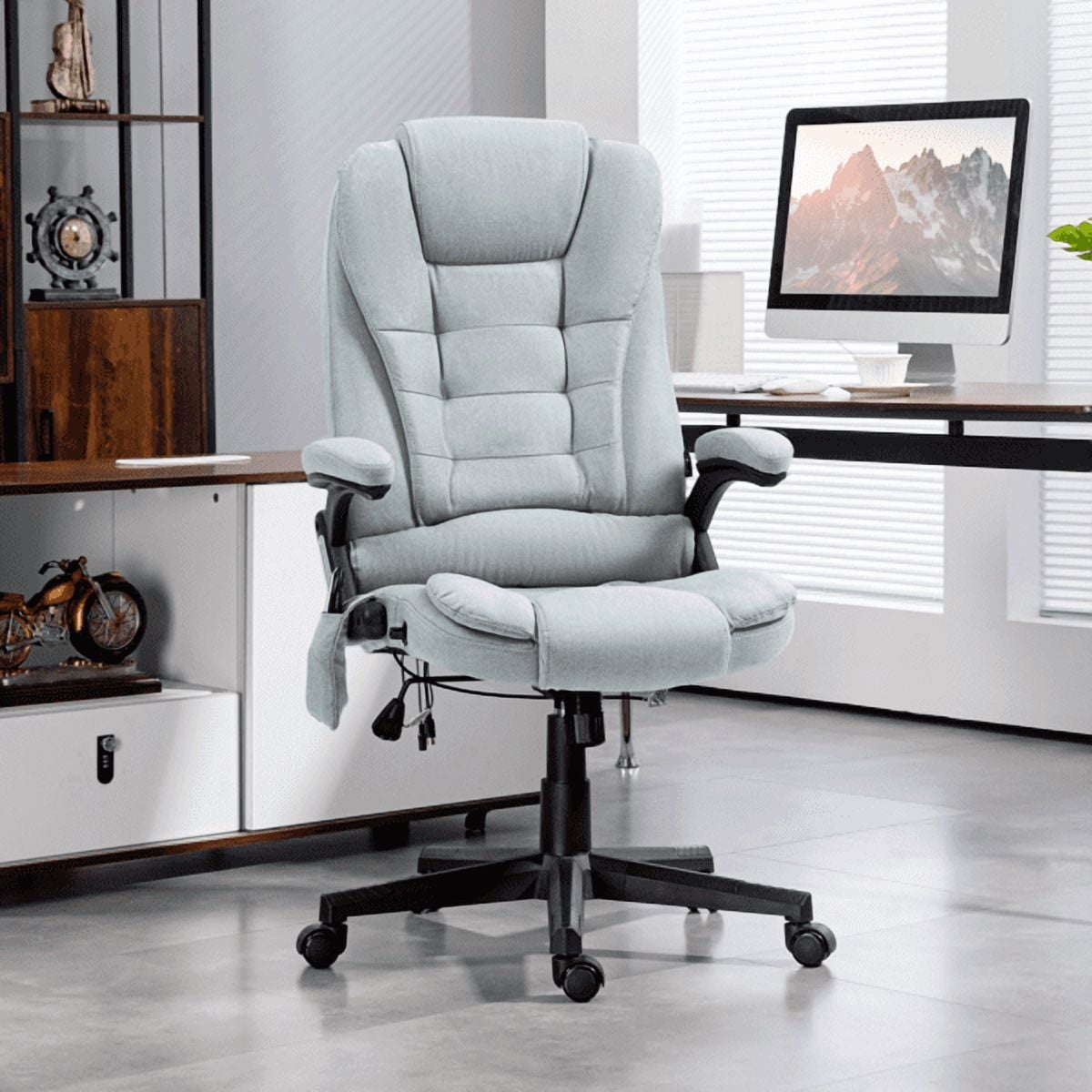
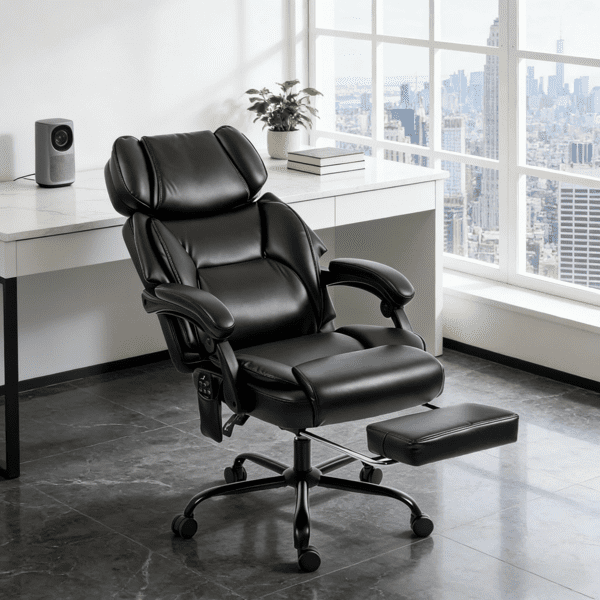
Explore the curated options in our product grid above — each has been selected for its balance of ergonomic support and massage functionality. Read recent reviews to gauge real-world comfort and noise levels. Here's to a more relaxed, productive workday!