

Why Office Reception Chairs Matter More Than You Think
The moment a client, partner, or job candidate steps into your office, they absorb the environment. Office reception chairs are not just furniture—they are silent ambassadors of your brand. A worn-out, wobbly chair suggests neglect; a clean, ergonomic visitor seat communicates attention to detail and respect for people.
Research insight: A study by the Journal of Interior Design found that 67% of visitors form an opinion about a company's competence within the first 30 seconds, largely influenced by the waiting area. Comfortable, well-maintained seating correlates with higher trust ratings.
The Dual Role: Durability Meets Welcoming Aesthetics
Reception chairs live a hard life: countless sits, coffee spills, constant movement. Yet they must always look pristine. This is why commercial-grade construction is non-negotiable. Unlike personal office chairs, reception models often lack complex mechanisms (to reduce maintenance) but demand tough upholstery, reinforced joints, and stable bases.
Key Differences: Reception Chairs vs. Task Chairs
- Simpler adjustments: Most reception chairs are static or have minimal tilt; they don't need pneumatic height adjustment because they're used briefly by different people.
- Stackability / ganging: Many lobby chairs can be stacked for storage or connected in rows (ganging clips) to keep alignment tidy.
- Easy-clean surfaces: Vinyl, leatherette, or treated fabric resist stains and are wipeable—vital for high-traffic areas.
- Visual lightness: Sleek profiles, often with open backs or sled bases, prevent the lobby from feeling cluttered.
Anatomy of a Perfect Reception Chair
Let's dissect the components that separate a cheap chair from a long-term investment:
| Component | Why It Matters in Reception | What to Look For |
|---|---|---|
| Frame Construction | Must withstand repeated use without loosening or squeaking. | Hardwood (oak, maple) or powder-coated steel; welded joints are best. |
| Upholstery Grade | Resists pilling, fading, and staining from daily traffic. | Commercial grade fabric (minimum 50,000 double rubs), phthalate-free vinyl, or top-grain leather for prestige. |
| Seat Cushion | Should remain comfortable for 15–30 minute waits without sagging. | High-density foam (2.5–3 lb density) with a firm support layer. |
| Base / Legs | Stability on various floors; no tipping when someone leans. | Wide-set legs with non-marking glides (for hard floors) or casters (if mobility needed). |
| Design Flexibility | Allow for different lobby layouts: against wall, in clusters, or with side tables. | Armless or low-arm designs, optional ganging brackets, stackable up to 4-6 high. |
Styles of Office Reception Chairs: Which Fits Your Brand?
Reception seating isn't one-size-fits-all. Consider these personality profiles:
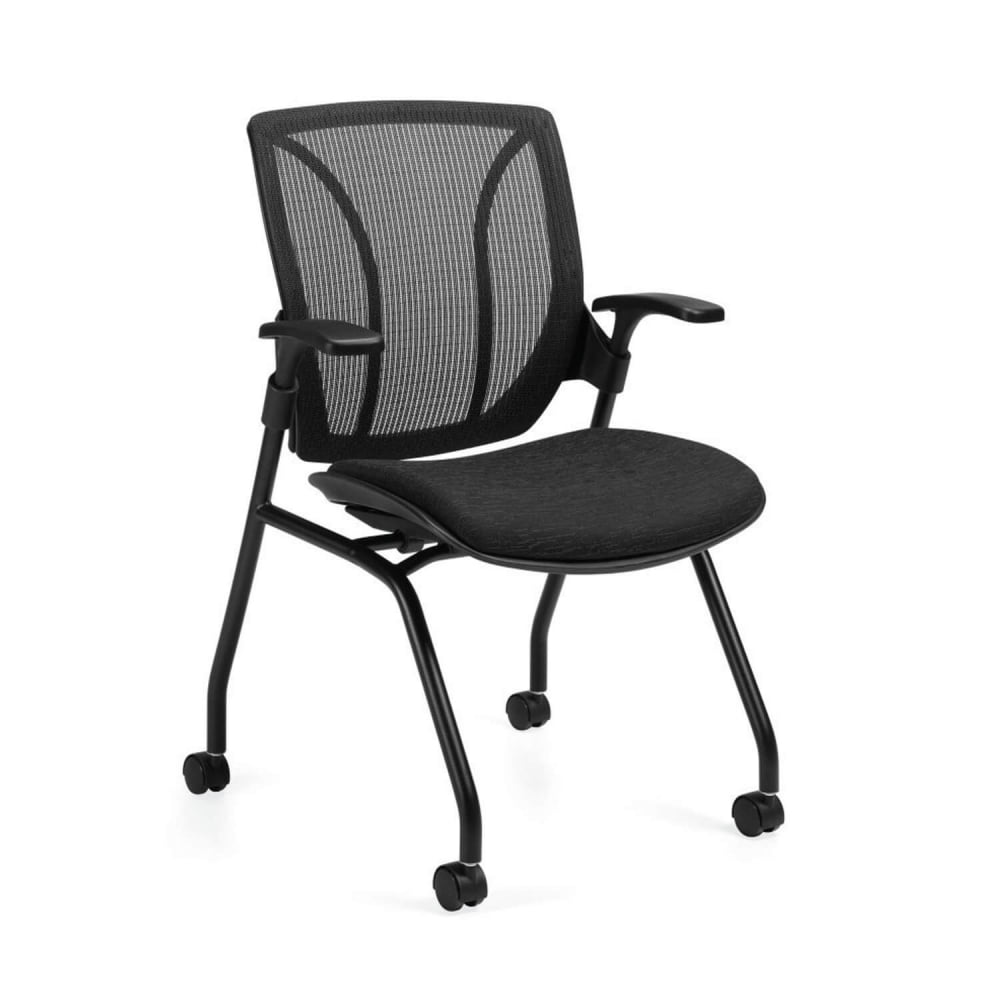
🪑 Contemporary Mesh
Best for: Tech startups, creative agencies, modern medical offices.
Breathable, lightweight, often with colorful frames. Projects innovation and openness.
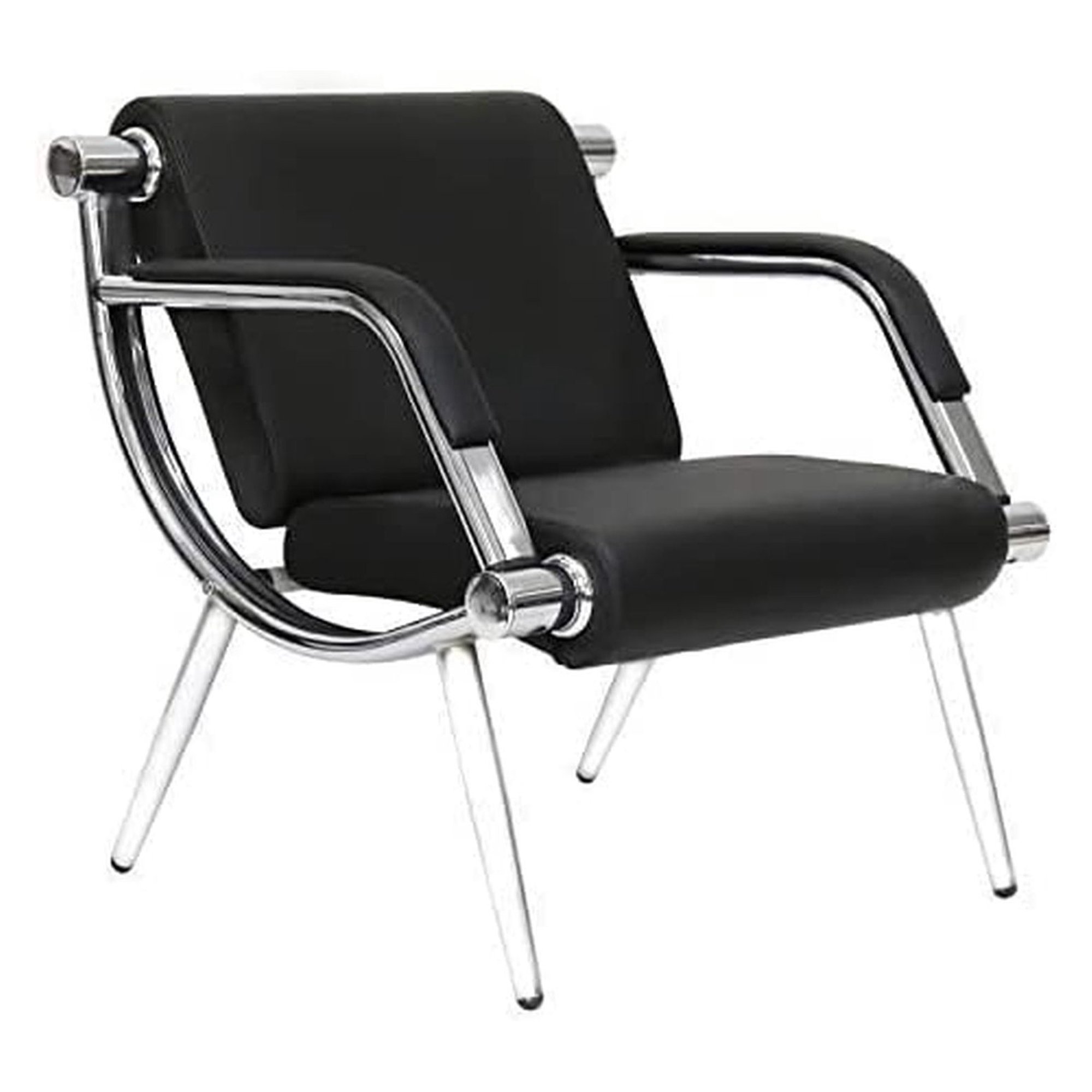
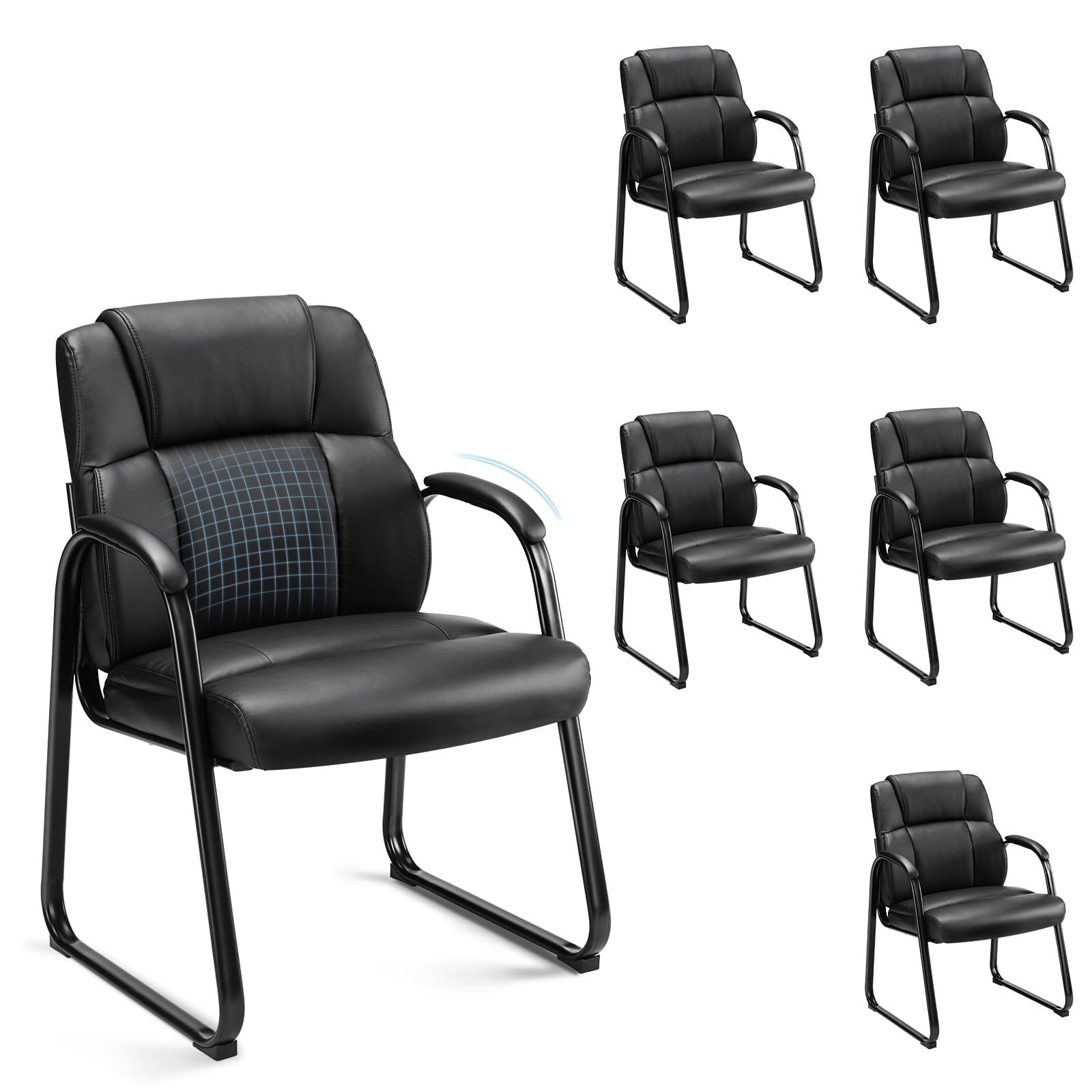
👔 Traditional Leather/Vinyl
Best for: Law firms, financial advisors, executive suites.
Classic button-tufting or sleek leather exudes stability and success. Easy to wipe clean.
🌿 Eco-friendly / Fabric
Best for: Sustainable companies, wellness centers, schools.
Recycled materials, natural tones. Inviting and warm, but requires stain-protection treatment.
📦 Stackable / Multipurpose
Best for: Multi-use spaces, training rooms, churches.
Ultimate flexibility: store when not needed, or bring out extra seating for events.
How to Plan Your Reception Seating Layout
Follow this 3-step method to avoid a cramped or empty-looking lobby:
- Measure your traffic flow: Leave at least 36 inches of walkway space. Chairs should not obstruct the entrance or reception desk.
- Create zones: If space allows, group chairs in clusters of 2-4 with small side tables for magazines or water. This feels more intimate than rows.
- Test the sightline: From the reception desk, ensure staff can see all waiting guests. Avoid high-back chairs that block visibility.
Material Deep-Dive: Choosing Wisely
The reception area is a battlefield against spills, sun fading, and wear. Here's how materials compare:
Vinyl / Leatherette
- Pro: Wipes clean instantly, affordable, uniform appearance.
- Con: Can crack over time if low-quality; less breathable.
Commercial Fabric
- Pro: Soft feel, vast color choices, acoustic absorption.
- Con: Requires professional cleaning; may stain if not treated.
Mesh
- Pro: Modern, breathable, lightweight, often stackable.
- Con: Less padding; frames can show dust.
Leather (genuine)
- Pro: Luxurious, ages well, durable (10+ years).
- Con: High cost, requires conditioning, not vegan.
Prolonging the Life of Your Reception Chairs
To keep chairs looking new for years, implement these simple practices:
- Vacuum fabric chairs weekly to prevent dirt abrasion.
- Use mild soap and water on vinyl—avoid harsh chemicals.
- Tighten screws and glides every 6 months (commercial use loosens them).
- Rotate chairs if some get more sun exposure to even out fading.
- Apply fabric protector spray annually for stain resistance.
Frequently Asked Questions: Office Reception Chairs
Final Takeaway: Choose Chairs That Speak Volumes
Selecting office reception chairs is a balance between hospitality and resilience. Invest in pieces that align with your brand identity—whether that's minimalist mesh or classic leather—while never compromising on build quality. Remember, every person who sits in your lobby forms an impression. Make it a comfortable, positive one.