
❄ COOLING COMFORT
Why Breathability Matters in Your Office Chair
Imagine sitting on a park bench in the shade on a warm day — that gentle breeze keeps you comfortable for hours. Now imagine a leather car seat in July: sticky, sweaty, distracting. Your office chair has the same effect. A breathable office chair acts like that constant breeze, wicking away heat and moisture so you can focus on your work, not your discomfort.
According to the American Society of Interior Designers, thermal comfort is one of the top factors affecting workplace productivity. When your body overheats, your brain redirects energy to cool down, reducing cognitive performance. Breathable chairs solve this by using mesh, technical fabrics, or perforated materials that allow air to circulate freely between your body and the chair.
The Science of Airflow: How Breathable Chairs Keep You Cool
Breathable office chairs achieve cooling through three primary mechanisms. Understanding them helps you choose the right model for your body and environment.
1. Passive Air Circulation (Mesh Technology)
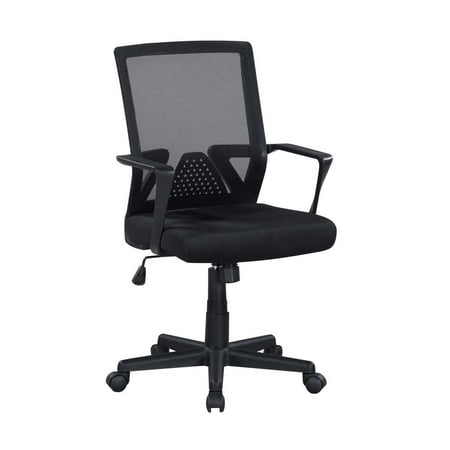
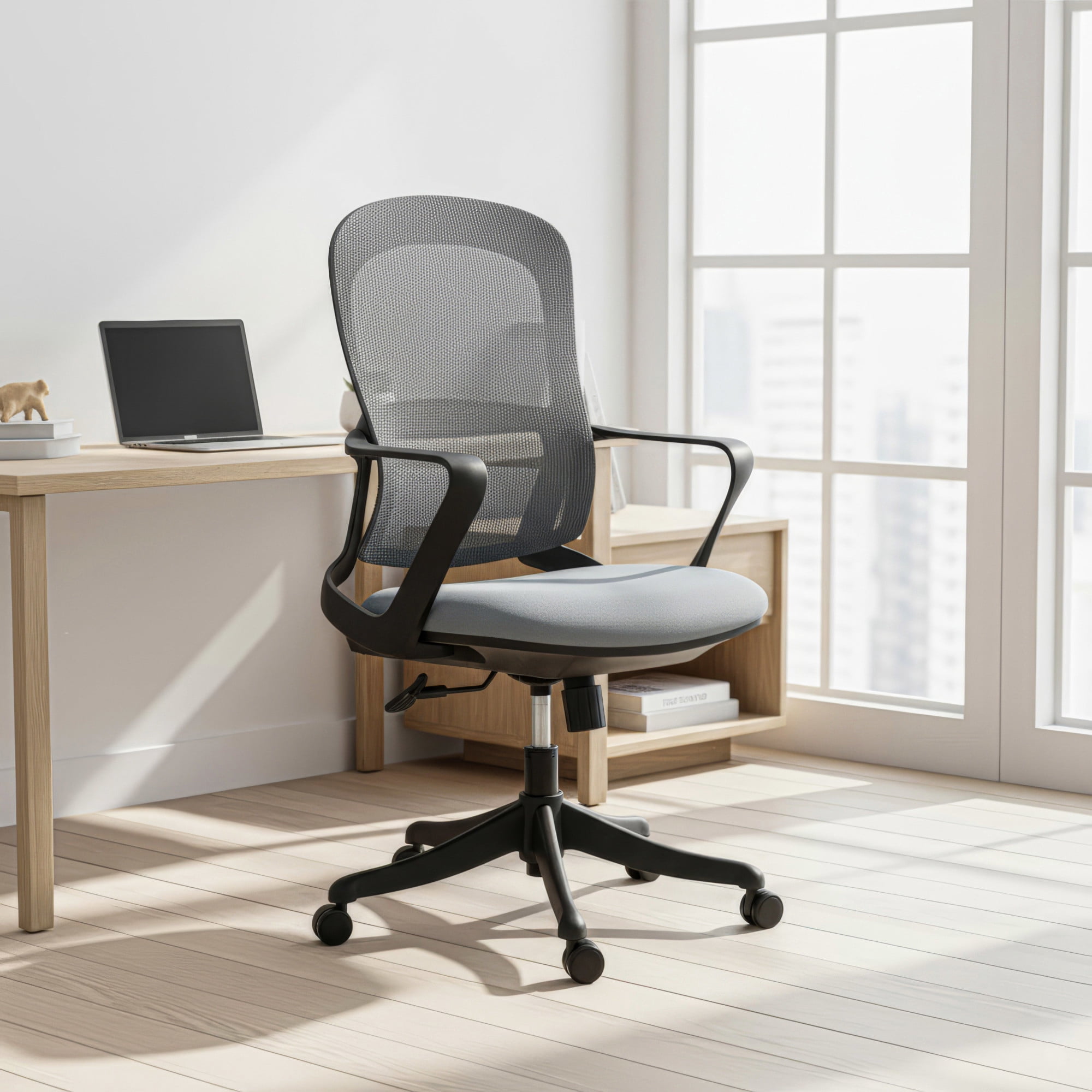
Like a net that lets wind pass through, mesh backrests are woven from strong synthetic fibers (usually polyester or nylon) with thousands of microscopic gaps. These gaps create a natural convection current: warm air near your back rises and escapes, while cooler room air is drawn in. This continuous exchange prevents the "heat bubble" that forms against solid materials.
- Elastic suspension mesh — conforms to your spine while providing tension and airflow.
- 3D Spacer mesh — a three-layer fabric used in some seats; it has a breathable core that acts like a mini mattress with ventilation channels.
- Knitted mesh — softer and more flexible, often found in high-end ergonomic chairs.
2. Moisture-Wicking Upholstery
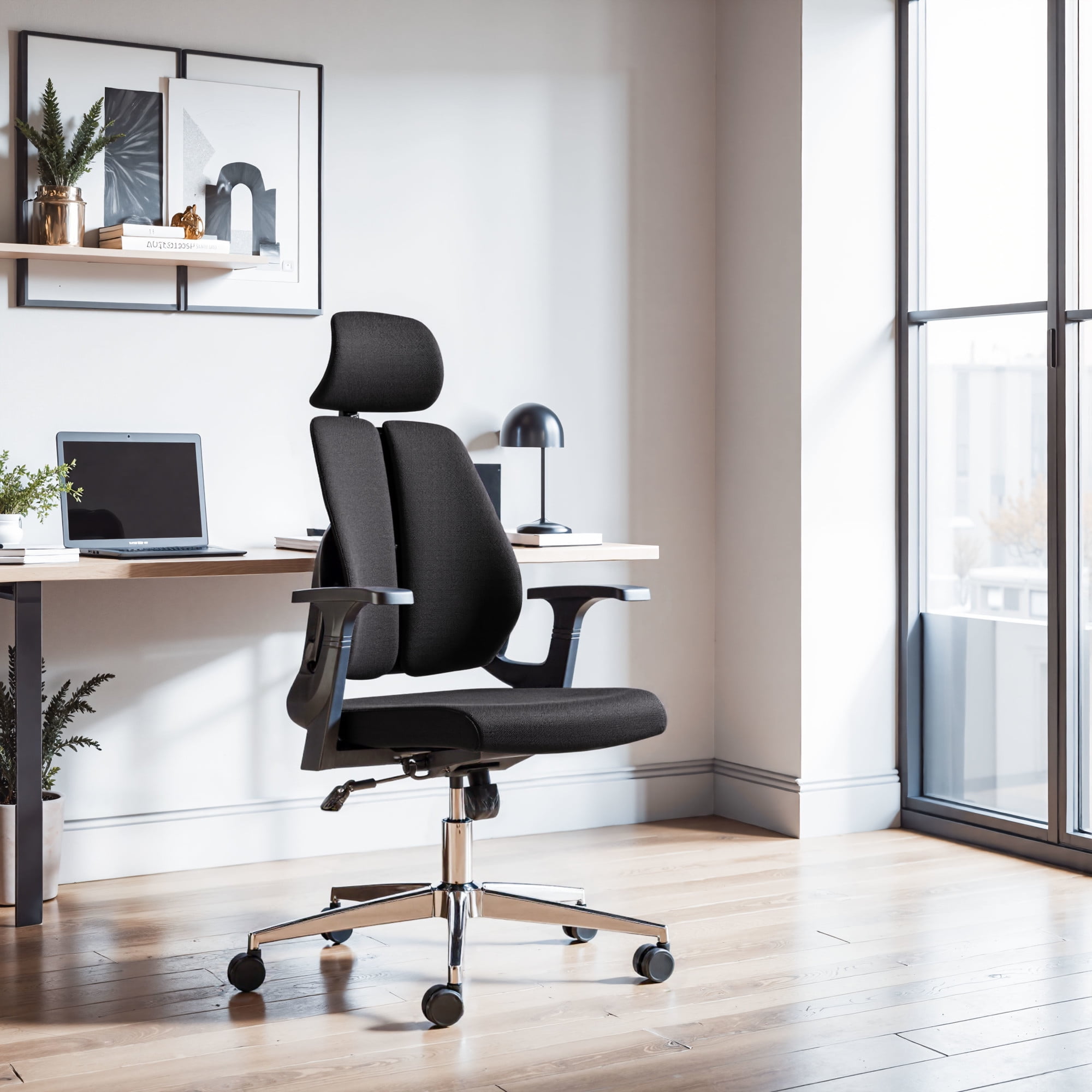
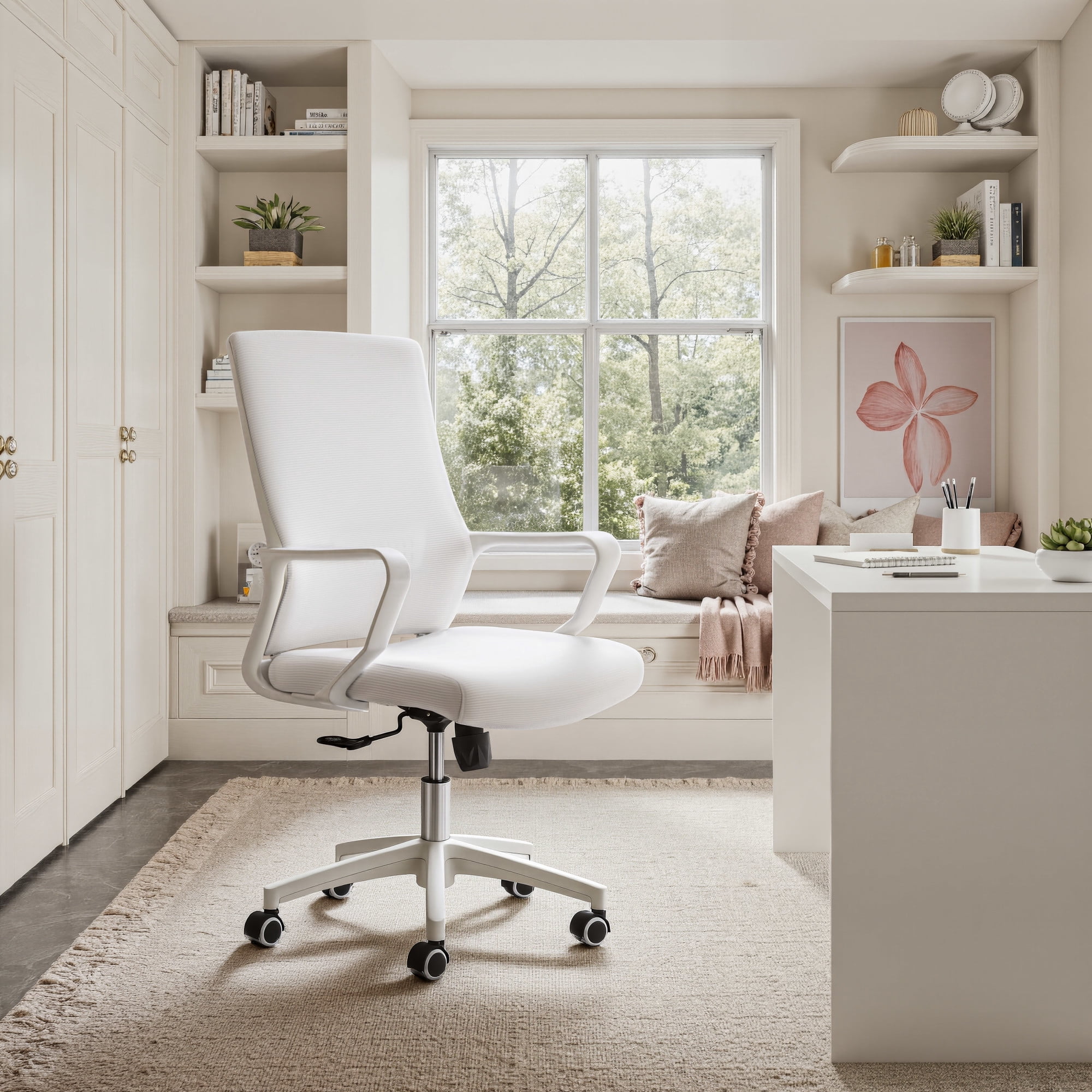
Not all breathable chairs use mesh. Some use advanced performance fabrics (similar to athletic wear) that pull sweat away from the skin and spread it across the surface to evaporate quickly. Look for terms like "moisture-wicking," "cooling fabric," or "breathable textile." These chairs often combine a fabric cover with ventilated foam that has holes or channels to promote airflow.
3. Perforated Materials & Active Cooling
Some premium chairs feature perforated leather or synthetic leather with tiny holes punched in the material. While not as airy as mesh, they offer a balance between a classic executive look and breathability. A few high-tech models even include built-in fans (active cooling) that draw air through the seat and backrest — though these are less common and often more expensive.
✅ Advantages of Breathable Chairs
- Reduce sweating and skin irritation
- Keep you alert and comfortable longer
- Often lighter and easier to move
- Low-maintenance (mesh doesn't stain like fabric)
- Ideal for warm climates or non-air-conditioned spaces
⚠️ Considerations
- Some mesh chairs may feel firm initially (but break in)
- Less "executive" look than leather (though modern designs exist)
- Dust can accumulate in mesh if not vacuumed
- Weight capacity varies — check specs for heavy-duty models
Who Needs a Breathable Office Chair the Most?
While everyone can benefit from airflow, certain groups find breathable chairs transformative:
- Hot-natured individuals — if you're always warm, mesh is your ally.
- Remote workers in warm climates — without central AC, a breathable chair makes a huge difference.
- Gamers and long-hour sitters — marathon sessions generate heat; breathable chairs prevent "gamer back" sweat.
- People with skin conditions — eczema or heat rash sufferers benefit from reduced moisture.
- Fitness enthusiasts — if you work out midday and shower at the office, a breathable chair helps you stay dry.
5 Key Features to Look for in a Breathable Office Chair
To make sure you're getting true breathability and not just marketing hype, use this checklist:
- Open-weave mesh back — hold it up to light; you should see light passing through easily.
- Ventilated seat — either mesh or foam with breathable cover and airflow channels.
- Adjustable lumbar support — breathability shouldn't compromise ergonomics.
- Quality casters — not directly related to airflow, but a good chair needs smooth movement.
- breathable fabric certification — some brands use Greenguard or Oeko-Tex certified materials that also promote air quality.
Mesh vs. Fabric vs. Perforated Leather: Breathability Showdown
Here's how common materials rank for airflow (1 = best, 5 = worst):
| Material | Airflow Rating | Best Use Case |
|---|---|---|
| High-quality Mesh | ⭐⭐⭐⭐⭐ (Excellent) | All-day seating, hot climates, active users |
| Performance Fabric (wicking) | ⭐⭐⭐⭐ (Very good) | Offices with mild temps, style-conscious users |
| Perforated Leather | ⭐⭐⭐ (Good) | Executives who want leather but need some airflow |
| Standard Fabric | ⭐⭐ (Fair) | Budget options, but may trap heat |
| Solid Leather/Bonded Leather | ⭐ (Poor) | Traditional look, but can get hot quickly |
Real-World Benefits: What Users Report
In online communities like Reddit's r/OfficeChairs, users frequently share their experiences with breathable chairs. A common thread: "I used to dread afternoon meetings because my back would be sweaty. Switching to a mesh chair changed my comfort level completely." Another user noted: "My old fabric chair made my office feel stuffy. The mesh one feels like I'm sitting in a breeze."
A 2022 survey by a furniture retailer found that 73% of mesh chair owners reported less sweating compared to their previous chair, and 68% said they felt more productive because they weren't distracted by discomfort.
Maintaining Your Breathable Chair
To keep air flowing freely:
- Vacuum the mesh every two weeks to remove dust and pet hair.
- For spills on fabric/mesh, blot immediately with a damp cloth.
- Avoid using thick seat cushions on mesh chairs — they block airflow.
- Check for tension loss in mesh after a few years; some brands offer replacement mesh.