
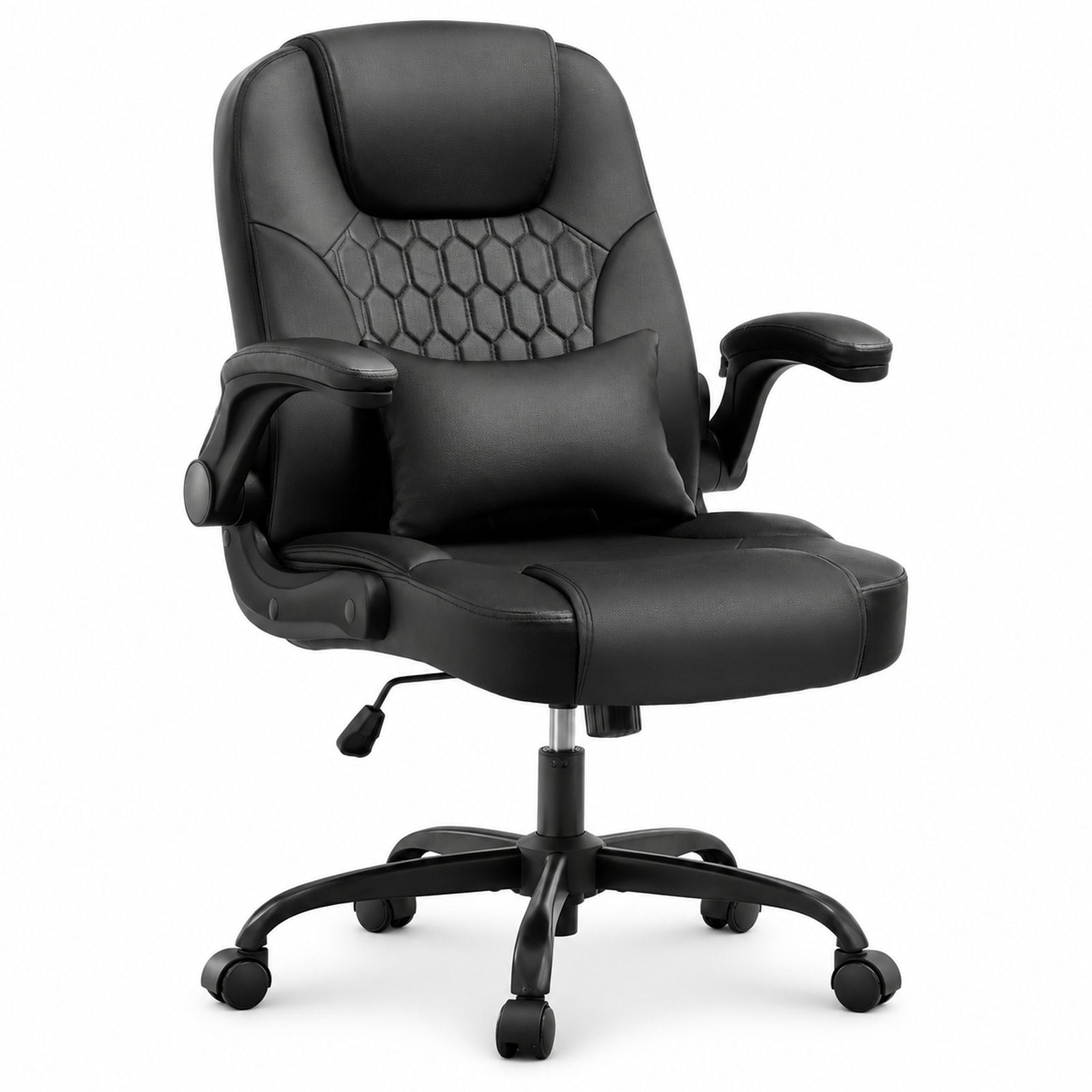
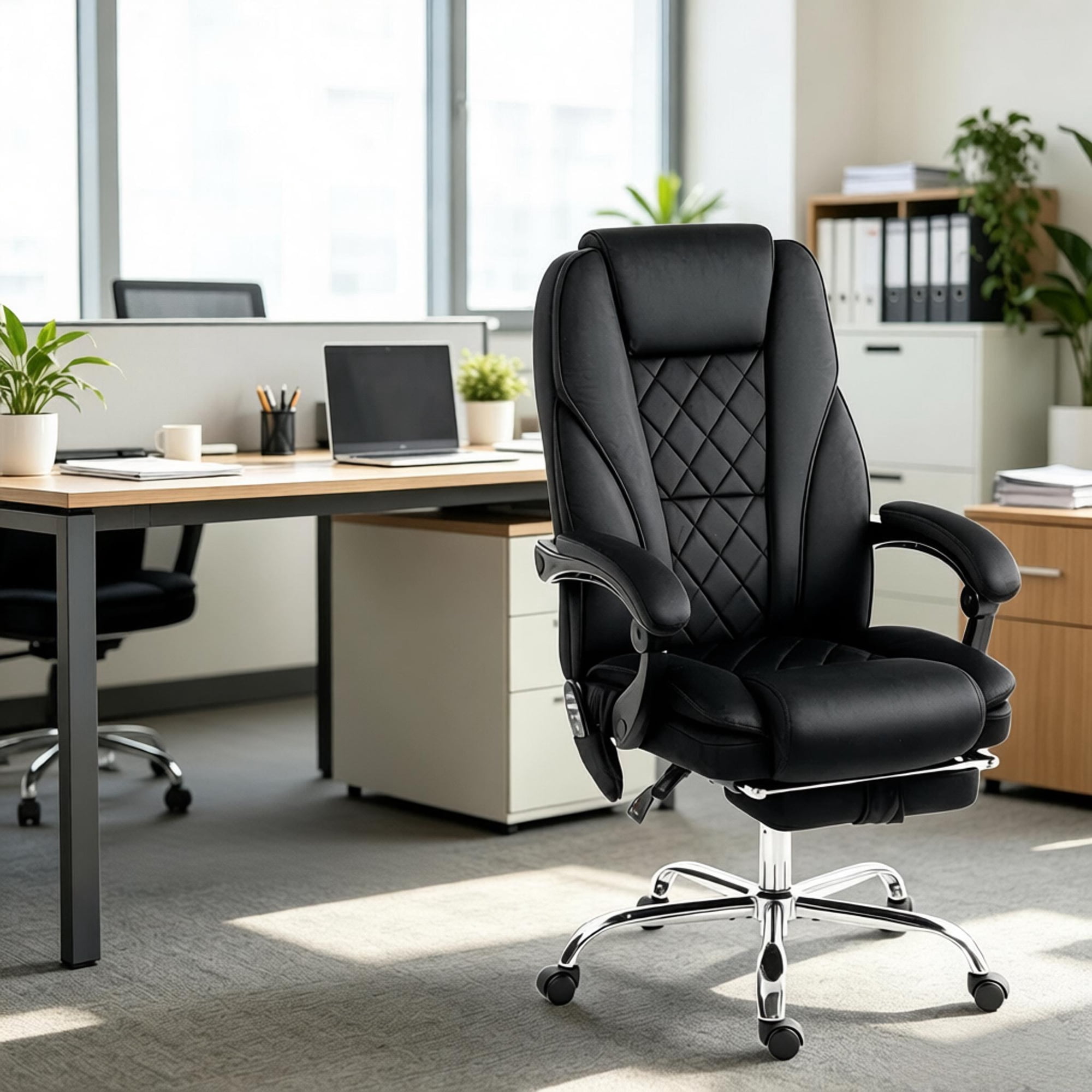
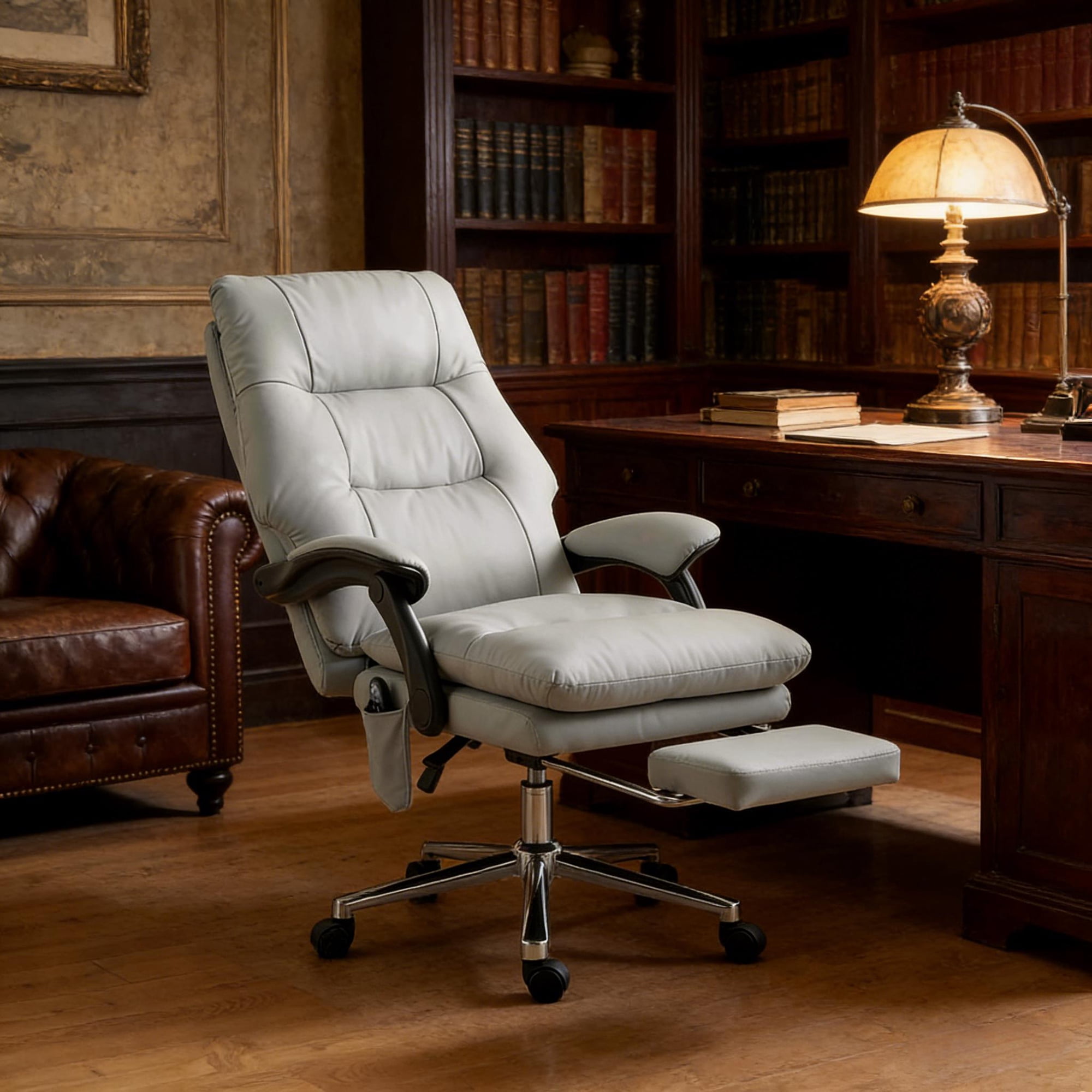
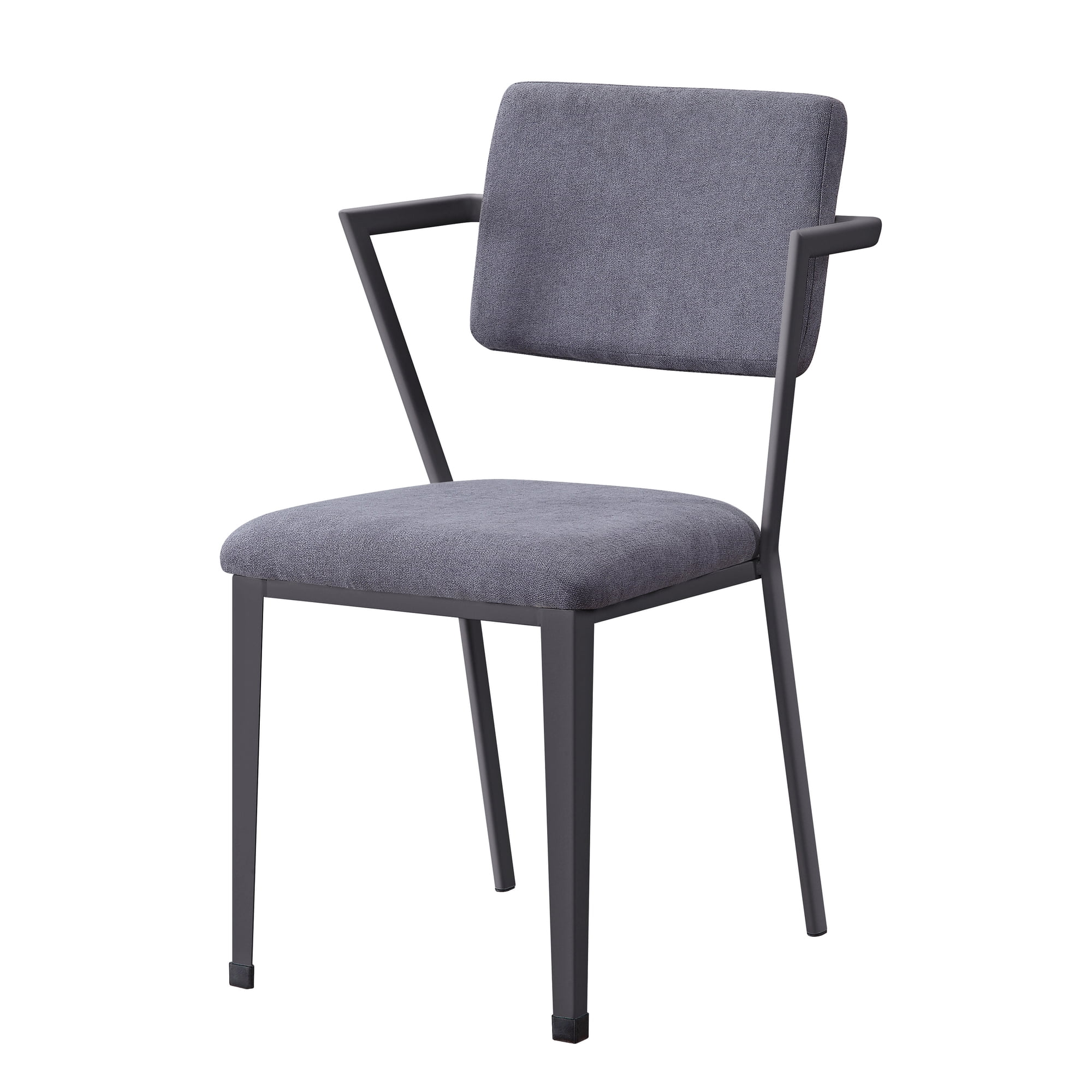
Why a Petite Office Chair Transforms Your Workday
If you're 5'4" or under, you've likely experienced the frustration of a "standard" office chair: the seat pan digs into your thighs, the lumbar support hits your shoulders, and you need a footrest just to sit comfortably. A petite office chair solves these mismatches. It’s not just smaller—it’s proportionally engineered. With the right chair, your posture improves, circulation stays healthy, and you can focus on work instead of constant fidgeting.
📊 study According to the Human Factors and Ergonomics Society, approximately 32% of the workforce is under 5'5". Yet most office chairs are designed for the 50th percentile male. A petite-specific chair can reduce shoulder strain by 58% and thigh pressure by 47%.
Anatomy of a Perfectly Fitting Petite Office Chair
Rather than just shrinking a regular chair, quality petite chairs re-think every dimension. Here are the five critical measurements you must check before buying.
1. Seat Height Range (The Non-Negotiable)
For a petite person, the lowest seat height is everything. Standard chairs often start at 18–19 inches, which forces your feet to dangle. A true petite chair should lower to 16–17 inches (or less). This lets your feet rest flat, distributing weight evenly and preventing lower back strain.
2. Seat Depth: The “Two-Finger” Rule
When you sit back against the chair, there should be 2–3 fingers width between the back of your knee and the seat edge. Standard depths (17–18 inches) often press into the backs of shorter legs. Look for a seat depth of 15–16 inches or adjustable seat-sliding mechanism. This avoids circulation restriction and numbness.
3. Backrest Height & Lumbar Positioning
Petite users have shorter torsos. Lumbar support on a standard chair often hits too high (near the shoulder blades), causing slouching. Look for a backrest height under 22 inches and adjustable lumbar that can be lowered. Some petite chairs have built-in lumbar that is naturally positioned lower (around 7–9 inches from seat).
4. Armrest Adjustability (Narrowing the Gap)
Armrests that are too wide force you to lean or shrug. Petite chairs often have armrests that can be moved inward, or are narrower by design (around 16–18 inches between them). 4D or 3D armrests are excellent because you can bring them closer to your torso and lower them to match desk height.
5. Seat Width and Taper
While not always narrower, many petite chairs feature a slightly tapered seat (17–19 inches wide) to accommodate smaller hips without excess space, helping you maintain neutral alignment. A contoured seat cushion also prevents sliding forward.
Quick Checklist: What to Look For
- Minimum seat height: at or below 16.5 inches
- Seat depth range: 15–16.5 inches (or adjustable slide)
- Backrest height: under 23 inches (preferably 20–22)
- Lumbar adjustment: height-adjustable or fixed low-profile curve
- Armrest width: narrowable to 16 inches or less
- Weight capacity: 250–300 lbs (still strong despite compact frame)
📈 research A study from the Back Association found that 78% of office workers under 5'3" reported less mid-back pain after switching to a chair with a seat depth under 16 inches and a backrest under 22 inches. Proper fit directly reduces musculoskeletal load.
Materials and Styles That Work for Petite Frames
Smaller chairs don't have to sacrifice style or durability. Here's how material choice affects the petite experience:
Breathable Mesh
Ideal for petite backs — mesh wraps closely without adding bulk, and offers flexible lumbar support.
Slim-profile Leather
Premium leather on compact frames looks sharp. Ensure it's not too thick to avoid stiffness.
Fabric with Stretch
Allows the seat to conform to smaller contours; often more forgiving and cozy.
Minimalist Design
Chairs without oversized headrests or bulky wings keep proportions elegant.
Your 5‑Step Petite Chair Selection Process
Petite vs Standard Office Chair: Critical Differences
| Feature | Petite Chair | Standard Chair |
|---|---|---|
| Seat height range | 15.5" – 19" | 18" – 22" |
| Seat depth | 15.5" – 17" (or adjustable) | 17.5" – 20" |
| Backrest height | 19" – 22" | 23" – 27" |
| Lumbar zone (from seat) | 6" – 9" | 8" – 12" |
| Armrest minimum width | 15" – 17" | 18" – 21" |
💡 Note: Always verify manufacturer specs, as “petite” is not a regulated term. Some compact chairs still use standard dimensions — read carefully.
Frequently Asked Questions About Petite Office Chairs
Final Thought: Fit First, Features Second
A petite office chair isn't a luxury—it's a necessity for ergonomic health if you're built smaller. You wouldn't wear shoes three sizes too big, so why spend hours in a chair that doesn't fit? By focusing on seat height, depth, and lumbar position, you’ll find a chair that disappears beneath you, letting you focus on work, not discomfort. Browse our curated products above—each was selected because its dimensions truly suit petite frames. And remember, a good chair pays for itself in comfort and productivity within weeks.