
Why Your Desk Setup Needs a High Back Ergonomic Office Chair
Think of your spine as a delicate suspension bridge. Each vertebrae is a section of the roadbed, and your muscles are the cables holding everything in perfect alignment. Now, imagine that bridge suddenly has to support a heavy load for eight to ten hours a day—but only in one small section. That's what happens to your lower back in a cheap, non-ergonomic chair. A high back ergonomic office chair acts like a full set of support cables for that entire bridge, distributing the load from your pelvis all the way up to your head.
For anyone spending a significant portion of their day at a desk, the choice of seating is not just about comfort—it's a long-term health investment. According to the World Health Organization, over 60% of the workforce in developed countries spends their day seated, and back pain is the single leading cause of disability worldwide. A well-designed ergonomic chair with a high backrest is your first line of defense against becoming a statistic.
Data Point: A study published in the journal "Applied Ergonomics" found that using an ergonomic chair with proper lumbar and thoracic support reduced perceived discomfort by 54% and increased productivity by 17.5% among office workers over a six-month period.
The "All-Day" Comfort Factor
A standard office chair might feel fine for the first hour, but by 3 PM, you're probably shifting, squirming, or leaning forward to relieve pressure. A high back ergonomic chair is engineered for the long haul. Its height ensures that your upper back and shoulders have a surface to rest against, preventing the hunching that leads to "computer shoulder" and chronic fatigue. It's not just a chair; it's a supportive infrastructure for your workday.
Decoding the High Back Design: More Than Just Height
The term "high back" might sound simple, but in the world of ergonomics, it represents a philosophy of total spinal support. Unlike mid-back chairs that focus only on the lumbar curve, a high back chair is designed to cradle the entire posterior chain. Let's break down the anatomy of a great one.
1. The Three Zones of Support
A quality high back ergonomic chair supports you in three distinct zones:
- Pelvic & Lumbar Zone (The Base): This is the foundation. A seat with proper depth and a waterfall edge prevents pressure on the backs of your thighs. The lumbar support here should be adjustable to fit the natural inward curve of your lower spine. Without it, you slump.
- Thoracic & Mid-Back Zone (The Bridge): This is the unique benefit of a high back. The contoured backrest supports your shoulder blades and mid-spine, encouraging you to sit up straight rather than rounding your shoulders forward. This is crucial for open airways and reduced upper back tension.
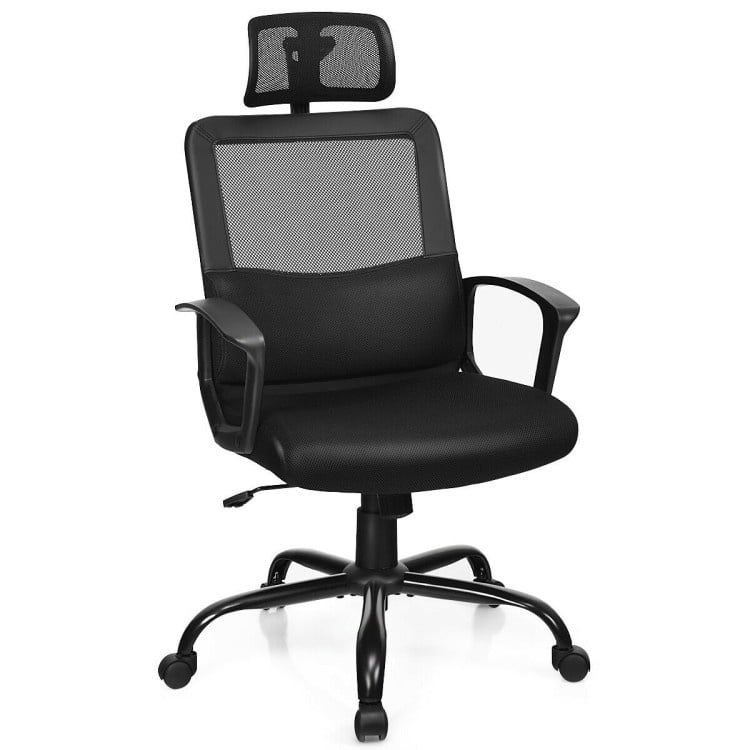
- Cervical & Head Zone (The Crown): The headrest. This isn't just for napping. A well-placed headrest supports the weight of your head (about 10-12 lbs) during micro-breaks, phone calls, or when you simply lean back to think. It prevents your neck from craning forward, combating "tech neck."
2. Adjustability: The "One Size Fits One" Principle
A high back chair is only ergonomic if it fits *you*. Here are the non-negotiable adjustments to look for:
Seat Depth (Slider)
Allows you to adjust the seat pan length so there's a 2-3 finger gap between the back of your knee and the seat. This ensures proper thigh support without cutting off circulation.
Lumbar Depth & Height
Look for a mechanism that pushes in/out (depth) and moves up/down (height). This dials in the support precisely to the curve of your lower back, not just somewhere near it.
4D Armrests
Your arms shouldn't dangle. Armrests that adjust up/down, forward/back, left/right (pivot), and width allow your elbows to rest at a 90-degree angle, taking the load off your shoulders.
Tilt Tension & Lock
The ability to recline smoothly and lock the chair at your preferred angle is vital. It changes the pressure points throughout the day and allows for dynamic sitting, which is healthier than static posture.
Headrest Articulation
A fixed headrest is often useless. Seek a headrest that adjusts vertically and tilts to cradle the back of your head, not push your neck forward.
3. Material Matters: Mesh vs. Upholstery
The debate often comes down to breathability versus plushness.
- High-Back Mesh Chairs: These are excellent for warmer climates or anyone who tends to run hot. The mesh back allows air to circulate, preventing that sticky, sweaty feeling against your back. Modern mesh is also surprisingly durable and offers good tensioned support.
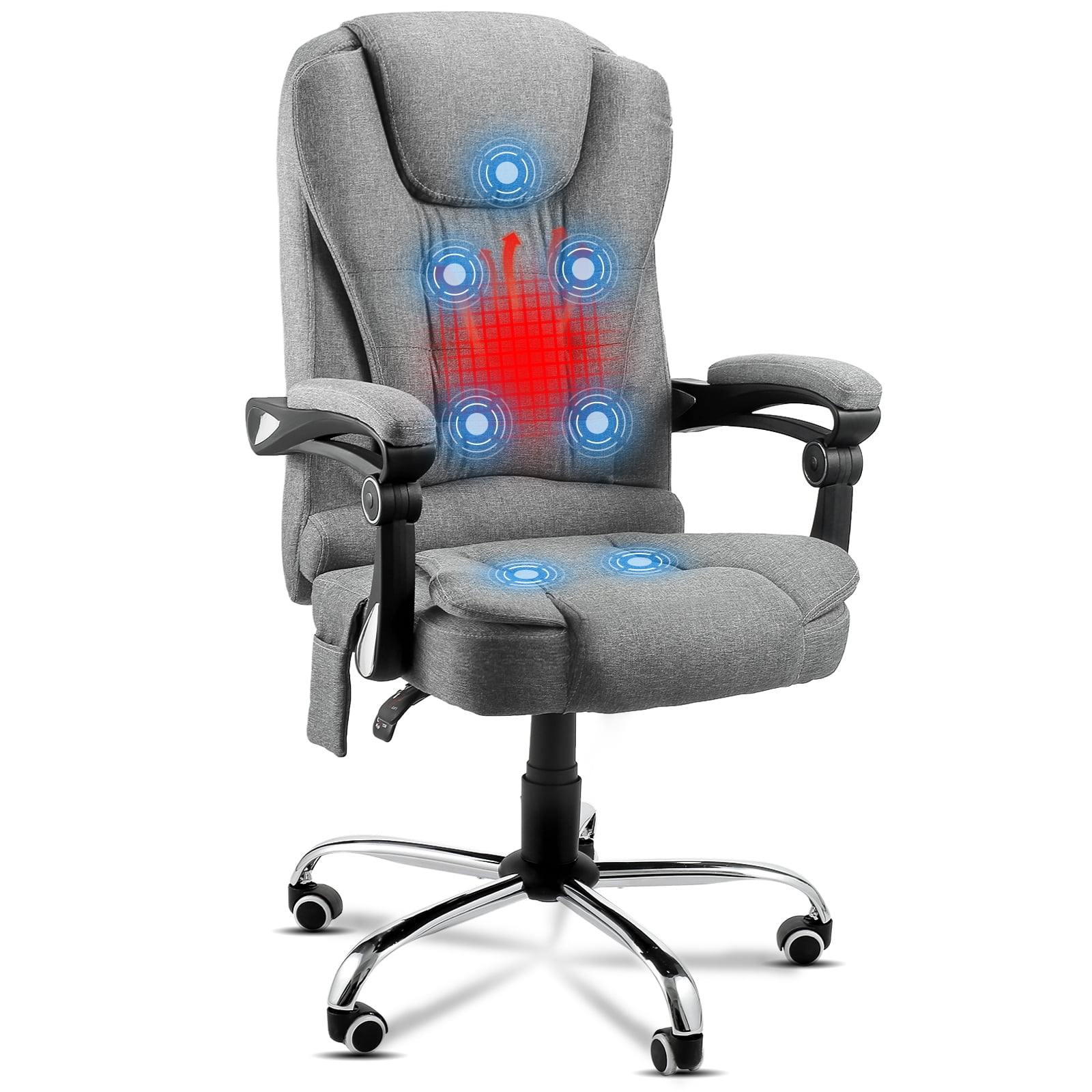
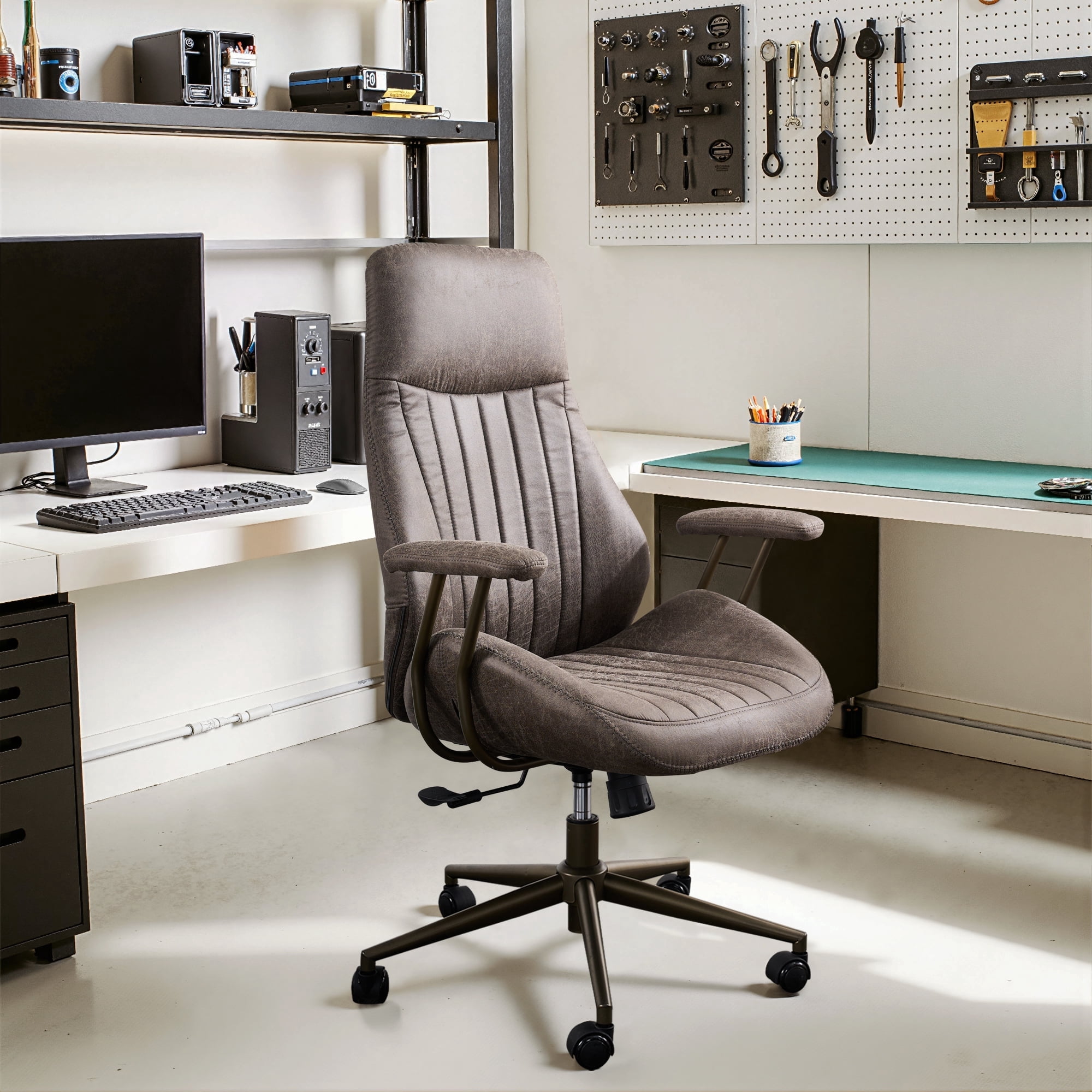
- High-Back Upholstered Chairs (Leather/Fabric): These offer a plusher, more "executive" feel. High-density foam provides a different kind of comfort, almost like a cushion. However, they can be warmer. For all-day use, look for chairs with breathable fabric or perforated leather.
Many modern hybrid designs use a mesh back for breathability and a padded seat for comfort, offering the best of both worlds in a high back frame.
How to Choose the Right High Back Ergonomic Chair for Your Body
Selecting a chair can feel overwhelming, but by breaking it down into a simple checklist, you can make an informed decision. Treat this like a buying guide for your own personal ergonomic throne.
Step 1: Measure Your Proportions
- Your Height: Very important for a high back chair. If you are over 6'2", you need to check the total backrest height to ensure your shoulders and head will be supported.
- Your Weight: Always check the chair's weight capacity. Look for a rating that exceeds your weight by at least 20-30 lbs to ensure the gas lift and base are robust and durable.
- Desk Height: Measure from the floor to the underside of your desk. When you raise the chair to a comfortable sitting position (feet flat, thighs parallel to floor), you need enough clearance for your legs and the chair's armrests to slide under the desk.
Step 2: Match Features to Your Work Style
For the "Lean-Forward" Focuser: Prioritize a chair with an excellent forward-tilt mechanism and a firm, responsive mesh back that keeps you engaged without slouching.
For the "Multi-Tasker" & Thinker: You need a chair with a smooth recline and a reliable lock. The ability to lean back and ponder while keeping your feet on the ground is key. A great headrest is non-negotiable here.
For the Tall User: Backrest height is king. Look for chairs explicitly designed for taller frames, often with extra-long seat sliders and higher weight capacities for stability.
Step 3: The "15-Minute Test" (Simulate at Home)
Once your chair arrives, don't just sit in it for 2 minutes. Spend at least 15 minutes doing your typical tasks. Type an email, read a document, and lean back to take a phone call. Pay attention to these pressure points:
- Is the headrest hitting the right spot on your neck?
- Does the lumbar support feel like it's filling the curve of your back, or is it poking you?
- Are your feet flat on the floor with your thighs supported without pressure behind the knees?
- Can you easily reach and adjust all the levers while seated?
Adjust everything, use it for a few hours, and then fine-tune again. Your body will tell you what works.
Frequently Asked Questions About High Back Ergonomic Office Chairs
Conclusion: Invest in Your Most Valuable Asset—Your Body
Choosing a high back ergonomic office chair is one of the most important decisions you can make for your professional life and long-term health. It's easy to underestimate the cumulative toll that poor seating takes on your body, but the evidence is clear: back pain, neck stiffness, and fatigue are not inevitable parts of desk work. They are often symptoms of a poorly designed workspace.
By investing in a chair that supports you from your hips to your head, you're not just buying furniture; you're buying better focus, higher energy levels at the end of the day, and a future with fewer aches and pains. Use the guides and questions above to find the chair that perfectly fits your body and work style. Your spine will thank you for years to come.
Your Next Step
Start by prioritizing the three key zones: strong lumbar support, a contoured mid-back, and an adjustable headrest. Don't compromise on adjustability—the more you can customize, the better the fit. And remember, the perfect chair is the one you forget you're sitting in because you're so focused on your work.