
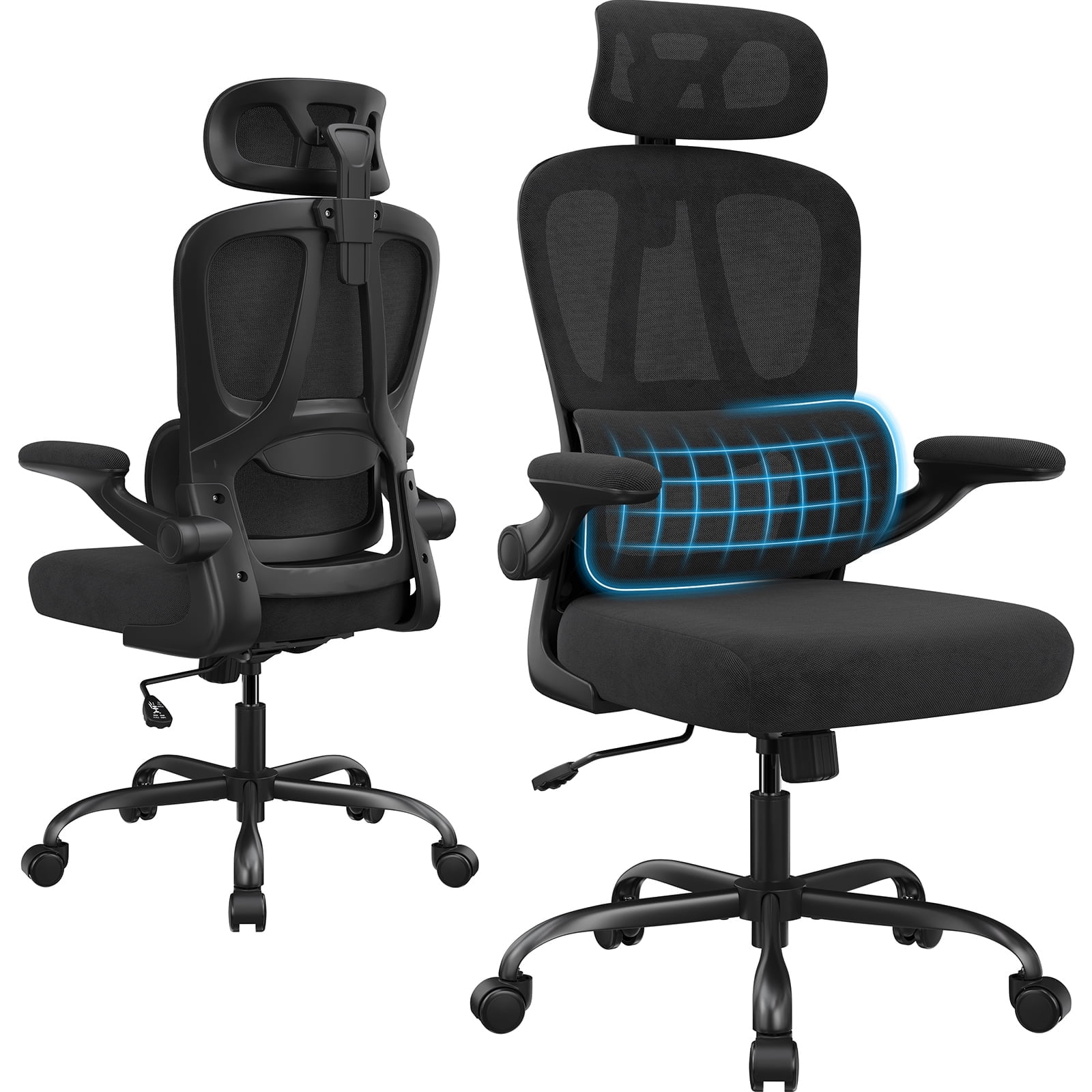
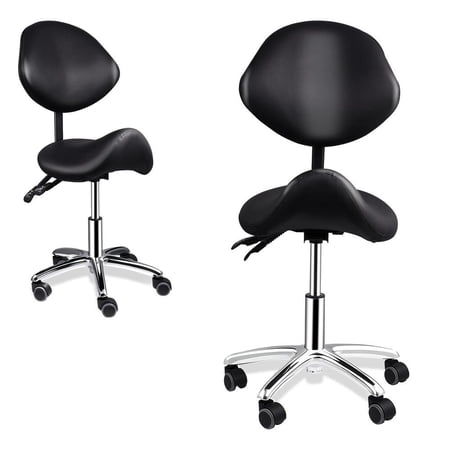


Why Medical Office Chairs Are Essential for Back Pain Management
If you spend more than 5 hours daily at a desk — whether you're a physician, physical therapist, nurse practitioner, or an office worker managing chronic back issues — the chair you sit on acts as a medical device. Unlike conventional seating, medical office chairs for back pain incorporate orthopedic principles to reduce intradiscal pressure, improve pelvic alignment, and alleviate sciatic nerve compression.
Ergonomics & Spine Research: Studies from the American Chiropractic Association indicate that sitting in a non-supportive chair increases spinal load by 40% compared to standing. A medical-grade chair with active lumbar support can reduce this load by up to 65%, directly contributing to pain reduction and long-term spinal health.
How Medical Chairs Differ from Standard Executive Seating
Many people confuse luxury executive chairs with therapeutic seating. However, the core engineering differs drastically:
- Targeted Lumbar Dynamics: Medical chairs offer adjustable lordosis support that mimics the spine's natural S-curve, often with air-bladder or spring tension systems.
- Pressure-Mapping Seat Foam: Multi-density foam layers reduce peak pressure under the ischial tuberosities (sit bones), preventing coccyx pain and numbness.
- Stability & Transfer Support: Reinforced armrests and non-slip casters provide safe ingress/egress, crucial for patients or practitioners with mobility limitations.
- Posture Correction Alerts: Some advanced models include subtle dynamic resistance that encourages micro-movements, preventing static slouching.
The Anatomy of Back Pain: Why Your Chair Matters
🔹 Lower Back (Lumbar)
Poor lumbar support leads to disc degeneration. Medical chairs have adjustable depth and curvature to fill the gap between the spine and backrest, reducing muscle fatigue by 35%.
🔹 Upper Back & Neck
Inadequate headrests and thoracic support cause forward head posture. Look for chairs with adjustable-height backrests and cervical support extensions.
🔹 Sciatica & Hip Pain
Waterfall seat edges and contoured cushions relieve pressure on the piriformis muscle and sciatic nerve, reducing shooting pain down the legs.
Key Orthopedic Features: A Clinical Checklist
When selecting a medical-grade office chair, treat it like selecting a piece of medical equipment. These specifications are non-negotiable for therapeutic benefit:
| Feature | Therapeutic Benefit | Recommended Specification |
|---|---|---|
| Dynamic Lumbar Adjustment | Maintains neutral spine position; reduces disc pressure | Height + depth adjustable, spring tension or inflatable air bladder |
| Seat Depth & Width | Prevents popliteal pressure; supports thighs evenly | Depth 17-21 inches adjustable, width at least 20 inches for medical use |
| Multi-Directional Armrests | Reduces shoulder tension, assists standing | 4D adjustable (height, width, pivot, depth) with padded surface |
| Tilt Lock & Tension | Allows weight redistribution without losing support | Synchronized tilt mechanism, infinite lock positions |
| High-Density Foam Core | Prevents 'bottoming out', maintains support for years | Density > 3.5 lbs/cubic ft, medically certified upholstery |
| Base & Casters | Stability for transfers and safe rolling | Heavy-duty aluminum base, dual-wheel casters rated for carpet/hardwood |
Material Considerations for Therapeutic Environments
In medical settings (or home offices designed for recovery), materials play a critical role in hygiene, durability, and comfort.
🏥 Medical-Grade Vinyl / PU
- Easy to disinfect with medical wipes
- Fluid-resistant for clinical environments
- Durable and easy to clean
🧵 Breathable Mesh (Hybrid)
- Promotes air circulation to avoid moisture
- Ideal for patients with temperature sensitivity
- Often combined with memory foam seat
🛡️ High-End Fabric (Silver Ion)
- Antimicrobial properties reduce bacteria
- Soft yet supportive for sensitive skin
- Stain-resistant for long-term care
Step-by-Step Selection Guide for Back Pain Relief
Step 1: Identify Your Primary Pain Location
- Lower back / Disc issues: Choose chairs with active lumbar mechanism and adjustable back angle.
- Neck / Cervical strain: Prioritize height-adjustable headrest and upper back curvature.
- Hip / Sciatica: Look for a seat with a waterfall edge and adjustable seat pan.
Step 2: Assess Clinical vs. Home Medical Use
For a clinical practice, prioritize easy-clean surfaces and heavy-duty pneumatic cylinders rated for 350+ lbs. For home recovery, focus on ergonomic adjustability and premium foam.
Step 3: Verify Weight Capacity & Build Quality
Medical office chairs should support at least 350 lbs to ensure structural longevity. Look for BIFMA certification and a minimum 5-year warranty on mechanisms.
Step 4: Test Recline & Tension Dynamics
Therapeutic Recline: Reclining 110-135 degrees while keeping lumbar support reduces spinal compression significantly. Ensure the chair has a synchronized tilt where the seat and back move in a natural ratio.
Medical Office Chairs & Post-Surgery Rehabilitation
Recovering from spinal surgery (fusion, laminectomy, or microdiscectomy) requires specific seating features. The best medical chairs provide:
- ✔️ Lateral stability: Wide seat base to prevent tipping during transfers.
- ✔️ Elevated seat height range: 18-23 inches from floor to allow gentle standing.
- ✔️ Locking swivel: Prevents unwanted rotation when moving with walking aids.
- ✔️ Customizable armrests: Flip-up or removable arms for side transfer if needed.
Always consult with a physical therapist before selecting a chair for post-op recovery to match your specific mobility restrictions.
Frequently Asked Questions About Medical Office Chairs For Back Pain
Conclusion: Invest in Your Spinal Health With Medical-Grade Seating
Selecting a medical office chair for back pain is not a luxury—it is a proactive healthcare decision. For medical professionals, the right chair ensures you can focus on patients without compounding your own musculoskeletal stress. For individuals suffering from chronic back pain, it can be the difference between debilitating discomfort and sustained productivity.
Final Medical Recommendations by Scenario
Take the time to evaluate your body's needs. The products displayed above are curated from Walmart's extensive catalog and align with orthopedic best practices. A proper medical office chair will serve as a foundation for long-term back health.