
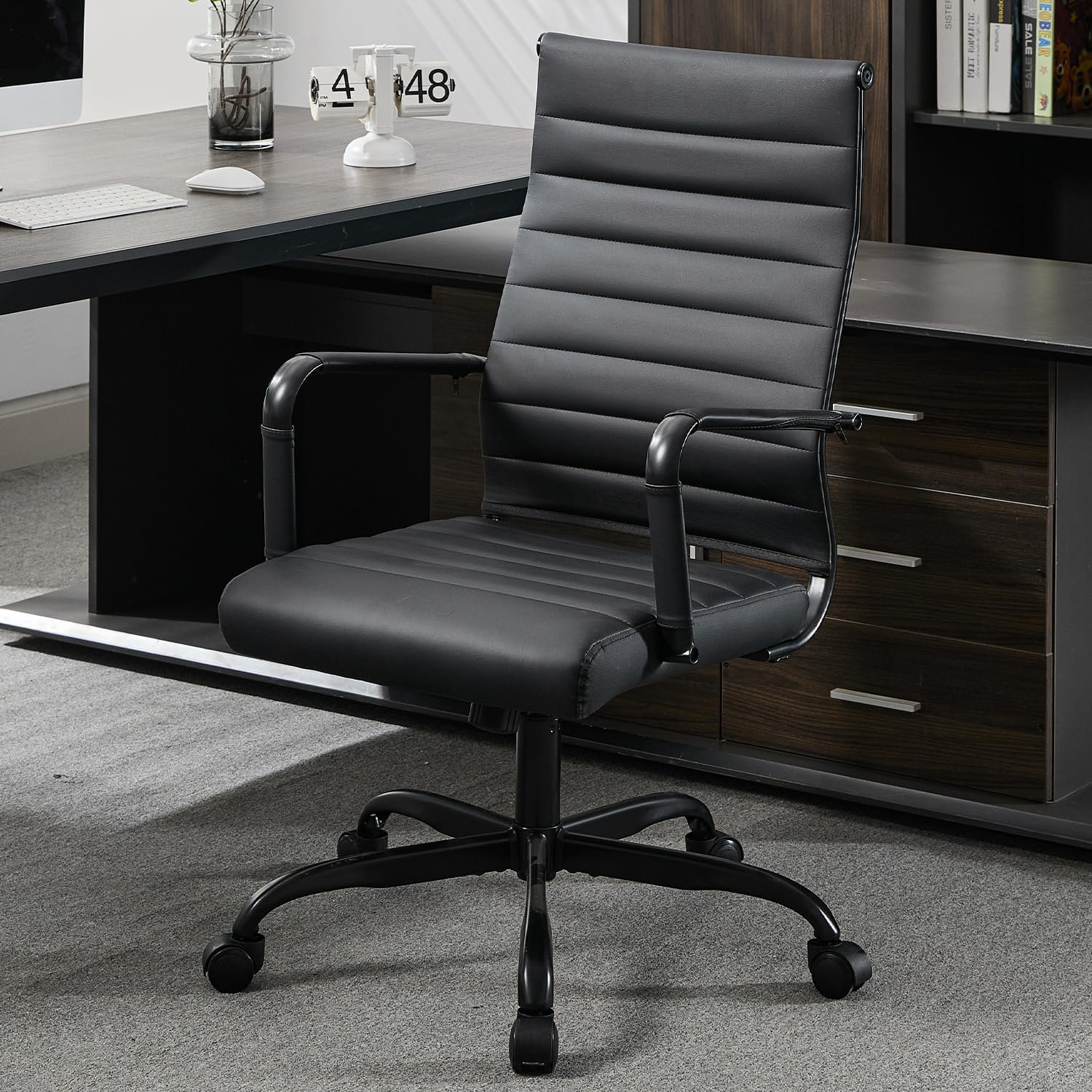
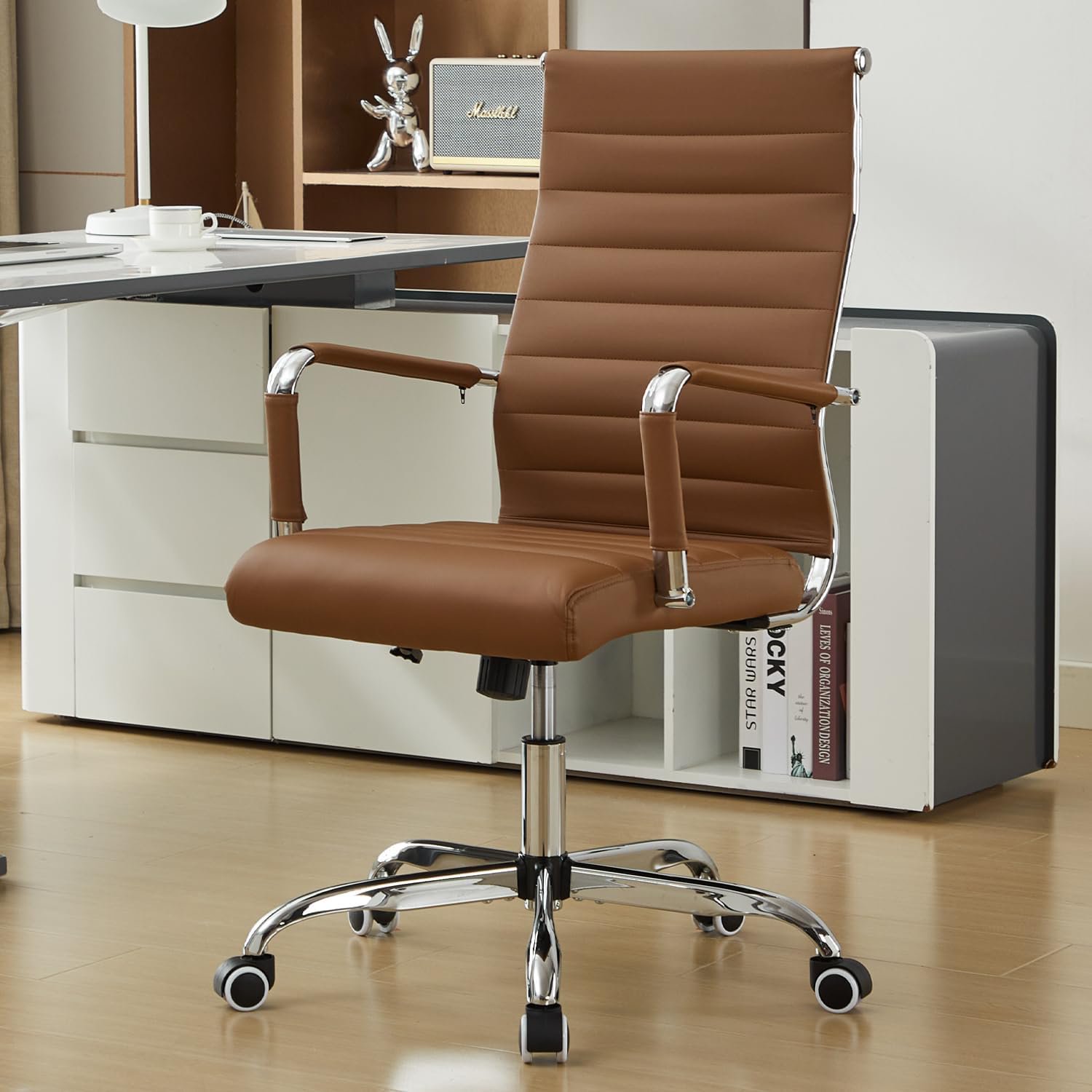
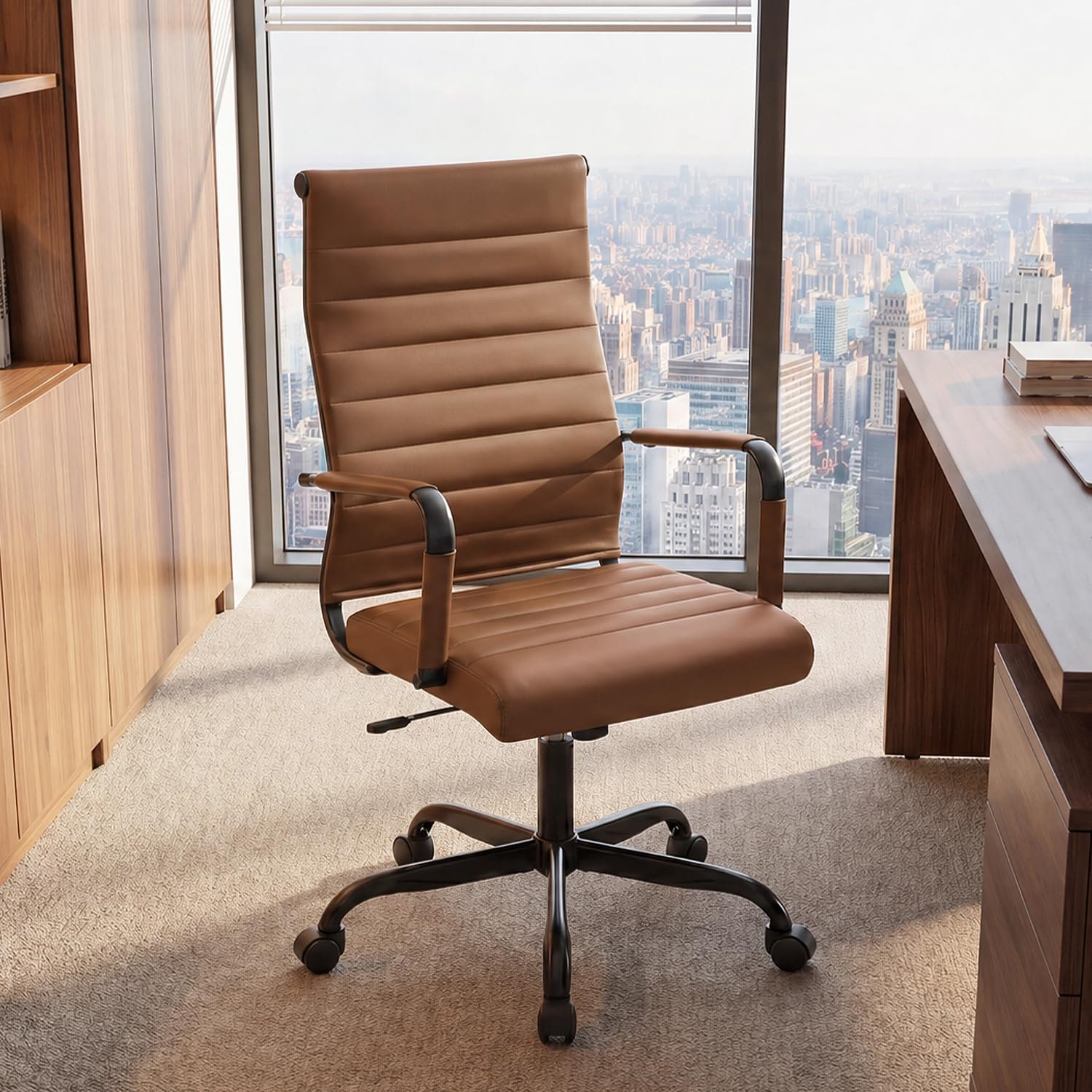
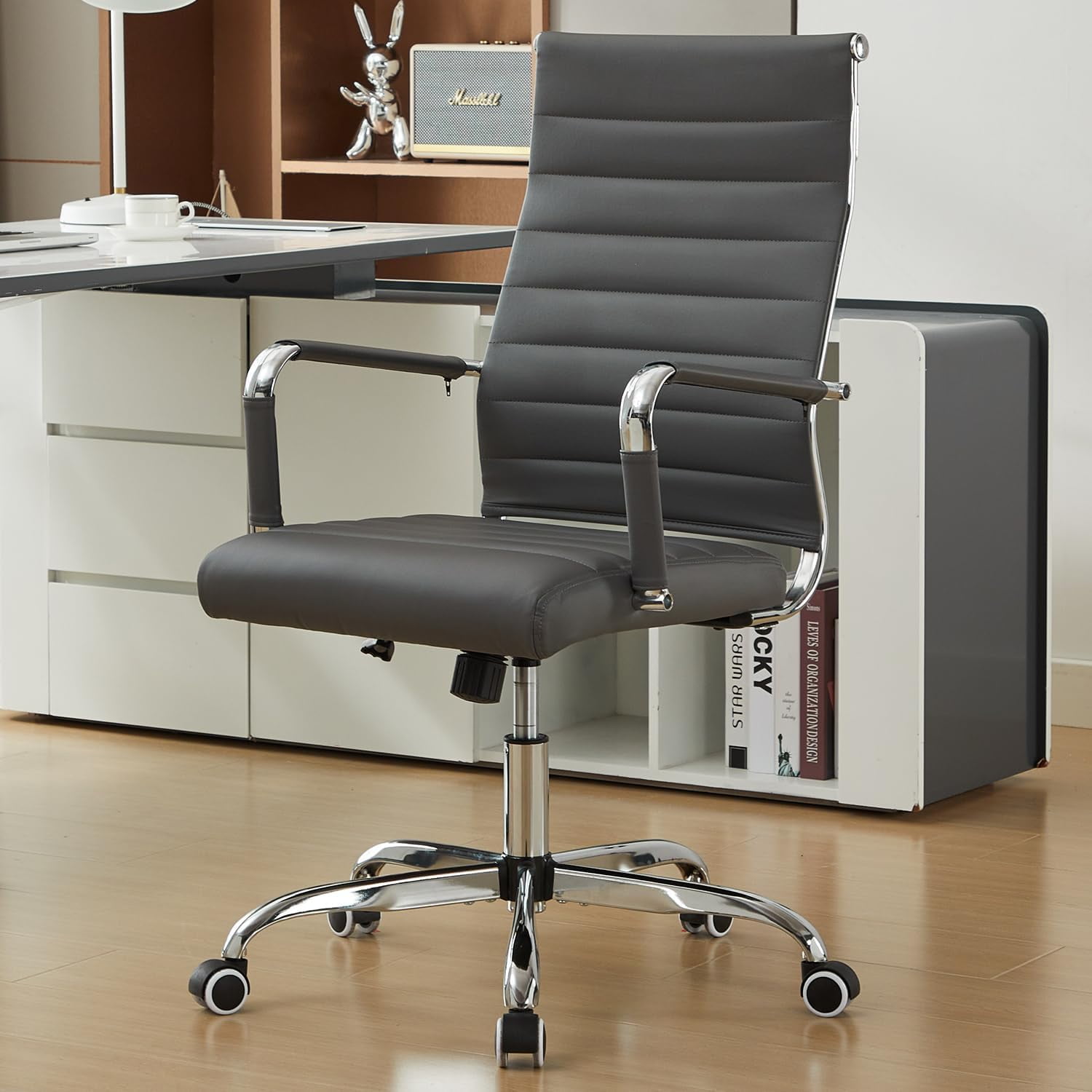
Why Mobility Matters: The Power of Office Chairs on Wheels with Arms
In today's dynamic work environment, being anchored to one spot isn't just inefficient—it can be detrimental to your health and productivity. Office chairs on wheels with arms offer a solution that combines freedom of movement with the crucial support your body needs. Imagine seamlessly gliding from your main monitor to a side desk, turning to participate in a team huddle, or simply repositioning to give your back a break—all without straining to reach or adjust your posture.
Mobility Insight: Research on workplace dynamics indicates that professionals who use mobile seating solutions move up to 30% more during the workday. This subtle increase in movement can lead to better circulation, reduced muscle stiffness, and improved focus, as small movements help keep the mind and body engaged.
The Synergy of Wheels and Arms
While a chair with wheels offers freedom, the inclusion of well-designed arms transforms it from a simple mobile seat into a comprehensive ergonomic tool. Here’s how they work together to benefit you:
- Effortless Transitions: High-quality wheels, especially rollerblade-style casters, allow for silent, smooth movement across any floor type. This makes moving around your office space feel natural, not like a chore.
- Upper Body Support on the Go: As you move and your tasks change, having adjustable arms ensures your forearms, wrists, and shoulders are always supported at the correct angle, preventing fatigue and strain.
- Enhanced Dynamic Posture: A rolling chair encourages you to change postures throughout the day. With armrests, you can shift from a focused typing position to a more relaxed reclined thinking posture, all while maintaining support.
- Reach Without Strain: Instead of overextending your back or shoulders to reach a printer, file cabinet, or colleague, you can simply roll over. This protects your spine from awkward twisting movements.
Choosing Your Perfect Rolling Chair: A Detailed Guide
Selecting the right mobile chair involves looking beyond just aesthetics. Focus on these critical components to ensure you get a chair that enhances your workflow and supports your body.
1. The Wheels: Your Foundation for Movement
The wheels, or casters, are the most defining feature of a rolling chair. Choosing the right type for your floor is essential for both mobility and floor protection.
Hard Floor Casters (Soft Rubber/ PU)
Ideal for hardwood, laminate, tile, and concrete. These wheels are made from soft, non-marking materials that provide a smooth, quiet glide and will not scratch or damage delicate surfaces. They offer a bit more resistance than hard casters, which is beneficial for controlled movement on smooth floors.
Carpet Casters (Hard Nylon)
Specifically designed for low to medium-pile carpet. Hard nylon wheels are larger and have a harder surface, allowing them to roll over carpet fibers easily without getting stuck. They provide excellent maneuverability on plush surfaces where soft casters would fail.
Rollerblade / Universal Casters
The premium choice. These feature polyurethane wheels mounted on a ball-bearing system, offering the smoothest and quietest glide on any surface. They're durable, floor-safe, and provide an almost frictionless movement experience, making them a favorite upgrade for any rolling office chair.
2. The Arms: The Unsung Heroes of Ergonomics
Arms on a rolling chair are not just for comfort; they are a critical ergonomic feature that prevents upper body pain.
- Height Adjustable: Allows you to position the armrest so your shoulders are relaxed and your elbows form a 90-degree angle when typing. This is the most fundamental adjustment.
- Width Adjustable: Enables you to bring the armrests in for a snug, supportive fit or move them out to accommodate a larger body frame or for tasks that require more space.
- Pivot / Angle Adjustable: These high-end arms can pivot inward to support your forearms when typing or writing, and rotate outward to allow for easy entry and exit from the chair.
- Soft Padding: Look for armrests with generous padding made from memory foam or soft PU leather to prevent pressure points on the sensitive ulnar nerve in your elbows and forearms.
Mobility & Support: A Comparative Look at Wheel and Arm Features
| Feature Category | Standard Chairs (Stationary/Limited Arms) | Office Chairs on Wheels with Arms |
|---|---|---|
| Movement Range | Limited to swivel only; requires twisting and stretching | Full 360-degree mobility across the entire workspace |
| Upper Body Strain | Higher risk of shoulder, neck, and wrist strain from reaching | Significantly reduced; arms stay supported while moving |
| Productivity | Decreased due to friction in accessing different work zones | Increased; seamless transitions between tasks and tools |
| Ergonomic Adjustment | Often minimal; may have fixed or simple armrests | High; multi-dimensional adjustable arms paired with dynamic movement |
| Postural Variety | Encourages a static, fixed posture for long periods | Promotes active sitting and frequent posture changes |
Health and Productivity Benefits of a Mobile, Supportive Chair
Boosts Circulation
The simple act of rolling to a new spot encourages leg movement and prevents blood from pooling, reducing the risk of deep vein thrombosis and keeping you energized.
Reduces Shoulder & Neck Pain
By allowing you to bring your work to you, rather than reaching for it, and by providing arm support, these chairs dramatically cut down on upper body tension.
Increases Collaboration & Engagement
Physically being able to move towards a colleague or meeting area invites spontaneous interaction and makes you feel more present and engaged in a team environment.
Protects Your Back
Swiveling and twisting from a stationary position is a major cause of back strain. A rolling chair allows you to move your entire body, keeping your spine aligned and safe.