
Why Cervical Support Matters in Your Office Chair
Your cervical spine—the seven vertebrae in your neck—is a marvel of engineering, supporting the weight of your head (10-12 pounds) while allowing a remarkable range of motion. However, when you spend hours at a desk, poor posture can place up to 60 pounds of pressure on this delicate area. This strain often leads to tension headaches, shoulder stiffness, and chronic cervical issues.
Ergonomic Insight: Studies from the American Chiropractic Association indicate that forward head posture—where the ears are positioned ahead of the shoulders—can increase the load on the cervical spine by up to 42 pounds. An ergonomic office chair for cervical problems is designed to combat this, promoting neutral head alignment and reducing cumulative strain.
Key Cervical-Support Features to Look For
Not all office chairs are created equal when it comes to neck health. These specific features directly address cervical problems:
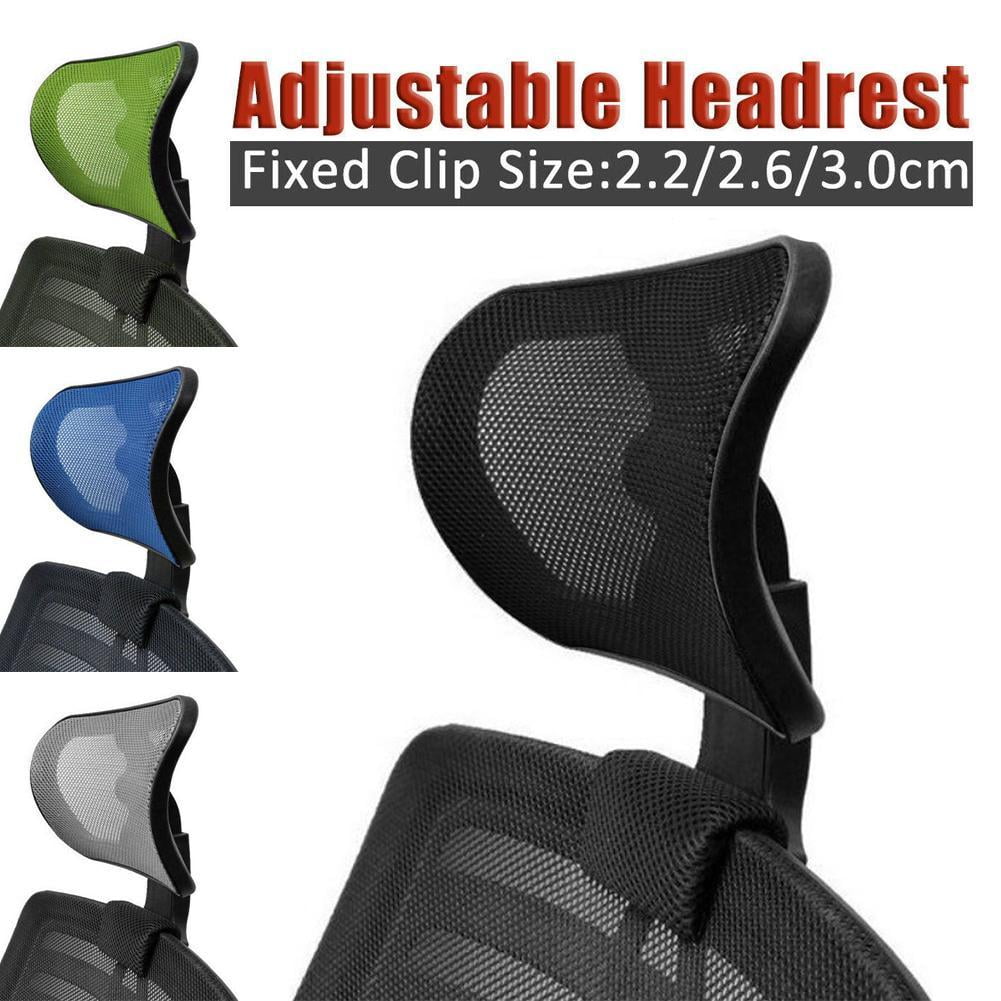
- Adjustable Headrest (2D or 3D): A must-have feature that supports the natural curve of your neck, preventing the "chin-forward" posture that strains cervical muscles.
- Curved Upper Back Support: Provides a resting point for the thoracic spine, which is directly connected to cervical stability.
- Independent Lumbar Support: Maintaining the lower back's natural curve prevents the domino effect of poor posture that reaches the neck.
- 4D Armrests: Allow you to rest your arms comfortably, keeping shoulders down and relaxed to minimize tension in the upper trapezius.
- Seat Depth Adjustment: Ensures you can sit with your back fully against the chair, essential for headrest effectiveness.
The Anatomy of a Cervical-Friendly Chair
Understanding how each component works together helps you make an informed choice. Think of a quality cervical-support chair as a system that cradles your spine from the pelvis upward, culminating in precise head and neck support.
| Component | Role in Cervical Health | What to Look For |
|---|---|---|
| Headrest Assembly | Directly supports the cervical curve, reducing muscle fatigue and preventing forward head posture. | Height-adjustable, angle-tilt (at least 30°), and ideally forward/backward adjustment. Contoured shape to cradle the neck. |
| Backrest Contour | Promotes a neutral spinal curve from the pelvis to the head. A straight or poorly contoured back can push the head forward. | High-back design with a subtle S-curve. Should support the thoracic and lumbar regions to create a foundation for the headrest. |
| Lumbar Mechanism | Stabilizes the lower spine, preventing the pelvis from tilting backward, which often leads to a hunched posture and neck strain. | Independent height and depth adjustment. Dynamic lumbar support that moves with you is even better. |
| Armrest System | Supports the weight of the arms, reducing the load on the trapezius and levator scapulae muscles, which connect to the cervical spine. | Height, width, and pivot adjustment. Padded surfaces that allow elbows to rest at a 90-degree angle. |
Common Cervical Conditions & How the Right Chair Helps
Cervical Spondylosis
Adjustable headrest provides customized support to reduce pressure on degenerating discs, while proper lumbar support helps maintain overall spinal alignment.
Forward Head Posture
A well-positioned headrest acts as a tactile reminder to keep your head back, while seat depth adjustment ensures your pelvis is correctly positioned.
Upper Crossed Syndrome
Combination of thoracic support and 4D armrests helps open the chest and relax the shoulders, reversing the tightness that pulls the head forward.
Tension Headaches
By reducing muscle tension in the suboccipital region (base of the skull), a supportive headrest can help alleviate headache frequency and intensity.
Ergonomic Setup for Cervical Relief
Even the best chair will underperform without proper adjustment. Follow this step-by-step guide to configure your chair for optimal cervical support:
✅ Step-by-Step Adjustment Checklist
- Set Your Seat Height: Your feet should be flat on the floor, thighs parallel to the ground, and hips slightly higher than knees. This foundation is critical.
- Adjust Seat Depth: With your back pressed against the chair, there should be 2-3 fingers' width between the back of your knees and the seat edge. This allows you to sit fully back.
- Fine-Tune Lumbar Support: Position the lumbar curve to fit snugly into the small of your back. This is the anchor point for your posture.
- Position the Headrest: Stand behind the chair and adjust the headrest so that when you sit back, it cradles the curve of your neck—not the back of your head. Your head should feel supported without being pushed forward.
- Set Armrest Height: With shoulders relaxed, your elbows should rest on the armrests at a 90° angle, with wrists straight when using the keyboard.
- Recline Tension: If possible, use the recline function occasionally to shift pressure points. A dynamic recline that allows slight movement is ideal for cervical health.
Pro Tip: Re-check your headrest position after setting lumbar and seat depth. The headrest should support your neck in a neutral position where your ears align with your shoulders.
Material Considerations for Neck Comfort
The material covering your chair affects not just durability but also the comfort of your cervical region during long hours:
- Mesh Headrest: Provides excellent breathability and maintains consistent support without heat buildup. Ideal for warmer environments and those who prefer a cooler touch.
- Padded Upholstery (Fabric/Leather): Offers a plush feel. Ensure the padding is supportive, not overly soft, to maintain proper neck alignment. High-density foam provides a good balance.
- Contoured Design: A headrest that is slightly concave or shaped to match the neck's natural curve provides superior comfort compared to a flat surface.
Clinical Note: According to a 2023 study in the Journal of Physical Therapy Science, participants who used ergonomic chairs with adjustable headrests and lumbar support reported a 58% reduction in self-reported neck pain intensity over an 8-week period, compared to a 12% reduction in the standard chair group.