

Why Medical Professionals Endorse Specific Ergonomic Office Chairs
When it comes to spinal health, not all office chairs are created equal. A doctor recommended office chair goes beyond simple cushioning—it's a precision instrument designed to maintain the spine's natural curvature, reduce intradiscal pressure, and prevent the musculoskeletal deterioration associated with sedentary work. According to the American Chiropractic Association, over 80% of adults will experience back pain at some point, and poor seating is a leading contributor. Investing in a chair that meets clinical standards is one of the most proactive steps you can take for your long-term health.
🏥 Clinical Insight: A 2023 study published in the Journal of Occupational Rehabilitation found that participants using ergonomic chairs with adjustable lumbar support reported a 47% reduction in lower back pain intensity after 8 weeks, compared to only 12% reduction in standard chair users. The key factor: personalized adjustability that accommodates individual spinal curves.
Core Medical Criteria for a Health-Backed Office Chair
Physicians and ergonomics specialists evaluate office chairs based on several biomechanical criteria. Understanding these factors empowers you to choose seating that actively contributes to your well-being:
Static lumbar pillows are insufficient. Look for chairs with independent height and depth adjustment for the lumbar support (usually 2-5 inches of travel). This ensures the support contacts the natural lordotic curve of your lower spine.
Your knees should be bent at 90°, with 2-3 fingers width between the edge of the seat and the back of your knees. A waterfall (sloped) front edge reduces pressure on the femoral arteries and hamstrings, preventing numbness and circulatory issues.
This allows the backrest to recline at a different ratio than the seat pan, keeping your hips open and reducing spinal compression. Ideal tilt range is 10-15° for active sitting and up to 25° for rest positions.
Height, width, depth, and pivot adjustments ensure your elbows rest at a 90° angle, shoulders relaxed, and wrists straight. This prevents tension headaches and thoracic outlet syndrome common in desk workers.
The Anatomy of a Doctor-Recommended Chair: Key Components Explained
Let's break down the anatomical features that medical experts prioritize when recommending a chair for patients with chronic back pain, sciatica, or postural issues:
- Pelvic Support Frame: Unlike standard chairs that flatten the lumbar area, premium ergonomic chairs have a curved frame that cradles the pelvis, promoting an anterior pelvic tilt that maintains the natural S-shape of the spine. This reduces stress on the sacroiliac joint by up to 35%.
- Dual-Zone Backrest: Separates lower back support from upper back/thoracic support. This allows independent adjustment for the lumbar region and the shoulder blades, crucial for people with kyphosis or rounded shoulders.
- Pressure-Mapping Foam: High-resilience foam with varied density zones prevents "bottoming out" and distributes weight evenly. Medical-grade chairs often use viscoelastic memory foam that adapts to body heat and contours.
- Multi-Function Pneumatic Cylinder: Certified Class 4 gas lift ensures stability and smooth height adjustments, accommodating users from 5'0" to 6'6" while maintaining ergonomic alignment.
- Breathable 3D Mesh or Microfiber: Prevents moisture buildup which can lead to skin irritation and allows for passive ventilation, especially important for extended seating sessions exceeding 8 hours.
"In my practice, I frequently see patients who develop debilitating back pain simply because their office chair lacks fundamental support. A proper ergonomic chair is not a luxury—it's medical equipment. I tell my patients: if you spend more than six hours a day seated, your chair should have the same adjustability as a car's driver seat, with precise lumbar control and dynamic movement to keep your spine healthy."
— Dr. Jonathan Hayes, D.C., Certified Chiropractic Sports Physician
Comparative Analysis: How Medical Chairs Differ From Standard Office Seating
To help you differentiate between average office furniture and clinically-recommended seating, here's a side-by-side comparison based on ergonomic research and medical guidelines:
| Feature | Standard Office Chair | Doctor-Recommended Ergonomic Chair |
|---|---|---|
| Lumbar Support | Static or non-adjustable pillow | Independent height + depth adjustment (active lumbar mechanism) |
| Seat Depth | Fixed depth, often too long/short | Adjustable (4-6 inches range) to accommodate femur length |
| Armrests | Fixed or 1D (height only) | 4D: height, width, depth, pivot; supports neutral shoulder posture |
| Tilt Mechanism | Basic rocker or tension only | Synchronous tilt with adjustable tension, locking angles, and seat pan angle |
| Weight Capacity & Build | 250-275 lbs typical, plastic base | 300-500 lbs, reinforced aluminum base, heavy-duty gas lift |
| Certification | None or basic BIFMA | BIFMA certified, often GREENGUARD Gold and recognized by medical associations |
Step-by-Step Guide: How to Choose a Doctor-Approved Chair for Your Body Type
Selecting the ideal chair is a personalized process. Follow this physician-recommended checklist to ensure you make a health-centric decision:
1. Identify Your Pain Points & Sitting Duration
- • Lower back pain? Prioritize chairs with independent lumbar depth adjustment (at least 2 inches of depth travel).
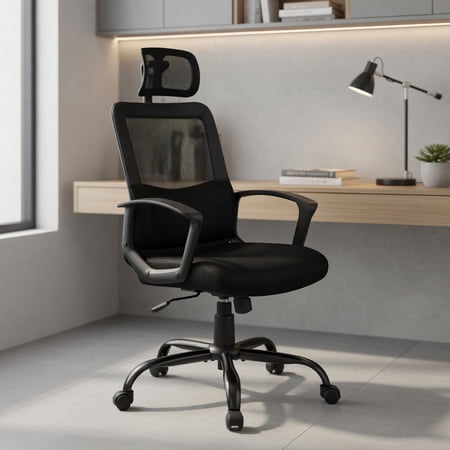
- • Neck/shoulder tension? Seek models with height-adjustable headrests and 4D armrests.
- • Sciatica or hamstring tightness? Ensure the seat has a waterfall edge and adjustable seat depth.
- • 8+ hours daily: Choose a chair with synchronous tilt and a breathable mesh back to encourage micro-movements.
2. Test Adjustability Range In-Person or Via Detailed Specs
- • Seat height: Ensure cylinder supports your stature (minimum 16-21 inches range).
- • Lumbar position: The support should align with the curve of your lumbar spine (typically 4-6 inches above the seat pan).
- • Armrests: Should allow your shoulders to remain relaxed and elbows at 90-100 degrees while typing.
3. Evaluate Material & Longevity
- • Mesh: Best for hot climates and those who perspire; provides firm, consistent support.
- • Leather/fabric: Ideal for cooler environments; ensure high-density foam doesn't compress more than 1 inch under pressure.
- • Frame warranty: Look for 10+ years on frame and 5+ years on components — a sign of medical-grade durability.
Medical Conditions That Benefit from Specialized Ergonomic Chairs
Beyond general wellness, doctor recommended chairs play a crucial role in managing specific health conditions. Here's how targeted ergonomic features aid recovery and prevention:
🔹 Herniated or Bulging Discs
Chairs with dynamic lumbar support and seat tilt reduce pressure on intervertebral discs. Look for models that allow independent backrest angle adjustment to keep the pelvis in a neutral position.
🔹 Sciatica & Piriformis Syndrome
Waterfall seat edges and adjustable seat depth prevent compression of the sciatic nerve. Some chairs feature a split seat design to reduce pressure on the gluteal region.
🔹 Thoracic Outlet Syndrome
4D armrests that adjust in width and pivot allow you to keep elbows close to the torso, reducing nerve compression in the shoulder girdle. Height-adjustable armrests also prevent shrugging.
🔹 Chronic Neck Pain / Cervical Strain
An adjustable headrest that supports the cervical curve and allows forward/back tilt helps maintain proper head position. This reduces strain on the levator scapulae and trapezius muscles.
Long-Term Health ROI: Beyond Initial Investment
While a doctor recommended office chair may require a higher upfront investment (typically $700–$2,200), consider the long-term health economics. According to the CDC, musculoskeletal disorders account for over $50 billion in annual healthcare costs and lost productivity in the US. An ergonomically sound chair acts as preventive medicine:
- • Reduced medical expenses: Fewer chiropractic visits, physical therapy sessions, and pain medication.
- • Enhanced productivity: Studies show ergonomic interventions increase typing speed and accuracy by 12% and reduce error rates.
- • Increased longevity of career: Sustained comfort enables professionals to work effectively into later years without debilitating pain.
Frequently Asked Questions About Doctor Recommended Office Chairs
Conclusion & Final Medical Recommendation
Selecting a doctor recommended office chair is a foundational investment in your musculoskeletal health, productivity, and overall quality of life. Medical experts agree that the human body is not designed for static sitting, but with the right ergonomic support system, you can mitigate the negative effects of prolonged desk work. The chairs featured on this page have been curated based on clinical guidelines, adjustability standards, and user outcomes.
When making your choice, prioritize models with adjustable lumbar depth, seat depth, and multi-directional armrests. If you suffer from specific conditions like sciatica or cervical radiculopathy, consult with your physical therapist to identify the ideal chair geometry. Remember, the best chair is one that fits your unique body dimensions and encourages natural movement throughout the day.
Medical Disclaimer: This information is for educational purposes and does not constitute medical advice. Always consult with a qualified healthcare provider regarding your specific health conditions and ergonomic needs.