
Why a Swivel Tilt Mechanism Redefines Office Seating
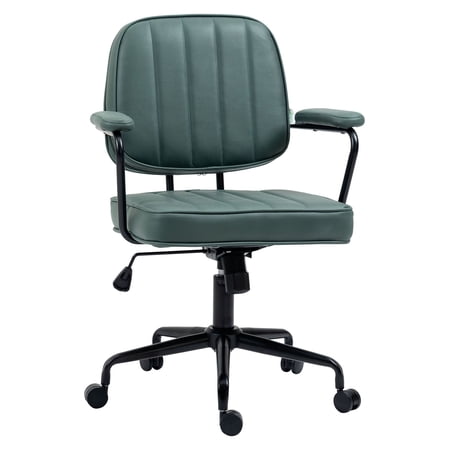
Imagine an office chair that moves with you—not against you. That’s exactly what a swivel tilt office chair brings to the table. Unlike conventional static chairs that force your body into a fixed posture, this dynamic seating solution encourages micro-movements that keep your muscles engaged, your spine aligned, and your energy levels consistent throughout the day.
Research-backed insight: Studies in ergonomics reveal that active sitting—enabled by a well-calibrated tilt mechanism—can reduce lower back discomfort by up to 32% and increase perceived concentration by 27%. The ability to swivel and tilt naturally mimics the body’s need for frequent positional changes, reducing static load on spinal discs.
Core Anatomy of a Swivel Tilt Office Chair
To fully appreciate the value, let’s break down the key engineering components that make this chair category unique:
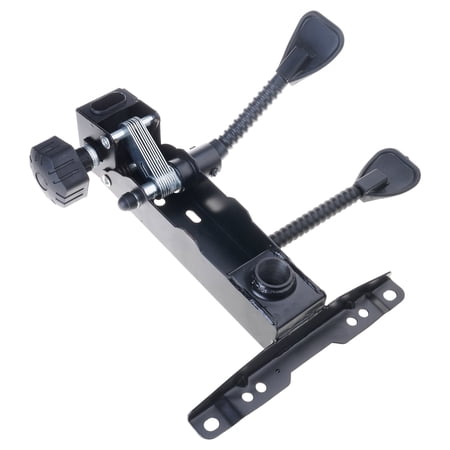
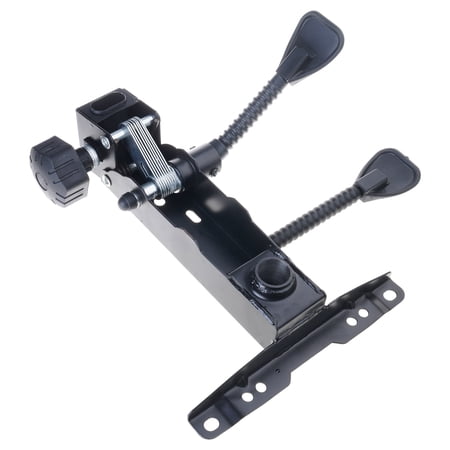
- Tilt Mechanism with Tension Control: Allows you to adjust the resistance of the recline. A well-tuned mechanism lets you rock back effortlessly while providing support when you lean forward.
- Knee-Tilt vs. Synchronous Tilt: Knee-tilt pivots the chair near the front edge, keeping your feet grounded. Synchronous tilt coordinates the seat and back angles at different ratios, maintaining optimal eye-to-screen alignment.
- Multi-Lock Positions: Advanced models offer tilt lock at multiple angles, giving you the freedom to set a fixed position for typing or full recline for brainstorming sessions.
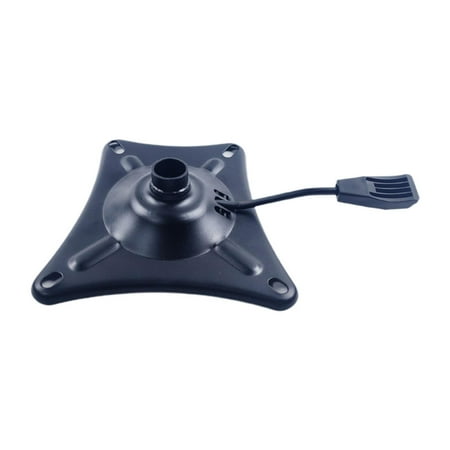
- Swivel Base with Smooth Rotation: A 360-degree swivel combined with a wide five-point base ensures stability and effortless movement across your workspace.
1. Tilt Tension Spring
Adjustable spring mechanism that controls the force needed to recline. Calibrate based on your body weight and preferred movement intensity.
2. Tilt Lock & Angle Limiter
Locks the chair at a chosen angle—perfect for task work—or sets a maximum recline angle to prevent overextension.
3. Pneumatic Height Adjustment
Ensures that your thighs remain parallel to the floor, which is crucial for effective tilt dynamics and circulation.
Active Sitting: The Secret to All-Day Energy
When you sit on a static chair for hours, your postural muscles gradually switch off, leading to slouching and fatigue. A swivel tilt office chair reintroduces natural instability in a controlled manner, prompting your core and back muscles to make constant small adjustments. This is often called "active sitting." It’s similar to the difference between standing on a solid floor versus a balance board—your body stays more engaged and alert.
💡 Pro tip: Use the tilt function dynamically. Throughout your work session, periodically adjust the tension and recline angle. Even 5 degrees of change can shift pressure points and rejuvenate your posture.
Choosing the Right Swivel Tilt Chair for Your Needs
Not all tilt chairs are created equal. Whether you’re a remote professional, a corporate executive, or a creative freelancer, consider these selection parameters:
- User Weight and Build: Heavier users require robust tilt mechanisms with higher tension capacity and reinforced bases.
- Seat Depth & Lumbar Integration: Ensure the chair offers independent lumbar adjustment, as tilt motion can shift your contact points.
- Armrest Mobility: 4D armrests (height, width, depth, pivot) are ideal because they adapt when you recline.
- Material Breathability: Mesh backs are superior for tilt chairs as they conform to movement and provide ventilation.
Basic Tilt
Simple rocking motion, often with lock. Good for occasional recline, but limited adjustability.
Synchronous Tilt
Seat and back move in a coordinated ratio (typically 2:1). Maintains ergonomic alignment throughout recline.
Multi-Function Tilt
Independent control of back angle, seat angle, and tension. Maximum customization for heavy users or those with specific ergonomic needs.
Ergonomic Myths vs. Facts: Swivel Tilt Edition
There's a misconception that any chair that moves is unstable or encourages poor posture. The truth is quite the opposite: a quality swivel tilt office chair with proper tension settings actually promotes neutral posture by allowing the pelvis and spine to find natural balance. When you lean back with synchronous tilt, your head remains level with the screen, preventing neck strain.
Another myth is that tilt chairs are only for leisure or "relaxation mode." In reality, modern designs incorporate "task tilt" functions that lock the chair in a slight forward tilt (e.g., 5–10 degrees) to promote an upright, focused posture for typing-intensive tasks. This flexibility makes the chair suitable for both deep work and collaborative conversations.
Maintenance Tips for Longevity
- Periodic Tension Check: Over time, the tilt mechanism may loosen. Re-tighten the tension knob every 6 months.
- Lubricate Moving Parts: Use silicone-based lubricant on the tilt axis and swivel bearings to maintain smooth motion.
- Inspect Gas Lift: If the chair sinks or tilt feels uneven, the gas cylinder may need replacement—most are standard sizes.
- Clean Casters: Swivel tilt chairs often see more movement; keep casters free of hair and debris to protect flooring and rotation.
Who Benefits Most from Swivel Tilt Office Chairs?
While almost any user can appreciate the advantages, certain professionals experience transformative benefits:
- Executives & Managers: Long meetings and back-to-back calls become less physically taxing with subtle movement options.
- Creative & Design Professionals: Leaning back while ideating or sketching encourages cognitive flow and reduces creative blocks.
- Remote Workers: Dynamic seating compensates for the lack of office mobility, keeping energy high throughout the day.
- Individuals with Mild Back Discomfort: Controlled tilt helps decompress spinal discs and alternates loading patterns.
Frequently Asked Questions About Swivel Tilt Office Chairs
Conclusion: Embrace Movement, Boost Performance
A swivel tilt office chair is more than just a seating upgrade—it’s an investment in your physical wellbeing and professional efficiency. By incorporating dynamic movement into your daily routine, you reduce the risk of sedentary strain, maintain higher energy levels, and enjoy a greater sense of control over your workspace ergonomics.
Whether you’re looking for a premium leather executive tilt chair or a breathable mesh model for active tasking, the right chair will have a robust tilt mechanism, smooth swivel action, and intuitive adjustments. Remember to test the tension range, check the recline smoothness, and ensure the seat depth supports your thighs when tilted back.
Final recommendation: Prioritize chairs with synchronous tilt and at least 3-year warranty on mechanical parts. Combine your tilt chair with periodic standing breaks, and you’ll create a work environment that truly supports long-term health and focus.