
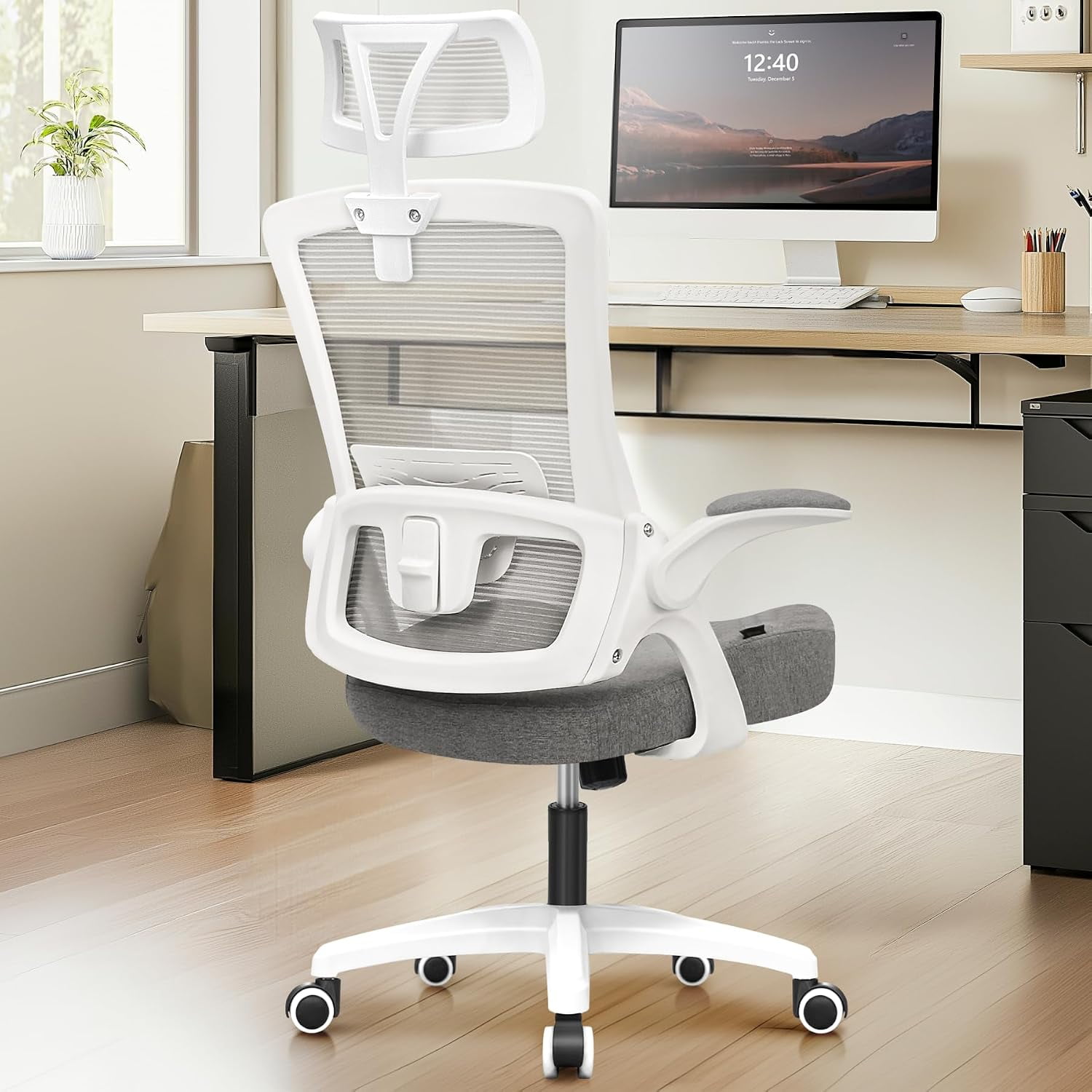
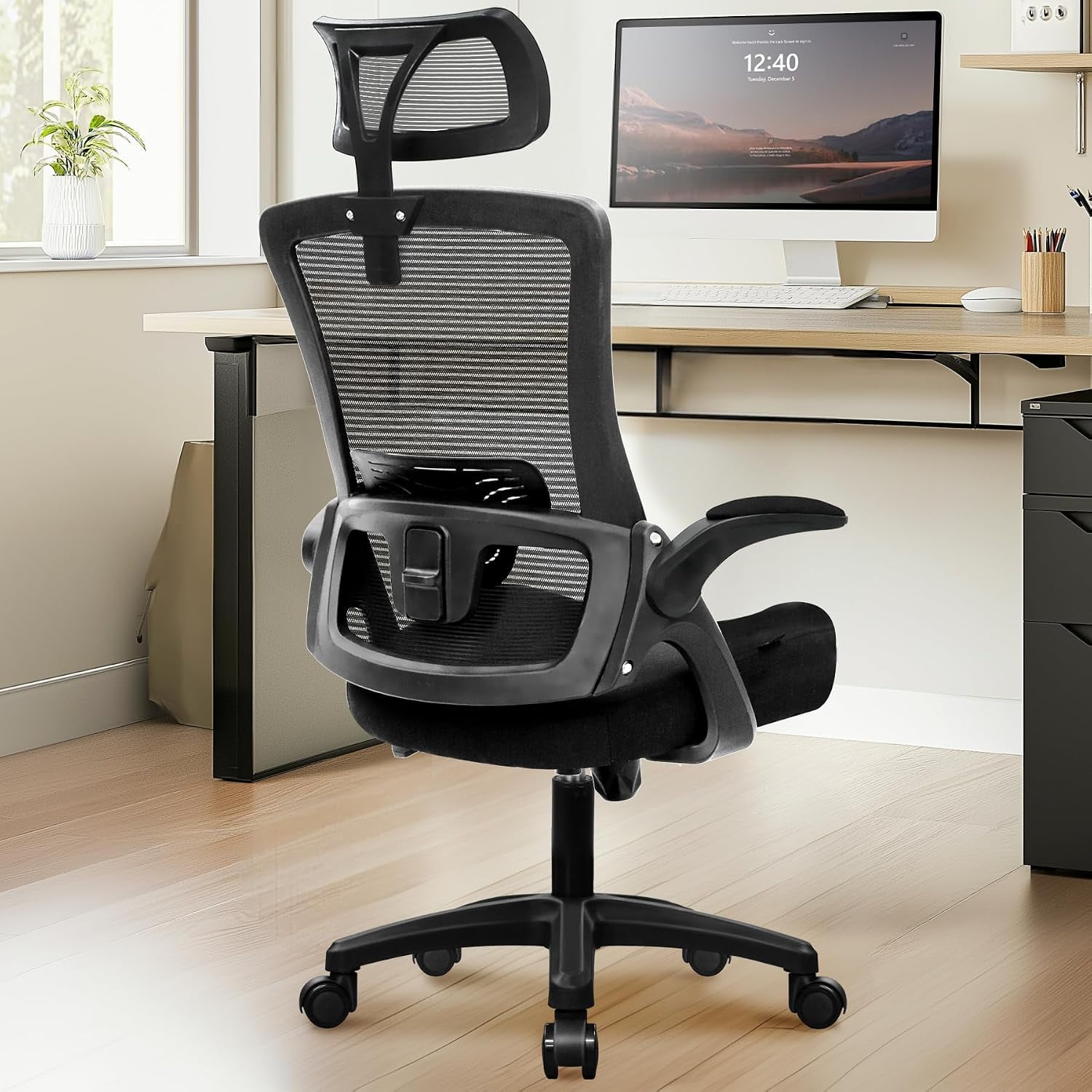
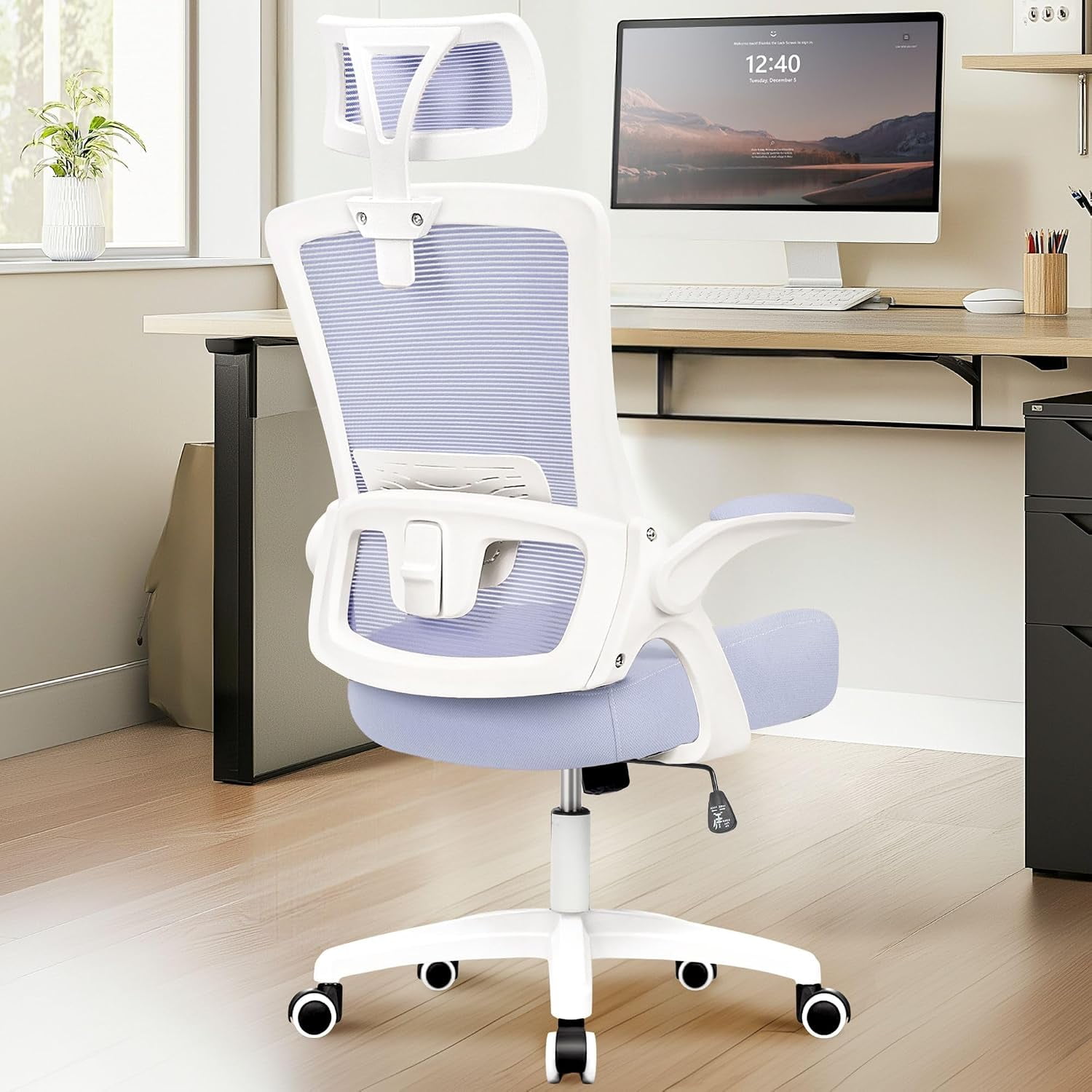
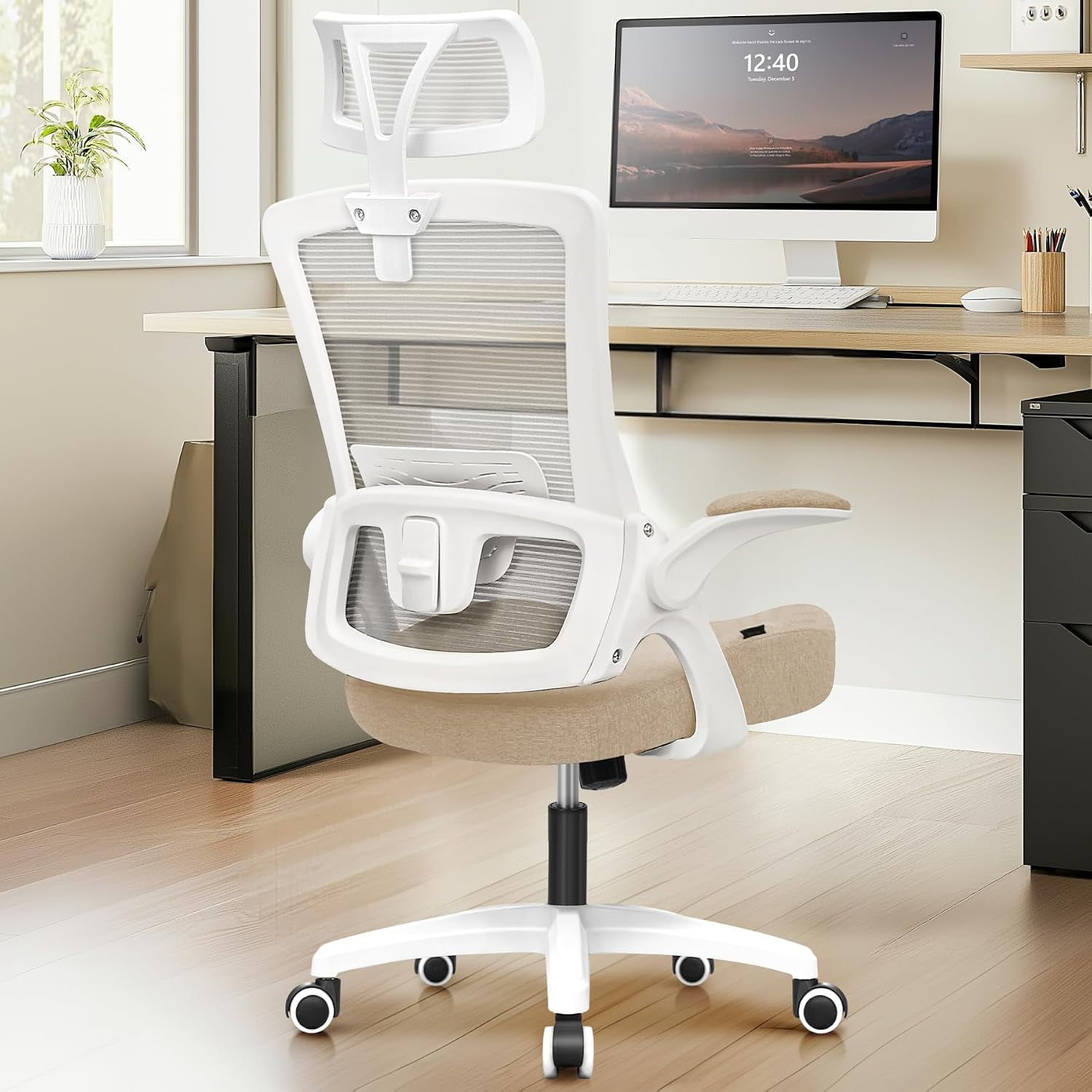
Why a High Back Ergonomic Office Chair with Headrest is a Game-Changer
In today’s digital work environment, professionals spend an average of 7–9 hours seated. Traditional office chairs often neglect the upper back and neck, leading to chronic tension, headaches, and reduced concentration. A high back ergonomic office chair with headrest bridges this critical gap, providing continuous support from your hips to your head.
Ergonomic Insight: Research from the American Chiropractic Association indicates that proper neck support can reduce tension-related headaches by up to 60% and significantly decrease forward head posture—a common condition among desk workers. A high back design with an adjustable headrest is your first defense against work-related musculoskeletal disorders.
Core Components of an Effective Ergonomic Chair with Headrest
Not all high-back chairs are created equal. To truly benefit, your chair must incorporate these essential elements:
- Integrated Adjustable Headrest: Moves vertically (2–4 inches) and pivots forward/back to cradle the cervical curve, reducing strain on the upper trapezius muscles.
- High Back Contour (21–24 inches): Extends above the shoulders, providing a stable anchor for the entire spine and preventing the rounded-shoulder posture common in low-back chairs.
- Dynamic Lumbar Support: Not just a static pad—look for depth adjustment (1–2 inches) that adapts as you shift, maintaining the natural lordosis of the lower back.
- Multi-Dimensional Armrests (4D): Height, width, depth, and pivot adjustments allow you to keep shoulders relaxed and elbows at 90°, directly reducing neck tension.
- Recline with Tilt Lock: A synchronous tilt mechanism that lets you recline while keeping your feet flat. Brief reclined periods decompress spinal discs by up to 30%.
💡 Pro Tip: When testing or selecting a high back ergonomic chair, ensure the headrest can be positioned so that your head remains in a neutral position (ears aligned with shoulders) while your eyes naturally meet the center of your monitor. This alignment is the cornerstone of ergonomic wellness.
Comparing Materials: Mesh vs. Leather for High Back Chairs
Choosing the right upholstery affects breathability, maintenance, and longevity. Here’s how they compare specifically for high-back designs with headrests:
Premium Breathable Mesh
- Airflow: Exceptional—prevents heat buildup behind back and neck.
- Maintenance: Low—wipe with damp cloth; dust-resistant.
- Comfort: Consistent temperature, supportive without sagging.
- Best For: Warm climates, high activity, modern aesthetics.
High-Grade PU / Leather
- Durability: 8–12 years with care; resists stains and spills.
- Appearance: Professional, traditional executive look.
- Maintenance: Easy wipe; avoid sharp objects.
- Best For: Executive offices, client-facing roles, cooler environments.
Health & Productivity Benefits Backed by Science
Investing in a high-quality ergonomic chair with headrest goes beyond comfort—it directly impacts your physiological well-being and work output.
1. Cervical Spine Protection
The headrest reduces the load on your neck muscles by up to 40%. Proper positioning prevents the forward head posture that often leads to chronic cervicogenic headaches and early disc degeneration.
2. Enhanced Respiratory Function
When your upper back and neck are supported, your chest cavity opens naturally, allowing for deeper, more oxygenated breathing. This increases alertness and reduces fatigue.
3. Improved Circulation & Energy
High-back chairs with waterfall seat edges and proper lumbar alignment prevent compression of the sciatic nerve and femoral arteries, maintaining energy levels throughout the day.
4. Cognitive Clarity & Focus
Studies show that discomfort is a primary distraction. By eliminating pressure points in the neck and shoulders, users experience up to 25% better concentration during complex tasks.
Step-by-Step: How to Set Up Your High Back Ergonomic Chair for Optimal Support
Even the best chair will fail to deliver benefits if not adjusted correctly. Follow this sequence to fine-tune your seating experience:
- Start with Seat Height: Sit with feet flat on the floor. Adjust so your thighs are parallel to the ground and knees form a 90–110° angle.
- Set Seat Depth: There should be 2–3 fingers of space between the back of your knees and the seat edge. This prevents circulation restriction.
- Adjust Lumbar Support: Position the lumbar curve so it fits snugly into the small of your back. Fine-tune depth until you feel even pressure across your lower spine.
- Configure the Headrest: Sit upright, look straight ahead. The headrest should contact the curve of your neck, not the back of your skull. Adjust height and angle until you feel no tension in your upper traps.
- Fine-Tune Armrests: Raise until your shoulders are relaxed, elbows at 90°, and wrists straight when typing. Armrests should lightly support the forearms without lifting your shoulders.
- Set Recline Tension: Adjust the tilt mechanism so you can recline with moderate resistance, allowing your feet to stay grounded. Use the tilt lock to secure preferred angles for focus mode or relaxed thinking.
Maintenance Reminder: To extend the life of your high back ergonomic chair, periodically check gas lift stability, tighten bolts, and clean upholstery according to manufacturer guidelines. A well-maintained chair will serve you reliably for 10+ years.
Who Benefits Most from a High Back Ergonomic Chair with Headrest?
While these chairs are excellent for any professional, certain user groups see transformative improvements:
- Remote Workers & Hybrid Professionals: Long hours at home desks without proper support can be mitigated by full-body ergonomics.
- Executives & Managers: The high-back design conveys authority while offering restorative support during back-to-back meetings.
- Individuals with Pre-Existing Conditions: Those recovering from whiplash, chronic neck pain, or herniated discs benefit from the controlled support of an adjustable headrest.
- Taller Individuals: High backs provide shoulder and neck support that standard chairs lack, preventing mid-back fatigue.
- Design-Conscious Professionals: Modern high-back ergonomic chairs now combine sleek aesthetics with advanced adjustability, fitting seamlessly into contemporary offices.