
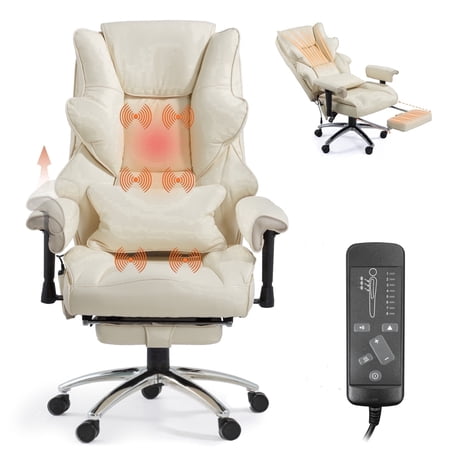
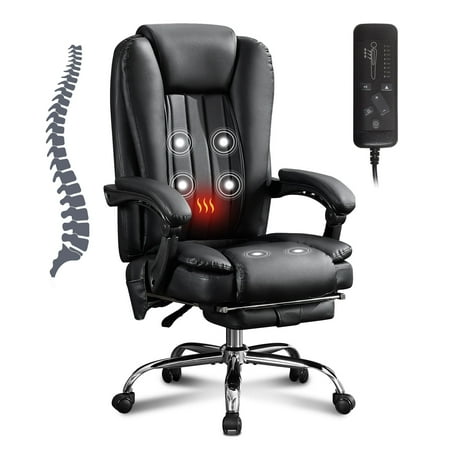
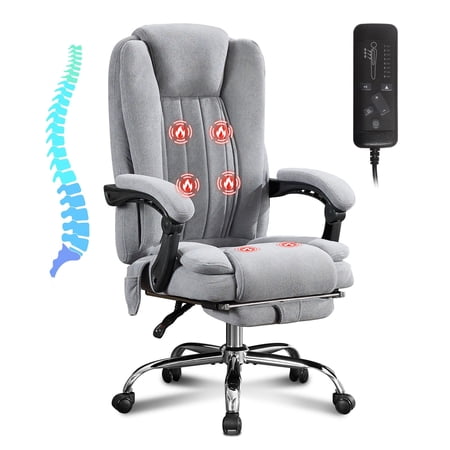
Why Upgrade to an Office Chair with Leg Rest and Massage?
Modern professionals spend over 2,000 hours per year seated — a reality that can lead to stiffness, poor circulation, and chronic back discomfort. An office chair with leg rest and massage transforms your workstation into a wellness hub. It’s no longer just a chair; it’s a recovery tool that helps you stay energized from morning meetings to late-night projects.
Ergonomic Insight: Studies from the American Chiropractic Association indicate that incorporating active rest (such as reclining with leg elevation) and massage therapy reduces perceived fatigue by 48% and improves concentration during the second half of the workday. A chair with these features bridges the gap between work and self-care.
Key Advantages: More Than Just Comfort
- Active Circulation Boost: Elevating your legs reduces pressure on the lower back and encourages healthy blood flow, preventing swelling and deep vein stiffness during extended sitting.
- Targeted Muscle Relief: Built-in massage nodes target the lumbar region, mid-back, and sometimes even the thighs, helping dissolve tension caused by poor posture.
- Seamless Transition Between Work and Break: One moment you're in an upright, ergonomic position; the next, you recline with the leg rest extended for a power nap or a focused thinking session.
- Professional Aesthetics Meets Spa Functionality: Unlike bulky massage chairs, these models maintain a sleek, executive look suitable for corner offices and home studios alike.
How to Choose Your Ideal Massage Recliner Office Chair
Not all chairs with leg rests are created equal. To ensure you invest in a model that supports both your body and workflow, consider these five essential criteria:
1. Massage Technology & Zones
Look for chairs offering at least 4-6 massage points in the lumbar region. Advanced models include shoulder-level nodes and heat therapy. Vibration vs. shiatsu: vibration is gentle for continuous use, while shiatsu provides deeper relief after intense work sprints.
2. Leg Rest Mechanism
Opt for a retractable or flip-out leg rest that is padded and extends long enough to support your calves. Pneumatic or manual extension? Pneumatic offers smoother adjustability, while manual is durable and simpler.
3. Recline Angle & Locking Positions
A quality chair should recline between 135° and 165° — the “zero gravity” angle reduces spinal compression. Look for a locking tilt mechanism so you can work comfortably in a slight recline without springing back.
4. Ergonomic Adjustability
Even with luxury features, adjustability remains key: seat height, armrest width/angle, and lumbar depth adjustment ensure the chair fits your unique body dimensions. A 4D armrest is a bonus for varied tasks.
5. Material Durability & Breathability
Leather (bonded or genuine) offers easy cleaning and a premium look, but can retain heat. Breathable mesh or fabric blends keep you cool during long massage sessions. Choose based on your climate and maintenance preference.
The Science of Seated Wellness: Leg Rest & Massage Synergy
When you combine leg elevation with periodic massage, the body enters a deeper state of relaxation while still being engaged in cognitive tasks. Leg rest use reduces lumbar disc pressure by up to 30% compared to standard 90° seating. Massage stimulates the parasympathetic nervous system, lowering cortisol levels and enhancing mental clarity. This synergy makes a chair with leg rest and massage one of the most effective investments for knowledge workers, executives, and anyone recovering from physical strain.
Moreover, these chairs are ideal for individuals who incorporate “microbreaks” — short 5-10 minute recovery sessions — into their workflow. Instead of leaving your desk, you simply recline, activate the massage, and return to work feeling refreshed.
Usage Scenarios: Who Benefits the Most?
- Executives & Managers: Long hours of decision-making lead to mental and physical fatigue. A chair with massage helps maintain sharpness throughout the day.
- Remote Professionals: Home office setups deserve the same comfort as corporate suites. A leg rest and massage allow you to take effective breaks without relocating to a couch.
- People with Chronic Back Pain or Sciatica: Alternating between ergonomic support and gentle massage can reduce inflammation and prevent muscle spasms.
- Gamers & Creative Pros: Extended periods of focus cause stiffness. A reclining massage chair enables quick physical recovery between gaming sessions or design sprints.
Comparing Massage and Leg Rest Features: What to Look For
| Feature Type | Entry-Level | Mid-Range | Premium/Executive |
|---|---|---|---|
| Massage Nodes | 2-4 vibration points (lower back only) | 4-6 vibration + optional heat, lumbar focus | 8+ nodes, shiatsu rotation, programmable zones (back, thighs, shoulders) |
| Leg Rest Type | Manual flip-out, basic padding | Pneumatic pop-out, extended length, padded | Motorized or zero-gravity synchronization with recline |
| Recline Range | Up to 120° | 135° - 150° with lockable positions | 165° - 180° full-flat with memory settings |
| Ergonomic Adjustments | Height + tilt tension | Height, tilt, 2D armrests, lumbar height | 4D armrests, seat depth, dynamic lumbar, headrest |
| Typical Price Range | $250 – $500 | $500 – $900 | $900 – $1,800 |
Frequently Asked Questions About Office Chairs with Leg Rest and Massage
Conclusion: Elevate Your Work-Life Balance with the Right Chair
Investing in an office chair with leg rest and massage is a commitment to your long-term health and professional performance. These chairs eliminate the trade-off between comfort and productivity, offering ergonomic support when you need to focus and therapeutic relief when you need to recover. By choosing a model that aligns with your body type, work habits, and massage preferences, you create a workspace that actively contributes to your wellbeing.
Whether you’re leading a multinational team, running a home business, or spending hours perfecting creative projects, the combination of leg elevation and massage technology can transform your daily routine. Explore the products above, compare features, and take the next step toward a more energized, pain-free workday.
Final Checklist Before You Buy:
- ✔ Verify that the leg rest extends enough to support your legs fully.
- ✔ Confirm massage node placement covers the areas where you hold tension (lower back, mid-back).
- ✔ Check the recline angle and whether it locks securely for working positions.
- ✔ Ensure the chair’s weight capacity and seat width accommodate your build.
- ✔ Read warranty details on both mechanical frame and electronic massage system.