
Why Choose a Height Adjustable Office Chair Without Wheels?
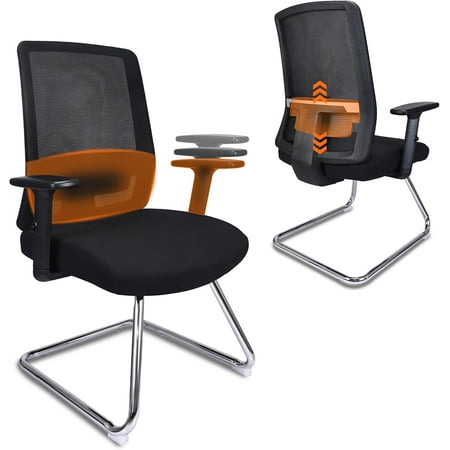
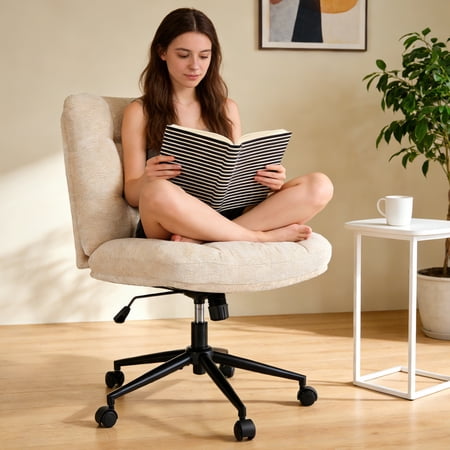
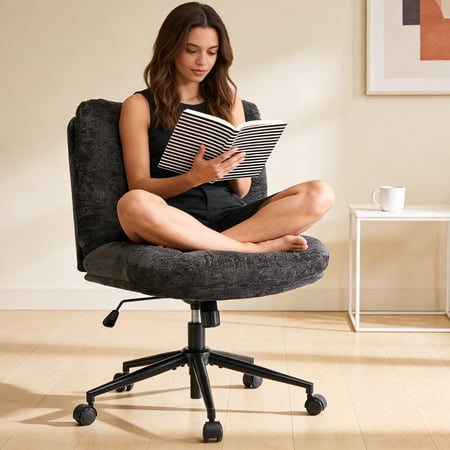
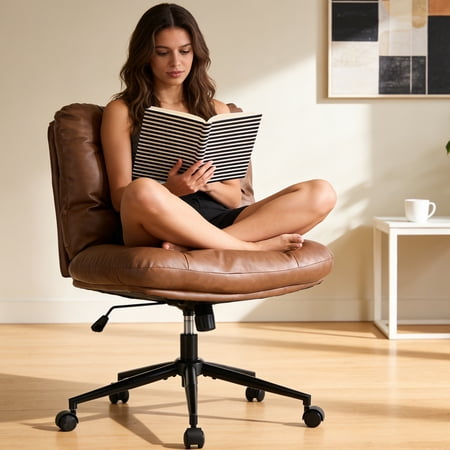
In a world of rolling, swiveling desk chairs, the stationary office chair offers a unique set of advantages. For professionals who crave stability, precision, and a grounded work experience, a height adjustable office chair without wheels is more than just furniture—it's a tool for focused productivity. These chairs, often called stationary or fixed-base chairs, eliminate the distractions of unwanted movement, providing a solid foundation for deep work, creative tasks, or high-stakes presentations.
Industry Insight: A study from the Human Factors and Ergonomics Society found that excessive chair movement can be a subconscious source of distraction. Professionals using stationary seating reported a 15% increase in task concentration, particularly for detail-oriented activities like data analysis and writing.
Key Features of Stationary, Height-Adjustable Chairs
While they lack wheels, these chairs are packed with features designed for comfort and ergonomic well-being:
- Pneumatic Height Adjustment: The core feature. Allows you to match your chair height to your desk (especially sit-stand desks) for optimal ergonomic alignment.
- Stable Base: A wide, sturdy base (often with floor glides or felt pads) that anchors you in place, preventing slips and rolls on any floor type.
- Enhanced Lumbar Support: Many models include built-in or adjustable lumbar support to maintain the spine's natural curve during long seated sessions.
- Swivel Capability (Often): While stationary in terms of rolling, many of these chairs still feature a 360-degree swivel function, allowing you to turn and reach items without moving the chair's base.
- Premium, Durable Materials: Designed to last, these chairs often use high-density foam, breathable mesh, or durable leather, offering a professional and long-lasting seating solution.
Choosing the Right Stationary Ergonomic Chair
Selecting the ideal fixed-base chair involves understanding your specific needs. Use this guide to make an informed decision:
| Feature | Why It Matters | What to Look For |
|---|---|---|
| Height Adjustability Range | Essential for sit-stand desks and to ensure feet are flat on the floor. | A pneumatic cylinder with a wide range (e.g., 18"-24") to accommodate both desk and standing desk configurations. |
| Base Stability & Material | Prevents tipping and ensures safety, especially if you lean back or shift weight. | Wide, heavy-duty metal or reinforced nylon base. Look for non-slip floor glides for hardwood or thick carpet. |
| Seat Comfort & Depth | Prolonged sitting requires a well-cushioned seat that doesn't cut off circulation. | High-density foam or memory foam seat with a waterfall edge to reduce pressure on the back of the thighs. |
| Backrest Support | Critical for preventing lower back pain and maintaining posture. | A contoured backrest with adjustable lumbar support or a high-back design for full spinal support. |
| Armrests & Adjustability | Reduces shoulder strain and allows for a custom fit. | Padded armrests that can adjust in height, width, or pivot to suit your desk and body type. |
Key Benefits of a Non-Rolling Office Chair
Unwavering Focus
Eliminate the distraction of rolling away from your desk. Stay anchored and engaged with your work.
Ideal for Sit-Stand Desks
Raise the chair to use as a perching stool for active sitting when your desk is in a standing position.
Floor Protection
No casters means no scratches on hardwood or ruts in carpet. Glides are gentle and distribute weight evenly.
Enhanced Safety
A stationary base provides a solid platform, reducing the risk of falls or slips, especially for those with mobility concerns.
Stationary vs. Mobile Office Chairs: A Quick Comparison
Understanding the core differences helps you choose the right tool for your work style.
- Stability: Winner: Stationary. A fixed base offers unmatched stability, essential for precise tasks and a grounded feeling.
- Mobility: Winner: Wheeled. If you frequently move between workstations or need to slide across a room, casters are indispensable.
- Ergonomics: Tie. Both types can be highly ergonomic with the right features like lumbar support, height adjustment, and seat depth.
- Floor Care: Winner: Stationary. Glides are gentler on most flooring and won't get stuck in carpet fibers like some casters.
- Best Use Case: Stationary: Home offices, sit-stand desks, drafting tables, and professional settings where focus is key. Wheeled: Large offices, collaborative spaces, or any environment where frequent movement is required.
Common Use Cases for Stationary, Height-Adjustable Chairs
These versatile chairs are perfect for a variety of settings and professionals:
- Home Offices: Create a dedicated, distraction-free workspace with a chair that stays put.
- Sit-Stand Desk Users: The height adjustability makes these chairs perfect for transitioning between sitting and perching, promoting active movement throughout the day.
- Drafting & Design Tables: Achieve the precise height needed for technical work without the risk of rolling away.
- Reception Areas: Offer a stable, professional seating option for guests that looks tidy and doesn't leave marks on the floor.
- Individuals with Mobility Considerations: A stationary base provides a secure and predictable seating experience, making transitions to and from the chair easier.