
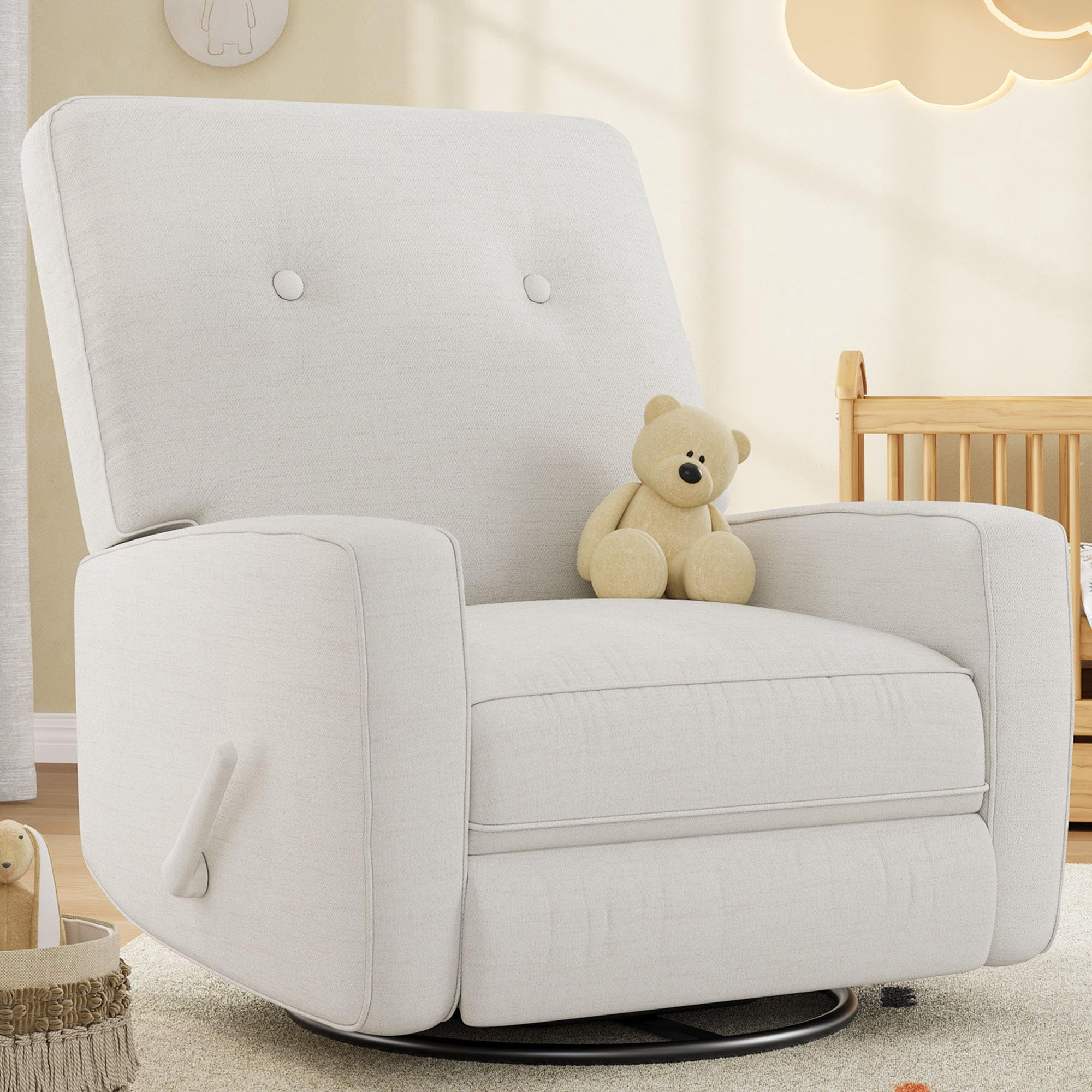
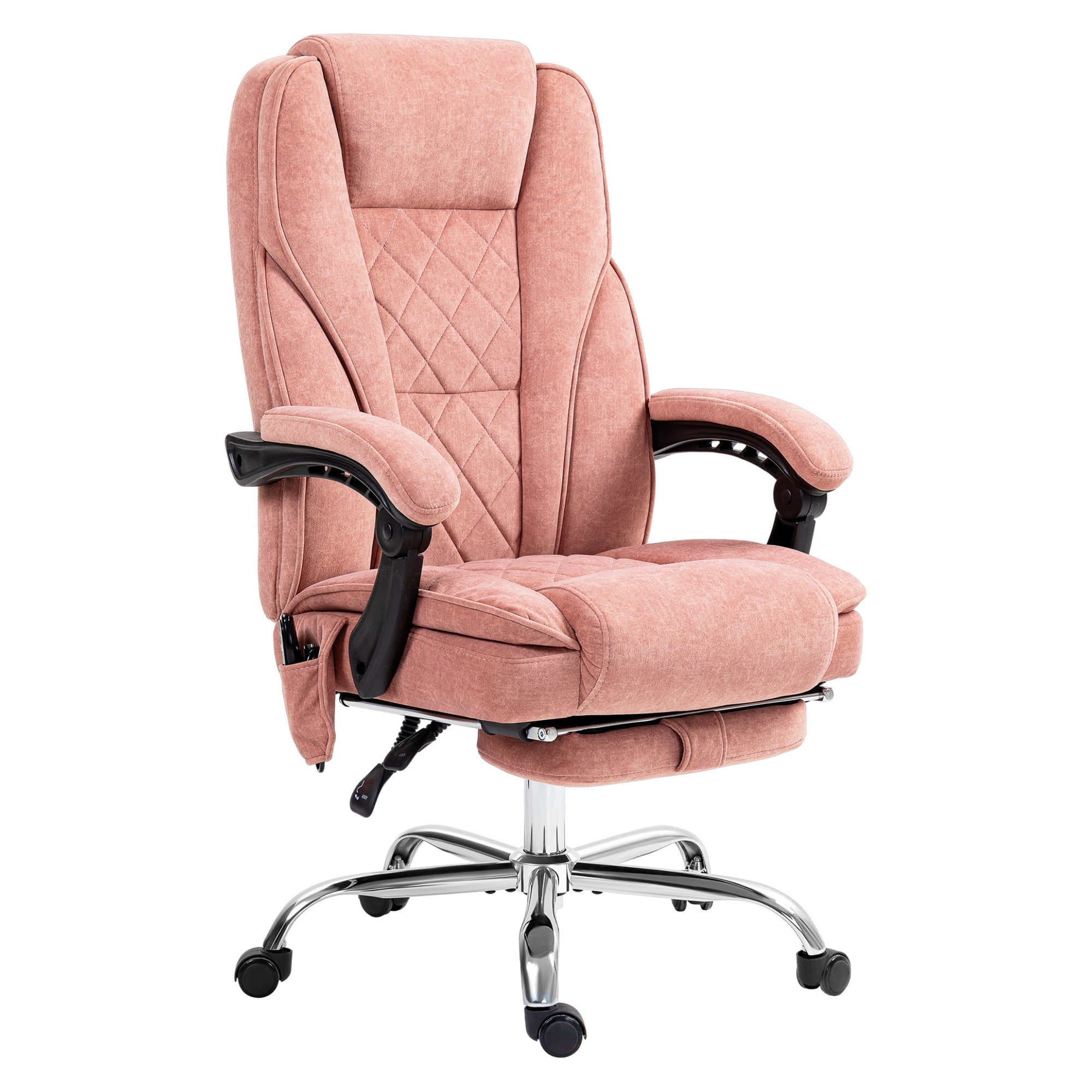
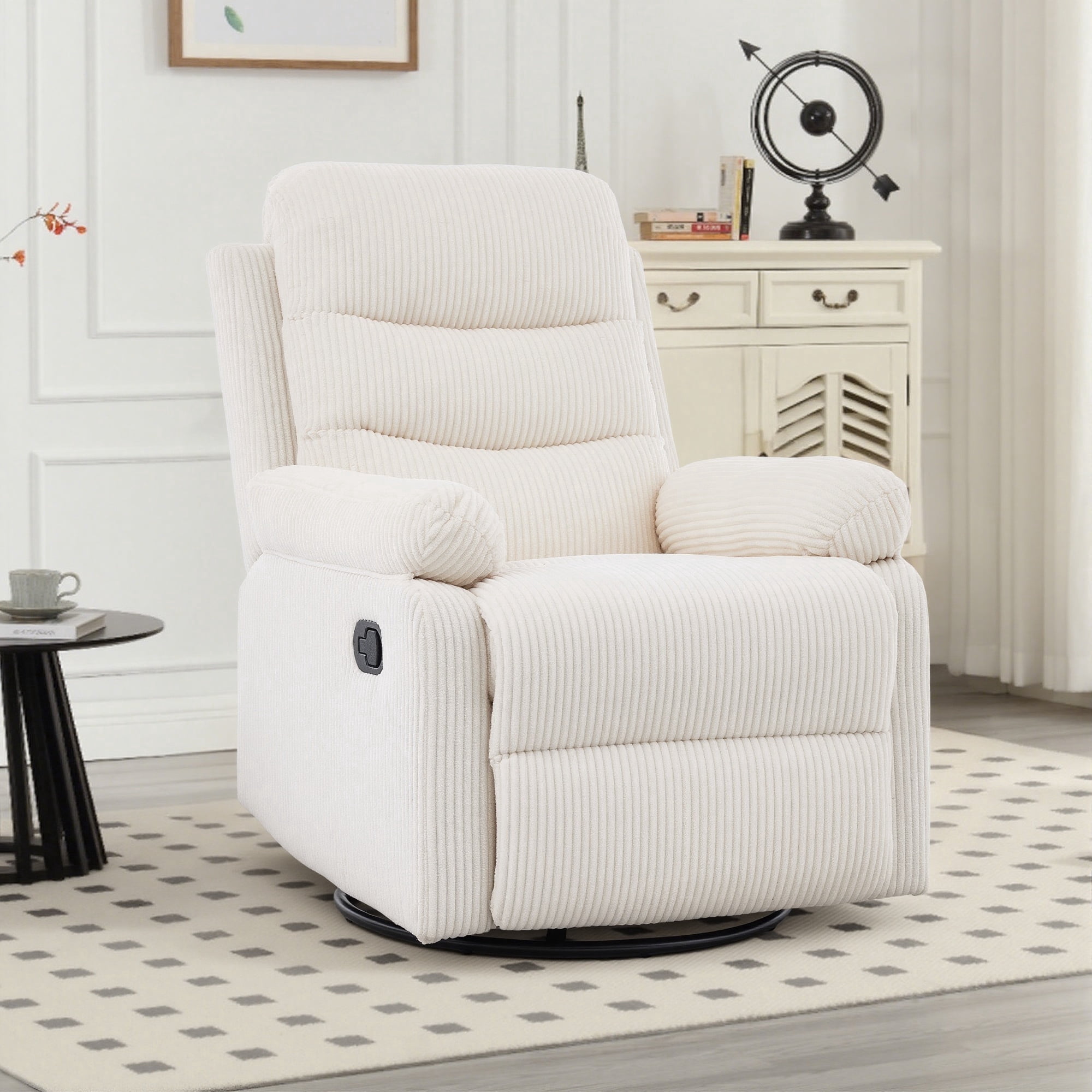
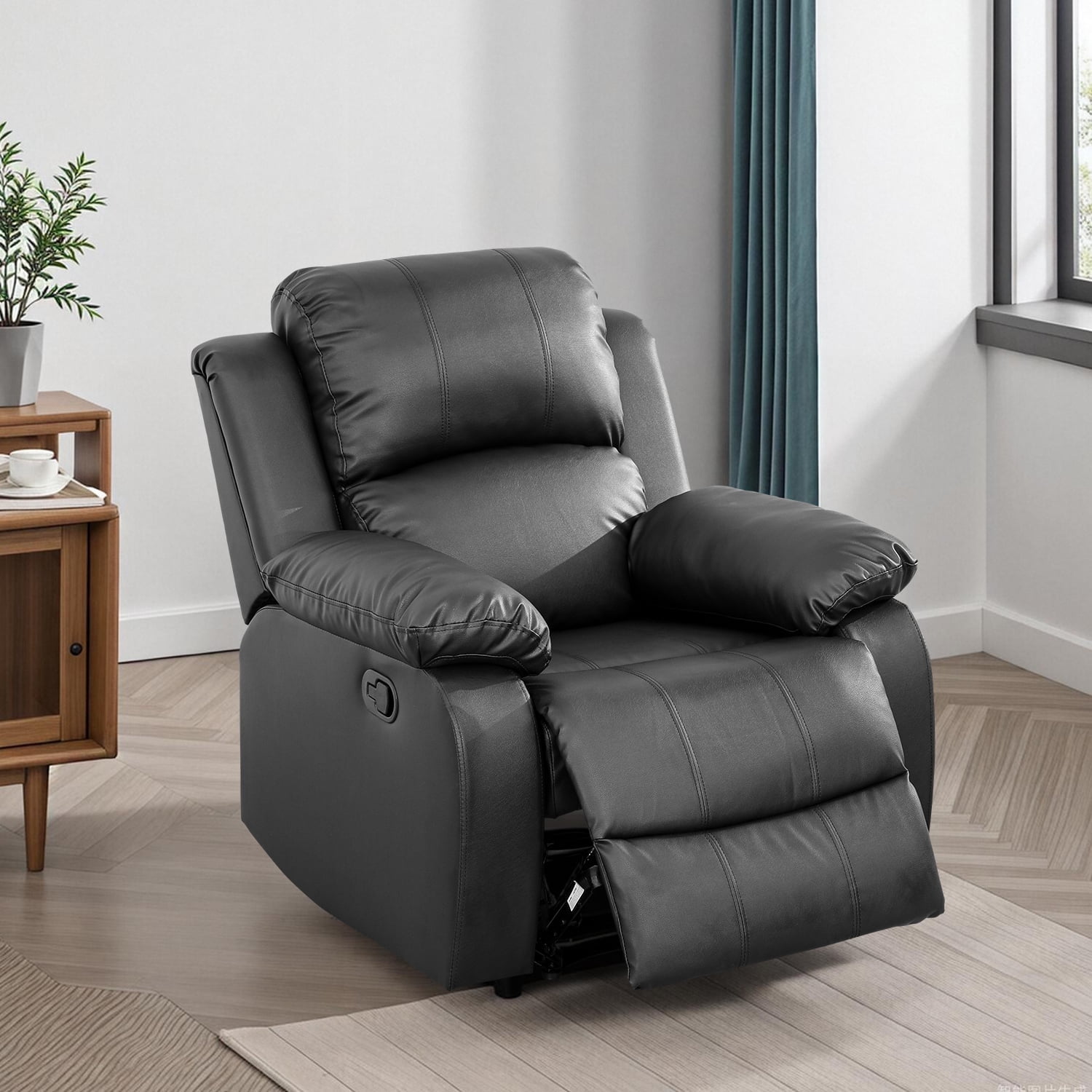
Why a Recliner Chair for Office Work Transforms Your Work Experience
Imagine merging the luxurious comfort of your favorite living room recliner with the ergonomic precision of a high-performance office chair. That's exactly what today's recliner chairs for office work deliver. As more professionals embrace flexible workspaces and longer seated hours, the demand for seating that adapts to your body—not the other way around—has skyrocketed.
Ergonomic Insight: Studies from the International Ergonomics Association reveal that alternating between upright and reclined postures during the workday can reduce spinal disc pressure by up to 30% and improve concentration by 25%. A recliner chair for office work isn't just a luxury—it's a strategic tool for peak performance.
Key Features That Define Premium Office Recliners
Unlike standard office chairs, a purpose-built recliner chair integrates advanced mechanisms to support both work mode and relaxation. Here's what sets them apart:
- Multi-Angle Recline Mechanism: Smooth transition from 90° upright for focused tasks to 135° or even near-flat positions for thinking sessions or power naps.
- Integrated Footrest: Padded, retractable footrest that supports leg circulation and reduces pressure on the lower back during recline.
- Dynamic Lumbar Support: Adjustable or self-adjusting lumbar that maintains spinal curvature regardless of tilt angle.
- High-Density Foam Cushioning: Premium materials that resist sagging, ensuring comfort remains consistent even after years of daily use.
- 4D Armrests: Armrests that adjust height, width, pivot, and depth to support elbows and shoulders in any recline position.
How a Recliner Chair Boosts Productivity and Well-Being
Enhanced Circulation
Elevating your legs with a footrest reduces venous pressure, preventing leg fatigue and swelling during long hours at the desk.
Spinal Decompression
Reclining redistributes body weight, allowing spinal discs to rehydrate and recover from prolonged sitting stress.
Mental Reset
A quick recline during brainstorming sessions stimulates creative thinking by reducing physical tension and promoting relaxation.
Versatile Workspace
Ideal for home offices, executive suites, and hybrid environments where work tasks vary from intense focus to virtual meetings.
Ergonomics Meets Relaxation: The Science Behind Reclining Office Chairs
Traditional office chairs lock you into a single posture, which can accelerate muscle fatigue and joint stiffness. A recliner chair for office work embraces the concept of "active sitting" — encouraging micro-movements and posture shifts. When you recline, the angle between your thighs and torso opens up, reducing compression on the lumbar region. Paired with a well-designed headrest, it also alleviates neck strain. This dynamic approach to seating aligns with modern ergonomic standards that prioritize movement over static positioning.
Choosing the Perfect Recliner Chair: A Detailed Comparison
| Feature Category | Why It Matters for Office Work | What to Look For |
|---|---|---|
| Recline Range | Determines flexibility for task work vs. relaxation | Minimum 120° – 135° with lockable positions; infinite tilt lock preferred |
| Lumbar Support | Prevents slouching and lower back pain | Height-adjustable or inflatable lumbar; dynamic support that moves with recline |
| Material & Durability | Affects breathability, maintenance, and longevity | Premium bonded leather or breathable mesh; high-density foam (3-5 lb density) |
| Footrest Mechanism | Enables full leg support for ergonomic recline | Retractable, padded, and easy to deploy; lockable in multiple positions |
| Base & Casters | Stability and mobility around the desk | Steel or aluminum base; 360° swivel; smooth-rolling dual-wheel casters rated for carpet/hardwood |
Step-by-Step Selection Guide: Finding Your Ideal Office Recliner
Step 1: Assess Your Work Habits & Physical Needs
- Daily Duration: If you sit 6+ hours, prioritize high-density foam and breathable upholstery.
- Body Type: Big and tall users should look for chairs with reinforced frames and weight capacities of 350+ lbs.
- Desk Setup: Measure your desk height to ensure the chair's armrests can be adjusted for proper alignment.
- Existing Pain Points: Neck issues? Opt for a chair with an adjustable headrest. Lower back pain? Focus on chairs with independent lumbar control.
Step 2: Match Recline Functionality to Your Workflow
Step 3: Set a Realistic Budget & Long-Term Value
Essential
Basic recline (up to 120°), foam padding, simple lumbar; ideal for occasional recline users.
Performance
Multi-position recline, adjustable lumbar, premium fabric/leather, 4D armrests, extended warranty.
Executive Premium
Full recline to near-flat, memory foam, top-grain leather, massager option, silent recline mechanism, lifetime frame warranty.
Step 4: Test Adjustability & Comfort
Pro Tip: When possible, sit in the chair for at least 20 minutes. Cycle through upright, mid-recline, and full recline positions. Check that the footrest supports your legs without pressure points and that armrests adjust independently. Listen for noise—quality mechanisms operate silently.
Material & Build Quality: What Lasts and What Delivers Comfort
The longevity of a recliner chair for office work heavily depends on materials. Here's a quick guide to making the right choice:
- Leather (Top-Grain/Full-Grain): Offers a professional look, easy to clean, and molds to body over time. Requires occasional conditioning to prevent cracking.
- Faux Leather (PU): More affordable but less breathable; may peel after heavy use. Good for light to moderate usage.
- Premium Fabric (Polyester Blend): Soft, breathable, available in various colors. Ideal for temperature-controlled offices.
- Mesh Back + Fabric Seat: Combines breathability for back with plush seating; perfect for warmer climates or users prone to sweating.
Maintaining Your Office Recliner for Years of Performance
To protect your investment, follow these maintenance tips:
- • Wipe leather or faux leather weekly with a damp microfiber cloth; apply leather conditioner every 6 months.
- • Vacuum fabric chairs to remove dust and allergens.
- • Lubricate the recline mechanism and casters annually with silicone spray to prevent squeaking.
- • Tighten bolts and screws every few months to maintain structural integrity.