
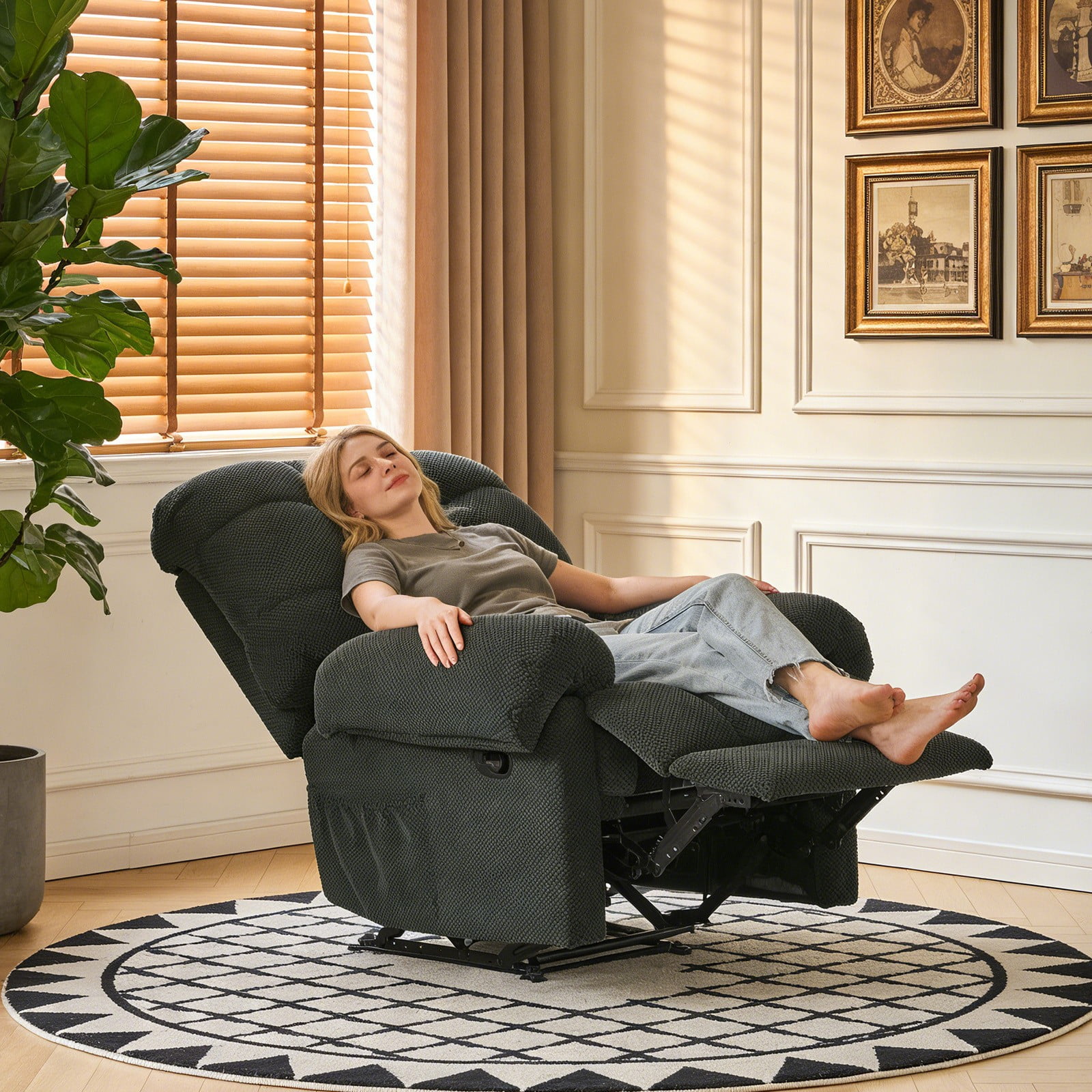
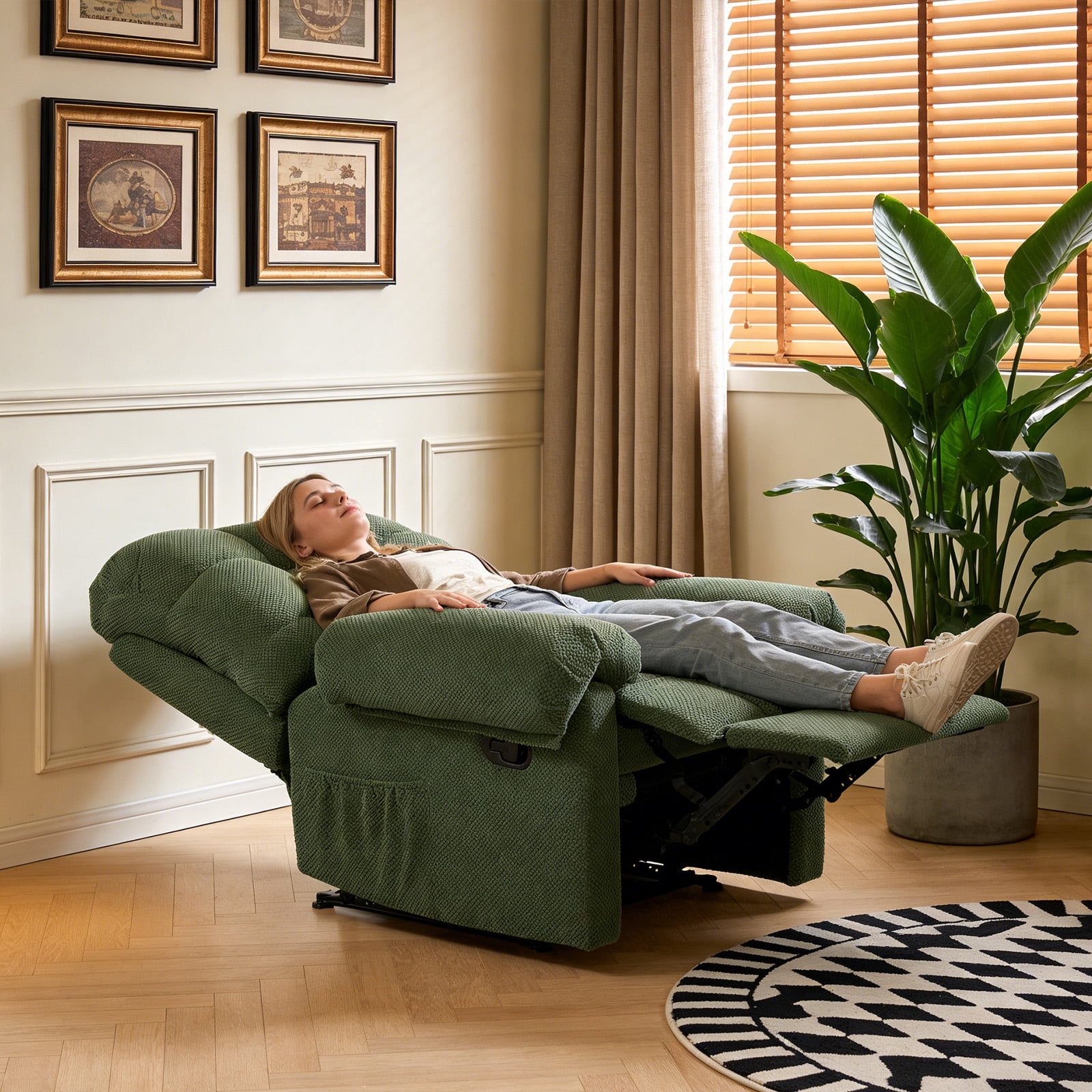
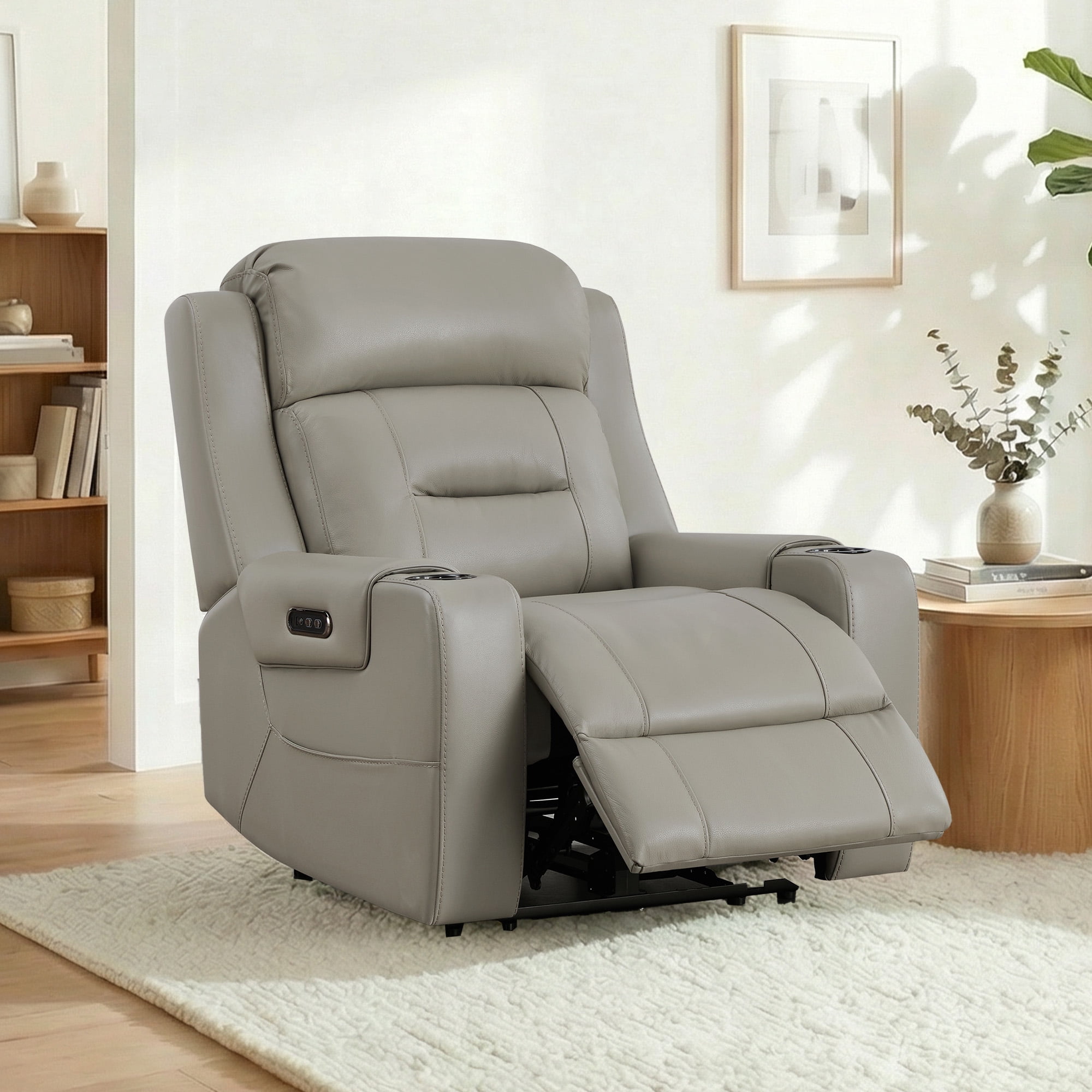
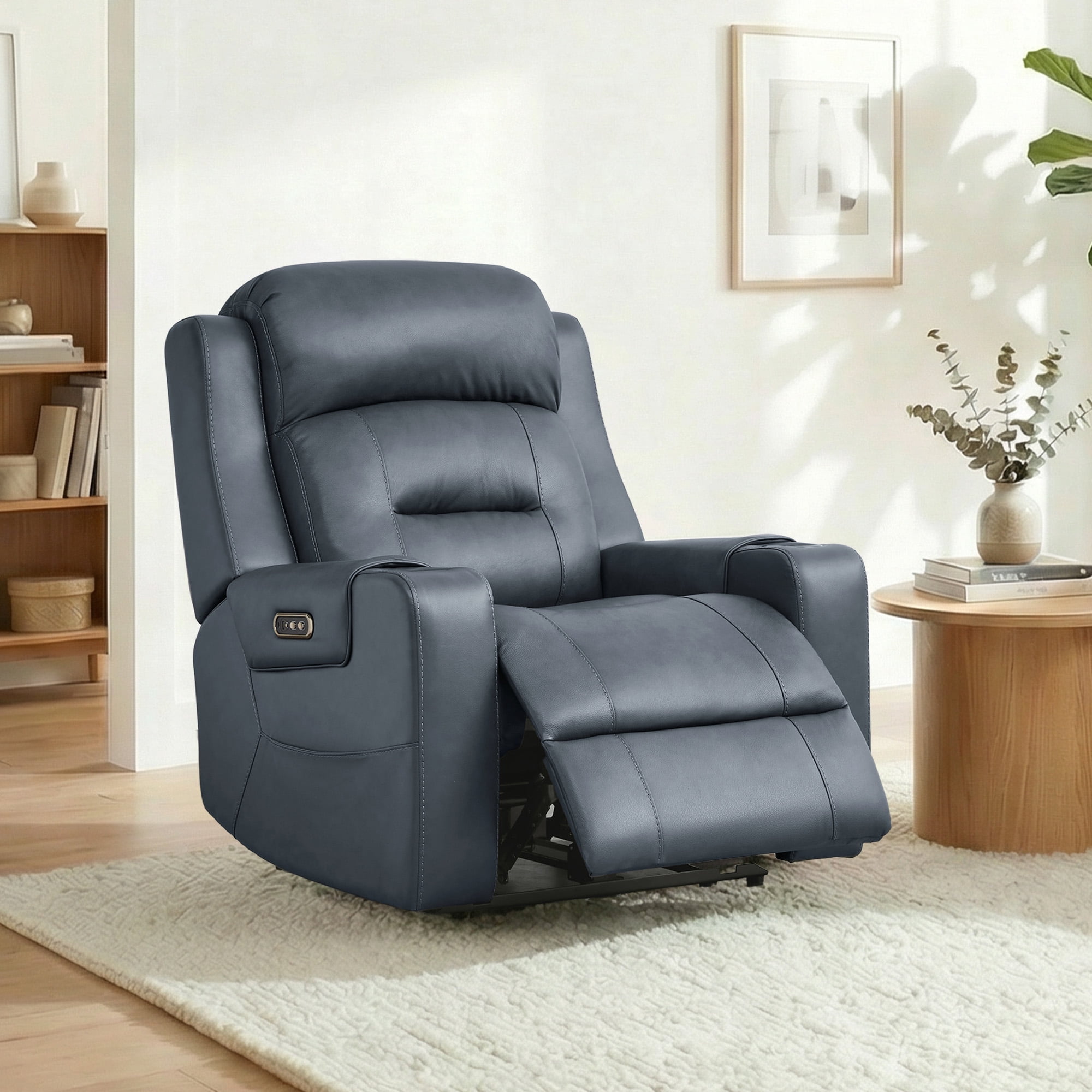
Why Choose a Lay Flat Office Chair? Redefining Workplace Wellness
The modern work environment is demanding longer hours and increased focus. While ergonomic chairs have long addressed posture, a new category—the lay flat office chair—addresses a fundamental human need: rest. These chairs, also known as zero-gravity recliners or full-recline task chairs, are engineered to do more than just tilt back. They allow you to achieve a near-horizontal position, promoting true relaxation and even short naps without leaving your workspace.
According to a study by the National Sleep Foundation, a 20-minute power nap can improve alertness and performance. A lay flat chair makes this feasible and comfortable. But the benefits extend beyond napping; the zero-gravity position (where your legs are elevated to heart level) has been shown to reduce spinal pressure by up to 30% compared to sitting upright, according to research from NASA on seated postures. This makes these chairs a powerful tool for executives, creatives, and anyone suffering from lower back fatigue.
How 'Lay Flat' Mechanisms Work: Beyond Simple Recline
Not all reclining chairs are created equal. A true lay flat office chair utilizes a synchronized mechanism that often includes a separate footrest extension. Here’s what distinguishes them:
- Independent Footrest: Unlike a standard tilt, these chairs have a built-in or extendable ottoman that supports your calves and feet, preventing pressure on the back of your thighs.
- Infinite Lock Positions: High-quality models allow you to lock the chair at any angle, from 90 degrees upright to 180 degrees flat, offering complete control rather than pre-set notches.
- Stability-First Design: The base is often wider and the casters may lock when weight is shifted back, ensuring the chair doesn't roll away while you're reclining. Look for models with a sturdy, oversized five-star base.
Think of it like the difference between a car seat that simply leans back and a first-class seat that transforms into a lie-flat bed. The engineering for full support requires a more complex frame and cushioning.
Anatomy of a Premium Lay Flat Office Chair: What to Look For
When evaluating a lay flat chair, focus on the components that ensure both daily functionality and exceptional recline comfort. Here’s a detailed breakdown of the critical features:
🛠️ Frame & Recline Mechanism
- Steel vs. Aluminum: Steel offers maximum durability for heavy use; aluminum is lighter and corrosion-resistant.
- Gas Spring vs. Manual Lock: Pneumatic gas springs allow for smooth, weightless adjustment, while a manual pull-latch is more mechanical but often less expensive.
- Class 4 Gas Lift: Essential for stability, especially when reclining. It ensures smooth height adjustment under load.
🛋️ Cushioning & Upholstery
- High-Density Foam: Prevents the "bottoming out" feeling when lying down. Look for foam with a density rating of 2.5 lbs/ft³ or higher.
- Breathable Materials: Mesh is excellent for back support to prevent sweating. Premium bonded leather or fabric on the seat offers comfort and easy cleaning.
- Contoured Seat Pan: A waterfall edge reduces pressure behind the knees, crucial when the chair is reclined.
⚙️ Adjustability Range
- Extendable Footrest: Must be long enough to support the entire calf, ideally with an articulated or padded section.
- Multi-Dimensional Headrest: An adjustable headrest is vital for supporting the neck in a flat position. Some offer tilt and height adjustments.
- 4D Armrests: Armrests that move up/down, sideways, and pivot allow you to position them out of the way when lying down or for proper typing posture when upright.
Step-by-Step Guide to Choosing Your Ideal Lay Flat Chair
Selecting the right chair involves matching your physical needs and workspace layout to the chair's specifications. Follow this practical guide:
- Measure Your Space: A lay flat chair requires clearance behind it. Measure the distance from your desk to the wall. When fully reclined, most chairs need 15-25 inches of space behind the backrest. Always check the product's "reclined depth" specification.
- Assess Your Recline Needs: Do you want a full 180-degree lie-flat bed, or is a 150-degree "zero-gravity" position sufficient? The latter is often more compact and still provides excellent pressure relief. For occasional 15-minute power naps, 150° is usually enough.
- Check Material Durability: If you plan to nap frequently, consider breathable mesh for the back to avoid sweating. For a more luxurious feel and easy wipe-down, look for high-quality PU or bonded leather on the seat and footrest.
- Prioritize the Footrest: The footrest mechanism should be sturdy. Test (or read reviews on) how easily it deploys and retracts. Some chairs have a lever, others a simple pull-out design. Ensure it locks securely in place when extended.
- Verify the Locking Mechanism: A chair that can be locked at any recline angle offers superior versatility. This allows you to find the perfect position for reading, video calls, or resting, without the chair snapping back upright.
Pro Tip: Sit in the chair and fully recline it for at least 5 minutes before purchasing if possible. Pay attention to pressure points behind the knees, on the lower back, and the support under your neck. A good chair will feel supportive, not like you're sinking or being squeezed.
The Health & Productivity Connection: More Than Just a Nap
Investing in a lay flat office chair is an investment in your daily performance. The ability to take a true break without leaving your office environment has profound effects:
- Reduced Mental Fatigue: A short period in a zero-gravity position can help reset your cognitive load, making you more effective for afternoon tasks. It's like a "hard reset" for your brain.
- Improved Circulation: Elevating your legs above heart level helps venous blood return, reducing swelling in feet and ankles—a common issue for those who sit all day. This is particularly beneficial for individuals with sedentary jobs.
- Dynamic Sitting: The ability to easily change your posture from upright to reclined throughout the day promotes "dynamic sitting," which reduces the strain of staying in one static position. This variation is key to long-term spinal health.
Ergonomic consultant Dr. Emily Reed notes, "The spine is designed to move. A lay flat chair encourages postural variability that a standard task chair simply cannot provide. It's not just about lying down; it's about giving your spine a different, healthier load profile throughout the workday."
Material Choices for Lay Flat Chairs: Comfort vs. Durability
The materials used in a lay flat chair must withstand the stress of horizontal use. Here's how to choose wisely:
| Material | Pros in a Lay-Flat Context | Cons in a Lay-Flat Context |
|---|---|---|
| Breathable Mesh (Backrest) | Prevents overheating when lying down for extended periods; conforms well to the spine. | May not provide the "soft" feel some want for napping; can be less durable if stretched over a complex recline frame. |
| High-Resilience Foam (Seat/Footrest) | Essential for maintaining shape and support in the flat position; resists sagging. | Can feel firm initially; quality foam increases the chair's weight and cost. |
| Premium Bonded Leather | Easy to wipe clean; gives a luxurious, executive appearance; softens over time. | Can be less breathable than fabric; may crack over many years if not conditioned, especially if the chair is used in a very sunny, warm office. |
| Durable Fabric (e.g., Polyester) | Good balance of breathability and softness; available in modern colors and patterns. |