

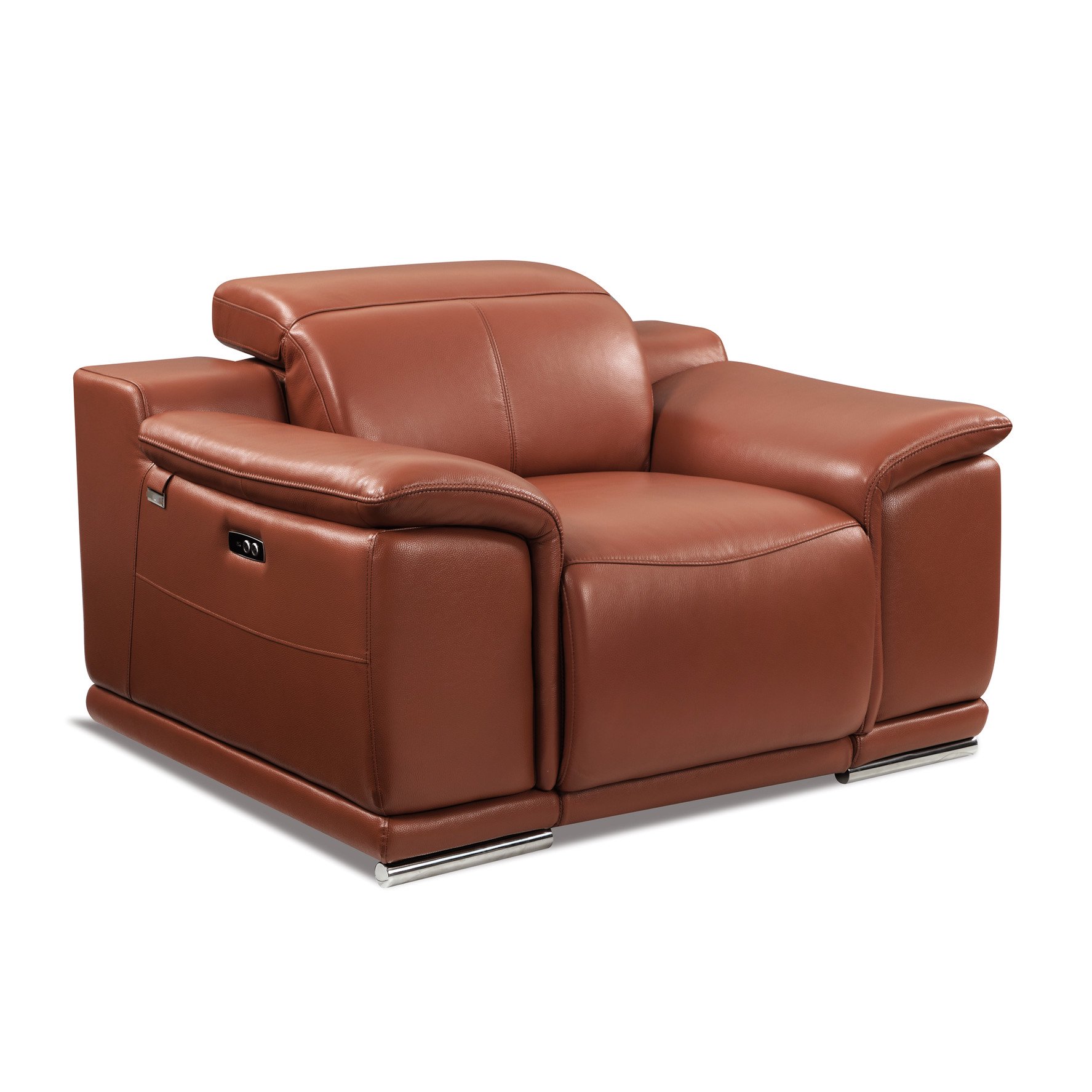
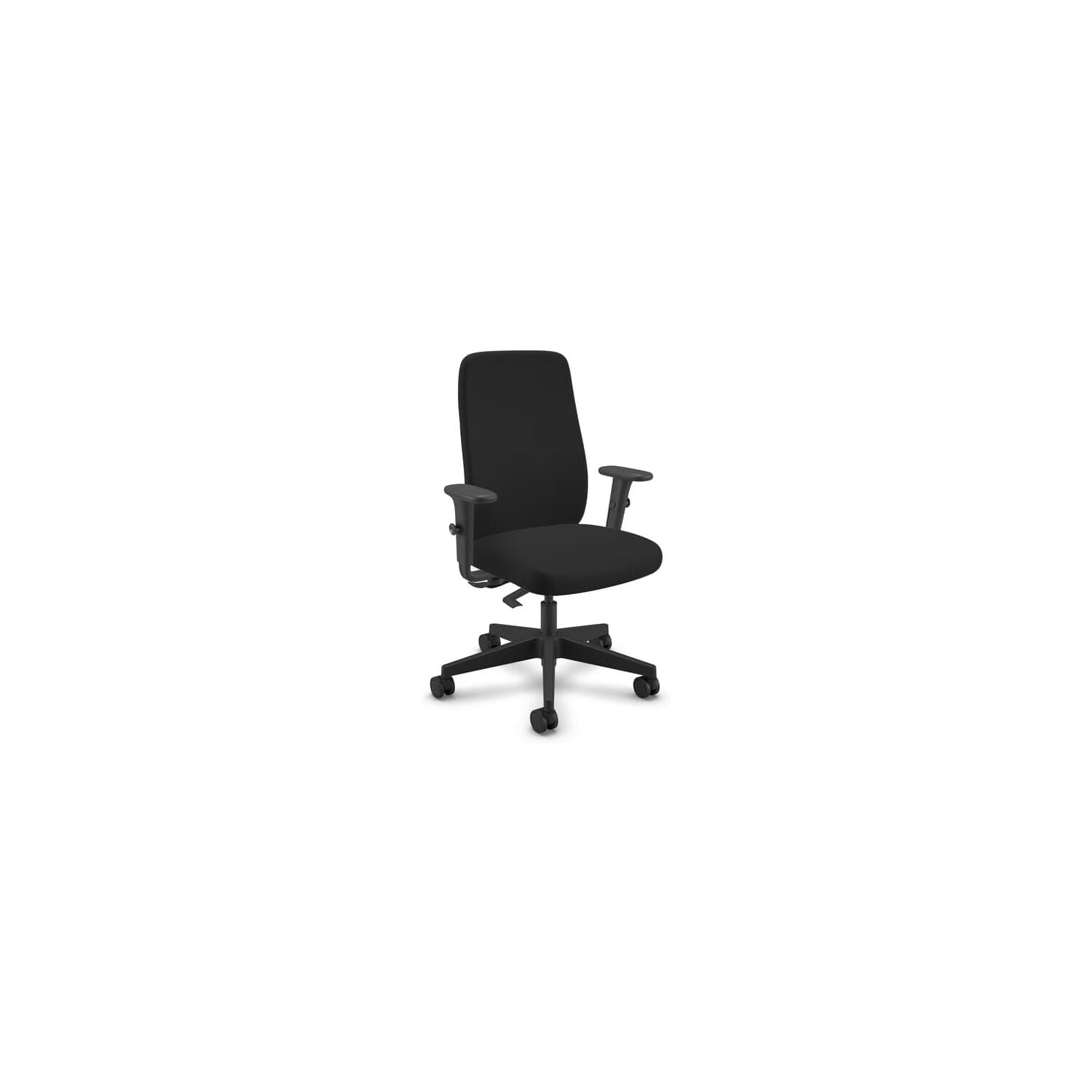
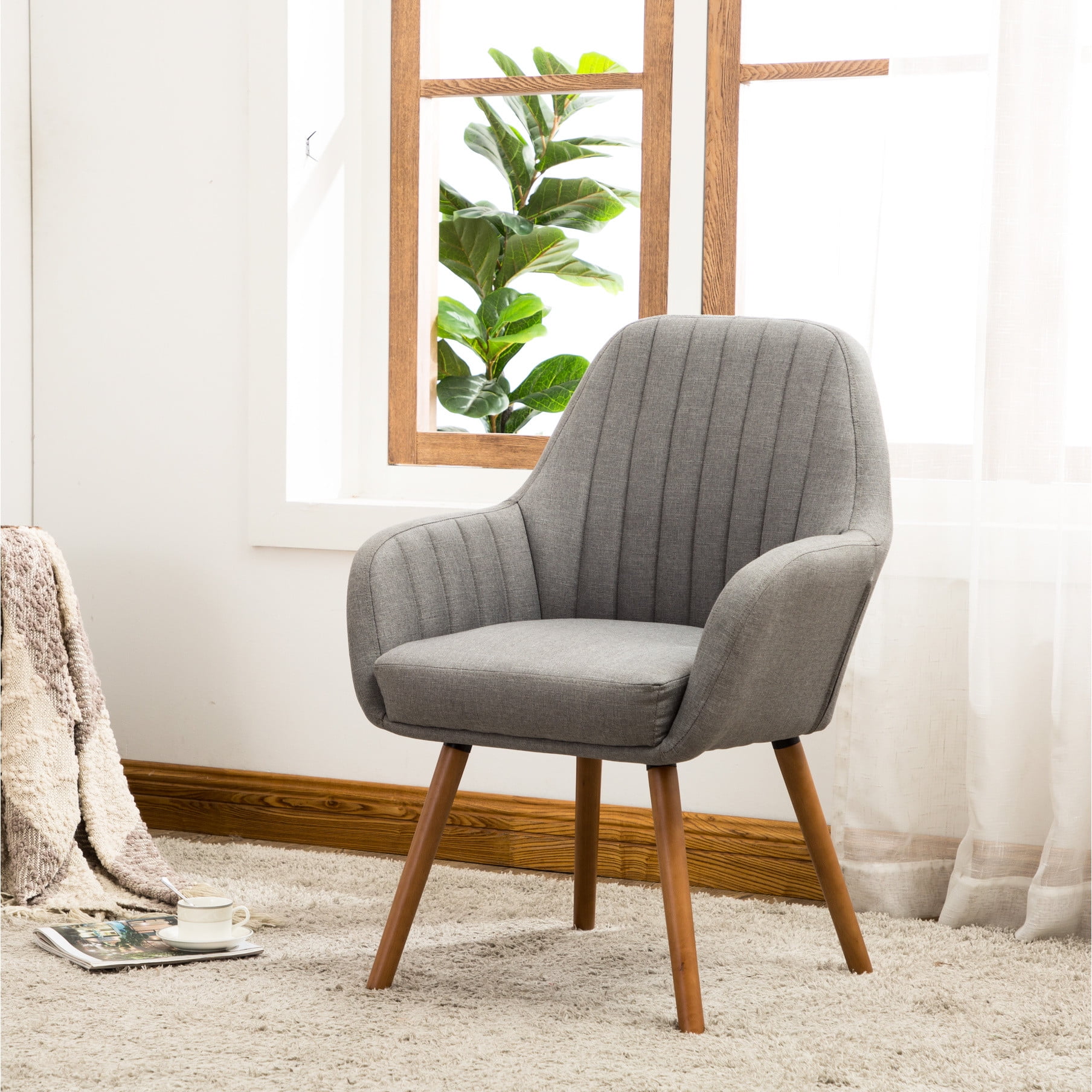
Why a High Quality Home Office Chair Transforms Your Workday
Your home office is your command center. Whether you're leading virtual meetings, managing projects, or diving into deep work, the chair you sit on dictates your physical health and mental clarity. A high quality home office chair isn't a luxury—it's a critical tool that directly correlates with productivity and long-term well-being. Unlike standard task chairs, premium models are engineered with commercial-grade components, advanced biomechanics, and materials that maintain their integrity year after year.
Research Insight: Studies show that remote workers using high quality ergonomic seating report 28% less fatigue and 35% fewer distractions compared to those using basic or outdated chairs. The cumulative effect on annual productivity can be substantial, making a premium chair a high-ROI investment.
Anatomy of a Superior Home Office Chair
What separates a truly exceptional chair from an average one? Let's break down the core elements that define high quality home office seating:
🔧 Robust Frame & Mechanism
Premium chairs utilize reinforced steel frames, Class 4 gas lifts (tested for 100,000+ cycles), and aluminum bases. This foundation ensures stability and safety, even for users up to 350 lbs. Avoid plastic bases or thin-gauge steel found in budget models.
🧠 Adaptive Ergonomics
High quality means high adjustability: independent seat depth, tilt tension, synchronous recline, 4D armrests (height, width, pivot, depth), and a headrest that supports the cervical spine. These adjustments allow perfect alignment for your unique body geometry.
🌿 Premium Materials
Top-tier chairs use breathable mesh that maintains tension, cold-cured foam that resists flattening, or top-grain leather that ages gracefully. Fabric options include high-performance textiles with stain resistance and antimicrobial treatments.
⚙️ Warranty & Certifications
Look for BIFMA certification (ensures safety/durability standards) and warranties of 7–12 years on mechanisms/frame. Reputable manufacturers stand behind their products, which is a hallmark of genuine quality.
Material Deep-Dive: Which Surface Suits Your Home Office?
Selecting the right upholstery for your high quality home office chair is crucial for both comfort and maintenance. Here's a detailed comparison based on real-world usage:
| Material | Durability | Breathability | Best Use Case | Maintenance Level |
|---|---|---|---|---|
| Premium Mesh | High (7-10 yrs) | Excellent | All-day work in warm/humid climates, active sitters | Low (wipe with mild soap) |
| Top-Grain Leather | Very High (10-15+ yrs) | Moderate | Executive home offices, client-facing spaces | Medium (conditioning every 6-12 mo) |
| Performance Fabric | High (8-12 yrs) | Moderate-High | Family shared spaces, soft texture preference | Medium (spot clean, occasional deep clean) |
| Faux Leather/PU | Fair (3-5 yrs) | Low | Budget-conscious but desire leather look | Low (prone to peeling over time) |
The Ergonomic ROI: Health & Performance Benefits
Investing in a high quality home office chair yields measurable returns beyond comfort. Here’s how premium seating directly impacts your professional life:
- Reduced Musculoskeletal Disorders: Proper lumbar and pelvic support decrease the risk of chronic back, neck, and shoulder issues by up to 65% according to workplace ergonomics studies.
- Enhanced Cognitive Focus: When your body is supported and comfortable, your brain allocates more resources to complex tasks. Users report 23% faster task completion in high-quality ergonomic chairs versus basic alternatives.
- Better Posture Habits: High-end chairs encourage dynamic sitting—subtle movement that engages core muscles, improving posture even when you stand up.
- Long-Term Cost Savings: A $900 chair that lasts 10 years costs $90/year, far less than frequent replacements of cheaper chairs plus potential medical expenses.
Step-by-Step Guide to Selecting Your Ideal High Quality Home Office Chair
Follow this methodical approach to ensure you choose a chair that fits your body, space, and work style perfectly:
- Assess Your Physical Metrics: Measure your height, weight, and torso length. For tall individuals (over 6’2”), seek chairs with an extended seat depth (19+ inches) and higher backrest. For petite users, ensure the seat depth adjusts to at least 16 inches to avoid pressure behind knees.
- Identify Your Primary Activities: If you switch between typing, calls, and creative work, prioritize a chair with synchronous tilt and 4D armrests. For focused solo work, robust lumbar support is key.
- Check Workspace Compatibility: Measure your desk height. A high quality chair should have pneumatic adjustment that allows your thighs to be parallel to the floor while your feet rest flat.
- Test or Simulate: If possible, test the chair's recline smoothness, ease of adjustment levers, and seat cushion firmness. A quality chair will have intuitive controls and a stable feel during motion.
- Verify Certifications & Reviews: Look for BIFMA (Business and Institutional Furniture Manufacturers Association) certification. Cross-reference professional reviews and user feedback regarding long-term durability.
Maintenance Tips to Extend Your Chair’s Life
Even the best high quality home office chair requires periodic care to maintain its performance. Follow these guidelines to protect your investment:
- Clean Regularly: Vacuum fabric/mesh weekly to remove dust. For leather, use a pH-balanced cleaner and conditioner every 6 months.
- Tighten Bolts: Check all screws and bolts every 3-4 months, especially on armrests and tilt mechanisms.
- Avoid Over-Tilting: Don't exceed the chair's weight capacity or use extreme recline angles frequently—this can stress the gas lift.
- Protect Casters: Use a chair mat on carpet to prevent debris from clogging wheels; on hardwood, ensure casters are soft rubber to avoid scratching.