
Why Choose a Faux Leather Office Chair? The Smart Executive's Choice
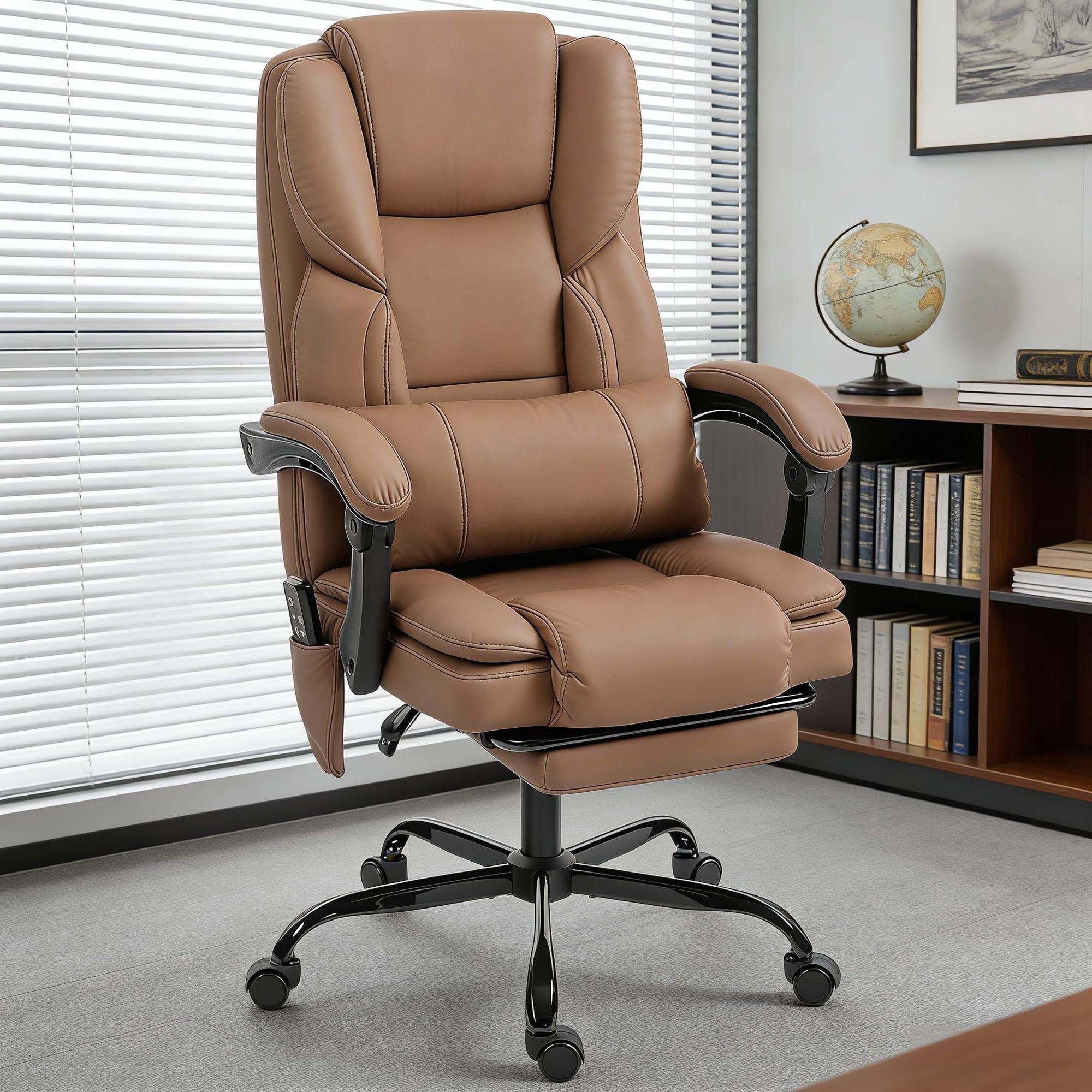
Imagine walking into an office that exudes confidence and style. The chair you sit on speaks volumes. A faux leather office chair offers that commanding presence—the look of luxurious leather—without the ethical concerns or the hefty investment. It's like wearing a perfectly tailored suit that didn't cost a month's salary. For the modern professional, it represents a smart, conscious choice that doesn't compromise on aesthetics or comfort.
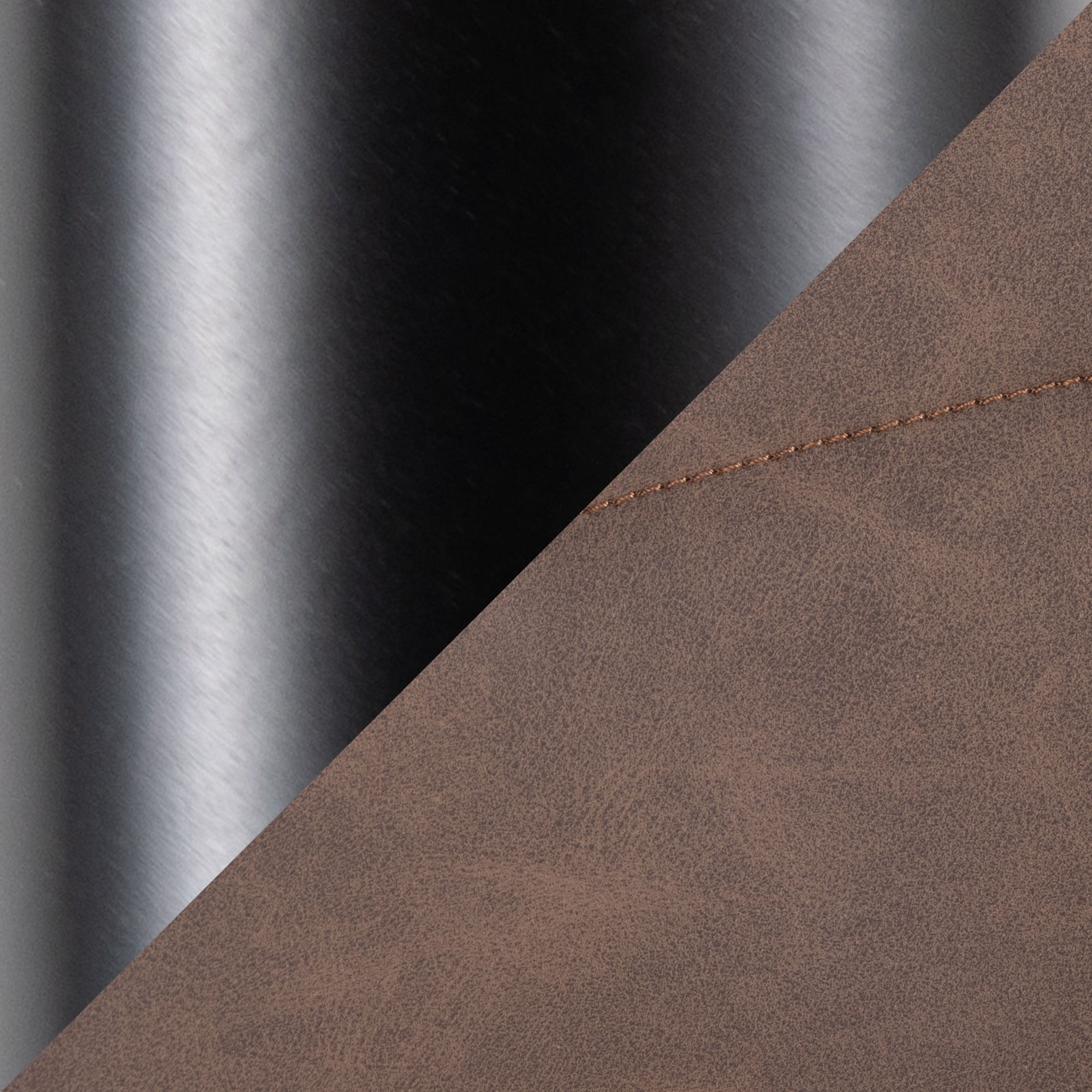
Faux leather, also known as PU (polyurethane) leather or vegan leather, has undergone a revolution. Today's materials are incredibly durable, soft to the touch, and designed to resist the peeling and cracking that plagued earlier versions. According to industry data, the demand for vegan leather office furniture has grown by over 35% in the last three years, driven by professionals seeking both style and sustainability.
Key Insight: A well-constructed faux leather office chair can last 5-7 years with proper care, offering a cost-per-year that rivals much more expensive materials. This makes it an exceptional value for home offices and growing businesses.
Faux Leather vs. Real Leather: A Practical Breakdown
Choosing between real and faux leather often comes down to priorities. Real leather is an investment that ages beautifully but requires maintenance and comes with a high price tag. Faux leather, on the other hand, is like a reliable, stylish friend—it shows up looking great every day, is easy to clean, and fits your budget perfectly.
- Cost-Effectiveness: Faux leather chairs typically cost 50-70% less than equivalent real leather models.
- Maintenance: Spilled your coffee? A simple wipe cleans it up. No special conditioners needed.
- Consistency & Color: Faux leather offers uniform color and texture, with a vast range of shades from classic black and brown to modern navy or grey.
- Ethical & Vegan: A completely animal-free product, appealing to a growing number of conscious consumers.
Anatomy of a Quality Faux Leather Chair: What to Look For
Not all faux leather is created equal. To ensure you're getting a chair that will last, pay attention to these key construction details:
| Component | Why It Matters | What to Look For |
|---|---|---|
| Material Grade | Determines durability and feel. | High-quality PU leather with a thick top coat. Avoid thin, papery-feeling vinyl. |
| Breathability | Prevents discomfort during long sits. | Look for chairs with mesh back inserts, perforated leather, or a "bonded leather & fabric" combination. |
| Foam Density | Affects comfort and longevity. | High-density, cold-cured foam (often labeled as "molded foam") retains its shape and provides better support. |
| Base & Casters | Ensures stability and smooth movement. | A heavy-duty nylon or aluminum base with durable casters suitable for your floor type. |
| Stitching | Indicates overall build quality. | Double-stitched seams at stress points are a sign of a well-made chair. |
Top Benefits: More Than Just a Pretty Surface
Easy Cleanup
A quick wipe is all it takes to keep it looking new—perfect for busy workspaces.
Pet-Friendly
Claws are less likely to damage faux leather compared to fabric, and fur wipes right off.
Allergen Resistant
The non-porous surface doesn't trap dust mites, dander, or pollen, creating a cleaner workspace.
Instant Polish
Elevates the look of any home office or professional setting instantly, projecting a successful image.
Finding Your Perfect Fit: A 3-Step Selection Guide
Step 1: Define Your Primary Use
Are you in back-to-back video calls, or do you spend hours focused on analytical work? Your use case dictates the features you need.
- For Video Conferencing: Prioritize a chair with a headrest and a quiet, smooth-swivel base for a professional appearance on screen.
- For Deep Work / Coding: Focus on ergonomic adjustments—adjustable lumbar support, seat depth, and 4D armrests.
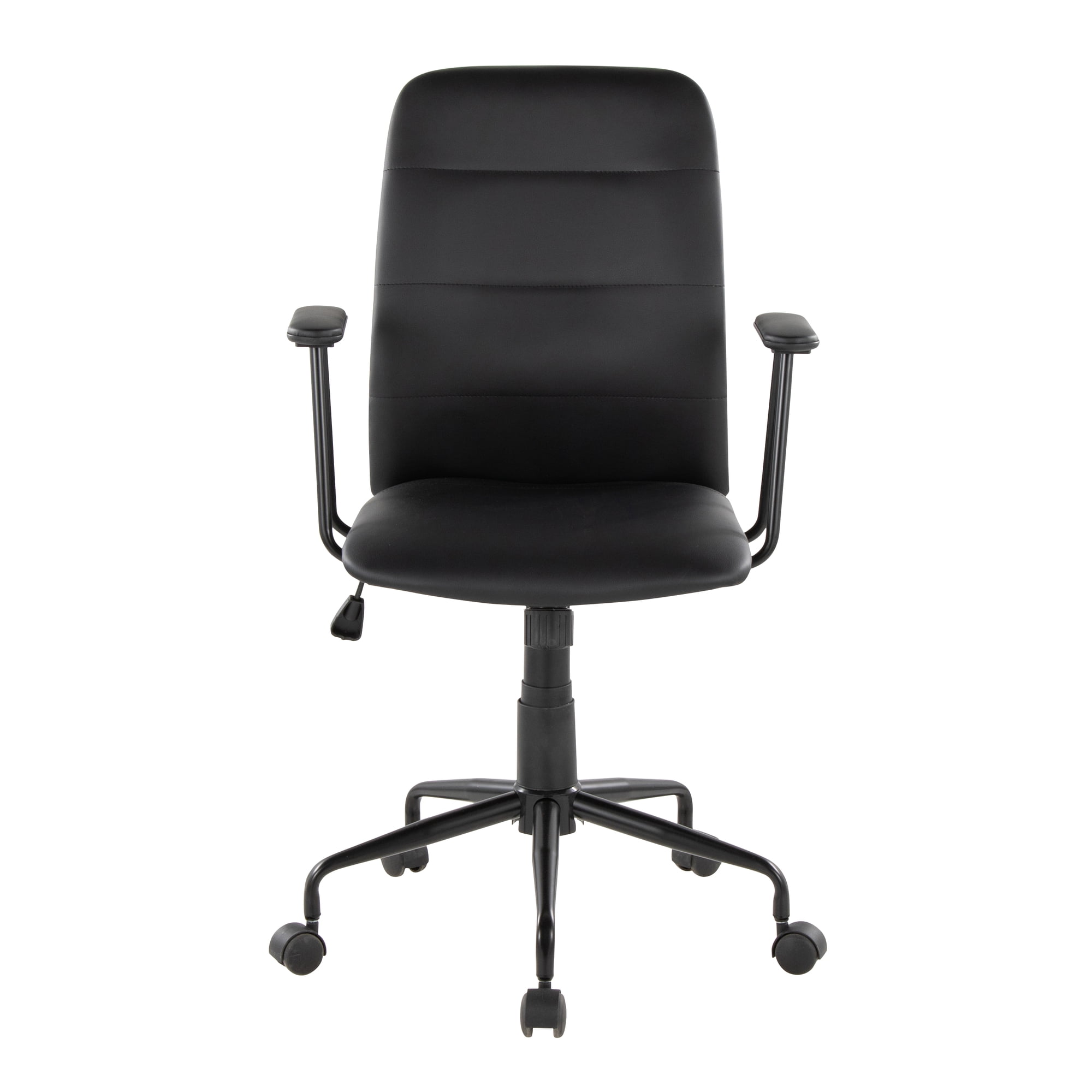
- For a Shared or Guest Office: A sleek, mid-back design with limited adjustments might be the perfect, cost-effective choice.
Step 2: Match Your Body Type
A chair should fit you, not the other way around. Consider these dimensions:
- Seat Width: Ensure you have enough room to move comfortably. Standard is around 20-22 inches.
- Seat Depth: You should be able to sit with your back against the backrest and have 2-4 fingers of space between the back of your knee and the seat edge.
- Backrest Height: High-back chairs offer more upper body and neck support, while mid-back chairs are better for active movement.
Step 3: Match Your Aesthetic & Budget
Faux leather chairs come in a spectrum of styles. From classic, tufted "Chesterfield" looks to minimalist, modern designs with sleek lines. Set a realistic budget—the sweet spot for a high-quality, durable faux leather chair with good ergonomics is typically between $200 and $500.
Frequently Asked Questions About Faux Leather Office Chairs
Conclusion: Style, Comfort, and Value—Seamlessly Combined
The modern faux leather office chair is no longer a compromise; it's a smart, stylish, and sustainable choice for the contemporary workspace. It offers the professional polish you need, the ergonomic support your body craves, and the budget-friendly price your wallet appreciates. Whether you're outfitting a home office, a startup, or a corporate environment, a quality faux leather chair delivers on every front. Explore the options above and take a seat in the future of office comfort.