

What Defines a Good Office Desk Chair?
Finding a good office desk chair is about more than just picking a seat. It's about choosing a partner for your daily grind—one that supports your back, keeps you comfortable, and even enhances your focus. In today's hybrid work era, the line between home and office has blurred, making the right chair a non-negotiable investment.
Did you know? Studies suggest that employees who use ergonomic chairs report up to 45% less discomfort and a 35% boost in productivity. A good office desk chair pays for itself in well-being and efficiency.
5 Key Pillars of a Good Office Desk Chair
- Adjustable Lumbar Support: The spine's natural curve needs proper support. A chair with height and depth adjustable lumbar keeps your lower back aligned.
- Seat Depth & Width: A seat that's too short or long can cut off circulation. Look for a depth that leaves 2-3 fingers between the edge of the seat and your knees.
- Armrest Versatility: 4D armrests (up/down, in/out, forward/back, angle) allow your shoulders to relax and prevent neck strain.
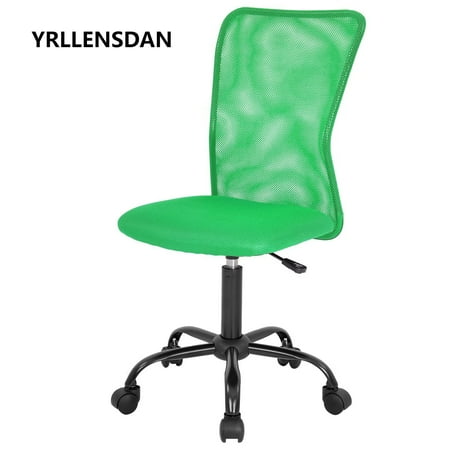
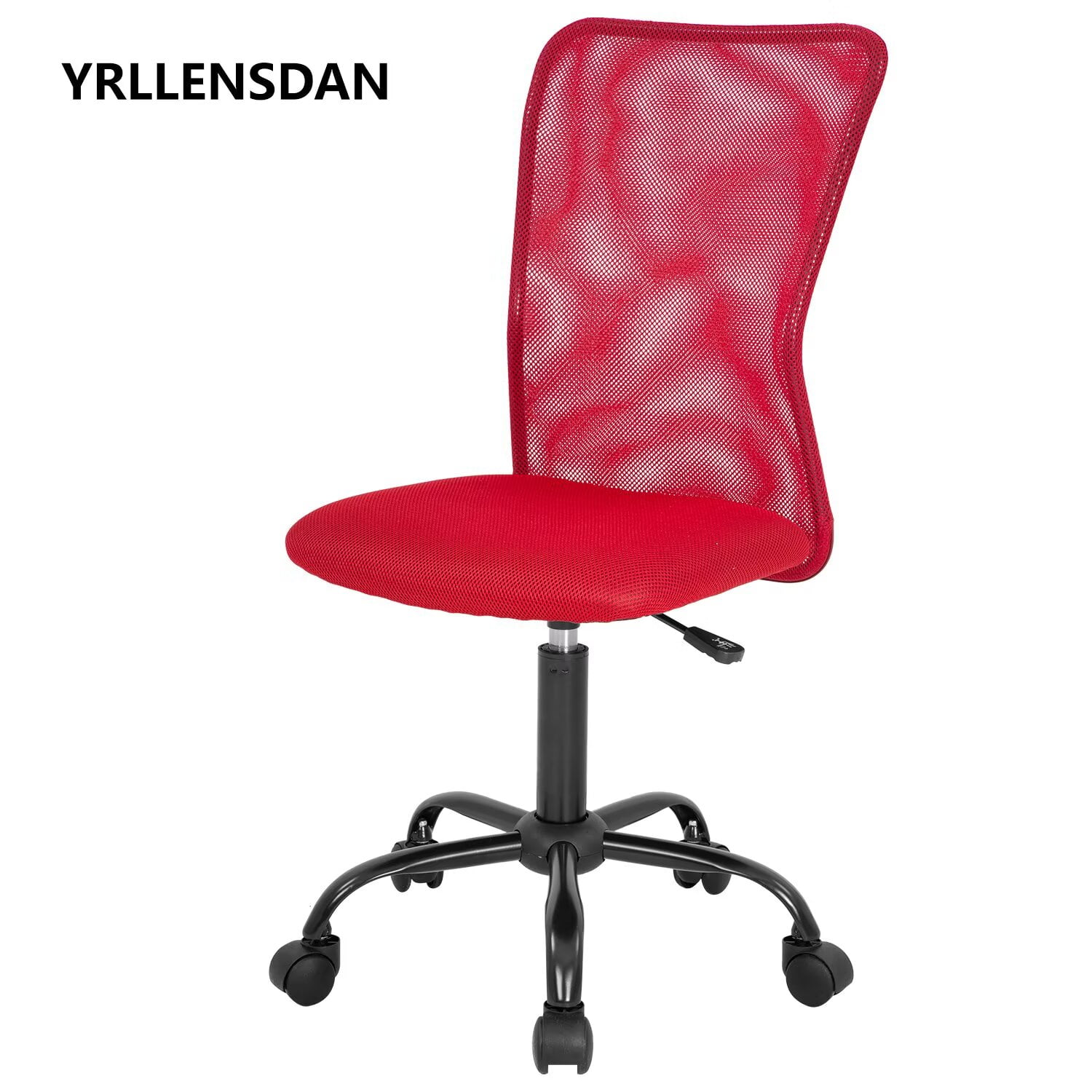
- Breathable Material: Whether mesh, fabric, or leather, the material affects temperature regulation. Mesh is best for hot climates, while fabric offers a cozy feel.
- Durable Construction: A heavy-duty base, smooth-rolling casters, and a reliable gas lift ensure your chair stands the test of time.
Ergonomics vs. Aesthetics: Finding the Balance
Many professionals assume they have to choose between a chair that looks good and one that feels good. Modern design bridges that gap. Today's good office desk chairs combine sleek lines with advanced ergonomics, so you can have a chair that impresses clients and cradles your spine.
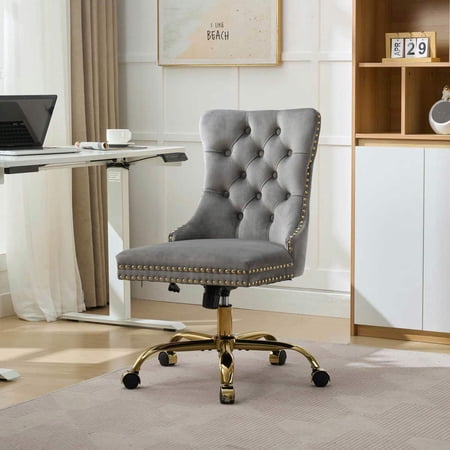
For a minimalist home office, consider a mesh-backed chair with a polished aluminum base. For a traditional executive suite, a leather-upholstered chair with subtle tufting offers timeless elegance. The key is to prioritize adjustability—because even the most beautiful chair won't serve you if it doesn't fit your body.
Health Benefits You Can't Ignore
Reduced Musculoskeletal Pain
Proper support minimizes pressure on hips, spine, and shoulders.
Improved Posture
Good chairs encourage a neutral, upright sitting position.
Better Circulation
Waterfall seat edges and correct height prevent leg fatigue.
Enhanced Focus
Less discomfort means more mental energy for deep work.
How to Choose Your Perfect Match: A Step-by-Step Approach
1. Assess Your Daily Routine
- Hours seated: If you sit 6+ hours, prioritize premium lumbar and seat depth.
- Movement style: Do you lean back often? Look for a multi-tilt mechanism.
- Work environment: Open office? Choose low-noise casters. Home office? Aesthetic matters more.
2. Test Adjustability Limits
- Seat height should allow your feet flat on the floor, thighs parallel.
- Armrests should support elbows at a 90-degree angle.
- Lumbar should fit snugly against your lower back curve.
3. Material & Climate Match
- Hot or humid? Mesh is your best friend.
- Cooler climate or luxury feel? Leather or high-grade fabric.
- Allergies? Leather is hypoallergenic and easy to wipe clean.
4. Warranty & Build Quality
- Look for 10+ years on the frame and 3+ years on parts.
- Check for BIFMA certification—it ensures safety and durability standards.
Material at a Glance: Which Suits You?
| Material | Best For | Durability | Maintenance |
|---|---|---|---|
| Mesh | Breathability, modern look | Good (7-10 yrs) | Low |
| Fabric | Softness, color variety | Moderate (5-8 yrs) | Medium |
| Leather | Luxury, durability | Excellent (12+ yrs) | Medium (conditioning) |
| Faux Leather | Budget-friendly, easy clean | Fair (3-5 yrs) | Low |