
Why Short Persons Need a Special Ergonomic Office Chair with Lumbar Support
Standard office chairs are often designed for the "average" user, which can leave shorter individuals (under 5'4") struggling with poor posture, lower back pain, and general discomfort. An ergonomic office chair with lumbar support for short persons is not a luxury—it's a necessity for maintaining spinal health and productivity.
Did you know? According to a study by the American Chiropractic Association, 80% of office workers experience back pain, and for shorter individuals, the risk is even higher due to improper chair fit. A chair that fits your frame can reduce lower back strain by up to 50%.
Choosing a chair tailored for a petite build ensures that the lumbar support hits the natural curve of your spine, rather than sitting too high or too low. This targeted support prevents slouching and keeps your spine aligned, even during long hours at your desk.
Key Features to Look For
- Adjustable Seat Height: Look for a range that starts at 16 inches or lower, so your feet rest flat on the floor.
- Shorter Seat Depth: A depth of 16–18 inches prevents the seat edge from pressing against the back of your knees.
- Multi-Adjustable Lumbar Support: Height, depth, and tension adjustments let you position the support exactly where your lower back needs it.
- 4D Armrests: Armrests that adjust up/down, in/out, pivot, and slide forward/backward help you keep your shoulders relaxed.
- Lightweight Recline Tension: A tilt mechanism that can be adjusted for a lighter body weight ensures smooth reclining without excessive force.
Top Ergonomic Chair Types for Petite Users
Not all ergonomic chairs are created equal. Here are the best types for short individuals who need lumbar support:
| Chair Type | Best For | Key Lumbar Feature |
|---|---|---|
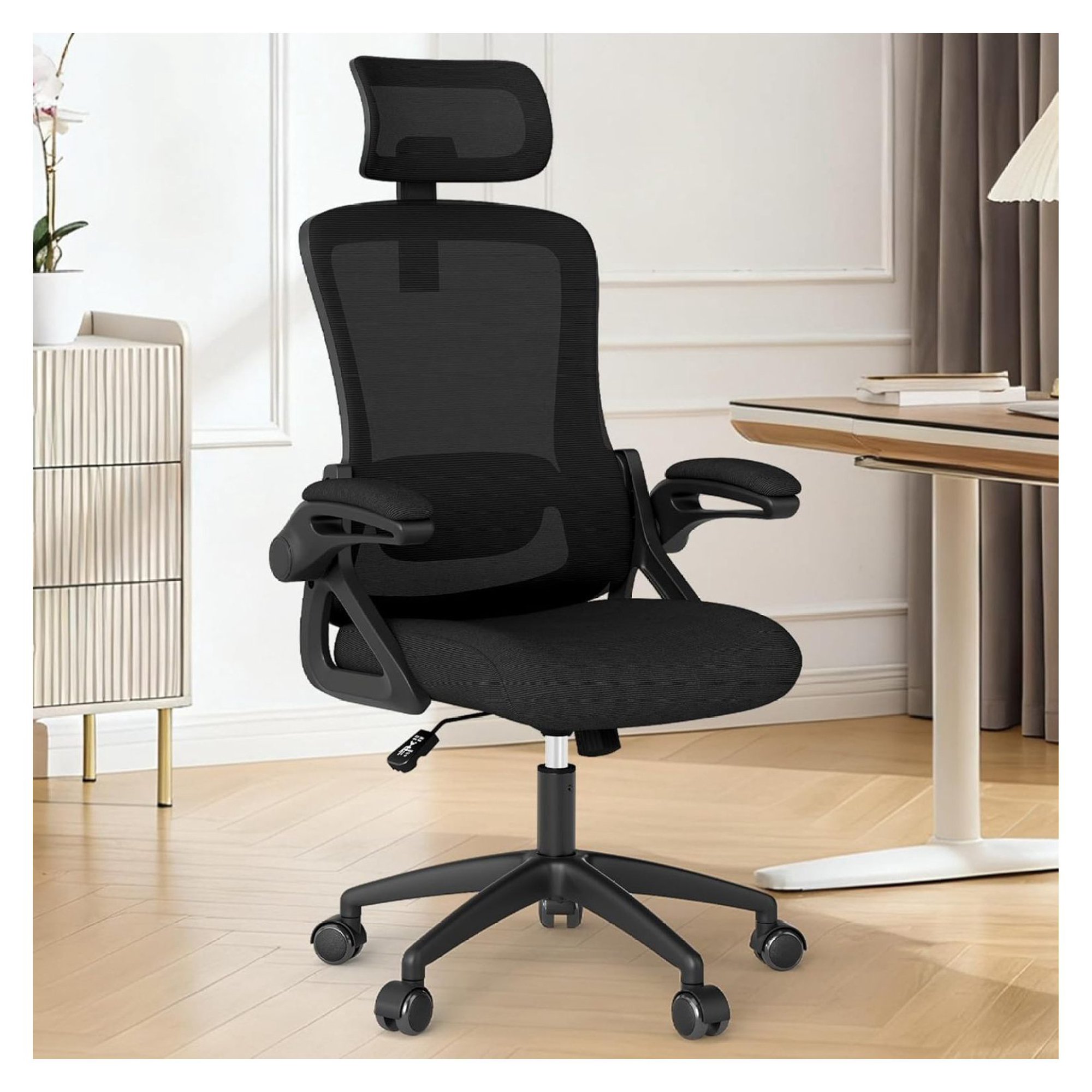
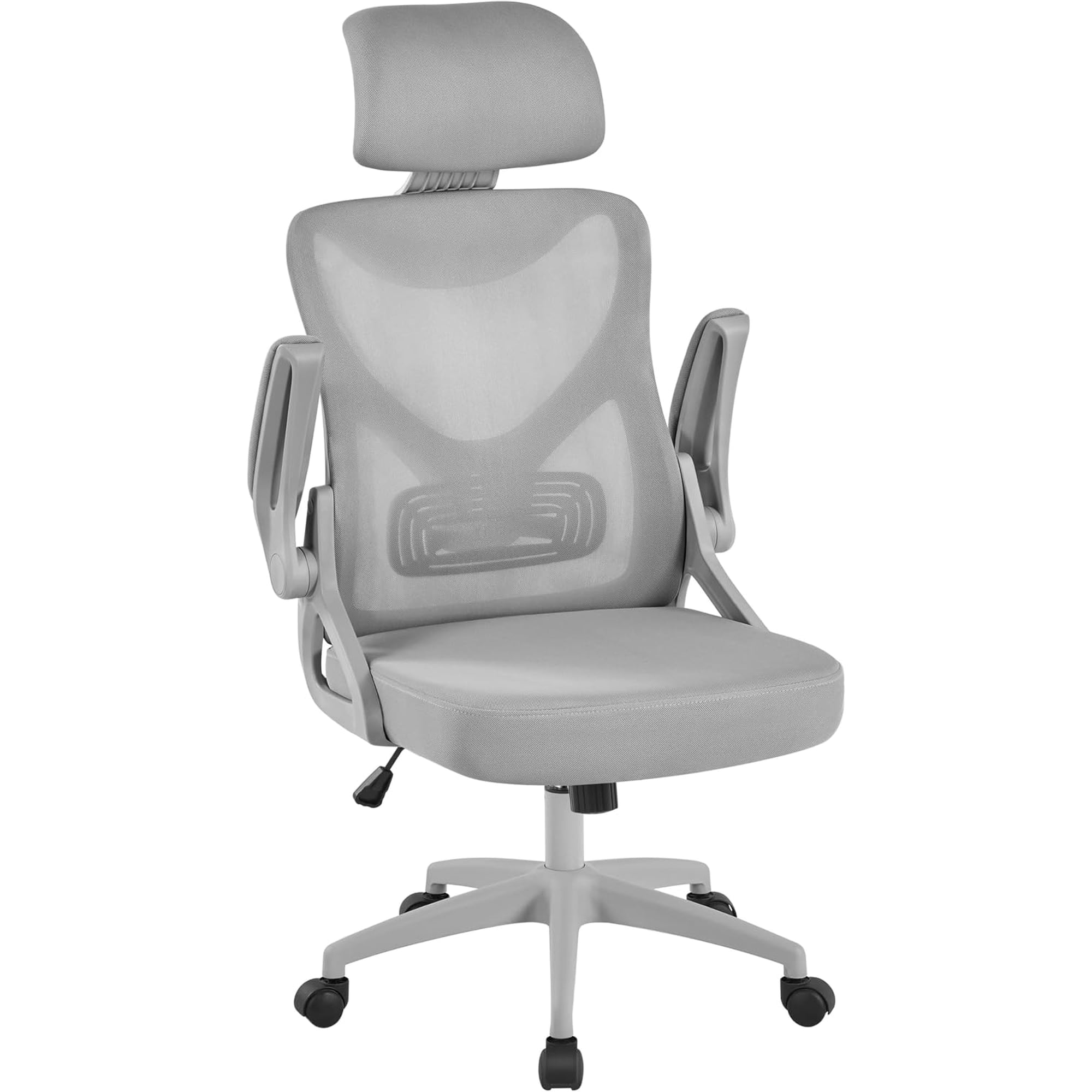
| Mesh Back Ergonomic | Breathability & flexible support | Dynamic lumbar that conforms to your spine |
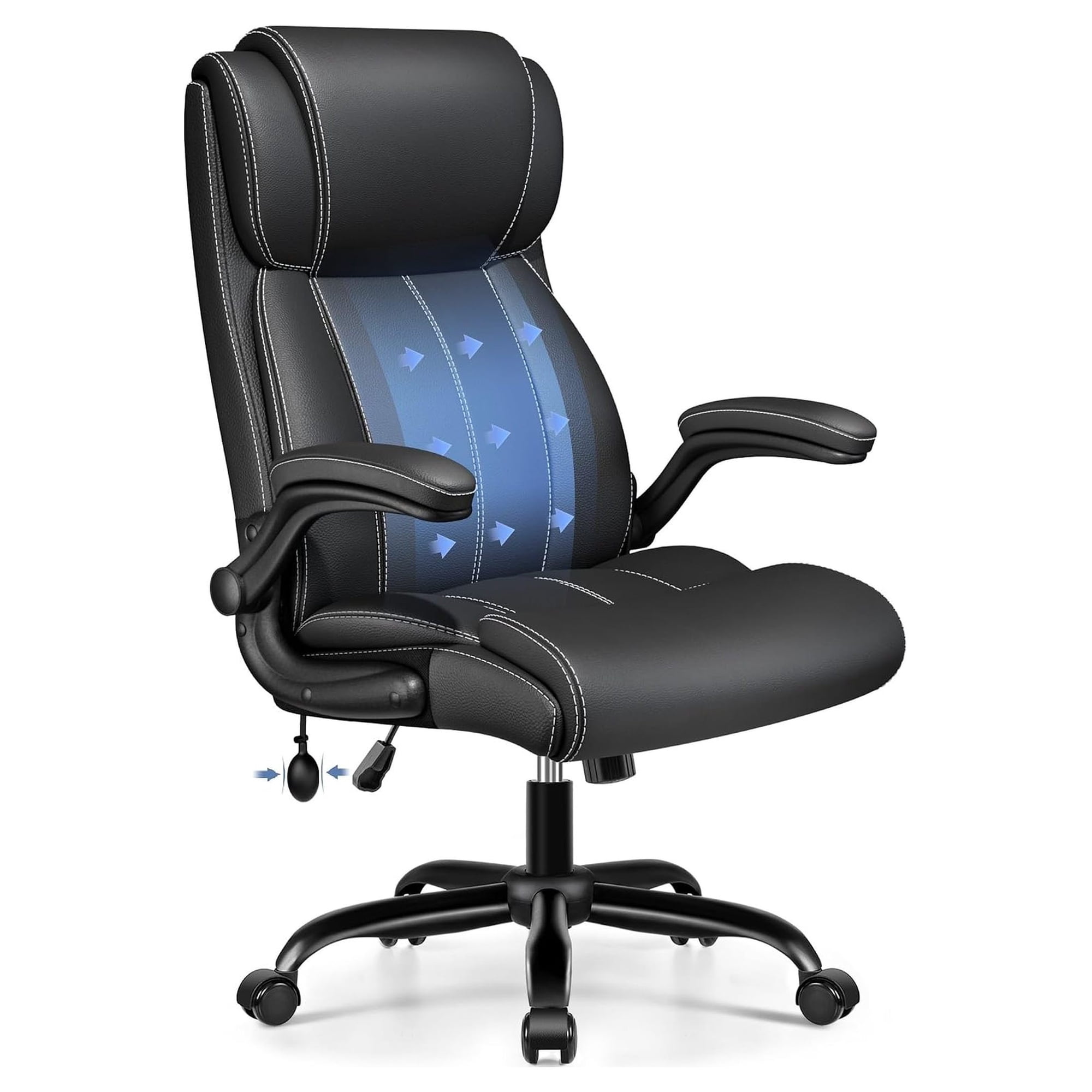
| Leather Executive | Professional settings & plush comfort | Firm, adjustable lumbar pad with memory foam |
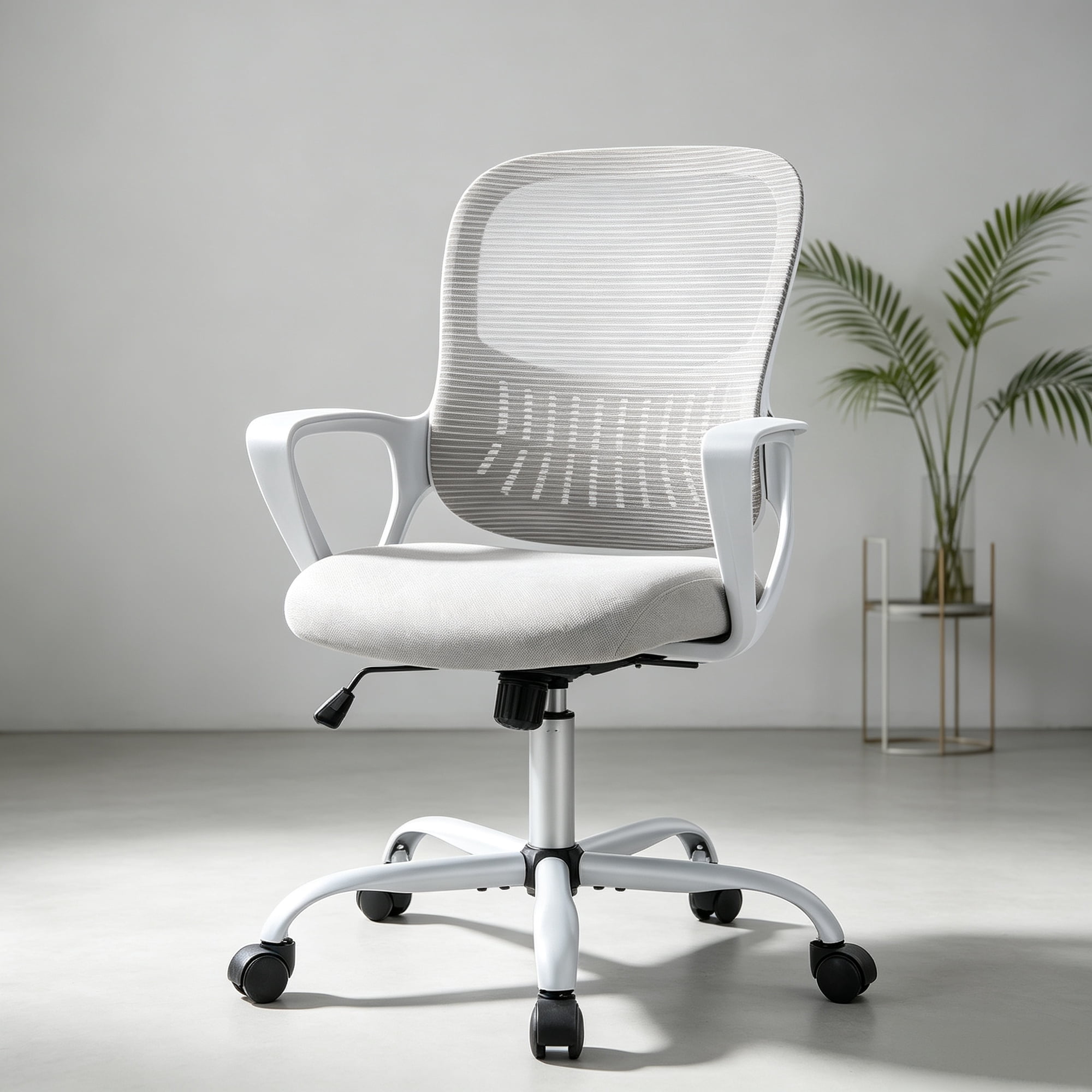
| Task Chair with Adjustable Lumbar | Budget-friendly & versatile | Manual or pneumatic lumbar height adjustment |
| High-Back Ergonomic | Full upper back support | Independent lumbar and backrest tilt |
How to Adjust Your Chair for Optimal Lumbar Support
Step 1: Set the Seat Height
- Adjust so your feet are flat on the floor.
- Your knees should be at a 90° angle, slightly lower than your hips.
Step 2: Adjust Seat Depth
- Sit with your back against the backrest.
- There should be 2-3 finger-widths between the edge of the seat and the back of your knees.
Step 3: Position Lumbar Support
- Move the lumbar pad up or down until it fits the curve of your lower back.
- It should feel like a gentle, supportive pressure, not a hard poke.
Step 4: Fine-Tune Armrests
- Adjust armrests so your elbows rest at a 90° angle.
- They should be close to your body without forcing your shoulders up.
Common Mistakes Short Persons Make When Buying an Office Chair
- Choosing a 'One-Size-Fits-All' chair – These rarely fit petite bodies correctly.
- Ignoring seat depth – A too-deep seat causes you to slump forward.
- Overlooking lumbar adjustability – Non-adjustable lumbar often sits too high.
- Not testing the recline tension – If the tilt is too stiff, you won't use it, defeating the ergonomic benefit.
Health Benefits of Proper Lumbar Support for Short Persons
Reduced Back Pain
Properly placed lumbar support reduces spinal compression and muscle fatigue.
Improved Posture
Encourages a neutral spine position, preventing forward head posture.
Enhanced Focus
Less discomfort means more concentration and higher productivity.
Better Circulation
Reduces pressure on the thighs, improving blood flow.
Frequently Asked Questions About Ergonomic Chairs for Short Persons
Conclusion: Invest in Your Comfort and Health
Finding the right ergonomic office chair with lumbar support for short persons is a game-changer. It's not just about comfort—it's about protecting your back, improving your posture, and boosting your overall well-being. With the right chair, you can work longer, focus better, and avoid the chronic pain that plagues many office workers.
Final Takeaway
- Prioritize adjustability (seat height, depth, lumbar, armrests).
- Test the chair if possible, or look for free returns.
- Don't settle for a chair that doesn't fit—your back will thank you.