
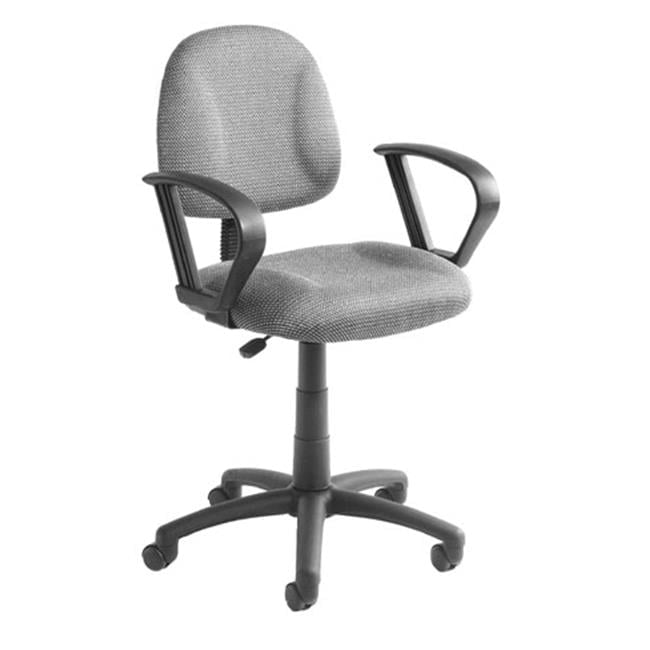
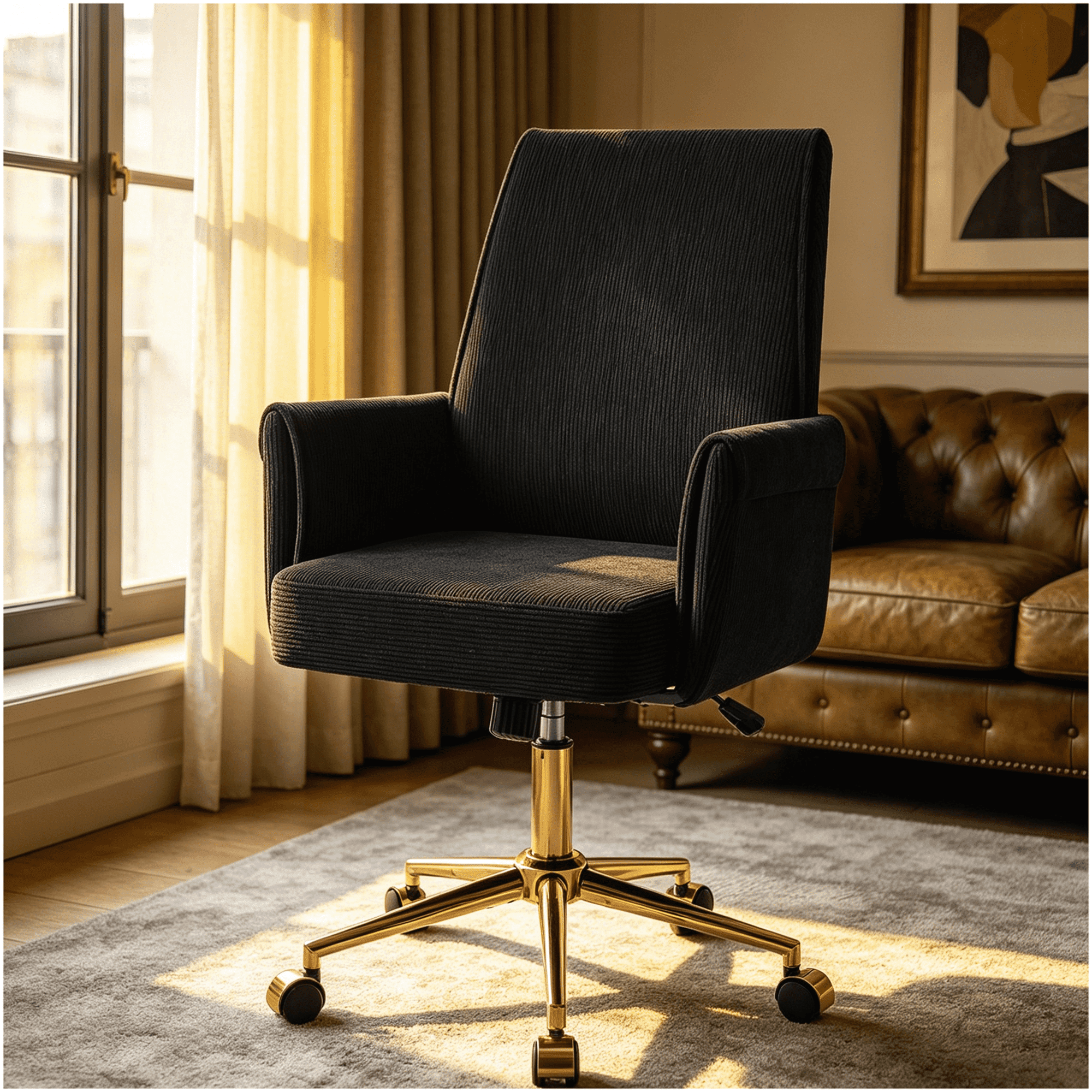
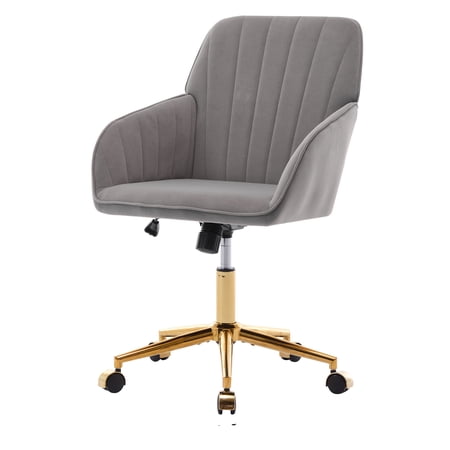
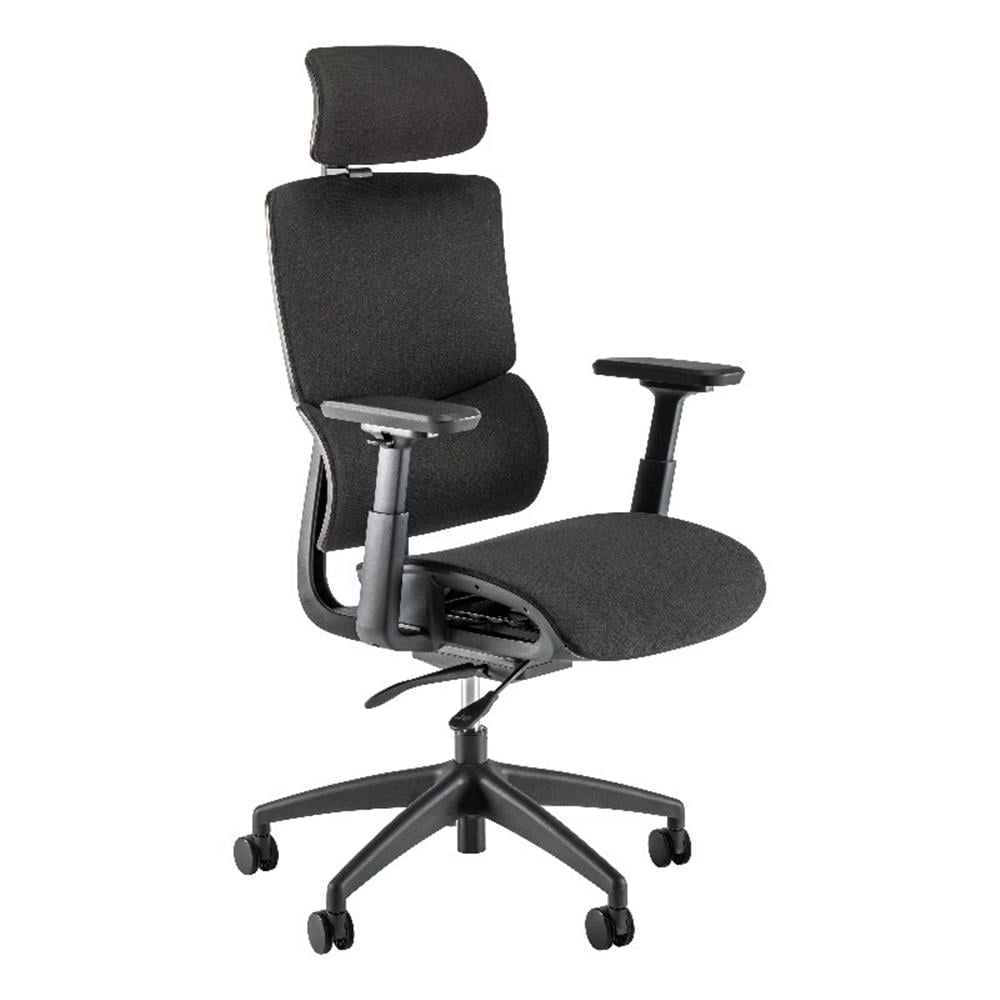
Why Choose a Fabric Office Chair with Lumbar Support?
If you spend more than a few hours a day at a desk, your chair is your most important tool. A fabric office chair with lumbar support offers a unique combination of comfort, breathability, and targeted back support that can transform your workday. Unlike leather or mesh, fabric provides a soft, warm feel while still allowing air circulation, making it a favorite for all-day comfort.
Ergonomic Insight: Studies show that proper lumbar support can reduce lower back pain by up to 40% and improve sitting posture significantly. Fabric chairs with built-in lumbar mechanisms are an investment in your long-term spinal health.
Key Features of Quality Fabric Lumbar Chairs
- Adjustable Lumbar Support: Allows you to customize the support level to fit your spine's natural curve.
- Breathable Fabric: High-quality polyester or nylon blends keep you cool and dry, even during long sessions.
- Ergonomic Seat Cushion: High-density foam provides pressure relief and supports your hips.
- Multiple Adjustments: Seat height, tilt tension, and armrest adjustments (2D or 3D) for a personalized fit.
- Durable Construction: Sturdy base and smooth-rolling casters for stability and mobility.
Fabric vs. Mesh vs. Leather: Which is Best for You?
Choosing the right material is crucial. Here’s a quick comparison to help you decide:
| Material | Breathability | Comfort | Durability | Best For |
|---|---|---|---|---|
| Fabric | Good | Soft, warm, cozy | Good (with proper care) | All-day comfort, moderate climates |
| Mesh | Excellent | Firm, supportive | Very Good | Hot climates, high activity users |
| Leather | Poor | Luxurious, premium | Excellent | Executive offices, formal settings |
Fabric chairs hit the sweet spot for many users, offering a comfortable, breathable, and affordable option without compromising on support.
Health Benefits of Proper Lumbar Support
Reduced Back Strain
Maintains the natural curve of your spine, reducing pressure on vertebrae.
Improved Posture
Encourages you to sit upright, preventing slouching and hunching.
Enhanced Focus
Less discomfort means fewer distractions and better concentration.
Long-Term Spinal Health
Prevents chronic back issues that can develop from poor seating habits.
How to Choose the Perfect Fabric Lumbar Chair
Selecting the right chair involves more than just picking a color. Follow this step-by-step guide to find your perfect match.
Step 1: Assess Your Body & Work Style
- Height & Weight: Ensure the chair’s weight capacity and seat height range suit you.
- Desk Setup: Measure your desk height to ensure the chair fits underneath.
- Sitting Habits: Do you lean forward, recline, or sit upright? Choose a chair that supports your natural posture.
Step 2: Identify Key Features
Step 3: Set a Realistic Budget
Fabric lumbar chairs are available at various price points. Here’s what you can expect:
Entry Level
Basic lumbar support, standard fabric, limited adjustments.
Mid-Range
Good lumbar system, better fabric, more ergonomic features.
Premium
Advanced lumbar, premium fabric, high-end ergonomics, long warranty.
Step 4: Test Before You Invest
Pro Tip: Whenever possible, try the chair for at least 20 minutes. Pay attention to how the lumbar support feels, whether the seat cushion is comfortable, and if all adjustments are easy to use.
Maintenance Tips for Your Fabric Office Chair
To keep your fabric chair looking and performing its best, follow these simple care tips:
- Vacuum Regularly: Use a brush attachment to remove dust and debris from the fabric.
- Spot Clean Stains: Use a mild detergent and water solution for spills. Blot, don't rub.
- Avoid Direct Sunlight: Prolonged sun exposure can fade the fabric color.
- Tighten Screws & Bolts: Periodically check and tighten any loose parts to maintain stability.
- Lubricate Moving Parts: Apply a silicone-based lubricant to the tilt mechanism and casters to keep them smooth.