
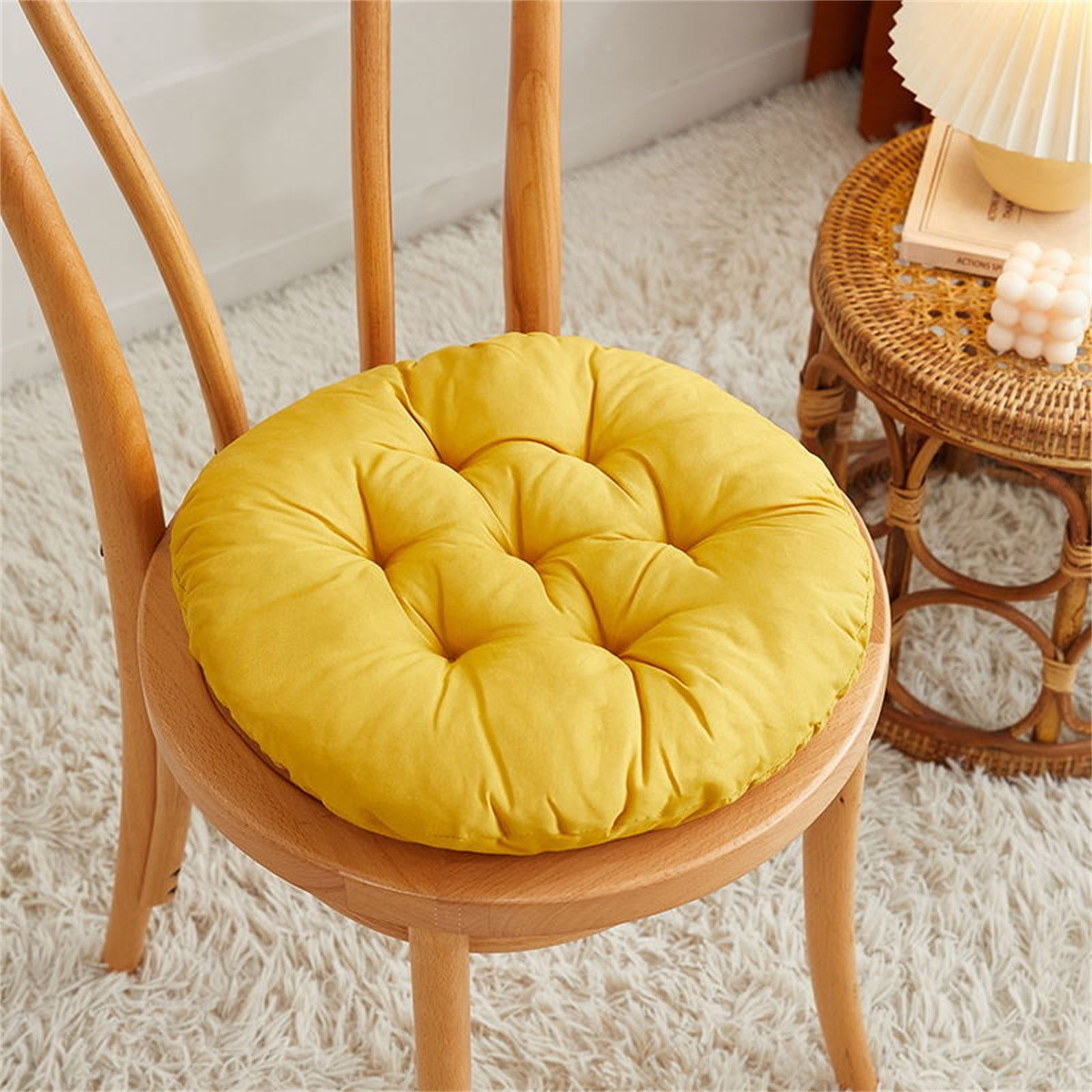
Why an Extra Large Seat Cushion Is a Game-Changer for Office Comfort
If you've ever felt like your office chair was designed for someone smaller, you're not alone. Standard office seats often measure 17 to 19 inches wide—fine for average builds, but restrictive for users with wider hips, larger frames, or those who simply prefer more room to shift positions. An extra large seat cushion for office chair bridges that gap, turning a cramped seat into a spacious, supportive foundation for your workday.
Ergonomic Insight: Studies from the Human Factors and Ergonomics Society indicate that proper thigh support and pressure distribution can reduce seated fatigue by up to 35%. For individuals over 250 lbs, using a cushion that matches their body width prevents 'edge pressure' and improves circulation.
Who Needs an Extra Large Cushion? (Not Just Big & Tall)
- Big & Tall Individuals: Standard cushions simply don't provide enough surface area, leading to discomfort and overhang.
- People with Hip or Joint Pain: A wider base allows for better weight distribution, reducing pressure on the hip joints.
- Anyone Using a Wide Office Chair: Some executive or mesh chairs have wide seats; an extra large cushion ensures full coverage.
- Post-Surgery Recovery: Individuals recovering from tailbone or pelvic surgeries need extra space to shift weight without pain.
- Pregnancy: Extra width accommodates changing body dimensions and provides stability.
Key Features to Look for in an Oversized Office Chair Cushion
Not all "extra large" cushions are created equal. To get the best value and comfort, prioritize these characteristics:
| Feature | Why It Matters | What to Look For |
|---|---|---|
| Dimensions (Width & Depth) | Ensures full coverage of your chair seat and your thighs. | Minimum 20" width x 18" depth. Some go up to 24" wide. |
| Foam Density & Type | High-density foam prevents "bottoming out" and lasts longer. | Memory foam (4-5 lb density) or high-resilience polyurethane foam. |
| Gel or Cooling Layer | Prevents heat buildup, which is common with thick foam. | Gel-infused top layer or phase-change material cover. |
| Non-Slip Base | Keeps the cushion from sliding forward as you sit. | Rubberized dots, silicone backing, or adjustable straps. |
| Cover Material & Removability | Breathability and ease of cleaning. | Breathable mesh or polyester with a zippered, machine-washable cover. |
| Coccyx Cutout | Relieves pressure on the tailbone (coccyx). | U-shaped or V-shaped cutout at the back of the cushion. |
Types of Extra Large Seat Cushions: Finding Your Perfect Match
1. Memory Foam Cushions (Conforming Support)
Like a custom mold for your body, memory foam reacts to heat and pressure. It's ideal for pressure point relief. For extra large versions, look for 'high-density' memory foam so it doesn't flatten easily. Best for: People with chronic pain who need contouring.
2. Gel Seat Cushions (Cooling & Firmness)
Gel cushions (either solid gel or gel-infused foam) provide a cooler sitting experience and firmer support. They don't sink as much as memory foam, which some users prefer for posture. Best for: Warm offices, or individuals who want a stable, less "hugging" feel.
3. Hybrid Cushions (Best of Both)
Many premium extra large cushions combine a memory foam base (for pressure relief) with a gel-infused top layer (for cooling). This is often the most comfortable and versatile choice. Best for: Most users seeking balanced comfort.
4. Coccyx Orthopedic Cushions (Medical Focus)
Specifically designed with a cutout to eliminate contact with the tailbone. They often have a wedge shape to tilt the pelvis slightly forward, promoting better posture. Best for: Tailbone injury, sciatica, post-childbirth recovery.
Quick Comparison: Cushion Materials
| Material Type | Support Feel | Temperature | Durability | Price Range |
|---|---|---|---|---|
| Memory Foam | Slow-sinking, contouring | Warm (unless gel-infused) | Good (3-5 years) | $30-$70 |
| Gel (Solid) | Firm, bouncy | Cool | Very Good (5+ years) | $40-$90 |
| Hybrid (Gel+Foam) | Medium, pressure-relieving | Cool-to-touch | Excellent (5+ years) | $50-$120 |
| Polyurethane Foam | Firm, supportive | Neutral | Good (3-4 years) | $20-$50 |
Health & Productivity Benefits: More Than Just a Pad
Reduced Tailbone Pressure
Coccyx cutout cushions can lower sitting pressure on the tailbone by up to 50%, according to clinical studies.
Better Posture Alignment
A level, supportive base helps align the hips and spine, reducing slouching.
Increased Blood Flow
Pressure redistribution prevents numbness and "pins and needles" in the legs.
Focus & Productivity
Less fidgeting due to discomfort means longer, more productive work sessions.
How to Choose the Right Extra Large Cushion: A Step-by-Step Guide
Step 1: Measure Your Chair
Measure the seat width between armrests (if any) and the seat depth. Your cushion should be 1-2 inches narrower than the chair width to fit comfortably. Depth should support your thighs without pressing behind the knees.
Step 2: Identify Your Primary Need
- Pain in tailbone? → Choose a coccyx cutout cushion.
- Overheating? → Choose a gel or mesh-covered cushion.
- General comfort? → Hybrid memory foam/gel is your friend.
Step 3: Check Weight Capacity & Thickness
For heavier users (250 lbs+), look for cushions at least 3-4 inches thick with high-density foam. Check if the manufacturer specifies a maximum weight limit. A cushion that's too thin will compress completely and lose effectiveness.
Step 4: Examine the Cover
Ensure the cover is removable and washable. Stretchy covers conform better; stiffer covers may create tension points. Also look for non-slip bottom features.
Step 5: Read Real User Reviews
Look for feedback from people with similar body types. "Extra large" can vary by brand—photos from buyers are invaluable.
Frequently Asked Questions About Extra Large Seat Cushions
• Wedge: tilts hips forward, good for posture.
• Cutout (coccyx): essential for tailbone pain. Choose based on your primary symptom.
Conclusion: Invest in the Space You Deserve
Your office chair should be a tool for productivity, not a source of pain. An extra large seat cushion is a simple, cost-effective upgrade that can transform your sitting experience. By providing ample space, proper pressure relief, and tailored support, these cushions help you work longer and feel better. Whether you're dealing with specific pain points or just need more room to sit comfortably, the right extra large cushion is an investment in your daily well-being.
Remember to measure your chair, prioritize your comfort needs (cooling vs. contouring), and choose a cushion with a durable, washable cover. With the options above, you're well on your way to a more comfortable workday.