
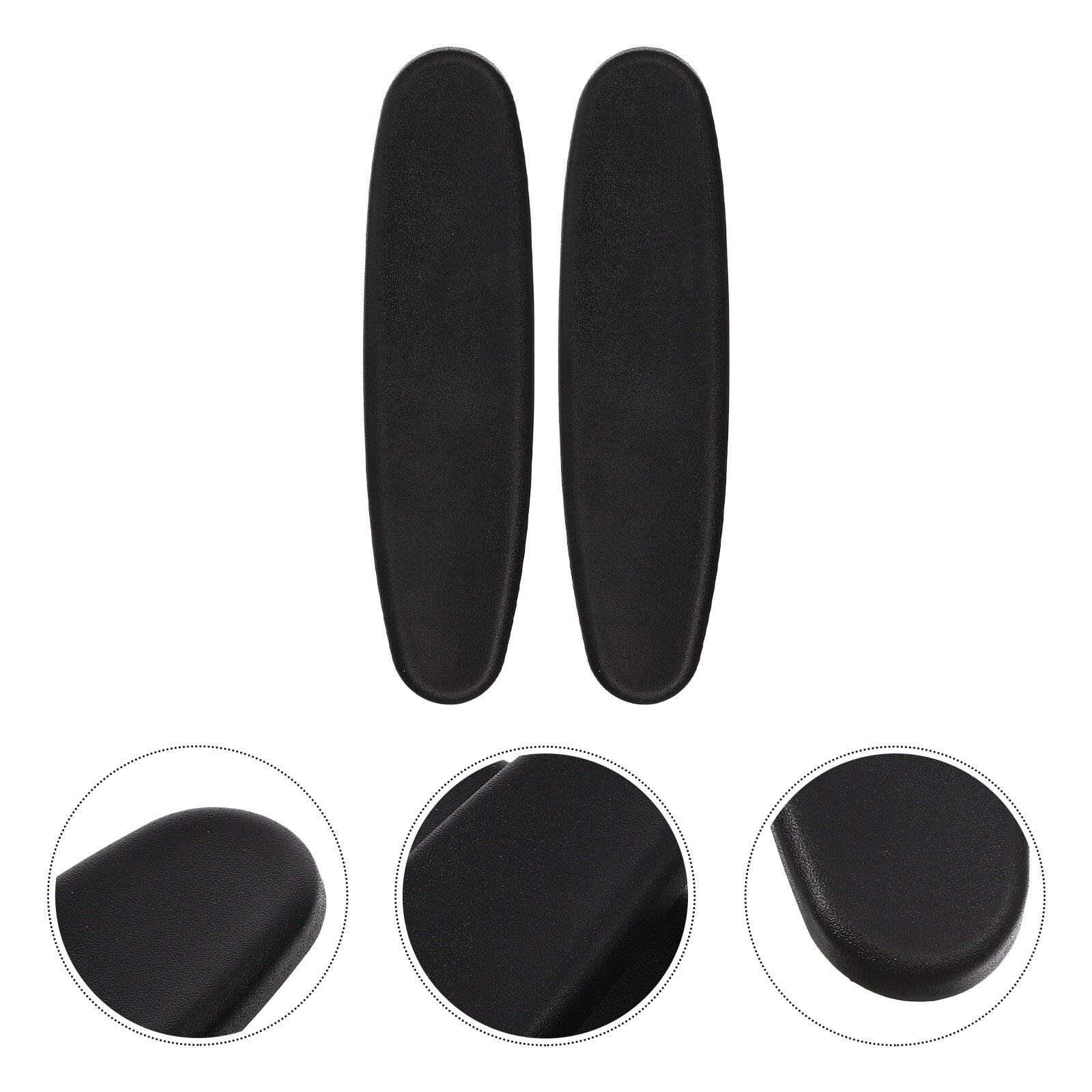
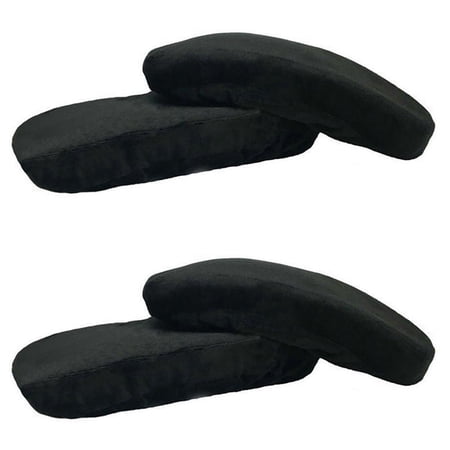
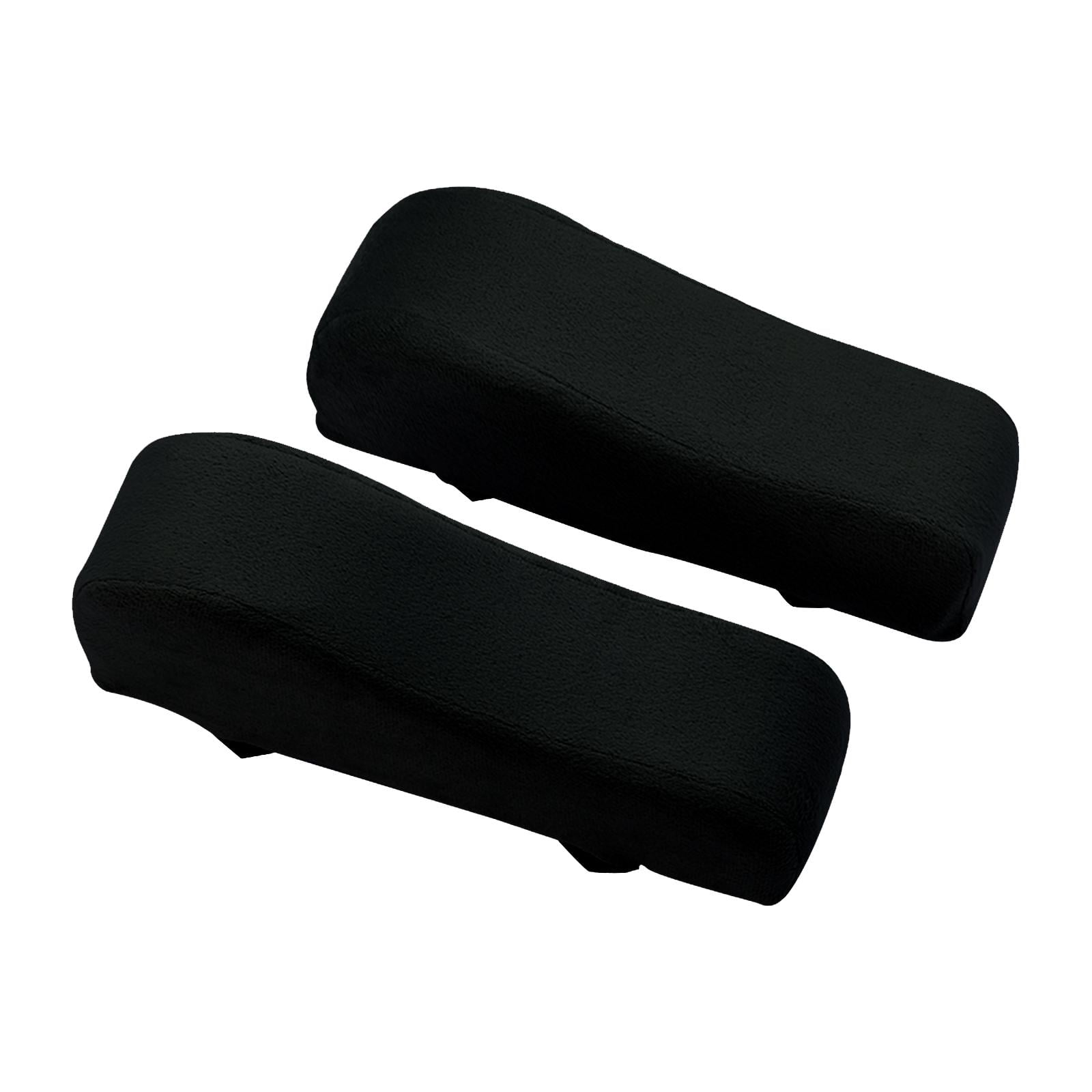
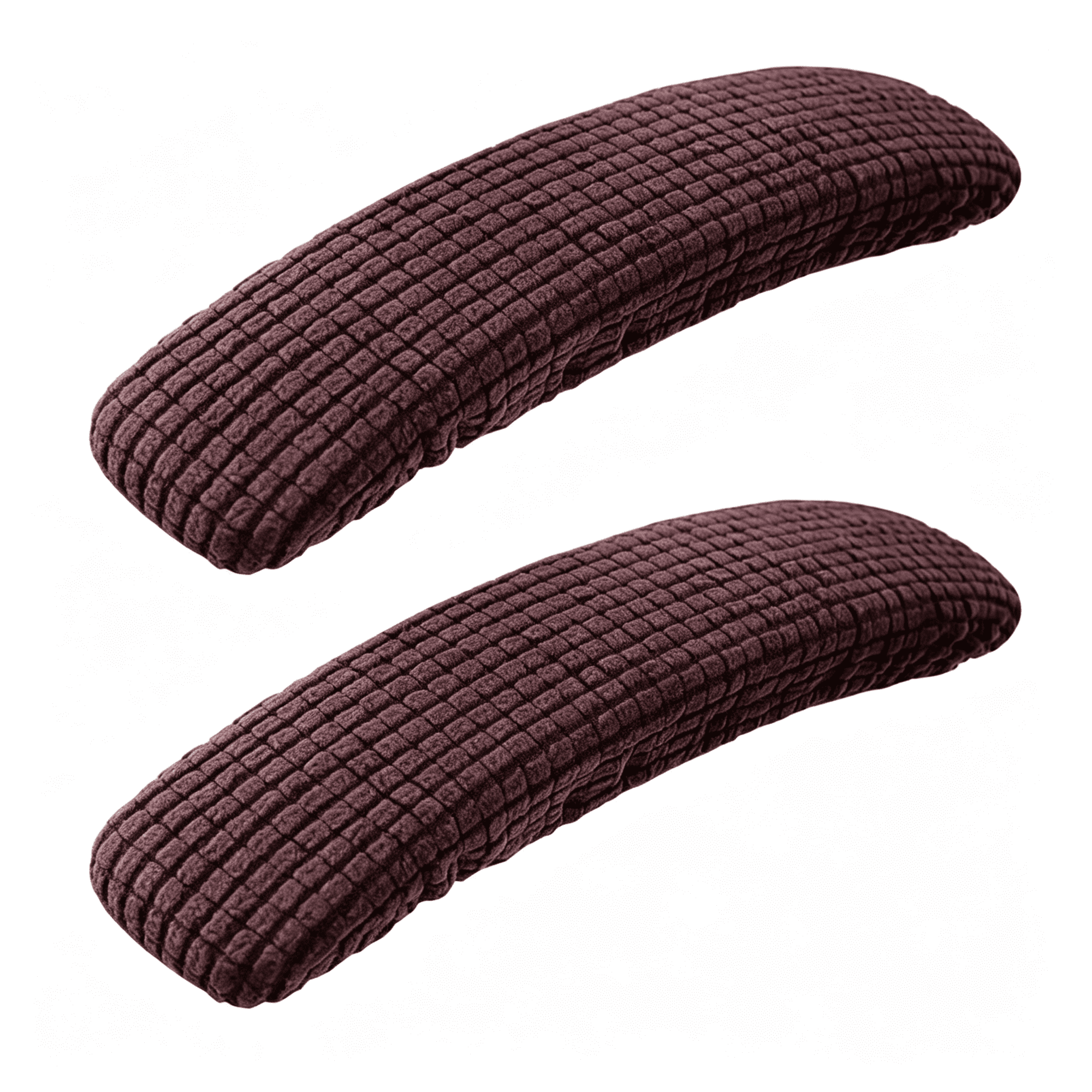
Why Your Office Chair Needs Arm Rest Covers
Think of your office chair's armrests as the handshake of your seating—they're the first point of contact and endure constant friction. Over time, original upholstery cracks, flattens, or stains, leading to discomfort and a tired-looking chair. Office chair arm rest covers are the unsung heroes of workspace ergonomics. They provide a cost-effective barrier against wear, add a personalized layer of cushioning, and can even correct ergonomic issues by softening hard surfaces. Whether you're dealing with worn-out leather, cold plastic, or just want a fabric upgrade, the right cover can make your 9-to-5 significantly more comfortable.
Ergonomic Insight: Studies show that poorly padded armrests can increase pressure on the elbows by up to 30%, contributing to repetitive strain injuries. A simple gel or memory foam cover can reduce this pressure by nearly half, promoting better blood flow and focus.
The Ultimate Guide to Choosing Arm Rest Covers
Not all armrest covers are created equal. To find your perfect match, you need to consider material, fit, and your specific work habits. Let's break down the core features that separate a good cover from a great one.
1. Material Matters: Comfort vs. Durability
The material dictates the feel, longevity, and maintenance. Here’s a quick comparison to help you decide:
✅ Memory Foam & Gel
- Best For: Pressure relief and plush comfort.
- Pros: Conforms to your arm shape, absorbs shock, reduces numbness.
- Cons: Can retain heat; some gels may feel firm in cold rooms.
✅ Leather & PU Leather
- Best For: Professional aesthetics and easy cleaning.
- Pros: Wipes clean instantly, looks sleek, durable against spills.
- Cons: Can be slippery, may get sticky in heat, less breathable.
✅ Fabric & Neoprene
- Best For: Softness, breathability, and washability.
- Pros: Often machine washable, cozy feel, available in many colors.
- Cons: Can absorb spills and odors, may wear out faster than leather.
✅ Mesh & Breathable
- Best For: Hot climates or sweaty palms/arms.
- Pros: Maximum airflow, lightweight, prevents moisture buildup.
- Cons: Minimal cushioning, less protection against hard armrests.
2. Universal Fit vs. Specific Dimensions
Getting the right fit is crucial. A loose cover will slide around, while one that's too tight might tear. Here’s a step-by-step guide to measuring your armrest:
- Measure the Width: Use a tape measure to find the widest point of your armrest top. Most universal covers fit widths between 2.5 to 4 inches.
- Measure the Length: Measure from the front edge to the back. Standard lengths range from 7 to 12 inches. If your armrest is longer, look for "extended length" covers.
- Check the Thickness: If your armrest is unusually thick (over 2 inches), ensure the cover has deep pockets or adjustable straps.
- Consider the Shape: T-shaped or contoured armrests may require specialized covers with stretch fabric or multiple attachment points.
Pro Tip: If you're between sizes, opt for a slightly larger cover with adjustable straps. It's better to have a snug fit you can tighten than one that's painfully tight.
3. Attachment Style: Straps, Sleeves, or Slip-Ons?
How the cover stays in place is a key comfort factor. Here are the three main types:
- Stretch Sleeves (Tube Style): These are like socks for your armrest. They stretch over the entire pad. Best for: Full protection and a clean look. They stay put well but can be tricky to install on thick armrests.
- Strap-On Covers: These have elastic straps or Velcro that wrap around the armrest. Best for: Universal fit and easy removal. They work on almost any shape but the straps might be visible.
- Top-Pad Slip-Ons: These sit only on the top surface, often with a non-slip backing. Best for: Adding cushion without bulk. They are simple but can slide forward if not secured.
5 Unexpected Benefits of Using Arm Rest Covers
Beyond the obvious comfort upgrade, armrest covers offer several advantages that impact your health and workspace.
Real-World Scenario: The Ergonomic Fix
Imagine you have a high-end chair with perfect lumbar support, but the armrests are rock-hard plastic. Replacing the whole chair is impractical. By adding a 1-inch gel arm rest cover, you effectively transform the chair's ergonomic profile. The gel disperses the weight of your forearms, aligning your shoulders and reducing tension in your upper back. It's a surgical strike against discomfort.
Quick Comparison: Popular Arm Rest Cover Types
| Type | Primary Benefit | Best Use Case | Average Price |
|---|---|---|---|
| Gel-Filled | Pressure relief | Numbness/tingling in arms | $20-$35 |
| Memory Foam | Plush comfort | Hard, unpadded armrests | $15-$25 |
| Leather (PU) | Professional look | Executive offices, easy cleaning | $18-$30 |
| Neoprene/Fabric | Softness & washability | Home offices, shared workspaces | $10-$20 |
Frequently Asked Questions About Arm Rest Covers
Conclusion: Small Cover, Big Difference
Your search for the perfect office chair arm rest cover is an investment in daily well-being. Whether you prioritize the cooling sensation of gel, the classic look of leather, or the washable convenience of fabric, the right cover transforms your interaction with your chair. It’s a simple upgrade with profound effects on comfort, posture, and the longevity of your office furniture.
Final Tip: Don't just buy the first cover you see. Consider your primary pain point—is it heat, hardness, or hygiene? Match your material to that need, double-check your armrest measurements, and enjoy a refreshed seating experience starting tomorrow.