

Why Your Office Chair Describes a Good Pillow Support
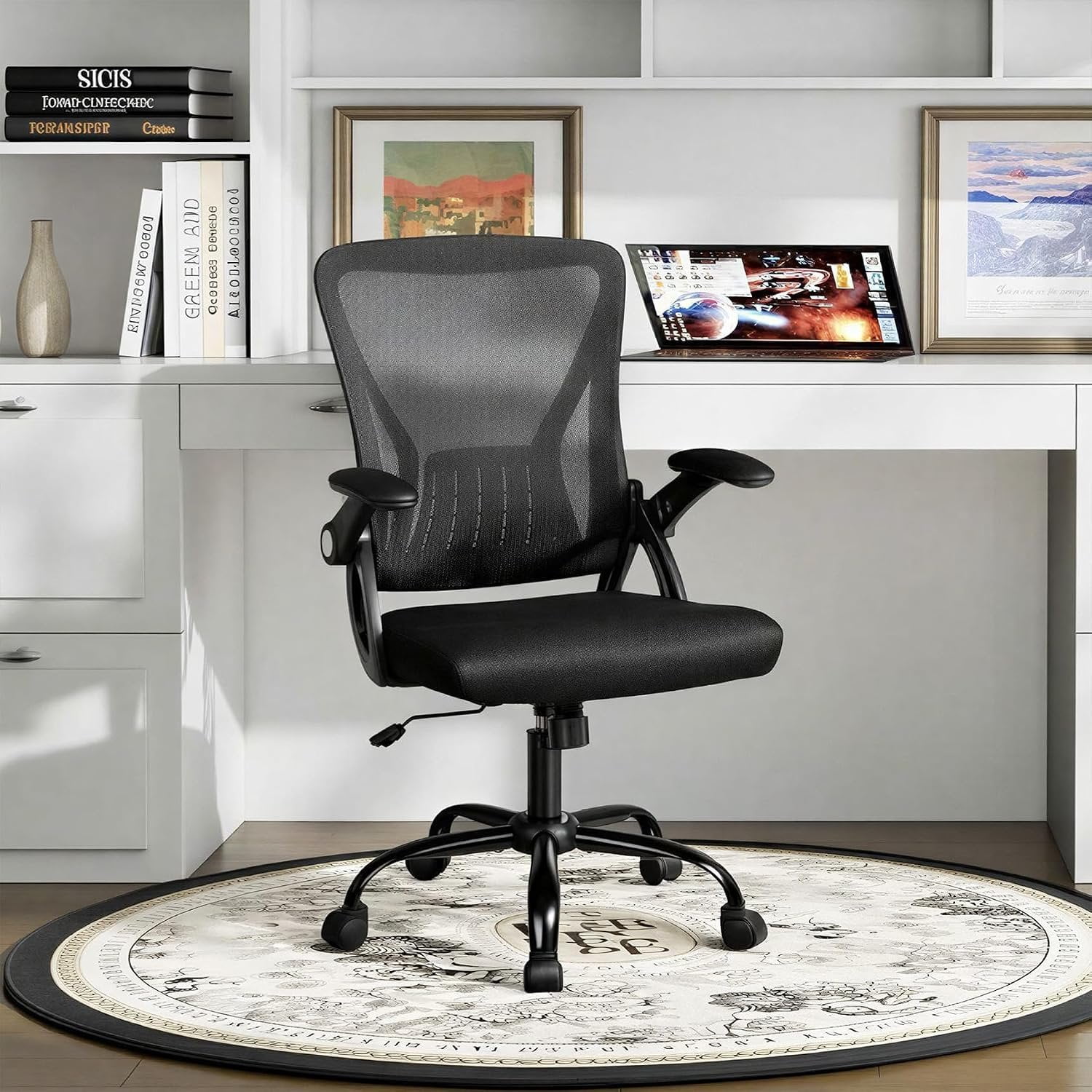
Imagine wearing shoes that are half a size too big. You could walk, but you'd constantly adjust your step, your feet would tire quickly, and you might even develop blisters. An office chair without proper support is similar. It might look fine, but over an 8-hour workday, the lack of contouring can lead to fatigue, slouching, and chronic pain. This is where office chair pillow support steps in—it fills the gaps, literally.
According to a study by the National Institutes of Health, over 80% of adults experience lower back pain at some point, with prolonged sitting being a primary contributor. Adding a targeted pillow support is one of the most cost-effective ways to retrofit your current seating for better ergonomics.
Key Insight: The right pillow support doesn't just add cushioning; it actively promotes a neutral spine posture. It acts as a reminder for your body to sit correctly, reducing muscle strain and improving blood circulation.
Decoding Office Chair Pillow Support: Not All Pillows Are Equal
When searching for "office chair pillow support," you'll encounter a wide variety of shapes, materials, and sizes. Understanding what each type does is the first step to finding your perfect match.
1. The Lumbar Support Pillow: The Guardian of Your Lower Back
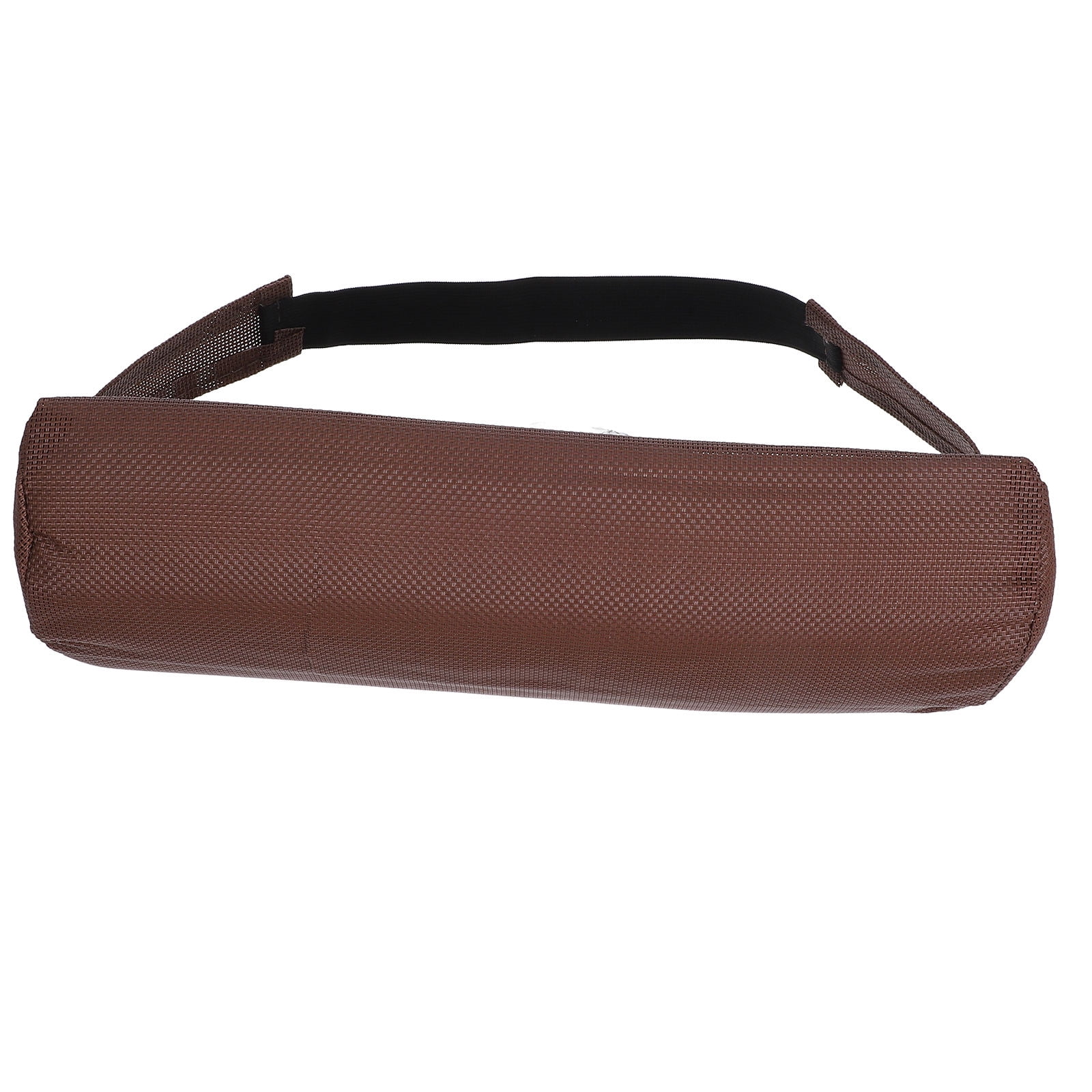
This is the most common type of support. It fits in the curve of your lower back (the lumbar region) to prevent slouching.
- Shape: Often rectangular, contoured, or a simple roll (lumbar roll).
- Materials: Memory foam (conforms to shape), gel-infused foam (cooling), or polyester fiberfill (softer).
- Attachment: Many come with elastic straps to secure them to the chair, preventing them from sliding down.
Who needs it? If you feel an ache in your lower back after a few hours of sitting, or if you notice a gap between your lower back and the chair, a lumbar pillow is your go-to solution.
2. The Coccyx Seat Cushion: Relief for Tailbone Pain
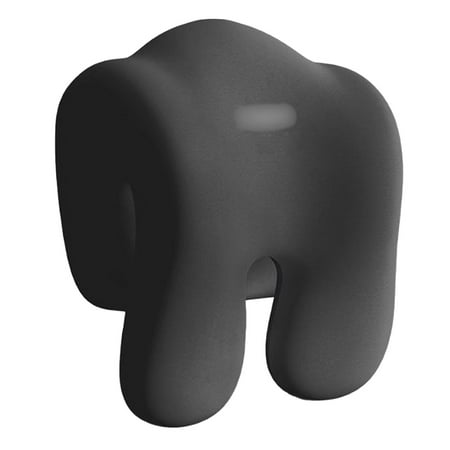
Also known as a "doughnut" or "U-shaped" cushion, this support is designed to take pressure off the tailbone (coccyx) and sit bones (ischial tuberosities).
- Design: Features a cut-out or wedge at the back to eliminate contact with the sensitive tailbone area.
- Benefits: Promotes better posture by tilting the pelvis slightly forward, encouraging you to sit on your "sit bones" rather than your sacrum.
Who needs it? Individuals with coccydynia, pregnant women, post-surgery patients, or anyone who experiences sharp pain when sitting on hard surfaces.
3. The Full-Back Support Cushion: Total Spinal Alignment
This is a larger cushion that covers most of your back, from the lumbar region up to the shoulders. Some even include side wings for added lateral support.
- Design: Ergonomically shaped to follow the spine's natural S-curve.
- Pros: Provides comprehensive support, ideal for chairs with poor backrests.
- Cons: Can be bulky and may not fit all chair sizes.
Who needs it? Those with broad back pain (both upper and lower) or chairs that are very flat and offer no contouring.
4. The Cervical Neck Pillow: Upper Body Respite
Often overlooked, a neck pillow attaches to the top of your chair. It supports the cervical spine, especially when you lean back to rest or think.
- Design: Usually a contoured, horseshoe-shaped pillow that cradles the neck and head.
- Importance: Reduces strain on neck muscles and can prevent tension headaches caused by forward head posture.
Who needs it? If you frequently look down at a monitor or suffer from neck stiffness, this is an essential addition.
Material Matters: Memory Foam vs. Gel vs. Latex
The material of your pillow support dictates its feel, durability, and temperature regulation.
| Material | Feel | Best For | Consideration |
|---|---|---|---|
| Memory Foam | Slow-sinking, molds to body | Pressure relief, custom contouring | Can retain heat |
| Gel-Infused Foam | Similar to memory foam, but cooler | Hot sleepers / warm offices | Slightly firmer than pure memory foam |
| Latex | Bouncy, responsive, firm | Those who want push-back support | Naturally hypoallergenic and cool |
| Polyester Fiber | Soft, plush | Light support, comfort | Flattens quickly, less durable |
5-Step Guide to Choosing Your Perfect Pillow Support
Step 1: Identify Your Pain Points
Where do you feel discomfort after sitting? Lower back? Tailbone? Neck? Shoulders? Pinpointing the area will immediately narrow down your options (e.g., lower back = lumbar pillow, neck = cervical pillow).
Step 2: Assess Your Chair's Existing Features
Does your chair have a built-in lumbar adjustment? If yes, you might only need a small contour pillow for fine-tuning. If your chair is a flat, non-ergonomic slab, a full-back support cushion might be necessary.
Step 3: Choose Your Material Based on Environment
If your office is warm, avoid standard memory foam and opt for gel or breathable mesh covers. If you prefer a firm, supportive feel, latex is an excellent choice.
Step 4: Consider Attachment & Adjustability
Look for pillows with adjustable straps. This ensures the support stays exactly where you need it and doesn't shift as you move. Some high-end options even have adjustable height or firmness.
Step 5: Check the Cover
Removable, washable covers are a must for hygiene. Look for breathable fabrics like cotton or mesh to prevent sweating.
Pros & Cons of Using Pillow Supports
✅ Advantages
- Cost-Effective: Much cheaper than buying a new ergonomic chair.
- Portable: Take your support with you if you hot-desk or work from different locations.
- Targeted Relief: Addresses your specific pain point directly.
- Improves Posture: Encourages healthier sitting habits instantly.
❌ Considerations
- Adjustment Period: Your body may need a few days to get used to the new support.
- Fit Issues: A poorly chosen pillow might not fit your body or chair correctly.
- Maintenance: They need regular cleaning and eventual replacement as foam compresses.
Frequently Asked Questions About Office Chair Pillow Support
Conclusion: Invest in Your Well-Being
Your office chair is a tool, and like any tool, it can be optimized. Office chair pillow support is one of the simplest, most affordable upgrades you can make to your workspace. Whether you need a lumbar pillow for your office chair to combat lower back fatigue, a coccyx cushion for tailbone relief, or a neck pillow for upper body relaxation, the options are plentiful.
Don't wait until the back pain becomes chronic. Assess your needs, use the 5-step guide above, and choose a support that will keep you comfortable, focused, and healthy for years to come. Remember, the best pillow is the one that fits your body and your chair perfectly.