
Why Your Office Chair Deserves a Back Seat Cushion
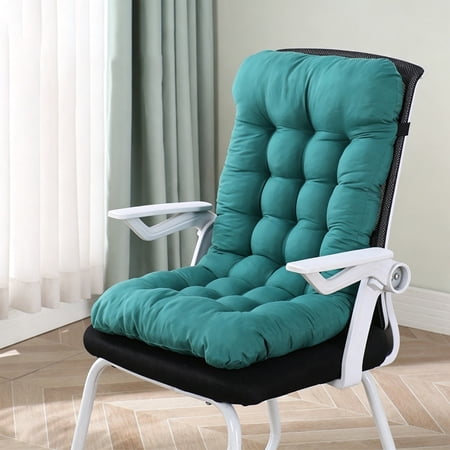
Imagine sitting in your car for eight hours without a seat that contours to your spine. That’s what most office chairs do—they force your back into an unnatural flat or hunched position. A back seat cushion for office chair acts like a custom mold, filling the gap between your lumbar curve and the chair. It’s the simplest, most affordable ergonomic upgrade you can make.
Did you know? According to the American Chiropractic Association, 80% of the population will experience back pain at some point. Using a dedicated lumbar support cushion can reduce lower back strain by up to 30% and improve sitting posture immediately.
Choosing the Right Back Support: It’s Not One-Size-Fits-All
Walk into any office supply store, and you’ll see a wall of cushions. How do you pick? Let’s break down the anatomy of a great back cushion and match it to your needs.
1. Types of Back Seat Cushions
- Contoured memory foam cushions: These have a kidney-bean shape that hugs your lower back. Best for people with mild to moderate back fatigue. They provide consistent, even support.
- Inflatable lumbar pillows: Perfect for travelers or shared desks. You control the firmness by adding or releasing air. They are lightweight and easy to pack.
- Orthopedic mesh cushions: Designed for hot environments. The mesh allows airflow while a built-in plastic frame maintains structure. Ideal if you tend to sweat.
- Full-back ergonomic rests: These large cushions strap onto the entire chair back, offering support from shoulders to tailbone. Great for chairs with minimal padding.
2. Material Science: Foam vs. Gel vs. Fiber
Memory Foam
- Conforms to your unique shape
- Pressure-relieving – reduces hotspots
- Durable – lasts 2-4 years with daily use
- Quiet – no squeaking
Gel-Infused
- Cooling – pulls heat away
- More responsive – doesn’t sink too deep
- Heavier than plain foam
- Cost – usually $10-20 more
If you sit for 6+ hours daily, invest in high-resilience foam with a density of at least 2.5 lbs. For those with chronic back pain, a cushion with a built-in lumbar curve adjuster (like a rachet strap system) offers the most customization.
3. Five Features That Separate a Good Cushion from a Great One
- Adjustable straps: Look for non-slip straps that attach firmly to any chair. If the cushion shifts, it won't support you correctly.
- Removable, washable cover: A zippered cover made of breathable cotton or polyester is essential for hygiene.
- Firmness gradient: Some premium cushions have a firmer outer shell and softer inner core—this cradles you without collapsing.
- Height adjustability: A cushion that sits too high or low can worsen posture. Choose one with vertical adjustability or multiple-position straps.
- Non-toxic Certifications: CertiPUR-US certified foam ensures no harmful chemicals and low VOC emissions.
4. Quick Comparison: Top Cushion Types at a Glance
| Cushion Type | Best For | Support Level | Typical Price |
|---|---|---|---|
| Memory Foam Contour | All-day desk work | Medium-Firm | $25 - $50 |
| Inflatable Lumbar | Travel, multiple users | Adjustable | $15 - $35 |
| Orthopedic Mesh | Hot climates, heavy sweaters | Firm | $30 - $60 |
| Gel Memory Foam | Heat-sensitive individuals | Medium | $40 - $80 |
5. Step-by-Step: How to Fit Your Back Cushion Correctly
6. Health Benefits Beyond Comfort
Frequently Asked Questions About Back Seat Cushions for Office Chairs
Conclusion: Your Back Deserves the Right Support
You don’t need to spend a fortune on a new ergonomic chair to get relief from back pain. A carefully chosen back seat cushion for office chair bridges the gap between your body and your existing seat. Whether you opt for a simple memory foam contour or an advanced orthopedic rest, the key is to match the cushion to your body type, chair, and daily routine.
Check out the top-rated products above to start your journey toward a pain-free workday. Your back will thank you.