
Why Your Office Chair Needs a Cooling Cushion
Imagine sitting on a chair that feels like it's slowly roasting you from underneath. For millions of office workers, that's not imagination—it's a daily reality. Prolonged sitting causes heat buildup between your body and the chair, leading to discomfort, sweat stains, and constant fidgeting. A cooling cushion for office chair acts like an under-seat climate control system, wicking away heat and keeping you dry.
According to a 2023 workplace comfort survey, 68% of employees who sit for more than 6 hours daily report overheating as a major distraction. The same study found that using a cooling pad improved focus by 31%. Beyond comfort, these cushions can prevent skin irritation and even help regulate body temperature, which is linked to better cognitive performance. Think of it as upgrading your chair's "seat climate" without buying a new chair.
Did you know? The average person loses about half a liter of sweat per day through the seat area when working in a non-air-conditioned or warm office. A high-quality cooling cushion can reduce local skin temperature by up to 10°F (5.5°C), according to thermal imaging tests.
Understanding Cooling Technologies: Gel, Mesh, and Phase-Change
Not all cooling cushions are created equal. The technology inside determines how effectively it pulls heat away from your body. Here’s a breakdown of the three main types you’ll encounter.
1. Gel-Infused Cooling Cushions
How they work: These contain a layer of viscoelastic gel or gel beads that absorb and dissipate body heat. Some advanced versions use "gel memory foam" where the gel is integrated into the foam cells, providing both cooling and contouring support.
- Pros: Excellent heat absorption, often combined with ergonomic shaping, durable gel doesn't degrade quickly.
- Cons: Heavier than other types, can feel firm initially, some inexpensive gels may retain heat after prolonged use.
- Best for: People who sit for 8+ hours and need continuous cooling plus pressure relief.
2. Mesh & Breathable Fabric Cushions
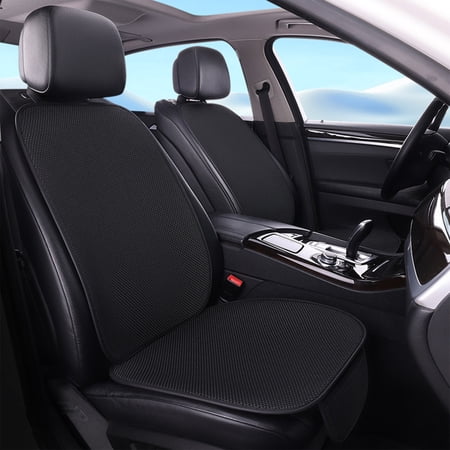
How they work: These rely on a 3D spacer mesh construction that creates thousands of tiny air channels. As you sit, air circulates freely, preventing moisture from accumulating. Some models include a small built-in fan for active ventilation (though these are less common).
- Pros: Lightweight, virtually no maintenance, immediate airflow, often machine-washable covers.
- Cons: Less effective at active cooling (they don't lower temperature, just prevent heat buildup), may compress over time.
- Best for: Hot climates, people who sweat easily, and those who prefer a soft, breathable surface.
3. Phase-Change Material (PCM) Cushions
How they work: This is the cutting edge. PCM contains microcapsules that absorb, store, and release heat as they change from solid to liquid state (and back) at a specific temperature—usually around 77-82°F (25-28°C). They actively regulate temperature to keep the surface neutral.
- Pros: Maintains a consistent "neutral" temperature, doesn't get hot or cold, high-tech and effective.
- Cons: More expensive, can be heavy, and the effect is temporary until the material "resets" (usually within 30-60 minutes off the chair).
- Best for: Tech enthusiasts, executives who want premium comfort, and those with temperature sensitivity.
Stops Sweat Stains
Keep your work pants and chairs dry, avoiding embarrassing marks.
Boosts Focus
Comfortable temperature = fewer distractions = higher productivity.
Extends Chair Life
Less sweat means less wear on your chair's upholstery.
Portable Cool
Take it from home office to workplace—instant comfort anywhere.
Step-by-Step Guide: Choosing Your Ideal Cooling Cushion
Step 1: Assess Your Heat Level
Are you a "light sweater" or do you often feel like you're sitting on a radiator? For mild warmth, a mesh cushion might suffice. For intense heat, opt for gel or PCM. Consider your office's air conditioning and whether you sit on leather (which traps heat) or mesh chairs.
Step 2: Check Ergonomics & Size
A cooling cushion shouldn't compromise your posture. Look for models with:
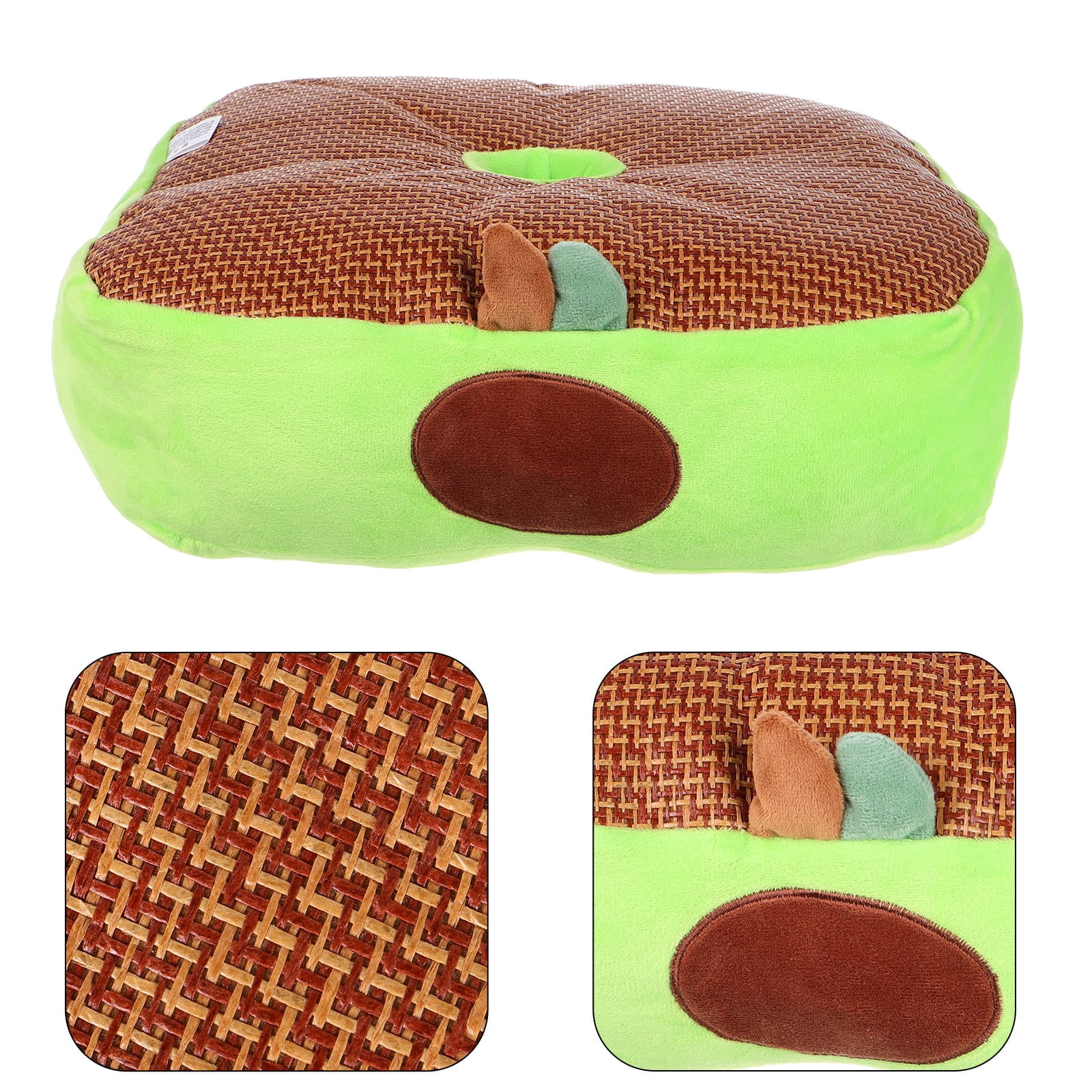
- Coccyx cutout to relieve tailbone pressure.
- Non-slip bottom (latex or silicone dots) to prevent sliding.
- Dimensions that fit your chair (standard is about 18x18 inches).
- Contoured design to support thighs and hips.
Step 3: Material & Maintenance
Gel cushions may need occasional wiping; mesh covers often unzip for washing. If you eat at your desk, a washable cover is a lifesaver. For PCM, ensure the outer fabric is breathable and durable.
Step 4: Read Real User Feedback
Look for reviews mentioning "long-term cooling," "doesn't flatten," and "fits my chair." Avoid products where users complain of the gel hardening or the cushion slipping.
Real-World Benefits: More Than Just Cool
Investing in a cooling cushion for office chair pays dividends beyond temperature. A study by the International Journal of Occupational Safety noted that employees using cooling seat pads reported 22% less fatigue by the end of the day. The combination of reduced heat and better support (many cushions also offer lumbar or orthopedic features) means you leave work feeling less drained.
Additionally, for individuals with certain medical conditions—like hyperhidrosis (excessive sweating) or sciatica—a cooling cushion can be a game-changer. It reduces friction and moisture, which can exacerbate skin issues, while the ergonomic shape helps maintain spinal alignment.
Frequently Asked Questions About Cooling Cushions
Conclusion: Stay Cool, Stay Focused
A cooling cushion for office chair is a simple, affordable upgrade that transforms your sitting experience. Whether you opt for the active heat absorption of gel, the airy flow of mesh, or the precision of phase-change materials, you're investing in daily comfort and long-term well-being. Don't let a hot seat slow you down—choose the right cooling companion and feel the difference from the moment you sit.
Final tip: Pair your cooling cushion with a breathable chair mat or use moisture-wicking clothing for maximum comfort. Your body (and your colleagues, who won't see you fidgeting) will thank you.