
Why Your Next Office Chair Needs a Headrest
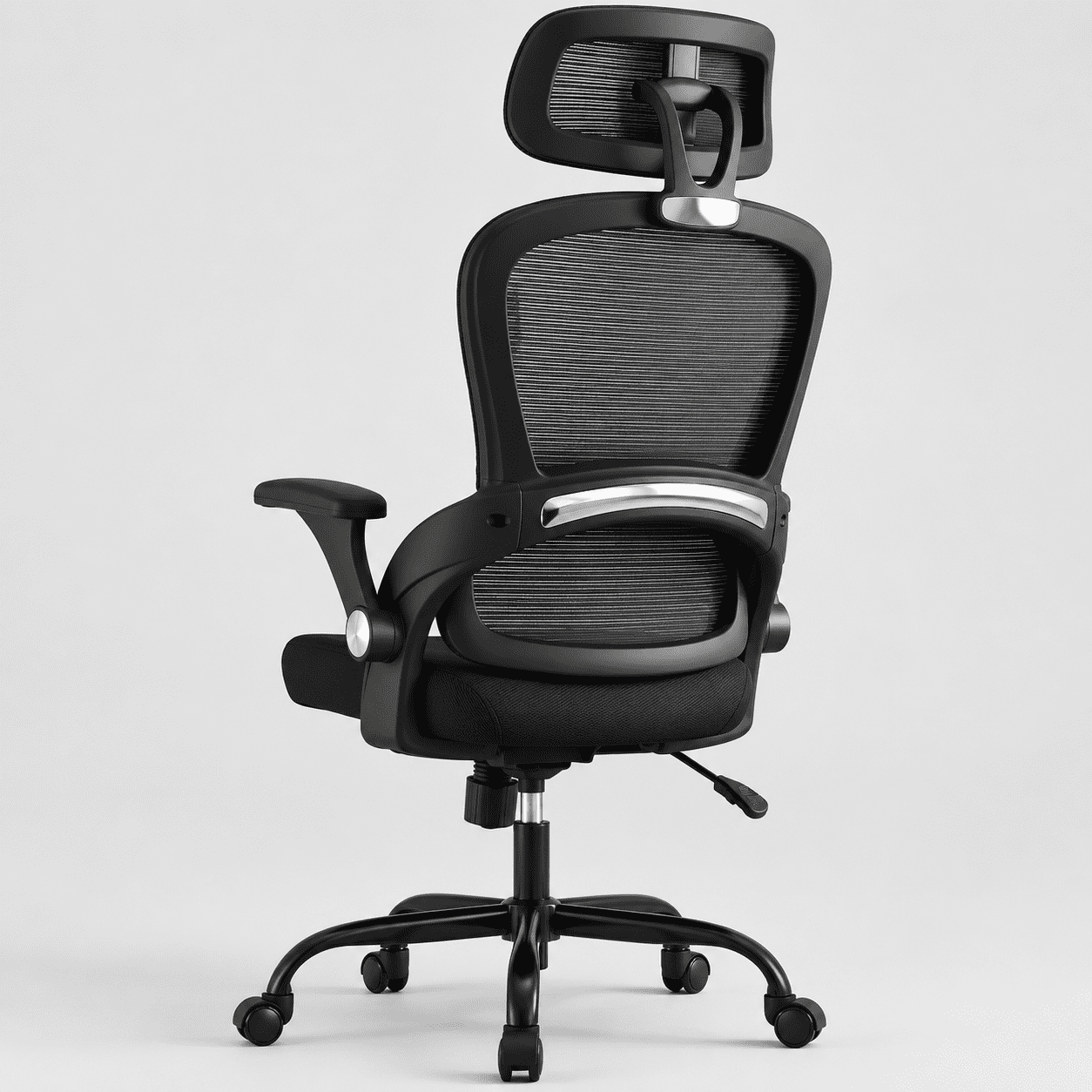
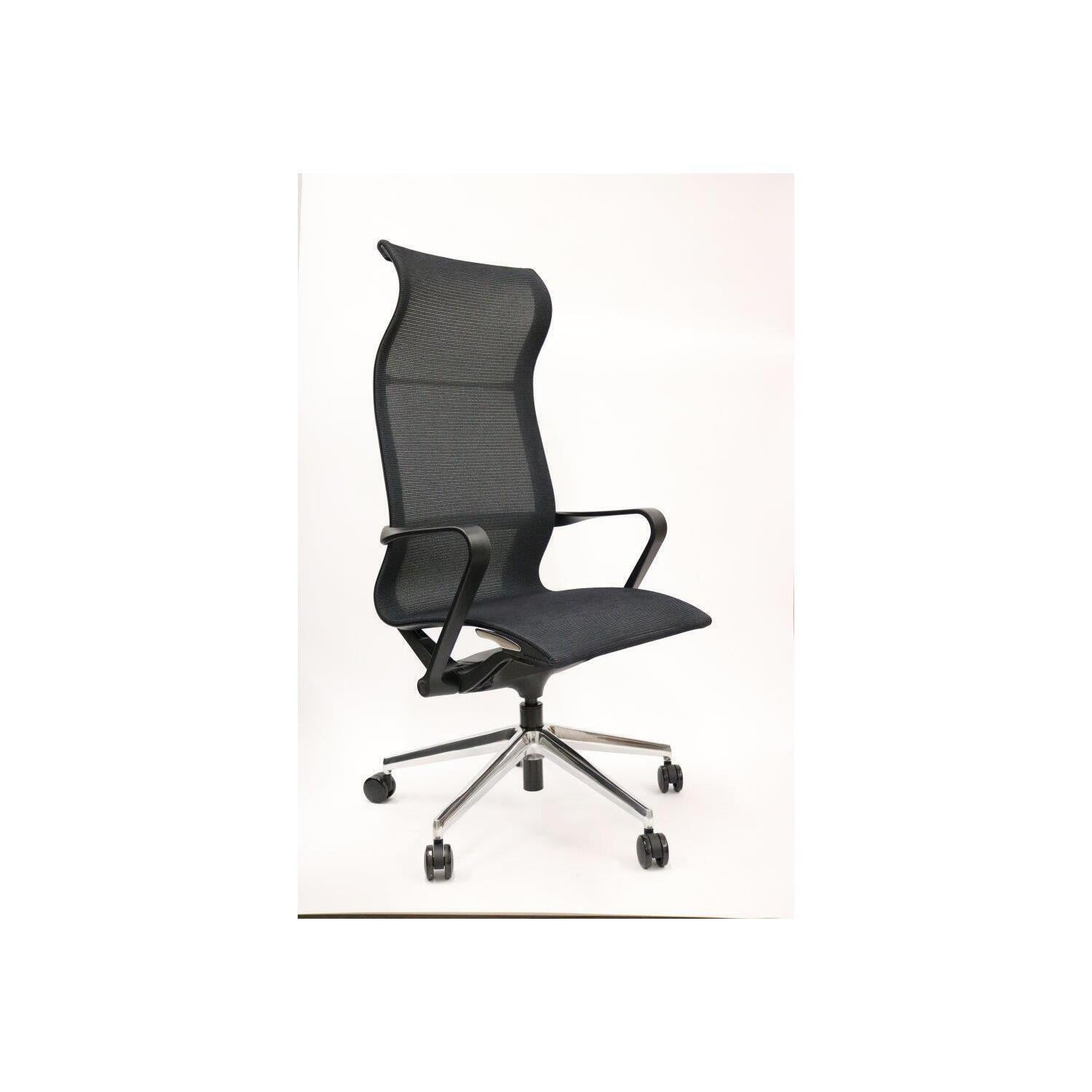
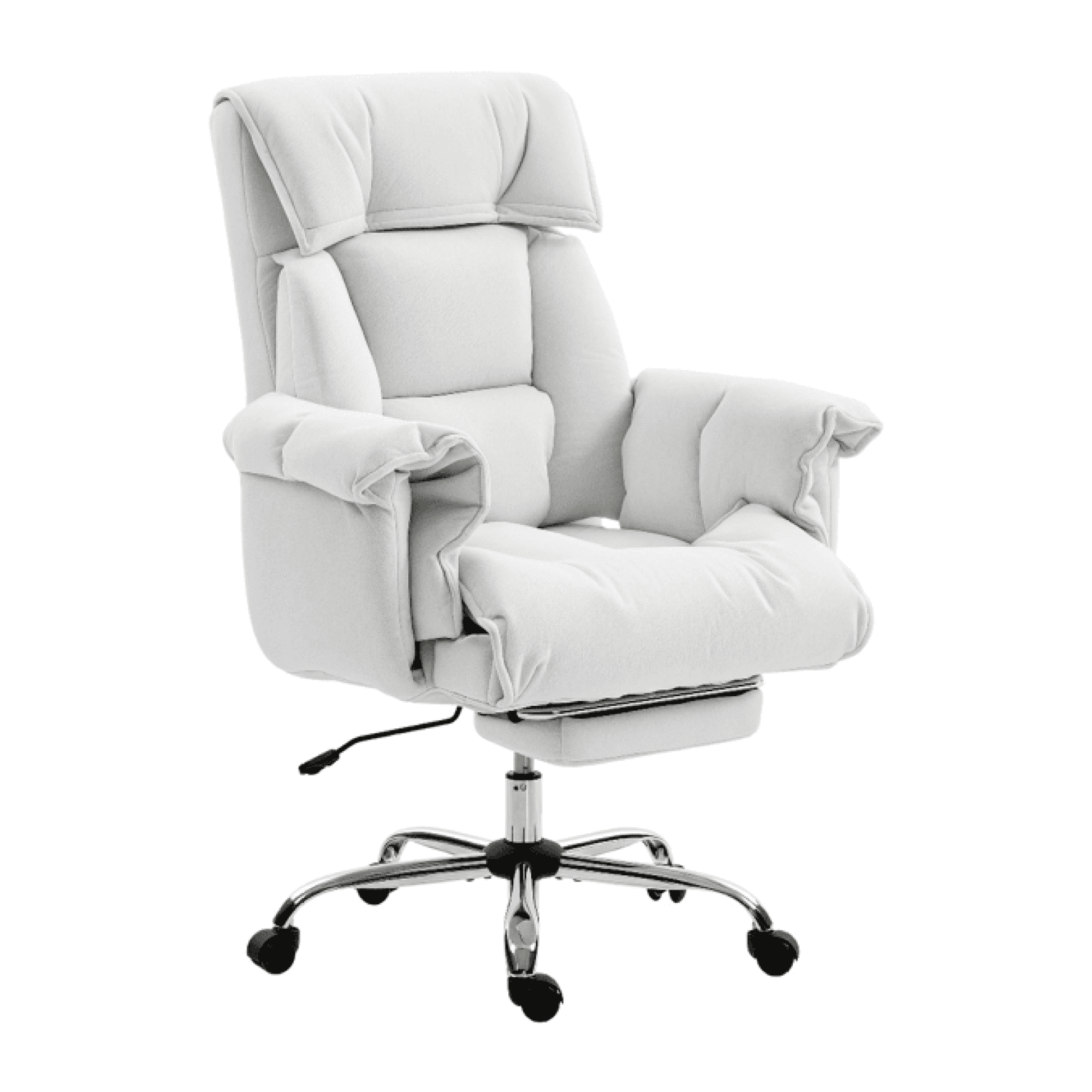
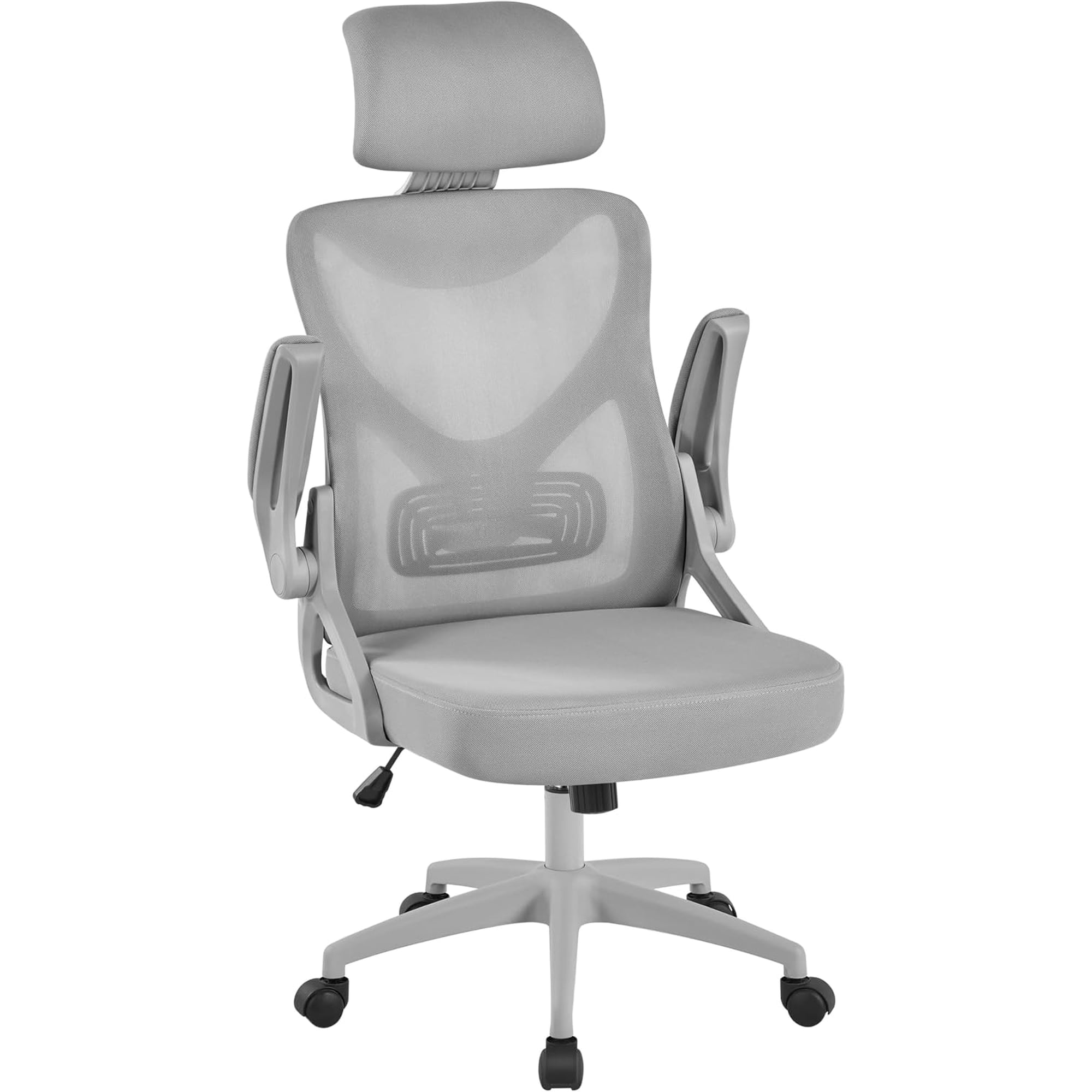
Imagine driving a car without a headrest — you’d feel every bump in your neck. The same logic applies to your workspace. An ergonomic office chair with headrest isn't a luxury; it's a necessity for anyone spending hours in front of a screen. The headrest supports the cervical spine, allowing the muscles in your neck and shoulders to relax, which can reduce tension headaches and prevent long-term postural issues.
Ergonomics Insight: A study in the International Journal of Industrial Ergonomics found that using a chair with an adjustable headrest reduced neck muscle activity by up to 30% during light recline, significantly lowering fatigue risk.
Anatomy of an Ergonomic Chair with Headrest: What to Look For
Not all headrests are created equal. A truly ergonomic design integrates the headrest as part of a complete support system. Let's break down the essential components.
1. Adjustable Headrest: The Non‑Negotiable Feature
A fixed headrest is like a one‑size‑fits‑all hat — it rarely fits perfectly. Look for a headrest that offers:
- Height adjustment: So the curve fits the hollow of your neck, not the back of your head.
- Angle / tilt adjustment: To support you whether you're sitting upright or leaning back for a moment of thought.
- Fore‑aft adjustment (rare but premium): Moves the headrest closer or farther from your neck for precise contact.
Chairs like the Steelcase Gesture with Headrest or Herman Miller Embody with Atlas headrest (aftermarket) exemplify this adjustability, but many excellent mid‑range options now include 4D headrests as well.
2. Synchronous Tilt Mechanism: The Dance of Recline
The headrest’s magic happens when you recline. A synchronous tilt mechanism lets the seat and backrest move in a natural ratio (usually 1:2 or 1:3). As you lean back, the headrest should move with you, maintaining support. Test this: sit in the chair, recline fully — your head should still rest gently against the headrest, not float away from it.
3. Lumbar Support: The Foundation of Neck Health
It sounds counterintuitive, but neck pain often starts in the lower back. If your lumbar spine isn't supported, you slouch, your head juts forward, and your neck pays the price. An ergonomic chair with headrest must also have strong, adjustable lumbar support to maintain the natural S‑curve of your spine.
Reduces Forward Head Posture
Keeps ears aligned with shoulders, cutting strain on upper trapezius muscles.
Improves Breathing
Open chest position from proper spinal alignment allows deeper breaths and better focus.
Enhances Micro‑Movements
Encourages subtle shifts in posture, nourishing spinal discs.
4. Material Matters: Mesh vs. Upholstery for Headrest Comfort
The material covering the headrest affects both comfort and hygiene. Here’s a quick comparison:
Mesh Headrest
- Breathable: No sweaty neck during summer.
- Firm support: Holds shape well.
- Easy to clean: Dust can be vacuumed.
Leather / Fabric Headrest
- Plush feel: Softer against the skin.
- Better for cold climates: Warmer to touch.
- May require more maintenance: Can show wear over time.
5. Armrests That Work With Your Headrest
It’s all connected: if your armrests are too high, your shoulders rise, causing neck tension. If they’re too low, you slump. 4D armrests (height, width, depth, pivot) let you relax your shoulders, which directly reduces load on your cervical spine. The headrest then acts as a gentle reminder to keep your head back, not craned forward.
6. Seat Depth and Edge Design
A seat that’s too long will press behind your knees; too short and your thighs lack support. Look for a sliding seat pan (at least 5cm of travel). A waterfall front edge promotes circulation, preventing leg numbness, so you can sit longer without fidgeting — and maintain that perfect head‑to‑headrest alignment.
Who Benefits Most from a Headrest Chair?
While almost everyone can benefit, certain groups find a headrest indispensable:
- Tall individuals: Often the top of standard chairs cuts into their shoulders; a headrest bridges the gap.
- People with chronic neck/shoulder tension: Provides a resting spot for heavy heads (the average human head weighs 10‑12 lbs).
- Multi‑taskers who recline: If you take calls or think best while leaned back, a headrest is a must.
- Gamers and remote workers: Long sessions demand support for the cervical spine.
Common Myths About Ergonomic Chairs with Headrests
Myth 1: "Headrests are only for sleeping." — Not true. Even when upright, a properly positioned headrest provides a reference point that prevents your head from migrating forward.
Myth 2: "They force you into one position." — On the contrary, a good headrest moves with you and supports various postures.
Myth 3: "They make you less productive." — Comfort increases focus. If your neck isn't aching, you can concentrate better.
Quick Selection Checklist
- Headrest adjustability: Height + angle (fore‑aft is a bonus).
- Backrest height: Should reach at least your shoulder blades.
- Lumbar support: Independent height and depth adjustment.
- Tilt mechanism: Synchronous with lock and tension control.
- Armrests: 3D or 4D adjustable.
- Seat depth: Adjustable pan.
- Material: Breathable if you tend to get warm.
- Weight capacity: Minimum 275 lbs for durability.
Frequently Asked Questions: Ergonomic Office Chair with Headrest
Final Verdict: Invest in Your Neck Health
An ergonomic office chair with headrest is a powerful tool for long‑term well‑being. It supports the cervical spine, reduces muscle fatigue, and encourages a neutral posture whether you're typing, on a video call, or brainstorming while reclined. The key is to choose a chair with a fully adjustable headrest that integrates with other ergonomic features like lumbar support and synchronous tilt.
Remember: your chair is where you spend a third of your day. Making sure it supports your head and neck is not an indulgence — it’s preventive healthcare. Use the checklist above, test if possible, and invest in a model that will keep you comfortable and productive for years.
Top recommendation for most people: Look for a mid‑range ergonomic chair (budget $500‑$900) with a 4D headrest, breathable mesh back, and adjustable lumbar. This combination offers the best balance of features and value.