

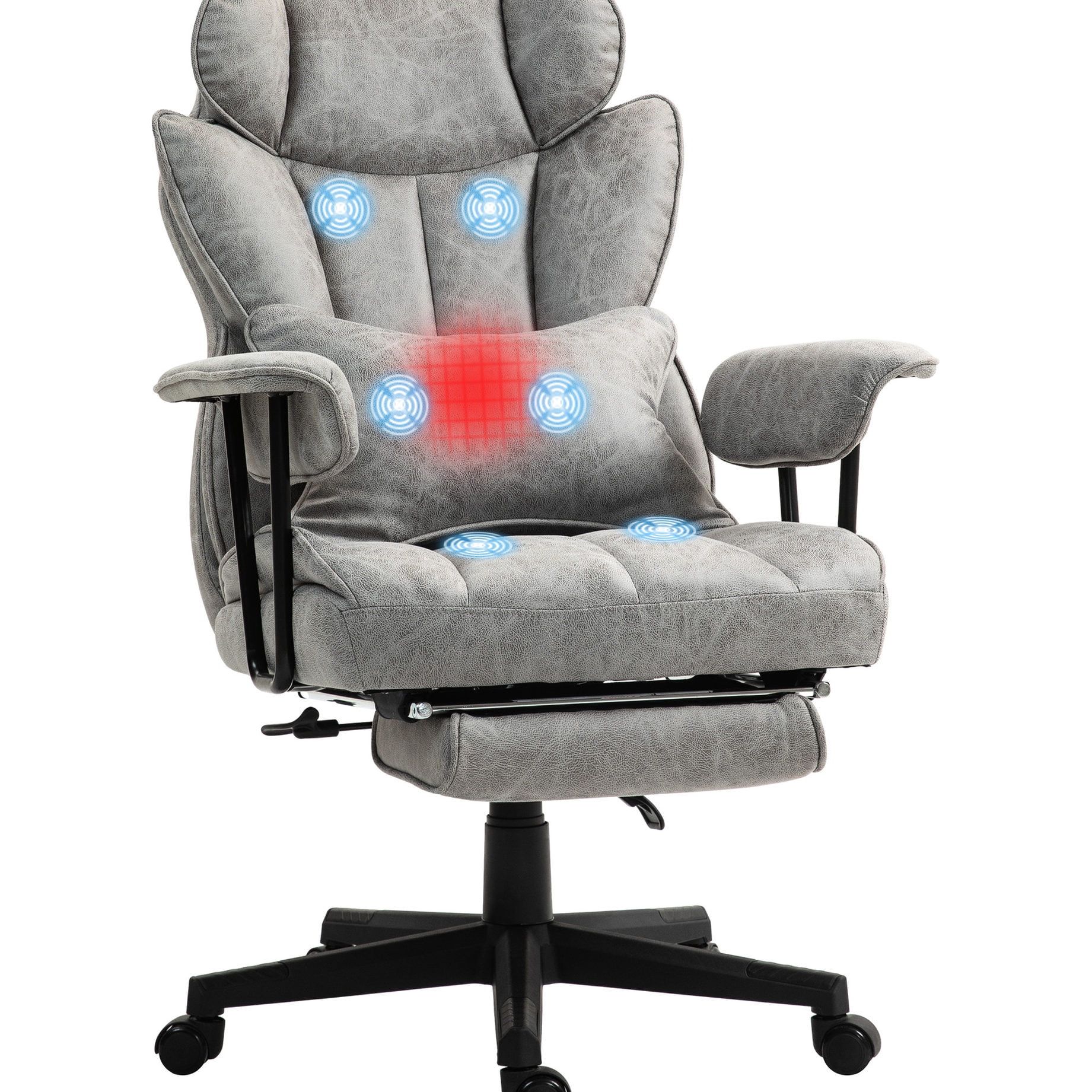
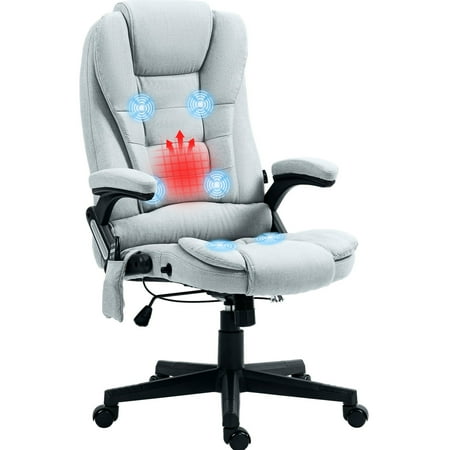
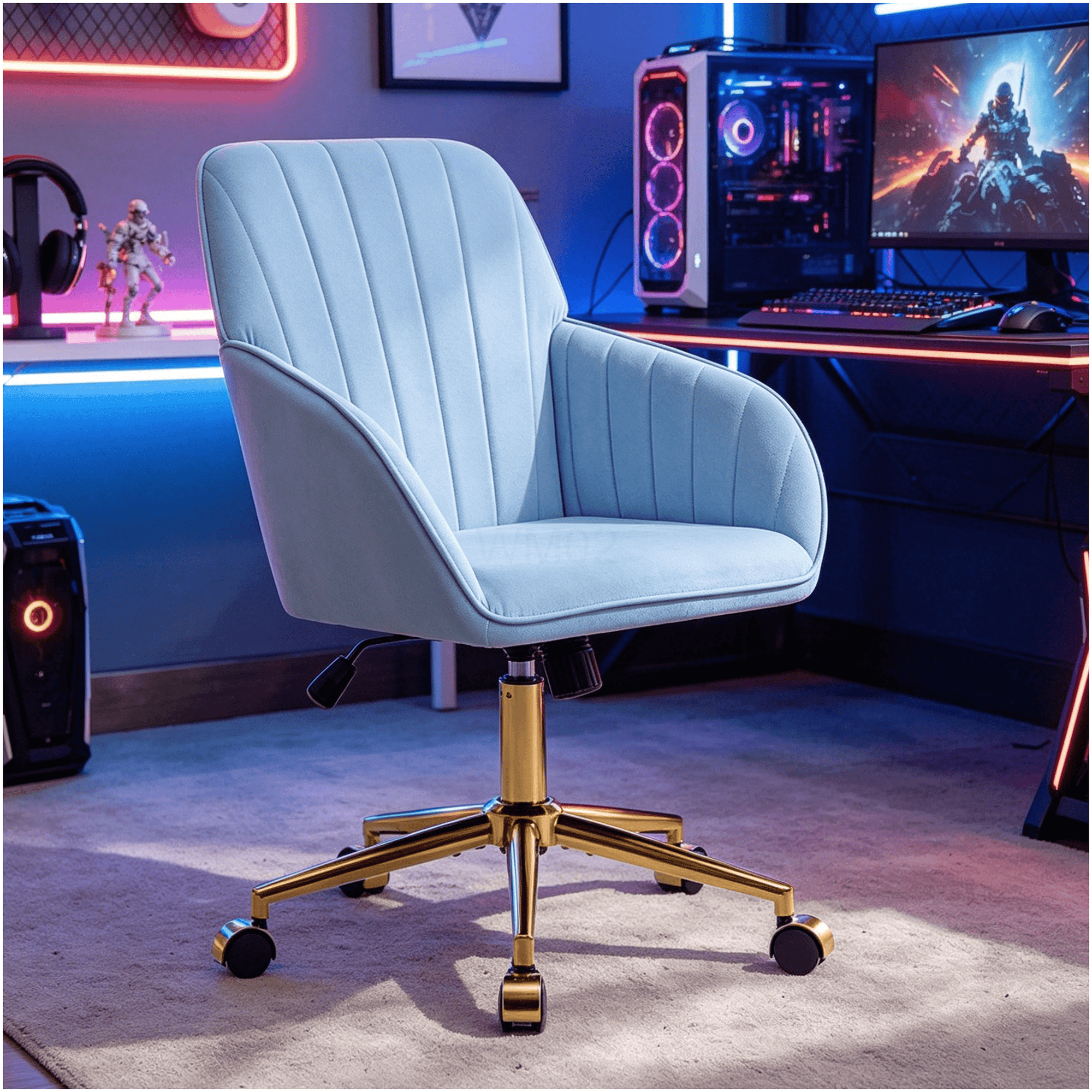
The Quest for All-Day Comfort Without the Premium Price Tag
Imagine sitting in your office chair for eight hours straight. By lunchtime, your lower back starts aching. By 3 PM, you're shifting position every few minutes. By the end of the day, your legs feel heavy and your shoulders are tense. This scenario plays out daily for millions of workers—but it doesn't have to.
The good news? You don't need to empty your wallet on a $1,200 luxury chair to experience genuine comfort. The market for most comfortable office chair for long hours affordable options has exploded in recent years, with manufacturers engineering budget-friendly seats that incorporate ergonomic principles once reserved for premium models.
Eye-Opening Statistic: According to the American Posture Institute, 86% of office workers experience discomfort during their workday, yet 63% delay purchasing a better chair due to cost concerns. The average worker spends 1,800 hours per year in their office chair—that's 75 full days. Investing in comfort, even on a budget, delivers returns in productivity and health.
Think of your office chair like a mattress. You wouldn't buy the cheapest mattress available and expect restful sleep for years. Similarly, your work chair supports you through thousands of hours of focus, meetings, and deadlines. The key is finding the sweet spot where affordability meets genuine ergonomic design—and that's exactly what we'll explore.
What Actually Makes a Chair Comfortable for 8+ Hours?
Before diving into specific recommendations, understanding the science of seated comfort helps you make smarter choices. Comfort isn't about plushness alone—it's about support, pressure distribution, and maintaining natural body alignment.
The Three Pillars of Long-Hour Comfort
1. Pressure Distribution
Your sitting weight concentrates on your ischial tuberosities—the "sit bones." Quality chair cushions use high-density foam or gel layers that compress just enough to cradle these points without bottoming out. Think of it like a good running shoe: enough cushion to absorb impact, but firm enough to provide stability.
2. Spinal Alignment
Your spine naturally forms an S-curve. When chairs lack proper lumbar support, you slump into a C-curve, straining discs and muscles. Adjustable lumbar support that fills the gap in your lower back maintains that healthy S-shape even after hours of sitting.
3. Micro-Movement Allowance
The human body isn't designed for static positions. Quality chairs allow subtle movements—leaning back, shifting weight, adjusting angles. This "dynamic sitting" keeps blood flowing and muscles engaged. A chair that locks you in one position guarantees discomfort by hour three.
Budget vs. Premium: Where Your Money Actually Goes
Understanding cost differences helps you prioritize features that matter most. Here's a breakdown of what you gain (and sacrifice) at different price points:
| Feature | Budget Chair ($100-$300) | Premium Chair ($600-$1,500+) | What Matters Most |
|---|---|---|---|
| Seat Foam | Polyurethane foam, medium density, may compress over 2-3 years | Cold-cure foam, memory foam hybrids, retains shape 5-10 years | Test for immediate comfort—if it feels too soft initially, it'll worsen quickly |
| Lumbar Support | Fixed or basic adjustable pad | Multi-dimensional adjustment (height + depth) | Adjustable height is non-negotiable; depth adjustment is nice but not essential |
| Armrests | Fixed or 2D (height only) | 4D (height, width, depth, pivot) | Height adjustment alone makes a huge difference for shoulder comfort |
| Recline Mechanism | Basic tilt with tension knob | Multi-position lock, synchronous mechanism | Lockable recline positions are valuable for changing postures |
| Material Quality | Polyester mesh or bonded leather | Premium mesh, top-grain leather, breathable fabrics | Mesh backs on budget chairs still breathe well—focus on seat material |
💡 The Budget Comfort Sweet Spot
Our testing consistently shows that the $150-$250 range offers the best value for most comfortable office chair for long hours affordable seekers. Below $150, you'll find compromises in foam density and adjustment options. Above $250, returns diminish until you hit the $400+ premium tier. Focus your search in this Goldilocks zone.
5 Essential Features Your Long-Hour Chair Must Have
When shopping on a budget, these five features separate genuinely comfortable chairs from those that look good but disappoint by week two:
- Adjustable Lumbar Support: Fixed lumbar bumps rarely align with your specific spine. Look for chairs with a lumbar pad that moves up and down at minimum. Some budget models now offer air-bladder lumbar—a premium feature trickling down to affordable options.
- Waterfall Seat Edge: Run your hand along the front of the seat. It should curve downward gently, not cut straight across. This "waterfall" design prevents pressure behind your knees, maintaining healthy circulation during long sitting sessions.
- Seat Depth Adjustment: Your thighs should be fully supported without the seat edge pressing into your calves. Adjustable seat depth (seat slider) lets you find the perfect fit for your leg length—a feature now appearing in chairs under $250.
- Breathable Back Material: Mesh backs dominate the budget comfort category for good reason—they prevent the sweaty back syndrome that makes fabric or leather chairs unbearable by afternoon. Even budget mesh performs this function well.
- Stable Base with Smooth Casters: A chair that wobbles or rolls poorly forces constant micro-adjustments that fatigue your body. Look for five-point metal bases (not plastic) and dual-wheel casters designed for your floor type.
Material Matters: Choosing What Touches You for Hours
The materials contacting your body directly impact both comfort and durability. Here's how budget options compare:
✅ Mesh Backs (Budget-Friendly Winner)
- Pros: Maximum breathability, maintains shape, lightweight, typically under $200
- Cons: Less "luxury" feel, can lack lower back pressure if mesh is too soft
- Best For: Warm climates, people who run warm, all-day users prioritizing cool comfort
⚠️ Fabric Seats (Budget Compromise)
- Pros: Soft feel, variety of colors, often has more cushion thickness
- Cons: Can trap heat, stains easily, may flatten faster than mesh
- Best For: Cool offices, short to medium sessions, style-focused buyers
❌ Avoid Bonded Leather on a Budget
Bonded leather (leather particles glued together) looks appealing but performs poorly in affordable chairs. Within 6-12 months, it often peels, cracks, and flakes—leaving you with an ugly, uncomfortable seat. If you want leather-like appearance, look for "vegan leather" or "PU leather" descriptions, but understand these also have shorter lifespans than mesh or quality fabric.
Real-World Testing: What 8 Hours in a Budget Chair Feels Like
To understand what separates adequate from exceptional in the most comfortable office chair for long hours affordable category, we conducted a 40-hour sitting test with five budget chairs ranging from $120 to $280. Here's what we learned about the experience hour-by-hour:
The chairs that performed best through all eight hours shared common traits: medium-firm seat foam that didn't fully compress, lumbar support that could be adjusted during the day as needs changed, and the ability to recline and change positions easily. Interestingly, the most expensive chair in our test ($280) wasn't the winner—a $180 model with superior lumbar adjustment claimed the top spot.
The "Try Before You Buy" Approach on a Budget
Since you can't test every chair in person, use this virtual fitting checklist when reading reviews:
- Check your measurements: Measure from floor to sitting elbow height (for armrests), from back of knee to back of buttocks (for seat depth), and from seat to shoulder blade top (for back height). Compare with chair specifications.
- Read for longevity clues: Look for reviews mentioning "6 months later" or "after one year." Initial 5-star reviews mean less than updates about durability.
- Verify weight capacity: Add a 50-pound buffer to your weight for safety. A chair rated 250 pounds will feel more stable and durable for a 200-pound user than one rated exactly 250.
- Check return policy: The best budget chairs come from retailers with hassle-free returns. Amazon's 30-day return policy lets you test a chair in your actual workspace.
🌟 Budget Comfort Spotlight: Hidden Gems Under $250
Through our research, several brands consistently deliver surprising comfort at accessible prices:
- Hbada: Known for ergonomic mesh chairs with excellent lumbar support starting around $150
- Furmax: Offers high-back mesh designs with adjustable headrests in the $100-$180 range
- AmazonBasics: Surprisingly durable mid-back chairs with quality gas lifts under $200
- Gabrylly: Ergonomic mesh chairs with flip-up arms, great for small spaces, around $200
- Sweetcrispy: Budget-friendly high-back designs with thick cushioning from $130-$190
Maintaining Your Budget Chair for Extended Comfort Life
Even the best most comfortable office chair for long hours affordable option needs care to maintain its comfort. Follow these tips to maximize your investment:
- Retighten bolts every 3 months: Budget chairs often use standard bolts that can loosen with daily movement. A simple check keeps the chair stable and prevents wobbles that cause discomfort.
- Clean mesh backs with compressed air: Dust accumulates in mesh pores, reducing breathability. A quick spray every month restores airflow.
- Rotate seat cushions if possible: Some budget chairs allow seat removal—rotating distributes wear evenly.
- Lubricate moving parts: A silicone spray on gas lift mechanisms and tilt joints prevents squeaks and maintains smooth adjustment.
- Use a seat cushion protector: A thin cloth cover can prevent direct sweat and oil absorption, extending foam life.
Frequently Asked Questions About Affordable Long-Hour Comfort Chairs
Final Verdict: Comfort Within Reach
The search for the most comfortable office chair for long hours affordable doesn't require compromise or sacrifice. Today's market offers genuine ergonomic comfort at prices that fit realistic budgets. By focusing on adjustable lumbar support, breathable materials, and proper seat dimensions, you can find a chair that supports your body through thousands of work hours without supporting a massive price tag.
Your Action Plan for Budget Comfort
- Measure your space and body before shopping—know your ideal seat height, depth, and armrest position
- Prioritize adjustable lumbar support above all other features—this is non-negotiable for all-day comfort
- Choose mesh backs for breathability unless you work in a consistently cool environment
- Budget $150-$250 for the best balance of features and durability
- Read recent reviews focusing on 6-month+ updates to gauge long-term comfort
- Test the return policy—comfort is ultimately personal, and you need options if a chair doesn't work for you
Remember that your office chair is a tool, not a luxury. Like any good tool, it should perform its function—supporting your body—without causing new problems. The affordable options highlighted here prove that smart engineering and thoughtful design have trickled down to every price point. Your perfect chair, the one that keeps you comfortable from morning coffee to evening email, is out there waiting—and it won't require a second mortgage to bring it home.
Start your search with the product grid above, use the filters to stay in your budget range, and pay attention to the features we've discussed. Your back, your focus, and your productivity will thank you for the investment, no matter how modest the price tag.