
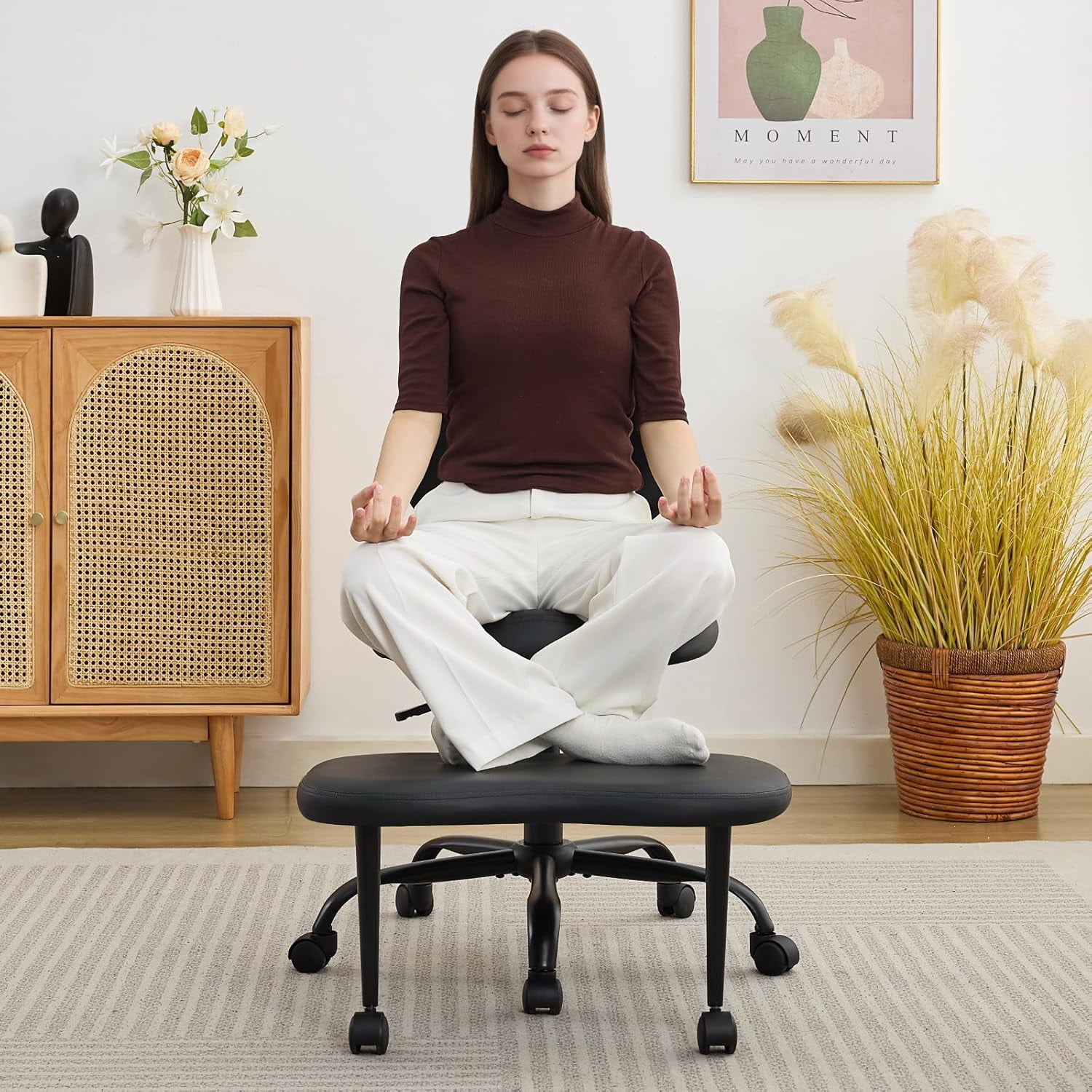
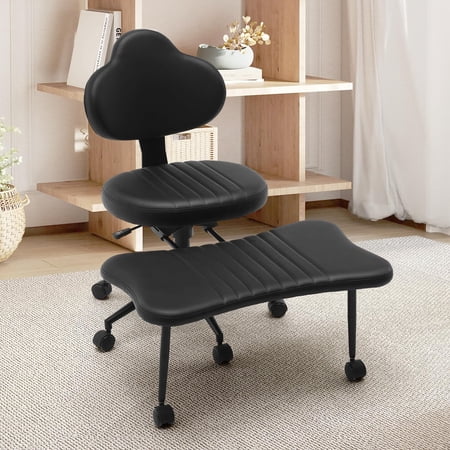

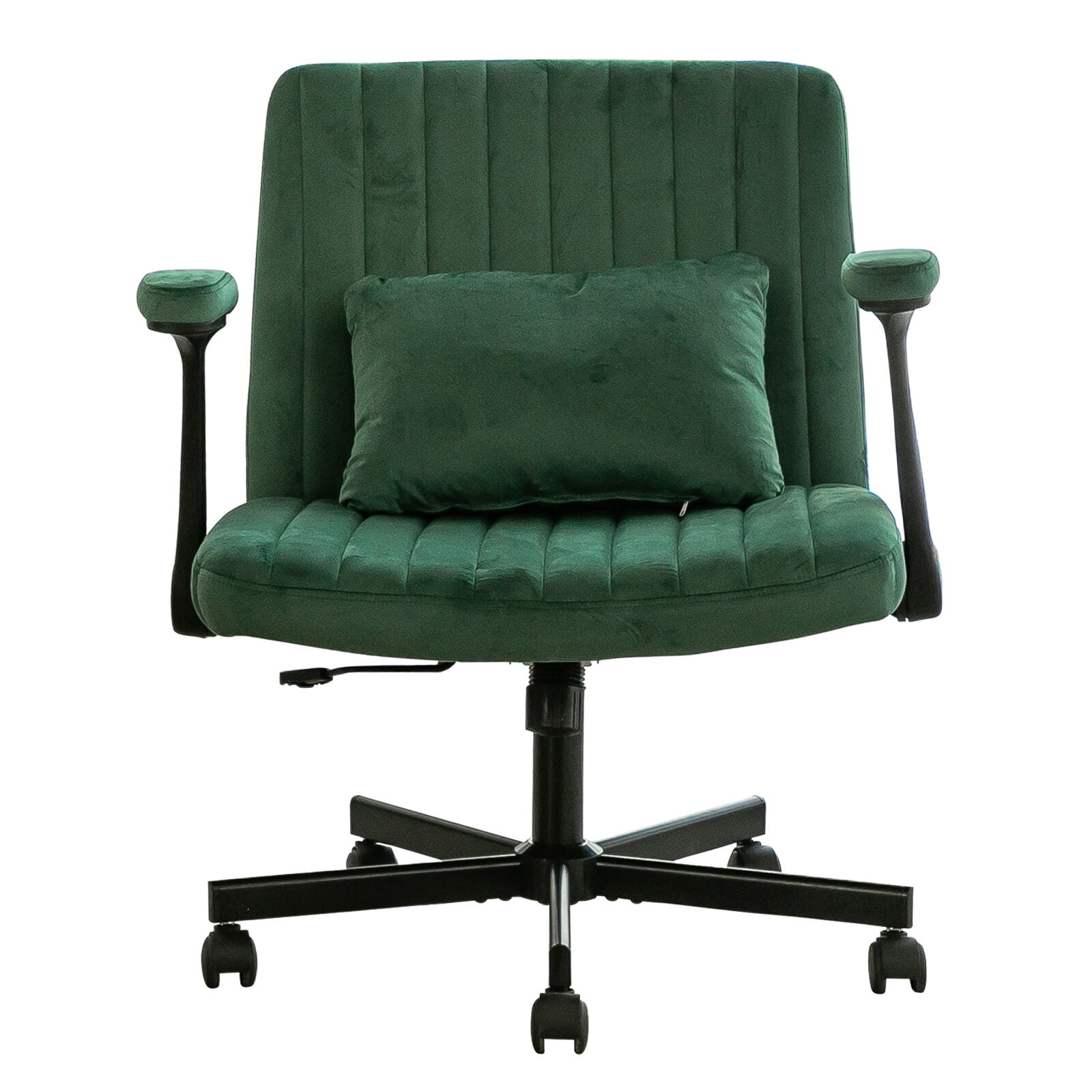
Why Your Desk Needs a Meditation Office Chair
Imagine sitting at your desk not with tension, but with the same ease you feel on a meditation cushion. A meditation office chair bridges the gap between modern work demands and ancient principles of posture: stillness, awareness, and spinal freedom. Unlike conventional task chairs that lock you into one rigid angle, meditation‑inspired seating invites micro‑movements, an open pelvis, and a calm nervous system.
🌿 The science of sitting mindfully: Research from the Journal of Bodywork and Movement Therapies suggests that alternative postures (like kneeling or perching) increase core activation by up to 30% and reduce pressure on the lumbar discs. When you combine that with a quiet, grounded chair, your stress levels drop and focus sharpens.
What Makes a Chair “Meditation‑Ready”?
Not every ergonomic chair qualifies. A true meditation office chair usually includes one or more of these design philosophies:
- • Wide, plush seat: Allows you to sit cross‑legged (criss‑cross) without your legs falling asleep. Often called “cross‑legged office chairs” or “criss‑cross chairs”.
- • Kneeling posture: Kneeling chairs tilt your pelvis forward, aligning the spine like a string of pearls — a favourite for those who practise Zen meditation.
- • Saddle seating: Mimics the position of a horseback rider, keeping hips open and encouraging a natural ‘S’ curve.
- • Absolute silence: High‑quality bearings and soft casters so the chair never squeaks or clatters — essential for a quiet, mindful environment.
- • Breathable materials: Mesh or organic cotton covers prevent heat buildup, so you stay comfortable during long, still periods.
Key Differences: Meditation Chair vs. Standard Executive Chair
| Aspect | Meditation Office Chair | Traditional Executive Chair |
|---|---|---|
| Posture goal | Open hip angle, freedom to fold legs or kneel | 90° seated, feet flat |
| Backrest | Often low or absent (encourages self‑support) | High back with headrest |
| Seat width | Usually extra wide (60‑70 cm) for cross‑legged | Standard 50‑55 cm |
| Material priority | Breathable, quiet, natural fibre options | Leather, polished metal, looks |
| Movement style | Dynamic, subtle rocking / perching | Stable, limited recline |
Physical & Mental Benefits: More Than Just Comfort
Calmer nervous system
An open pelvis reduces pressure on the sciatic nerve and allows diaphragmatic breathing — your body’s natural relaxation response.
Hip flexibility
Sitting cross‑legged or kneeling gently stretches hip flexors, counteracting the tightness from too much conventional sitting.
Laser focus
When your body is at ease, your mind follows. Many users report fewer distractions and deeper concentration.
Better circulation
No compressed thighs means blood flows freely. Great for long coding sessions, writing, or meditation practice.
Four Types of Meditation Office Chairs (with real‑world use)
Let’s explore the main categories, so you can choose what aligns with your body and work style.
1. The Kneeling Chair (a classic)
Invented in the 1970s, the kneeling chair (like the Balans) shifts your weight onto shins, tilting the pelvis forward. It virtually eliminates slouching. Ideal for: people with lower back discomfort who want to strengthen their core while working.
2. Cross‑Legged (Criss‑Cross) Chairs
These have an extra‑wide, deeply cushioned seat — sometimes with a low back. You can fold your legs comfortably, just like on a meditation cushion. Perfect for: yogis, creative thinkers, and anyone who fidgets by changing position often.
3. Saddle Stools
Used by dentists and artists for decades, the saddle stool encourages a wide stance and upright spine. Many have a slight forward slope. Great for: drafting tables, standing‑desk converters, and people who like to perch.
4. Active Sitting / Stability Ball Chairs
A yoga ball mounted on a frame — you constantly engage your core to stay balanced. Some find this too tiring for full‑time work, but it’s excellent for 1‑2 hour intervals of mindful movement.
How to Choose Your Meditation Office Chair: 5 Practical Steps
- Assess your typical sitting position: Do you naturally cross your legs? Try a criss‑cross model. Do you prefer kneeling? Go for a kneeling chair.
- Measure your desk height: Kneeling chairs sit lower. Ensure your desk can go low enough (or use a footrest to raise your knees).
- Prioritise silent movement: Look for “quiet casters” or “rubber wheels” — you don’t want a squeaky distraction.
- Material matters: If you tend to get warm, choose mesh or breathable fabric over synthetic leather.
- Test the transition: A meditation chair is different. Give your body 3‑5 days to adapt. Start with 1 hour, then increase.
Pro tip from mindfulness teachers: Pair your meditation office chair with a small timer (like the Pomodoro technique). Sit in stillness for 25 minutes, then take a mindful walking break. The chair becomes a physical anchor for your practice.
Materials & Sustainability: The Earth‑Friendly Choice
Many meditation chairs use sustainable materials: bamboo frames, organic cotton cushions, natural latex foam. Not only are they better for the planet, but they also off‑gas less (no “new chair smell” from synthetic foams). If you’re sensitive to chemicals, look for Greenguard Gold certification.
Real‑World Scenario: A Day with a Meditation Office Chair
Meet Sarah, a freelance writer. She swapped her leather executive chair for a wide, cross‑legged meditation chair. “At first, I missed the headrest. But by day three, I noticed my shoulders were down, and I wasn’t holding tension. I even catch myself taking deeper breaths. Plus, I can tuck one leg under me, then switch — it keeps me moving without leaving my desk.”
Frequently Asked Questions About Meditation Office Chairs
Final Verdict: Is a Meditation Office Chair Right for You?
If you’ve ever felt restless, stiff, or distracted in a standard task chair, a meditation office chair might transform your workday. It’s not just furniture — it’s an invitation to bring mindfulness into your daily tasks. Start by identifying which posture feels most natural: kneeling, cross‑legged, or perching. Then, invest in a quality chair with breathable materials and silent casters. Your back, your breath, and your concentration will thank you.
Remember: The perfect meditation office chair is the one you forget — because you’re fully immersed in the flow of work or the stillness of a moment.