
Why a Dedicated Drafting Office Chair Transforms Your Workflow
Imagine trying to work at a standing desk while perched on a standard office chair. Your elbows hover awkwardly, your shoulders tense up, and your feet dangle without support. That’s where a drafting office chair steps in—it’s the ergonomic bridge between you and your elevated workspace. Designed for architects, designers, and anyone using a standing desk or drafting table, these chairs feature extended pneumatic cylinders and often a circular footrest. According to a 2023 survey by the American Posture Institute, 73% of standing desk users who switched to a drafting chair reported reduced shoulder and neck pain within four weeks.
💡 Pro Insight Height matters: A typical drafting chair offers a seat height range of 22” to 34”, compared to 18”-22” for standard chairs. This extra 10-12 inches is the difference between healthy alignment and constant strain at a tall desk.
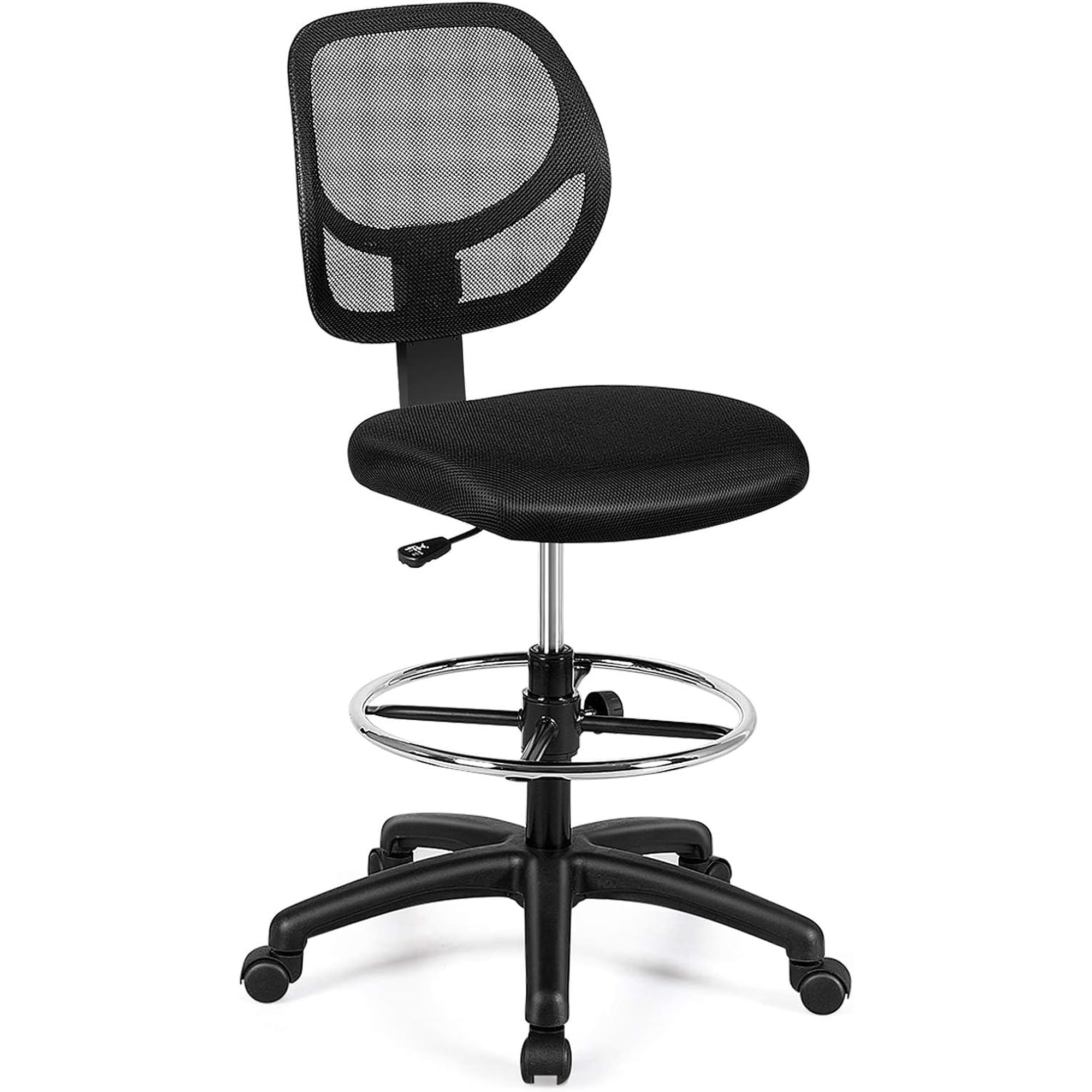
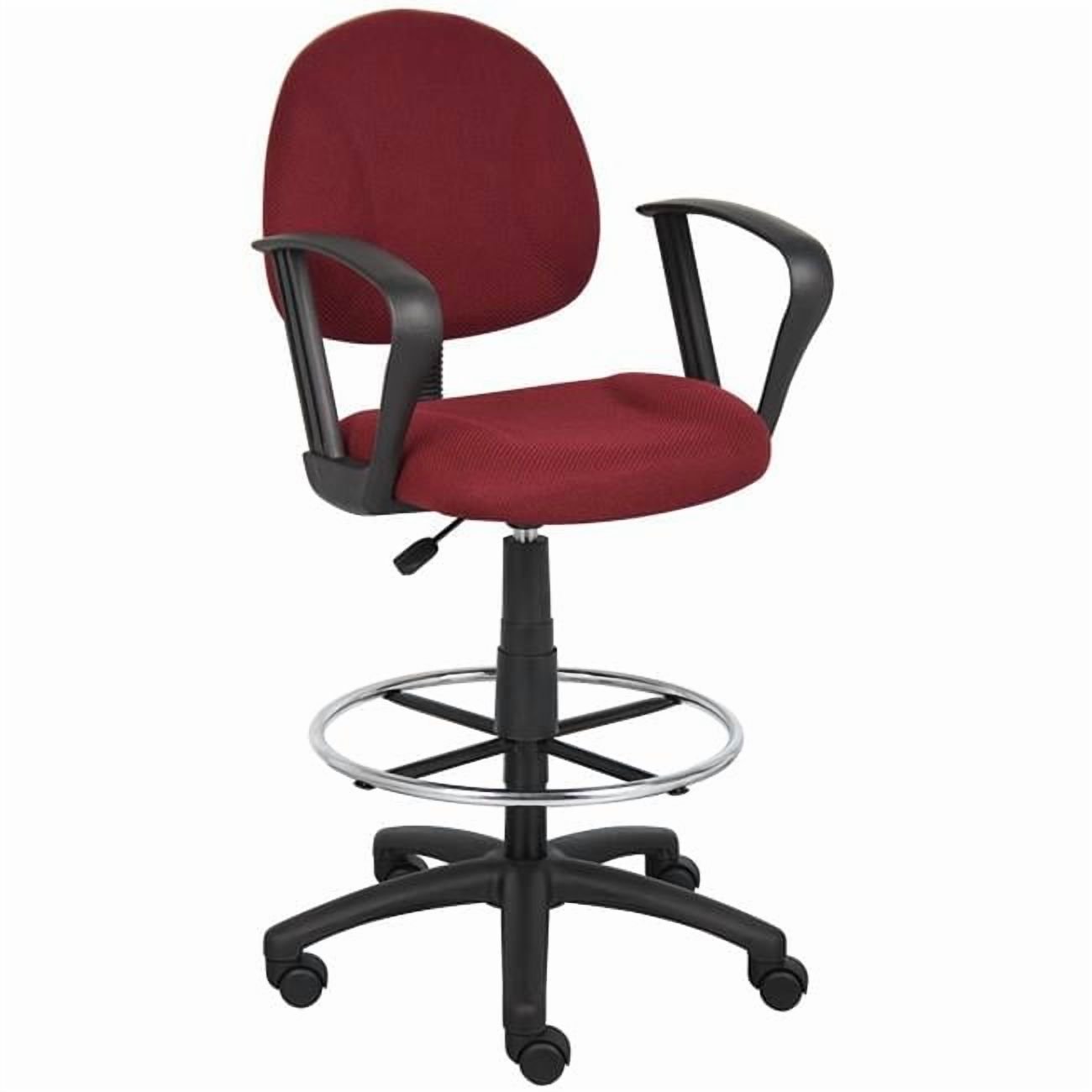
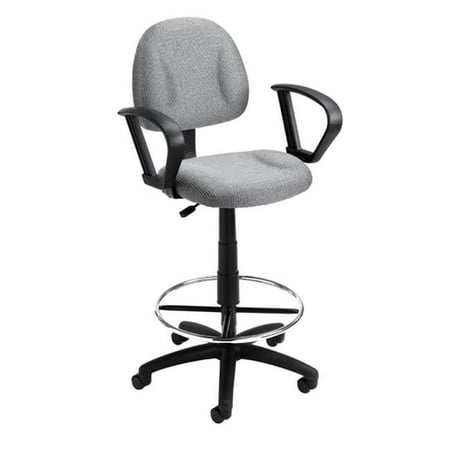
Anatomy of a Modern Drafting Chair: More Than Just Height
While extra height is the defining trait, today’s drafting chairs integrate sophisticated features that rival any executive ergonomic seat. Here’s what sets them apart:
1. Pneumatic Lift & Stability
The gas lift cylinder is longer and often reinforced with a metal shroud to prevent wobble at maximum height. Look for Class 3 or Class 4 lifts—they provide smoother ascent and can handle higher weights without sagging.
2. Foot Ring Adjustability
A drafting chair’s foot ring isn’t just a bar—it should be height-adjustable (typically 7”-10” below the seat) and sometimes angled. This supports your feet in a natural position, preventing the “seat edge pressure” that cuts off circulation.
3. Backrest & Lumbar Dynamics
Because you sit higher, your center of gravity shifts. Quality drafting chairs offer backrest height adjustment and tilt tension that responds to your lean, keeping your lower back engaged. Some models include a separate adjustable lumbar pad.
4. Base & Casters for Tilted Floors
Drafting chairs often use a wider five-star base (24”+ diameter) for stability at height. Casters may be locking or dual-wheel for better grip, especially if you’re on a slightly sloped studio floor.
5-Step Guide: Perfectly Adjusting Your Drafting Office Chair
Material Matters: What to Expect from a Quality Drafting Chair
Choosing the right material for your drafting chair is like picking the right canvas for a painting—it affects both the process and the outcome. Here’s a breakdown tailored to the drafting environment:
- Mesh back, fabric seat: Best for: All-day artists in warmer climates. The mesh keeps your back cool, while a padded fabric seat offers comfort without the stickiness of leather. Look for breathable, stain-resistant fabric.
- Leather or PU upholstery: Best for: Professional studio settings where easy cleaning is a priority (ink, paint, coffee spills). However, leather can get warm—consider perforated versions. A full-grain leather drafting chair is rare but exudes a premium feel.
- All-mesh with minimal padding: Best for: Those who prioritize airflow and have good standing/sitting intervals. Some architects prefer a firmer seat to stay alert.
- Heavy-duty frame: Because drafting chairs experience more leverage stress, look for a steel frame or reinforced nylon base. A plastic base may flex or crack over time.
Drafting Chair vs. Standing Mat vs. Stool: What’s Your Combo?
Using a standing desk effectively often involves a mix: stand on an anti-fatigue mat, then sit on a drafting chair, and occasionally lean on a tall stool. But a drafting chair is the most versatile. Unlike a static stool, it offers back support and adjustability. An analogy: if standing is like walking, a drafting chair is like a well-cushioned bench—you can rest without leaving your workspace. Data from the Human Factors and Ergonomics Society shows that alternating between standing and sitting on a properly adjusted drafting chair every 45 minutes reduces spinal disc compression by up to 34% compared to standing all day.
Frequently Asked Questions About Drafting Office Chairs
Conclusion: Elevate Your Comfort, Protect Your Posture
A drafting office chair is not a niche product anymore—it's an essential tool for the modern hybrid worker, designer, or health-conscious professional. By investing in a chair with the right height range, a stable foot ring, and responsive lumbar support, you're safeguarding your spine and enhancing your focus. Remember, the goal is seamless transition: stand when you need dynamism, sit when you need precision. With the detailed guide above, you're now equipped to choose a drafting chair that feels like a natural extension of your body and your workspace.