
Why a Convertible Office Chair? The Future of Flexible Work
The modern professional rarely sits still. You might be deep in focused work, then jump on a video call, then lean back to read a report. A convertible office chair is designed for this fluidity. It’s not just a chair; it's a workstation adapter that morphs to match your posture and activity. Think of it as the Swiss Army knife of office seating—one tool, many functions.
According to a 2023 workplace behavior study by Global Workspace Analytics, employees change their working position every 20-30 minutes on average. A static chair can't support this dynamic range. Convertible chairs bridge the gap, offering features like flip-up armrests (to get closer to the desk), integrated footrests, and multi-angle recline that supports everything from upright typing to a near-supine thinking pose.
Beyond the Swivel: Understanding Convertible Chair Mechanisms
Not all convertible chairs are created equal. The 'conversion' can happen in several ways. Understanding these core mechanisms is the first step to finding your perfect match.
1. The Recline & Tilt Convertible
These chairs feature advanced synchro-tilt mechanisms that allow the seat and backrest to move independently. Some models, often called "multi-functional" or "lounge-task" hybrids, can recline to a 135-degree angle or more—some even lock in a near-flat position for power naps. This isn't just about comfort; research from the University of Alberta indicates that a 135-degree recline reduces spinal disc pressure by up to 35% compared to sitting upright at 90 degrees.
- Best for: Creative professionals, home office workers who take breaks, and anyone wanting to reduce spinal load.
- Key feature to check: Tension adjustment and a robust locking mechanism for the recline angle.
2. The Flip-Up Armrest Convertible (Space-Saver)
This is a practical conversion for small spaces. Chairs with flip-up or folding armrests allow you to slide the chair completely under a standard-height desk when not in use, transforming your office into a clear space. It also lets you sit closer to the desk for writing or drafting work. This feature is a game-changer for tiny apartments or multipurpose rooms.
- Best for: Small home offices, studio apartments, guest rooms that double as offices.
- Key feature to check: Ease of flipping (smooth mechanism) and armrest padding quality even when folded.
3. The Sit-Stand Perch Convertible
Some convertible chairs have a gas lift with an extra-high range, turning them into a perching stool. This encourages a more open hip angle, promoting better posture when standing at a high desk or leaning against a counter. They often have a footring for stability. This type seamlessly converts between a seated task chair and an active standing support.
- Best for: Users with standing desks, collaborative spaces, or lab environments.
- Key feature to check: Pneumatic cylinder stability at max height and a wide base for safety.
4. The Integrated Footrest Convertible
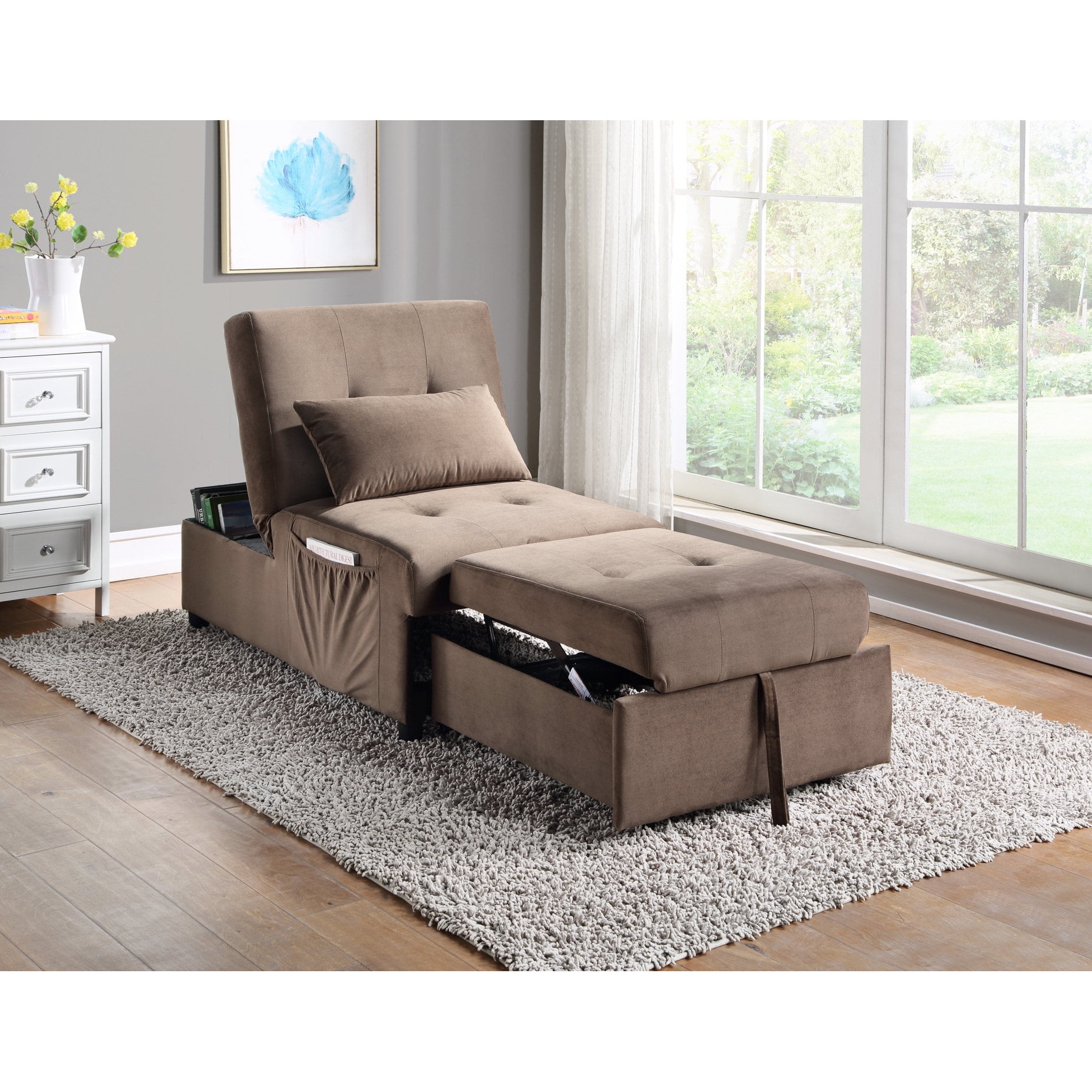
Imagine a chair with a hidden, pull-out footrest. It converts from a standard office chair into a chaise-like lounger in seconds. This is the ultimate relaxation conversion, perfect for reading, taking calls, or simply elevating your legs to improve circulation—a huge benefit for those prone to leg fatigue or edema.
- Best for: Long-duration users, executives, gamers, and people with circulation concerns.
- Key feature to check: Footrest extension length, sturdiness, and whether it slides smoothly under the seat when not in use.
Choosing Your Chameleon: A 4-Step Decision Framework
With so many conversion types, how do you choose? Follow this step-by-step guide to filter the options based on your unique routine.
Step 1: Map Your Daily Activities
Grab a notepad and jot down what you do in a typical workday. Be specific:
- Hours of focused typing?
- How many video calls (where you might lean back)?
- Do you eat lunch at your desk? (a footrest or recline helps)
- Do you need to stow the chair away after work?
This activity log will immediately point you toward the conversion style you need most. For example, 3 video calls a day? Prioritize a smooth recline. Need floor space for yoga after work? Flip-up arms are a must.
Step 2: Match Conversion to Your Body
Consider your height and weight. A chair that converts into a perch might have a higher-than-average seat height, which could be uncomfortable if you're shorter. A heavy-duty recline mechanism requires a stronger frame. Use this matrix as a starting point:
Petite (under 5'4")
Look for chairs with adjustable seat depth and a recline that doesn't require excessive force. Flip-up arms should be easy to reach.
Average (5'4" - 5'11")
Most convertible chairs fit well. Focus on the quality of the conversion mechanism and lumbar support in all positions.
Tall (6'0"+ )
Seek high-back models. For perch converters, ensure the max seat height is sufficient. Footrest extenders are a bonus.
Heavy-Duty (300lbs+)
Prioritize chairs explicitly rated for higher weight capacities, especially for mechanisms with moving parts (recline, footrest).
Step 3: Test the Transformation (Material Matters)
Visit a store if possible. Pull the levers. Flip the arms. Extend the footrest. Does it feel solid or wobbly? Listen for creaks. The mechanism should feel smooth and substantial. Mesh is often preferred for active chairs as it breathes during movement, while leather might be more durable for less-frequently-changed positions. If you're buying online, read reviews specifically mentioning the "transformation mechanism" to gauge long-term reliability.
Step 4: Verify the "In-Between" Ergonomics
A convertible chair must be comfortable in all its forms. Sit in it as a task chair: is the lumbar support adequate? Then convert it to lounge mode: does your neck have support? The biggest mistake buyers make is loving one mode but finding the other modes uncomfortable. Ensure the lumbar support moves with you or remains effective in reclined positions.
Quick Comparison: Convertible Chair Styles at a Glance
| Conversion Type | Primary Benefit | Best Workspace | Durability Expectation |
|---|---|---|---|
| Deep Recline (135°+) | Reduces spinal pressure, allows relaxation | Home office, creative studio | High (depends on mechanism quality) |
| Flip-Up Armrests | Space saving, desk tucking | Small apartments, multipurpose rooms | Very High (simple hinge mechanism) |
| Sit-Stand Perch | Active sitting, posture variation | Standing desk setups, labs | High (heavy-duty cylinder needed) |
| Hidden Footrest | Leg support, circulation boost | Executive offices, long-duration work | Medium-High (slide mechanism) |
Real-World Benefits: Why Convertible Chairs Boost Productivity
Dynamic Posture
Changing positions throughout the day fires different muscle groups, reducing fatigue. A Cornell University study noted that workers with dynamic seating reported 17% higher energy levels by mid-afternoon.
Space Optimization
In urban homes, square footage is premium. A convertible chair eliminates the need for a separate lounge chair. Flip-up arm models reclaim floor space instantly.
Cost Efficiency
Investing in one high-quality convertible chair often costs less than buying a dedicated task chair plus a separate lounge chair. You're buying versatility and durability in one package.
Mindset Shifting
Just as standing up can reset your focus, changing your chair's configuration can signal a mental shift—from "work mode" to "think mode" or "break mode."
Frequently Asked Questions About Convertible Office Chairs
Conclusion: Invest in Flexibility
The way we work is no longer static, and your office chair shouldn't be either. A convertible office chair is an investment in your daily comfort, your long-term spinal health, and the efficient use of your space. By understanding the different conversion mechanisms—recline, flip-up arms, sit-stand perch, or hidden footrest—you can pinpoint the exact chair that complements your workflow.
Final thought: Don't just buy a chair; buy the ability to adapt. Start with the step-by-step guide above, prioritize a smooth, sturdy mechanism, and choose a style that makes you look forward to sitting down to work—and occasionally leaning back to think.