
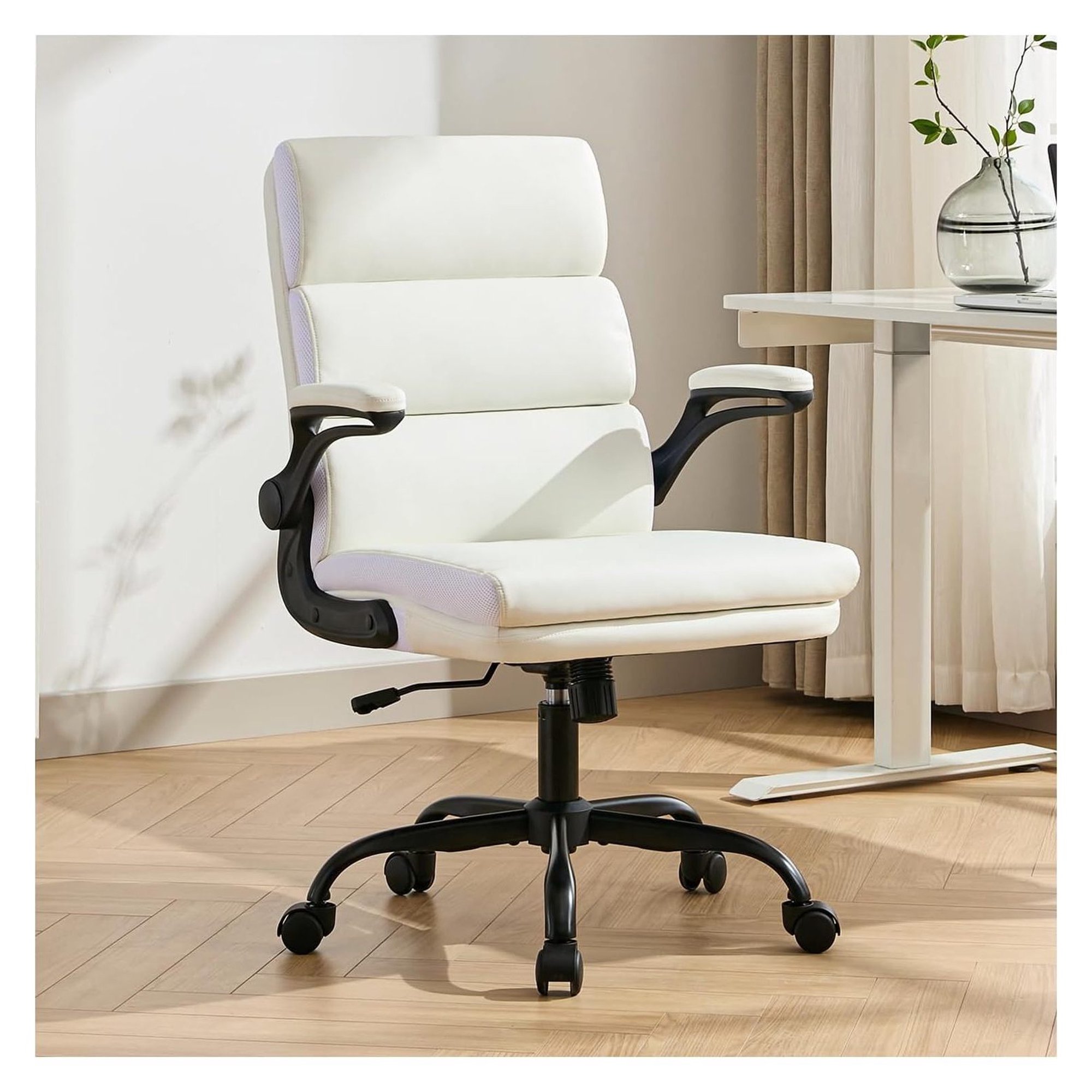
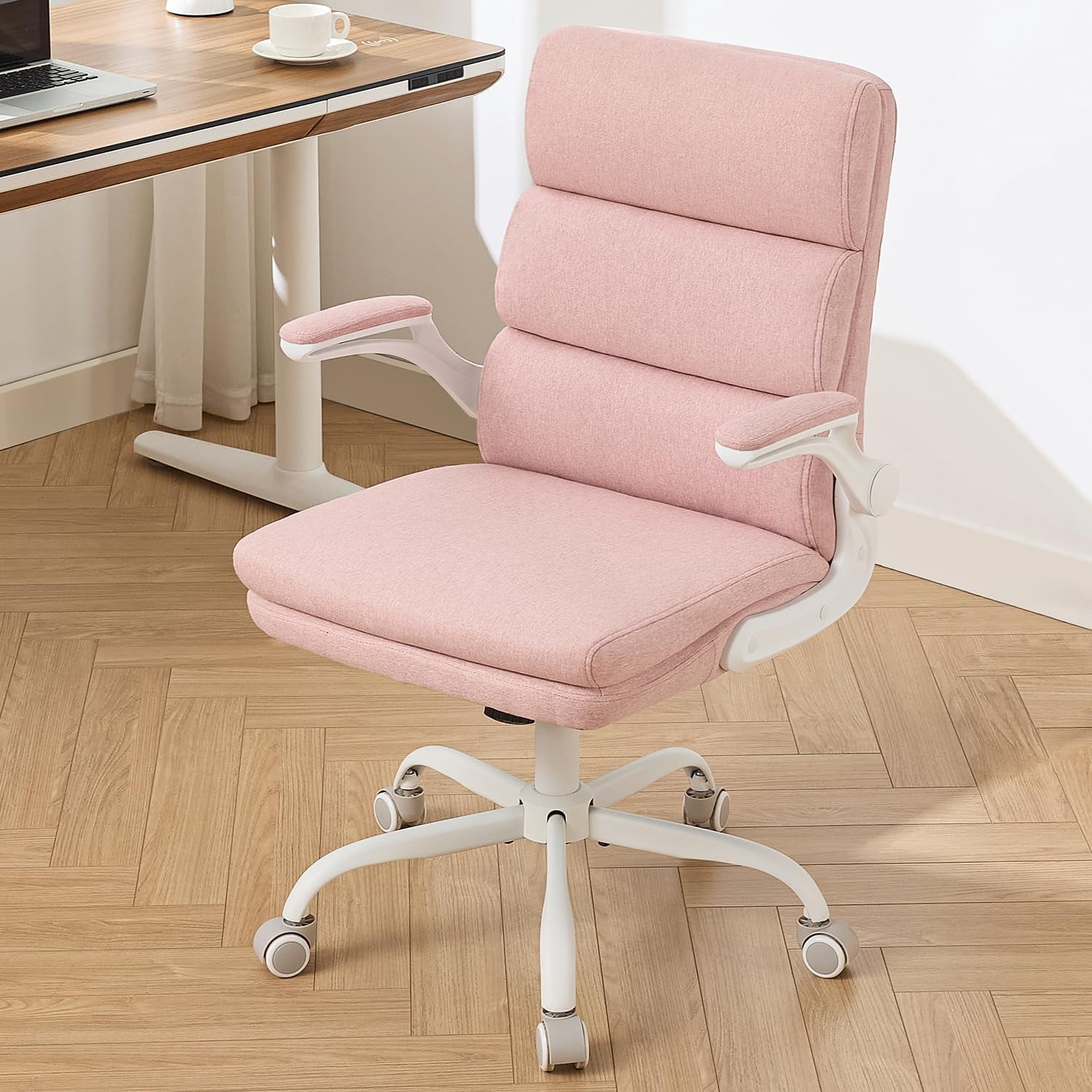
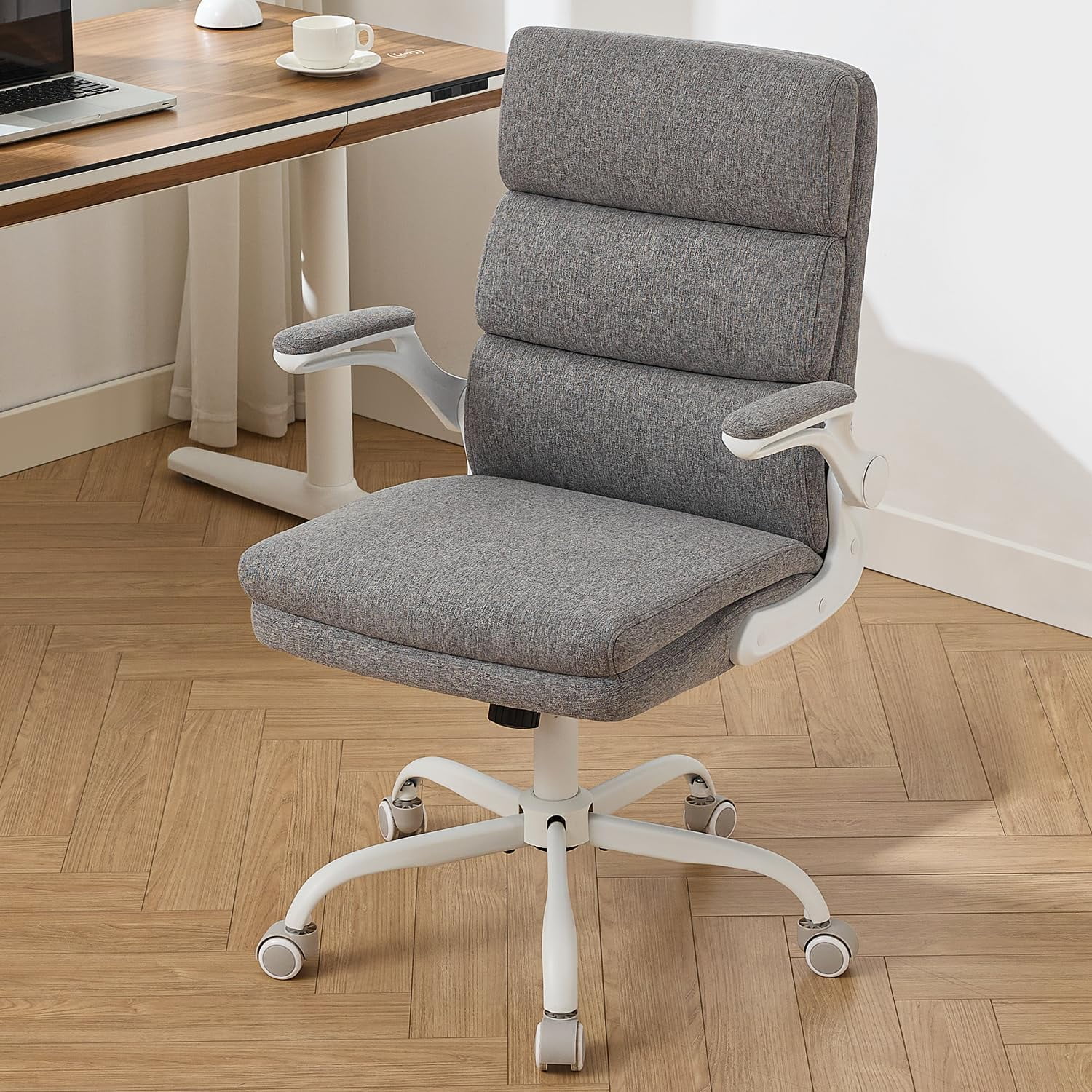
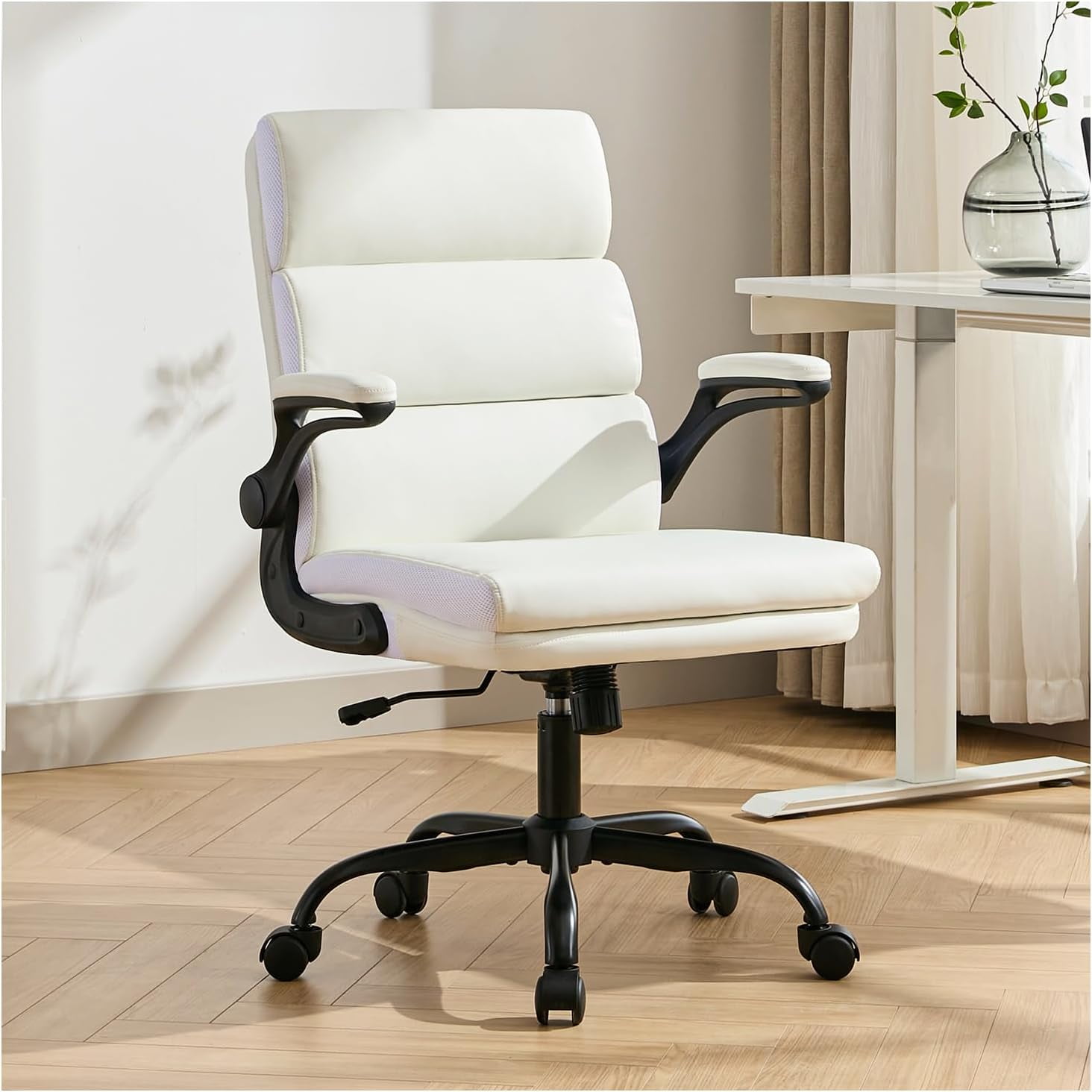
Why a Comfy Small Office Chair is a Game-Changer for Your Home Workspace
Working from home has redefined what we need from our office furniture. The days of bulky, imposing executive chairs are giving way to a new priority: smart, space-conscious design that doesn't sacrifice comfort. A comfy small office chair is the answer for anyone who wants to create an efficient, inviting workspace without the clutter.
💡 Did You Know? Studies show that a cluttered workspace can reduce focus by up to 32%. Choosing a compact, well-designed chair helps create a sense of order and spaciousness, directly contributing to improved concentration and productivity.
The Anatomy of Comfort: What to Look For
Finding a truly comfy small office chair is about understanding the key elements that work together to support your body. Here's what separates a great small chair from a merely adequate one:
- Ergonomic Scaling: The best small chairs are ergonomically scaled for a range of body types. Features like seat depth adjustment are crucial, ensuring the seat pan supports your thighs without pressing into the back of your knees.
- High-Quality Padding: Don't let the smaller size fool you. Look for chairs with high-density foam that provides lasting support and resists flattening over time. A well-padded seat and back are essential for all-day comfort.
- Breathable Materials: Whether you choose mesh or a premium fabric, the material should promote airflow. This prevents heat buildup and keeps you comfortable during long work sessions, especially in a small, potentially warmer home office.
- Smart Adjustability: A compact chair should still offer essential adjustments. Pneumatic height adjustment, tilt tension, and swivel functionality are non-negotiable features that allow you to customize the chair to your desk and your body.
Maximizing Your Space: The Compact Advantage
The beauty of a comfy small office chair lies in its ability to make a small space feel larger. Here’s how these chairs optimize your work environment:
Armless Designs
Chairs without arms, or with slim, low-profile arms, can easily slide completely under your desk. This feature clears the visual field and creates more floor space, making the room feel more open.
Slim Back Profiles
A narrow backrest means the chair takes up less visual and physical space. It allows for easier movement and fits neatly in corners or between other furniture pieces.
Small Base Casters
Compact chairs often have a slightly smaller wheelbase. High-quality, smooth-rolling casters make the chair easy to maneuver in tight spots, without scratching your floors.
Beyond the Size: Unexpected Benefits
Choosing a comfy small office chair goes beyond just saving space. These chairs often encourage a more active sitting posture. Their lighter weight makes them easy to move, and their streamlined design often aligns perfectly with minimalist or modern aesthetics. They are also typically easier to assemble and more budget-friendly than their larger counterparts, making them a smart investment for anyone setting up a home office.
Material Matters: Choosing the Right Upholstery
The material of your small office chair plays a huge role in both its comfort and its longevity. Here’s a quick guide to help you decide:
| Material | Comfort & Feel | Best For | Maintenance |
|---|---|---|---|
| Breathable Mesh | Firm, supportive, and airy | Long hours in warmer climates; those who prefer a cooler seat | Easy to clean with a damp cloth; dust-resistant |
| Soft Fabric | Plush, cozy, and inviting | Cooler environments; those seeking a traditional cushioned feel | Requires spot cleaning or professional care for spills |
| Bonded Leather | Smooth, easy to wipe clean, professional look | Home offices that double as a space for client meetings | Wipe clean easily; avoid direct sunlight to prevent cracking |
Step-by-Step Guide to Selecting Your Ideal Chair
Ready to find your perfect match? Follow this simple process to ensure you make the right choice:
- Measure Your Space: Start with the basics. Measure the width, depth, and height available for your chair. Remember to account for arm width if you're considering a model with arms.
- Assess Your Desk Height: Standard desks are around 29 inches high. Ensure your chair's height adjustment range can bring you to a comfortable typing position with your elbows at a 90-degree angle.
- Consider Your Body: For petite individuals, look for chairs with adjustable seat depth. For taller users in a small space, prioritize a chair with a high back but a narrow profile.
- Evaluate Your Work Style: Do you lean forward frequently, or do you prefer to recline while thinking? This will help you decide on the importance of tilt tension and lock features.
- Read Reviews: Look for feedback from other users, especially those who mention using the chair for long hours. Focus on comments about long-term comfort and durability.