
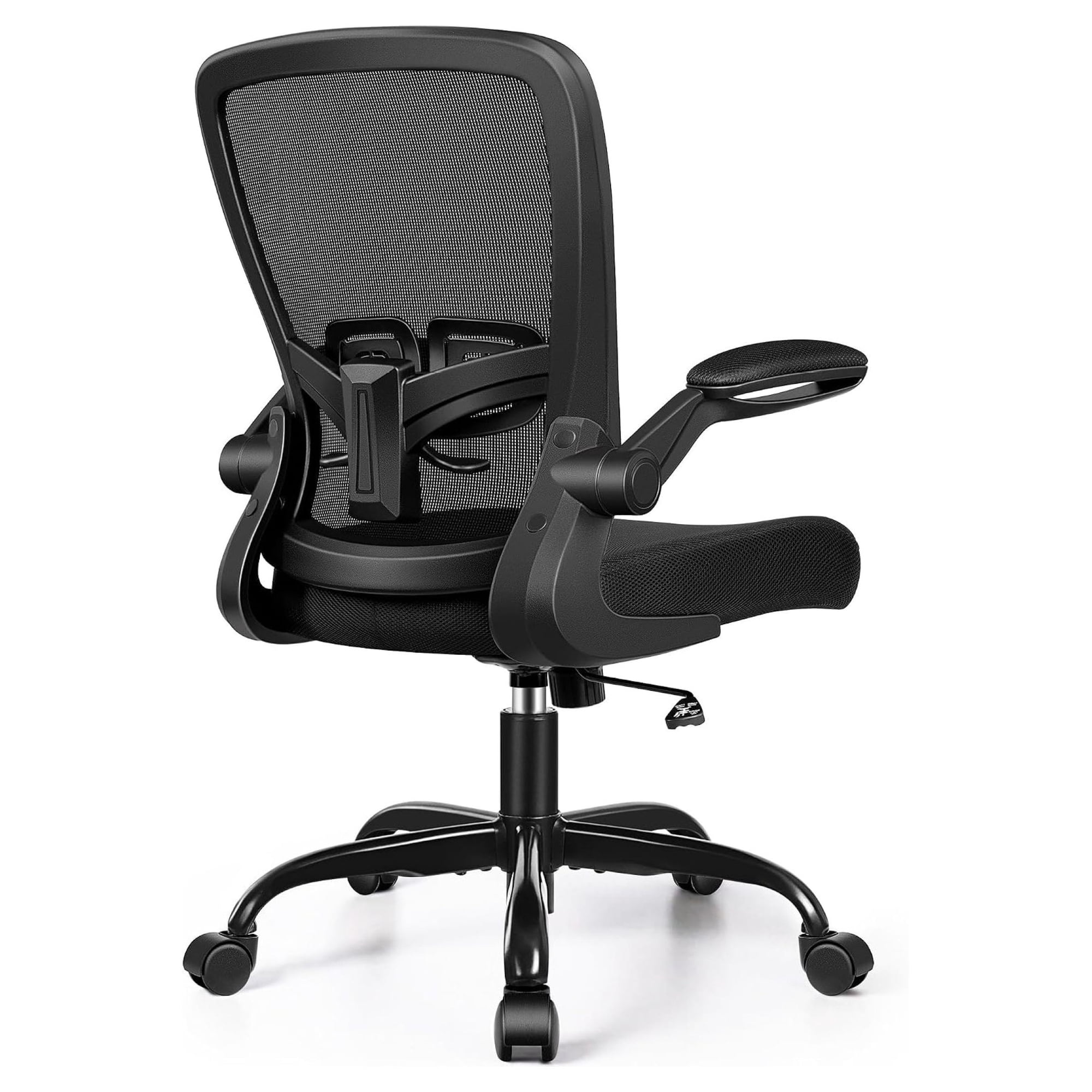
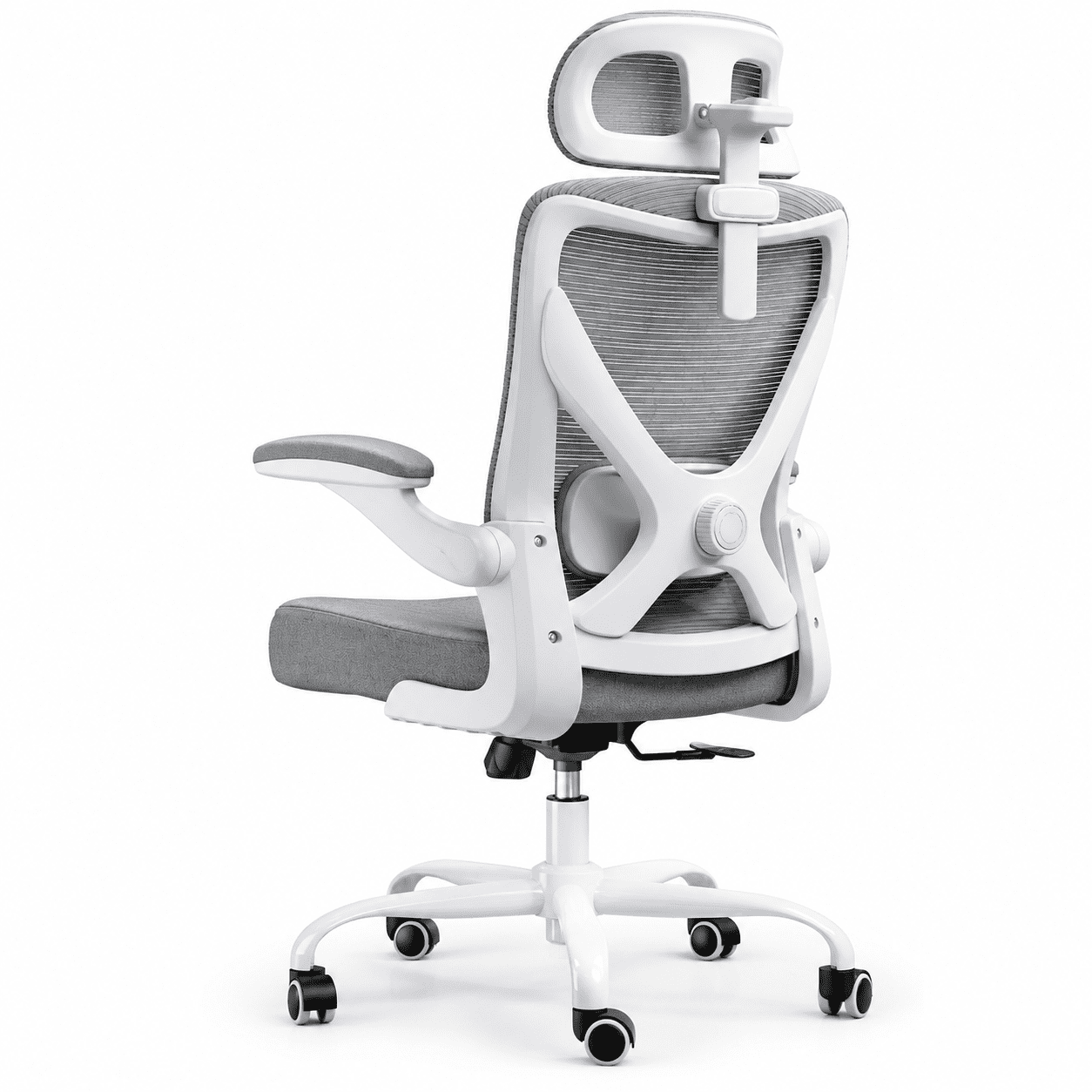
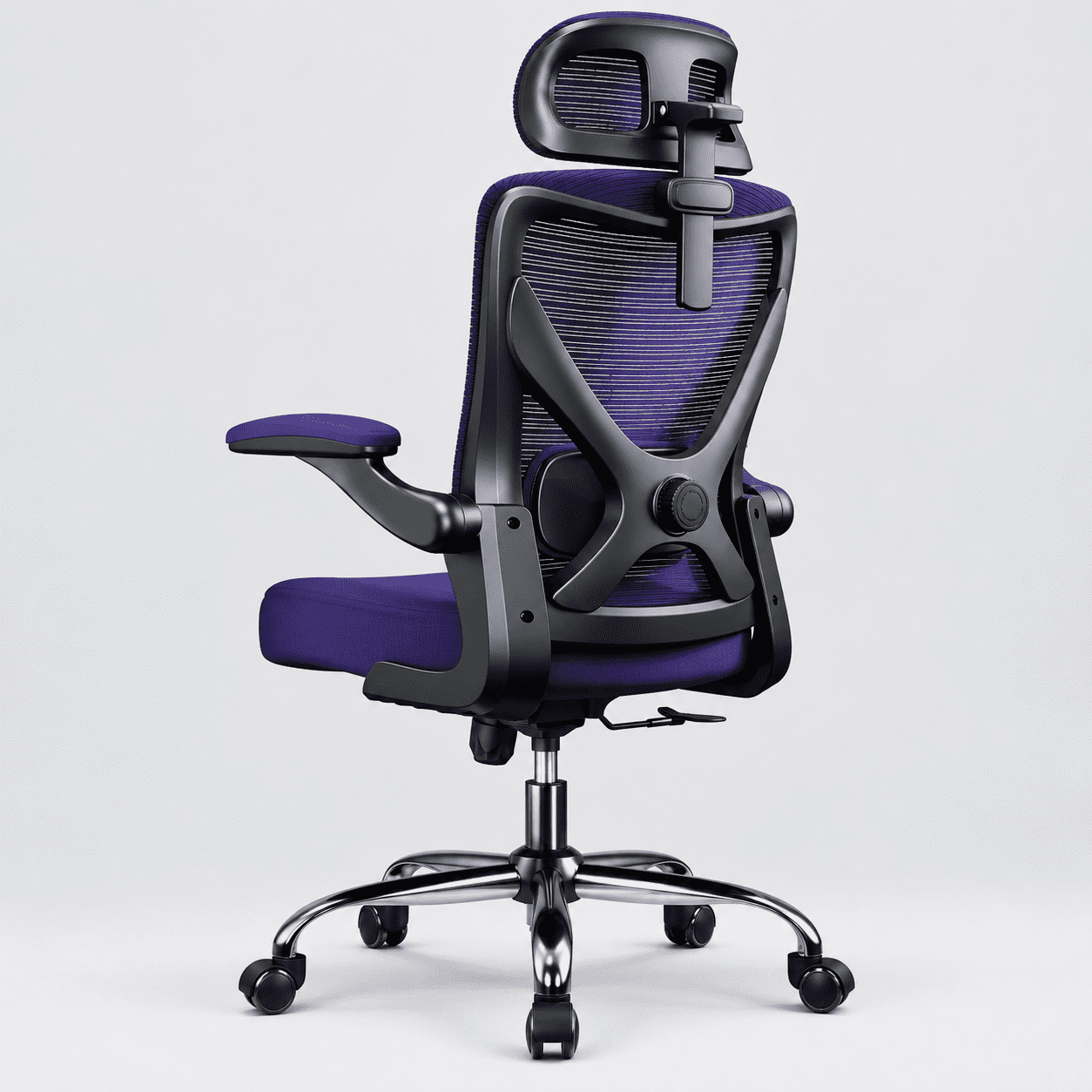
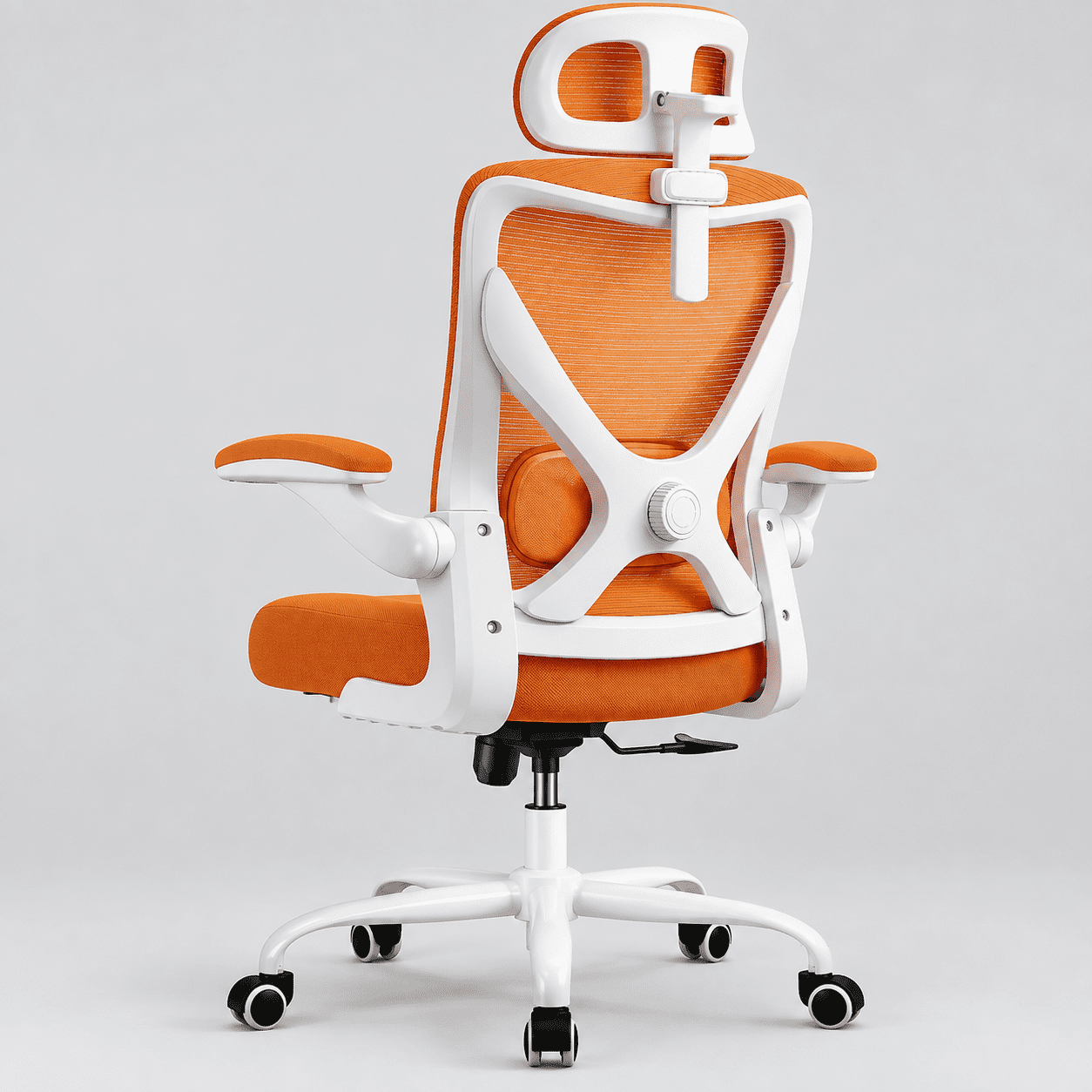
Why a Comfy Ergonomic Office Chair Matters More Than You Think
Imagine settling into your workspace and feeling an immediate sense of ease — no shifting, no pressure points, just pure focus. That’s the promise of a comfy ergonomic office chair. Unlike traditional stiff office seating, these chairs are designed to adapt to your body, not the other way around. For remote workers, entrepreneurs, and corporate professionals alike, comfort directly influences productivity. According to ergonomic studies, the right chair can improve concentration by up to 28% and reduce discomfort-related distractions by over 50%.
💡 Did You Know? Sitting in a non-ergonomic chair for just 6 hours a day can increase spinal disc pressure by nearly 40% compared to standing. A comfy ergonomic office chair with adjustable lumbar support actively reduces this pressure, protecting your long-term back health.
Anatomy of True Comfort: Key Features to Look For
Not every "ergonomic" chair delivers on the comfort promise. Here are the non-negotiable elements that define a genuinely comfy ergonomic office chair:
🛋️ Dynamic Lumbar Support
Static backrests cause fatigue. Look for chairs with adjustable lumbar that moves with you — either a built-in mechanism or an air-bladder system that lets you fine-tune the curve to match your spine.
🪑 Seat Depth & Height Customization
Your thighs should rest without pressure. A comfy ergonomic chair allows seat depth adjustment (for 5'2" to 6'5" users) and pneumatic height control to keep your feet flat and knees at 90°.
💨 Breathable Material or Plush Layers
Choose high-resilience foam with cooling gel or premium mesh that contours. The material should strike a balance between softness and support, preventing both "sitting on a cloud" sinking and "sitting on a plank" hardness.
🤲 3D/4D Armrests
Armrests that adjust in height, width, angle, and depth ensure your shoulders remain relaxed. This prevents neck strain and makes long typing sessions feel effortless.
Material Face-Off: Which One Feels Most Comfy?
Choosing the right upholstery is personal, but understanding the trade-offs helps you decide. Below is a quick comparison of materials used in comfy ergonomic chairs:
| Material | Comfort Experience | Best For |
|---|---|---|
| Premium Mesh | Breathable, weightless feel, adaptive tension. Stays cool during summer. May feel less "cushiony" initially. | Hot climates, all-day sitters who value airflow and moderate firmness. |
| Memory Foam + Fabric | Plush, warm, and hugs your curves. Provides a luxurious sink-in sensation but may retain heat. | Those who love a soft, traditional armchair feel and work in cooler environments. |
| Gel-Infused Foam | Combines softness with temperature regulation. Relieves pressure on tailbone and hips. | Long-haul desk workers dealing with sciatica or tailbone sensitivity. |
| Leather (Top-Grain) | Sophisticated, smooth, and gets softer over time. Requires maintenance but offers unique elegance. | Executive settings where style meets comfort, and regular conditioning is acceptable. |
5 Quick Tests to Evaluate a Comfy Ergonomic Office Chair
When shopping (online or in-store), use these five practical checks to ensure true ergonomic comfort:
- The 90-90-90 Rule: Feet flat (90° at ankles), knees bent 90°, hips slightly above knees (90-110°). The chair should accommodate this naturally.
- Lumbar Gap Test: Sit all the way back. Can you slide your hand between your lower back and the chair’s lumbar curve? A good chair will fill that gap with adjustable support.
- Seat Pan Pressure: Sit for 10 minutes. If you feel numbness under thighs, the seat is too long or lacks waterfall edge — keep searching.
- Recline Fluidity: Lean back. Does the tension adjust smoothly? A comfy chair offers tilt lock and variable recline resistance so you can rock gently without jerking.
- Armrest Alignment: While typing, your elbows should form a 90° angle, and wrists remain straight. Armrests should support your forearms without lifting shoulders.
Expert Insight: Many people confuse “soft” with “supportive.” A truly comfy ergonomic office chair uses high-density foam or dynamic mesh that supports your skeleton while padding pressure points. It shouldn't collapse under weight, nor feel like concrete.
Health & Productivity: The Underrated ROI
Investing in a high-quality comfy ergonomic office chair is not just about luxury — it’s about long-term wellbeing. Research indicates that employees with ergonomic seating report 46% less work-related neck and shoulder pain. Additionally, the reduction in fatigue can translate to nearly an extra hour of productive work per day. When you factor in fewer sick days and better focus, the chair pays for itself within months.
- Spinal alignment: Maintains natural S-curve, reducing disc degeneration risk.
- Circulation boost: Prevents leg swelling and varicose veins with proper seat depth.
- Mental clarity: Less physical distraction means deeper concentration and creative flow.
Budget vs. Value: Finding Your Sweet Spot
Comfy ergonomic chairs range from $200 to $1,800+. Here’s how to align budget with features:
- Entry ($200–$400): Basic ergonomic shape, adjustable seat height, fixed lumbar. Good for part-time use or occasional working.
- Mid-Range ($400–$800): Improved foam density, adjustable lumbar, 2D armrests, breathable mesh. Ideal for 6-8 hour daily use.
- Premium ($800–$1500): Fully adjustable (4D armrests, seat depth, tilt lock), premium materials, 10+ year warranty. Best for full-time professionals with existing back concerns.
- Luxury ($1500+): Custom-tailored ergonomics, headrest, high-end leather, and proprietary support systems like dynamic tilting mechanisms.
Remember: A chair that fits you perfectly will always beat a high-priced generic model. Focus on adjustability and construction quality rather than brand alone.
Frequently Asked Questions About Comfy Ergonomic Office Chairs
Conclusion: Elevate Your Workday with the Perfect Comfy Ergonomic Office Chair
The right comfy ergonomic office chair is not an expense — it’s an investment in your physical health, daily energy, and professional success. By prioritizing adjustability, quality materials, and genuine ergonomic design, you transform sitting from a passive activity into an active support system. Use the guidelines above to test key features, match materials to your environment, and choose a chair that makes you feel as good at 5 PM as you did at 9 AM.
Take your time, read user reviews, and if possible, try before you buy. Your spine, productivity, and overall well-being will thank you for years to come. Explore the top selections we’ve gathered from trusted brands and start your journey toward superior seating today.