
Beyond Firmness: Why a Super Soft Office Chair is a Game-Changer
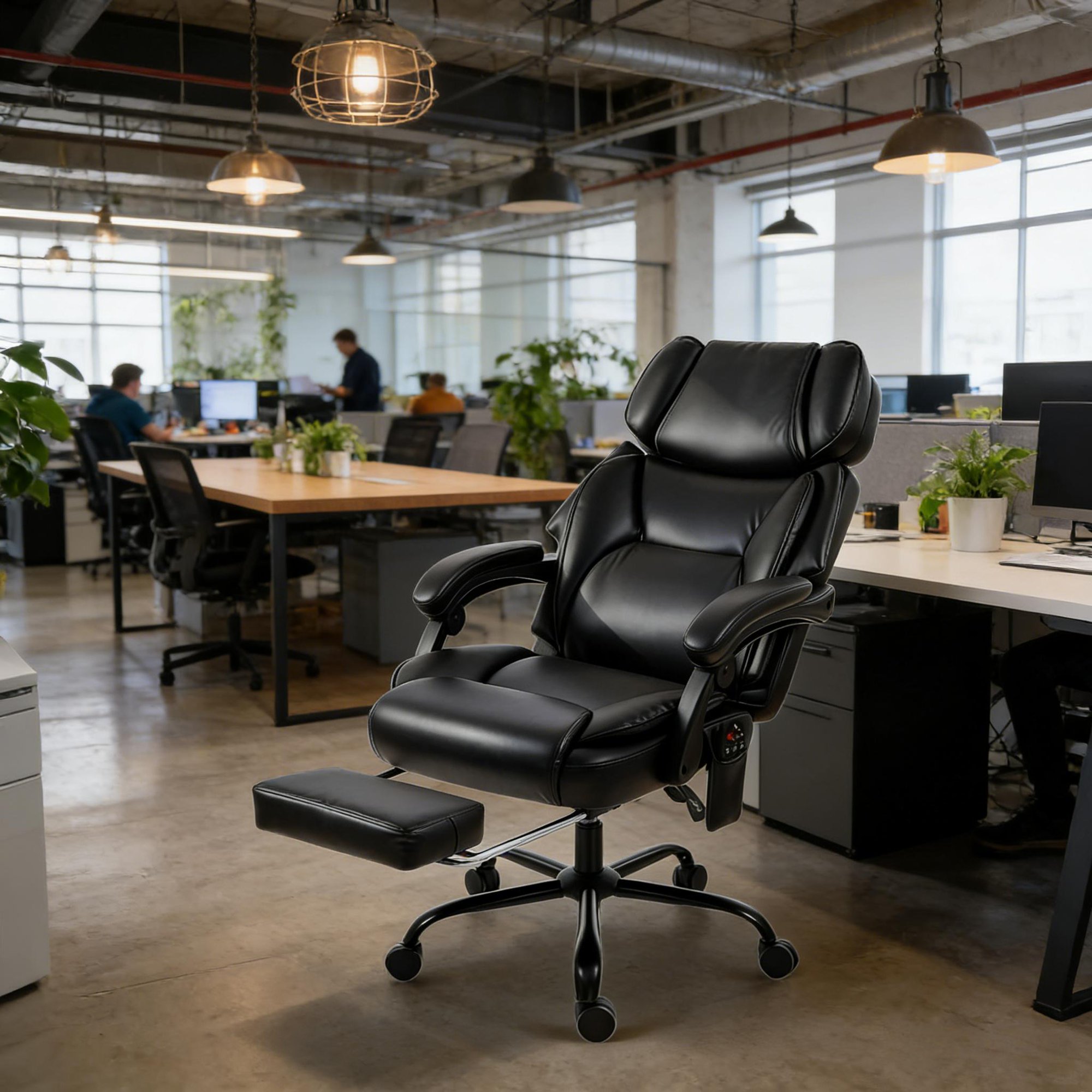
For years, the narrative around office seating has been dominated by one concept: firm support. While ergonomics are non-negotiable, the idea that comfort must come from a rigid, unforgiving surface is a myth. Enter the super soft office chair – a category of seating designed to provide a cloud-like experience without sacrificing the structural support your body needs. These chairs are engineered to cradle you, reducing pressure points and creating a workspace that feels less like a sterile office and more like a sanctuary of productivity.
The "Goldilocks" Principle of Seating: The ideal office chair isn't too hard, nor too soft. It's a perfect balance. A super soft office chair achieves this by using advanced cushioning technology that compresses just enough to conform to your body shape, distributing weight evenly and promoting micro-movements that keep your blood flowing.
The Anatomy of Ultimate Softness: Key Components
Not all plush chairs are created equal. A truly superior super soft office chair is a sum of its parts. Understanding these components will help you choose a chair that remains comfortable and supportive for years, not just weeks.
Comparing Cushion Types: Which is Right for You?
| Cushion Type | Feel & Comfort | Long-Term Durability | Best For |
|---|---|---|---|
| Memory Foam | Conforms to your body's shape, excellent pressure relief. Can feel slightly firm in cooler rooms. | Good to excellent; high-quality memory foam retains its shape for years. | Individuals with pressure point sensitivity, back pain, or those who want a personalized fit. |
| High-Density Polyurethane Foam | Firm yet supportive, provides excellent bounce-back. The foundation for most durable chairs. | Excellent; highly resilient and resistant to sagging. | As a base layer for ultimate durability combined with a softer top layer. Ideal for daily, heavy use. |
| Fiber-Wrapped Foam | Extremely plush, cloud-like initial feel. A thick layer of soft fibers encases a foam core. | Moderate; fiber layers can compress over time if the foam core is not high-density. | Those seeking the "luxury car seat" feel and prioritize initial softness above all else. |
| Gel-Infused Foam | Combines softness with cooling properties. Gel helps dissipate body heat. | Good; the gel does not break down, and the foam is typically high-quality. | Warm climates or users who tend to overheat while sitting on plush surfaces. |
Ergonomics and Softness: A Powerful Partnership
There's a common misconception that a soft chair can't be good for your posture. This is where smart engineering comes into play. The most effective super soft office chairs are ergonomic chairs first, with softness added as a luxury layer. Here's how to find that powerful partnership:
- Look for Adjustable Lumbar Support: Even in a chair with a plush backrest, dedicated lumbar support (adjustable in height and depth) is non-negotiable. It ensures your lower spine maintains its natural curve, preventing the fatigue and slouching that soft chairs can sometimes encourage.
- Seat Depth Adjustment is Key: The plush seat cushion should be long enough to support your thighs without pressing into the back of your knees. An adjustable seat depth allows you to perfectly size the chair to your body, ensuring the softness works for you, not against you.
- Don't Forget the Armrests: Fully adjustable (4D) armrests let you position the chair to support your arms and shoulders perfectly. This reduces strain in the upper back and neck, complementing the softness of the seat and back.
- The Recline Mechanism: A smooth, tilt-lock recline mechanism that allows you to change your posture throughout the day is crucial. Being able to lean back and relax in a cloud-like chair encourages movement and reduces static muscle tension.
By prioritizing these ergonomic features, you ensure your journey to ultimate softness doesn't lead you down a path of poor posture. Instead, you're building a throne that supports your body in its most natural, comfortable state.