
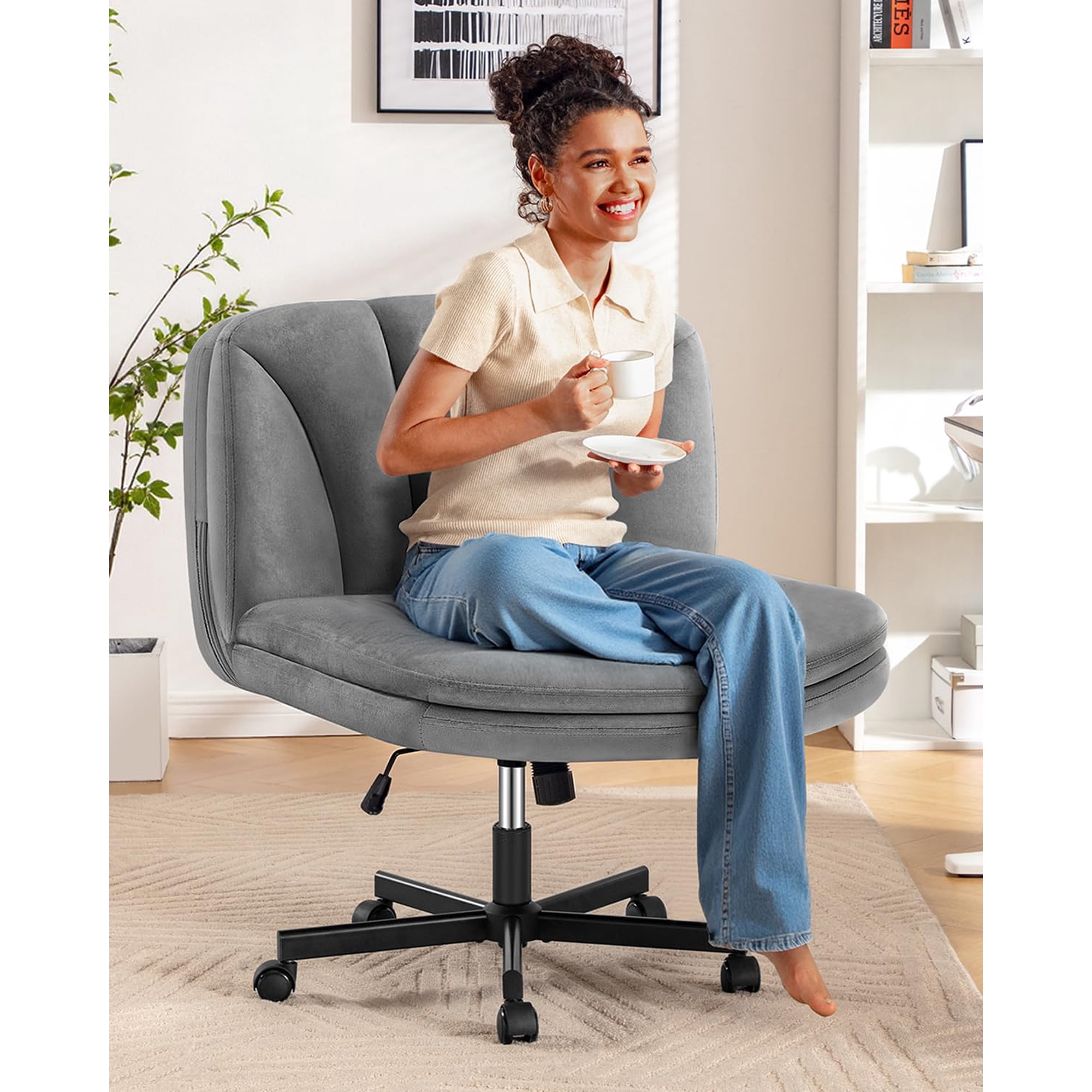
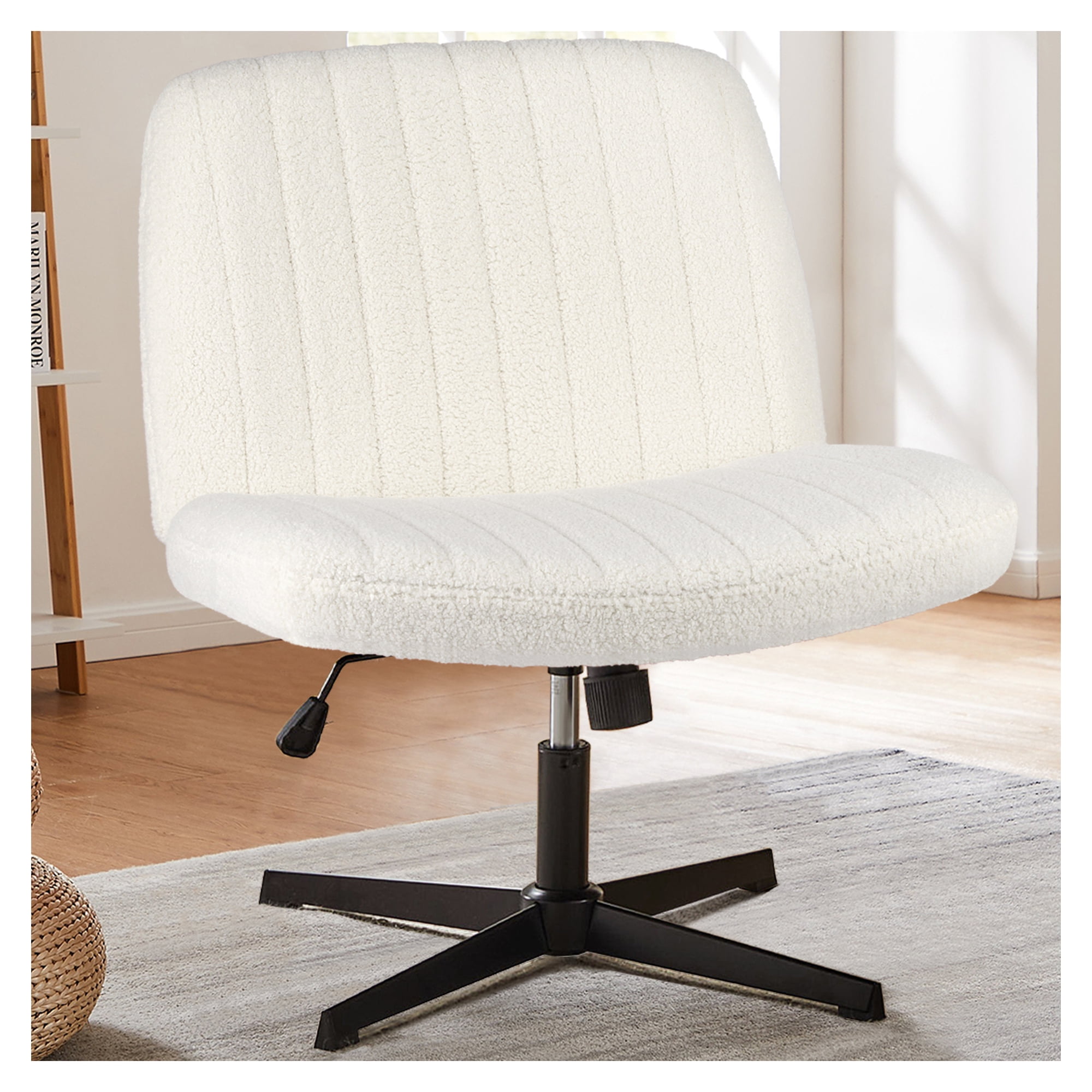
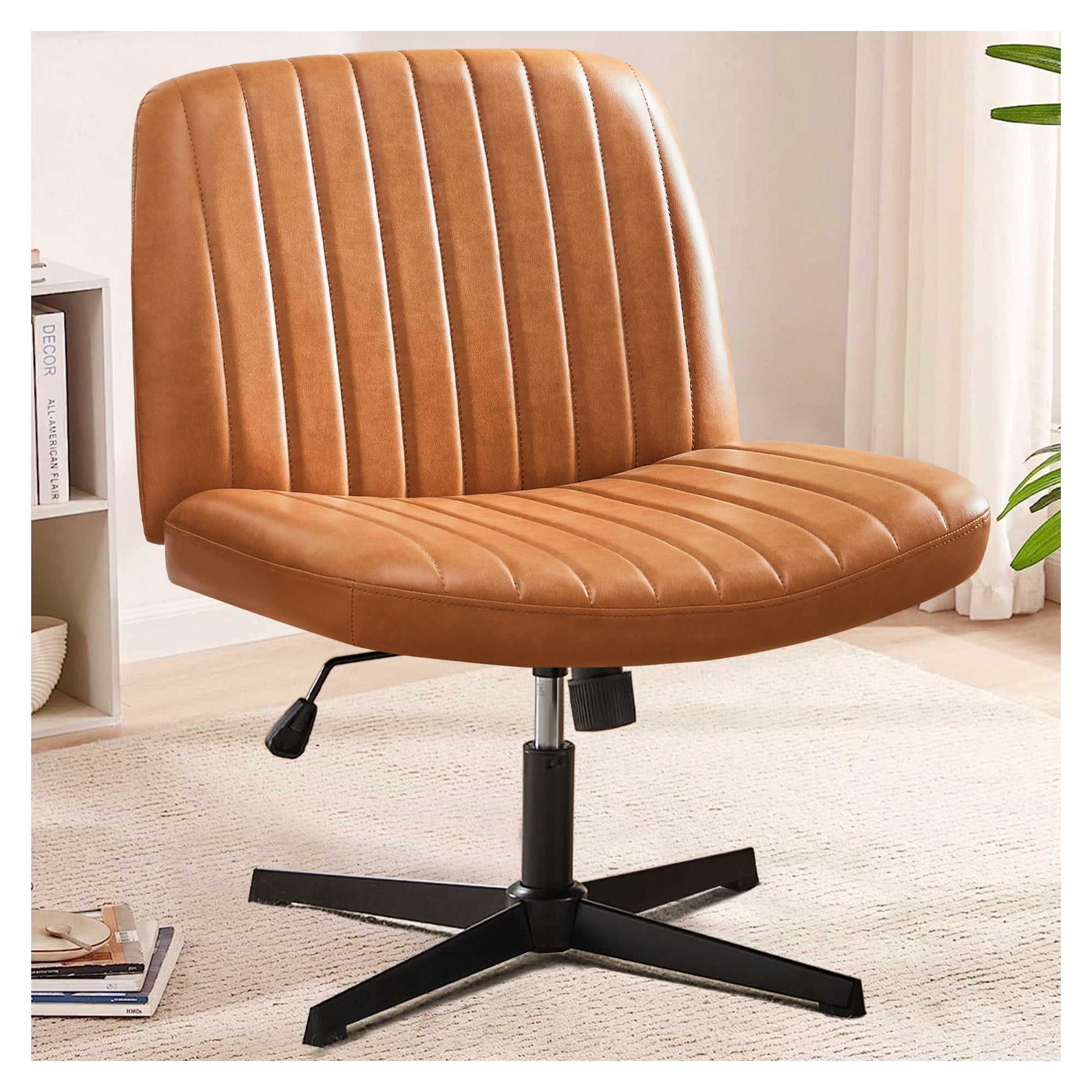
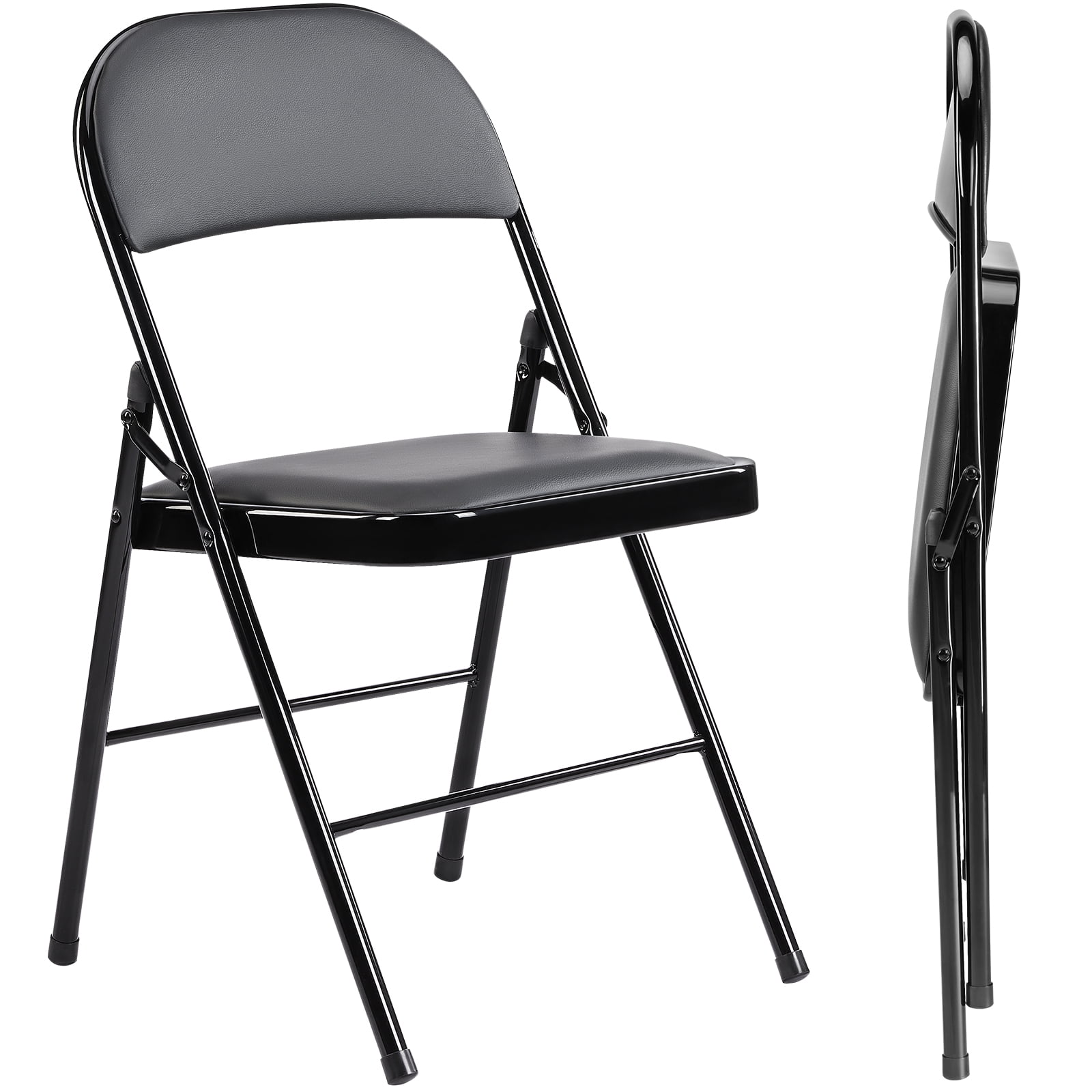
Why a Wide Comfortable Office Chair is a Strategic Investment
Picture your chair as the foundation of your workspace—much like the chassis of a luxury vehicle. If it’s too narrow or lacks support, every small bump (or long meeting) becomes exhausting. A wide comfortable office chair transforms that foundation, offering ample room to shift positions, superior weight distribution, and ergonomic features that keep you energized from morning to evening.
Ergonomic Insight: According to a study in the Journal of Physical Therapy Science, seating that provides adequate width and contour reduces pressure on the greater trochanter (outer hip) by up to 38%. For professionals spending 8+ hours seated, this translates to fewer aches, less fidgeting, and sustained concentration.
What Defines a True Wide Comfortable Office Chair?
Not every “big” chair is built for lasting comfort. Here are the distinguishing elements that set premium wide seating apart:
- Generous Seat Width (22”–30”): Ample space for hips and thighs, reducing pressure points and allowing natural movement.
- High Weight Capacity (300–500+ lbs): Reinforced mechanisms and wider bases ensure stability and safety.
- Contoured Lumbar Support: Adjustable or built-in lumbar that follows the spine’s curve, preventing lower back fatigue.
- Thick, High-Density Foam: Prevents bottoming out and retains shape even after years of use.
- Extra-Wide Armrests & 4D Adjustability: Allows elbows to rest naturally without feeling restricted.
The Ergonomics of Spacious Seating
A common misconception is that “wide” means sacrificing ergonomics. In reality, leading manufacturers engineer wide chairs with the same (or better) ergonomic principles as high-end task chairs. The key is adjustability. A quality wide comfortable office chair will offer:
- Seat Depth Adjustment: Crucial for proper thigh support without pressing against the back of the knees.
- Multi-Function Recline: Independent seat and back tilt angles for dynamic sitting, which improves circulation.
- Height-Adjustable Lumbar: Moves vertically to fit the natural curve of your lumbar spine.
- Pneumatic Seat Height: Ensures feet rest flat on the floor, with thighs parallel.
When these features combine with a wide seat, you get a chair that fits like custom-tailored clothing—accommodating your frame while promoting a neutral, healthy posture.
🎯 Spacious & Supportive
- Wider seat pan reduces hip pressure
- Enhanced stability for various body types
- More room to change sitting positions
- Ideal for those who prefer cross-legged sitting
⚙️ Ergonomic Adjustability
- Seat depth slider (essential for wide models)
- Height and width-adjustable armrests
- Dynamic lumbar that adapts to recline
- Tilt tension control for personalized resistance
🛡️ Built to Last
- Reinforced steel or aluminum base
- Class 4 hydraulic lift (higher safety standard)
- Heavy-duty dual-wheel casters for smooth rolling
- Commercial-grade upholstery (mesh, leather, or premium fabric)
Who Benefits Most from a Wide Comfortable Office Chair?
While spacious chairs are often associated with big and tall users, they offer advantages across many demographics:
- Professionals with Broad Shoulders or Hips: Standard armrests and narrow seats can create pressure and restrict movement.
- Remote Workers Seeking All-Day Comfort: Those working from home appreciate the luxury of spreading out and shifting postures naturally.
- Individuals Recovering from Hip or Back Issues: Extra width allows for better positioning of cushions or orthotics.
- Tall Users Who Need Seat Depth: Wide chairs often come with deeper seats, accommodating longer femurs.
- Shared Workspaces: A wider, highly adjustable chair can comfortably serve multiple users with different body types.
Material and Build Quality: What to Look For
Because wide chairs are engineered to support more weight and frequent movement, material choices directly impact longevity. Here’s a quick material guide:
- Premium Mesh: Breathable, flexible, and easy to clean. Great for warmer climates and those who prefer a cooler seat. High-quality mesh retains tension without sagging.
- Leather (Genuine or Faux): Offers a classic executive look, easy wipe-down maintenance, and durable surface. Genuine leather ages gracefully but requires conditioning.
- High-Density Fabric: Often used in heavy-duty chairs for its resilience and softness. Look for stain-resistant treatments and reinforced stitching.
Check for warranties: a solid wide comfortable office chair should have at least a 5-year warranty on mechanical parts and a lifetime guarantee on the frame.
Size Matters: How to Choose the Right Width for Your Body
Selecting the correct width involves more than just picking the largest option. Follow this practical guide:
| User Profile | Recommended Seat Width | Weight Capacity Needed | Additional Features |
|---|---|---|---|
| Petite to Average (under 5'6") | 22"–24" | 250–300 lbs | Seat depth adjustment, lower seat height range |
| Average to Broad (5'7"–6'0") | 24"–26" | 300–400 lbs | Adjustable lumbar, wider armrests |
| Tall & Broad (6'1" and above) | 26"–28" | 400–500+ lbs | Extra-tall back, headrest, reinforced base |
| Plus Size or Hip Width Focus | 26"–30" | 350–500+ lbs | Contoured waterfall seat edge, heavy-duty casters |
Health & Productivity Benefits: Beyond Comfort
A well-chosen wide comfortable office chair delivers measurable wellness and performance outcomes:
- Reduced Musculoskeletal Strain: Adequate width prevents compression of the sciatic nerve and hip flexors, common sources of discomfort in narrow chairs.
- Improved Postural Awareness: When you’re not fighting for space, your body naturally settles into a more aligned position, reducing slouching.
- Enhanced Circulation: Freedom to shift weight and a seat edge that doesn’t cut into the thighs promotes blood flow, reducing fatigue and the risk of DVT.
- Fewer Micro-Breaks: Comfortable seating minimizes the urge to constantly readjust, allowing deeper focus during high-concentration tasks.