
Why a Comfortable Wide Office Chair Transforms Your Workspace
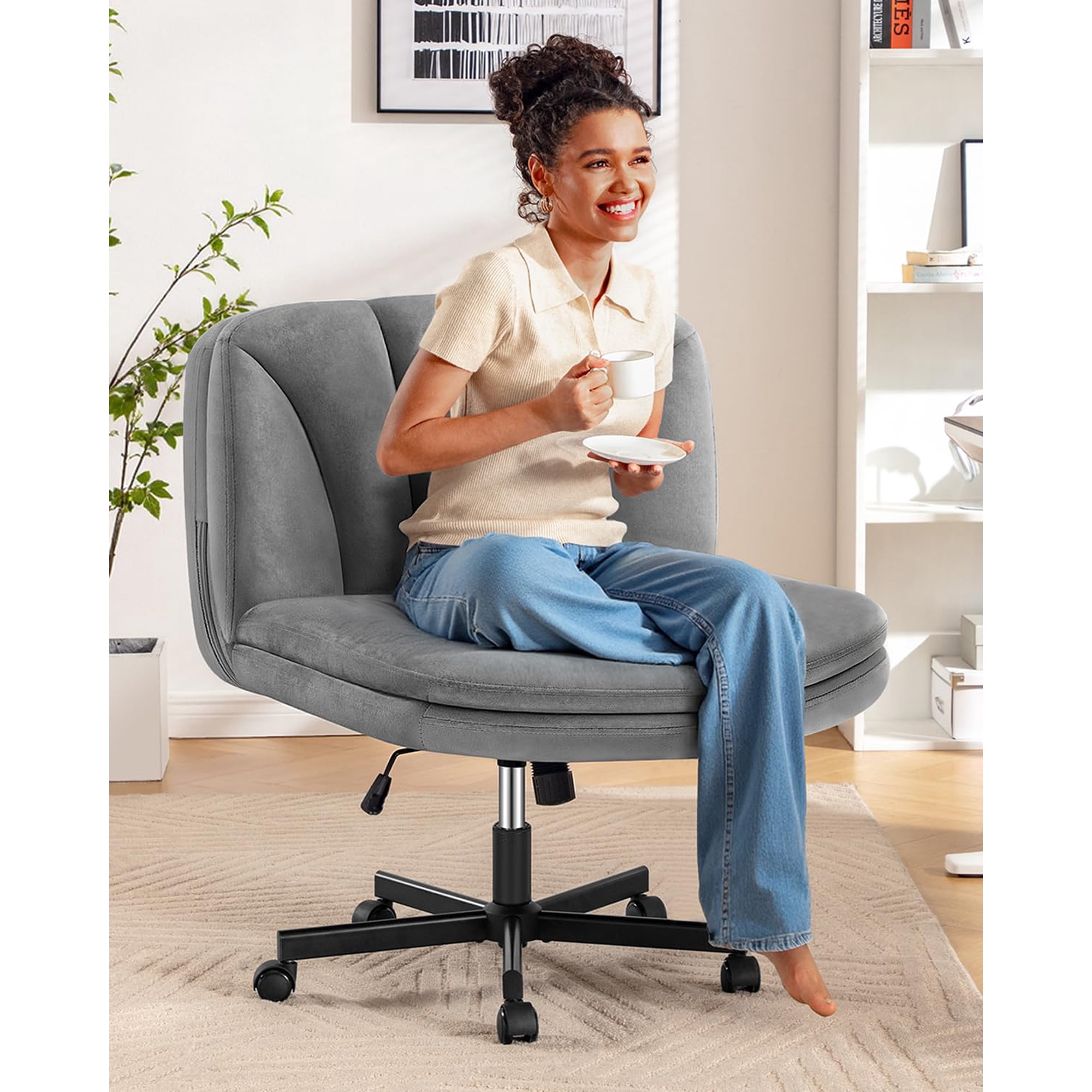
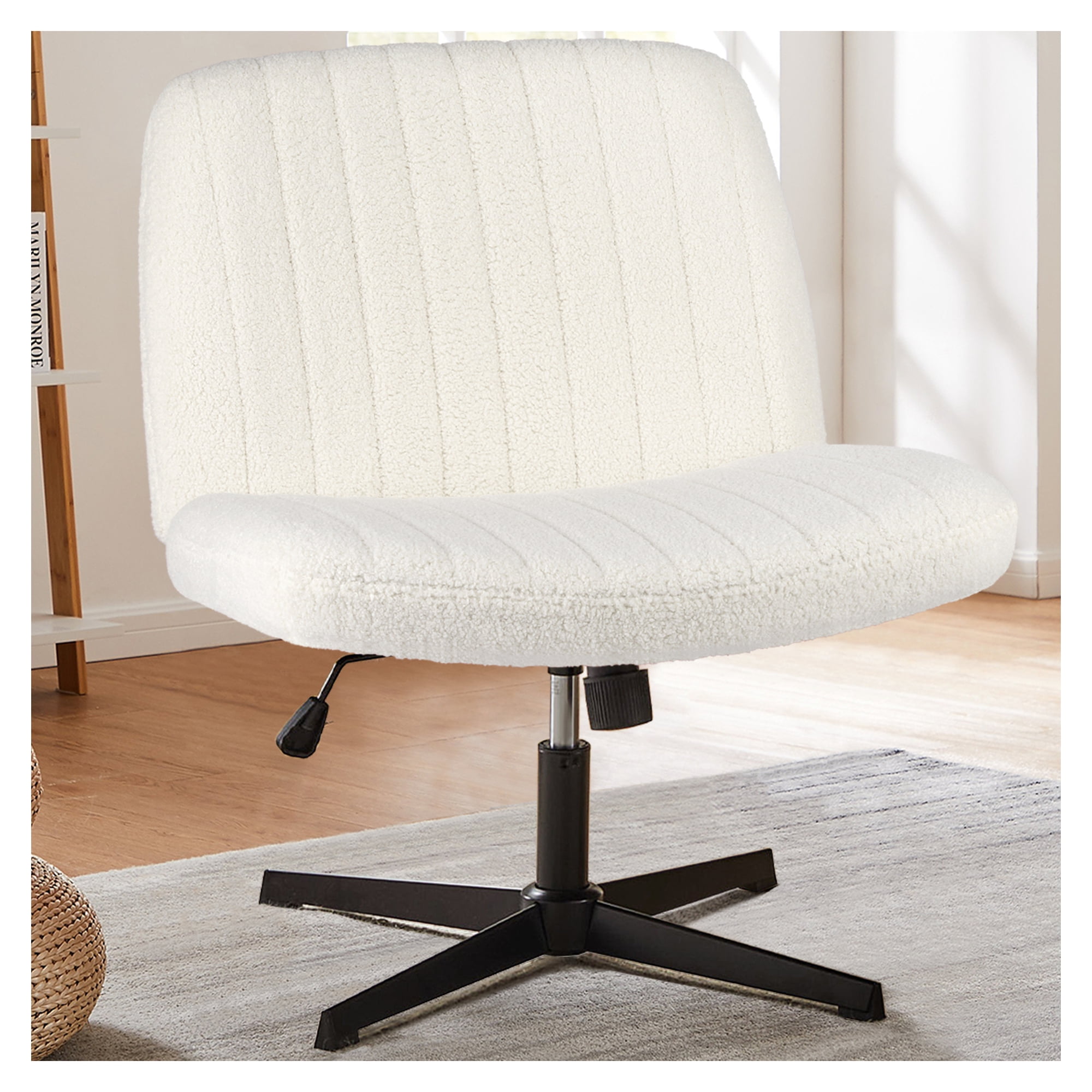
When you spend hours at your desk, the last thing you need is a chair that feels restrictive. A comfortable wide office chair is designed to give you the space you need to move, breathe, and work without feeling cramped. Unlike standard office chairs that can pinch hips or limit movement, wide chairs offer expansive seats—often 20 to 24 inches wide—accommodating diverse body types and sitting preferences.
Did you know? Studies show that restrictive seating can reduce concentration by up to 28% and contribute to discomfort-related absenteeism. A spacious chair promotes better blood flow and allows natural posture shifts, keeping you energized throughout the day.
Key Benefits of Wide Seating for Professionals
Choosing a wide office chair isn't just about comfort—it's an investment in your health and productivity. Here’s why spacious seating matters:
- Enhanced Blood Circulation: Wider seats reduce pressure on thighs and hips, preventing numbness and promoting healthy blood flow.
- Freedom to Reposition: Whether you sit cross-legged, lean to one side, or simply need to shift, extra width lets you move naturally.
- Superior Weight Distribution: Large seat pans distribute body weight evenly, reducing pressure points and fatigue.
- Designed for Big & Tall Users: Many models feature reinforced frames and high weight capacities (350-500 lbs) ensuring stability and safety.
- Long-Term Durability: Wide chairs are built with heavy-duty components that withstand rigorous daily use for years.
Critical Features of a High-Quality Wide Office Chair
Not all wide chairs are created equal. To ensure you get the best combination of comfort and durability, evaluate these essential features:
| Feature | Why It Matters for Wide Chairs | What to Look For |
|---|---|---|
| Seat Width & Depth | Determines how much room you have; insufficient width leads to hip strain. | Seat width ≥ 20 inches; seat depth adjustable (18-22 inches) for thigh support. |
| Weight Capacity & Frame | Ensures safety and longevity, especially for larger users. | Minimum 350 lbs capacity; steel or reinforced aluminum base with class-4 gas lift. |
| Lumbar Support System | Prevents lower back pain during extended sitting sessions. | Adjustable lumbar (height/depth), integrated support with memory foam. |
| Armrest Flexibility | Wide chairs need armrests that adjust to different shoulder widths. | 4D armrests (height, width, pivot, depth) for customized comfort. |
| Upholstery Material | Affects breathability, maintenance, and durability. | High-density mesh for airflow; premium leather for elegance; stain-resistant fabric. |
Wide Office Chair vs. Standard Office Chair: A Side-by-Side Comparison
Understanding the differences helps you make an informed choice. Here’s how they stack up:
- Seat Dimensions: Standard chairs: 18-19 inches wide → Wide chairs: 20-24 inches wide, providing up to 30% more surface area.
- Weight Capacity: Standard: 250-300 lbs → Wide: 350-500 lbs, built with stronger gas lifts and bases.
- Backrest Height: Wide models often feature taller backs (24-28 inches) for full upper body support.
- Stability: Wide chairs typically have larger five-star bases and dual-wheel casters for enhanced stability on various floors.
- Price Range: Wide chairs start around $300 for quality models, with premium versions up to $1,500, reflecting heavy-duty materials.
Ergonomics for the Plus-Size User & Spacious Seating
Ergonomics isn't one-size-fits-all. For individuals with broader frames or those seeking extra room, a comfortable wide office chair must be specifically calibrated. Key ergonomic principles for wide chairs include:
Wider Lumbar Contour
Lumbar pads should be wider to distribute support across the lower back without digging into sides.
Waterfall Seat Edge
Reduces pressure behind the knees, crucial for wider seats to prevent circulation issues.
Adjustable Tension
Recline resistance must accommodate heavier body weight, ensuring smooth and safe tilting.
Wider Armrest Span
Armrests that slide laterally allow broader shoulder comfort and prevent hunching.
When configured correctly, these ergonomic adaptations help maintain neutral posture, reduce fatigue, and prevent chronic pain—making wide chairs a wise choice for anyone prioritizing long-term health.
How to Select the Perfect Comfortable Wide Office Chair: Step-by-Step Guide
Step 1: Measure Your Space and Body
- Hip Width: Measure across the widest part of your hips while seated. Add 2-3 inches to find minimum seat width.
- Thigh Length: Ensure seat depth allows 2-4 fingers of space between the seat edge and back of knees.
- Desk Clearance: Verify that armrests and seat height fit under your desk when fully adjusted.
Step 2: Determine Usage Pattern
- All-Day Seating (8+ hours): Prioritize breathable mesh, adjustable lumbar, and high-density foam seat.
- Executive / Client-Facing Role: Choose premium leather or fabric with polished metal accents and a high back.
- Home Office / Flexible Work: Look for easy swivel, quiet casters, and armrests that flip up for versatility.
Step 3: Test Key Adjustments
- Lumbar Adjustability: Can it move up/down and in/out? This is vital for personalized spine support.
- Seat Height Range: Ensure the gas lift allows your feet to rest flat on the floor while thighs are parallel.
- Tilt Mechanism: Multi-lock tilt with adjustable tension gives you control over recline angle.
Step 4: Budget Planning
A quality wide chair is a long-term investment. Typical tiers:
Essential
Basic ergonomics, reliable frame, limited width options
Mid-Range
Superior padding, adjustable lumbar, higher weight capacity
Premium
Full-grain leather, 4D armrests, 10+ year warranty, heavy-duty build
Health Benefits: Why Extra Width Equals Better Wellness
Beyond simple comfort, research indicates that spacious seating contributes to measurable health improvements. A study from the Cornell University Ergonomics Lab found that workers using chairs with adequate seat width reported 34% less musculoskeletal discomfort compared to those in standard chairs. Additional benefits include:
- Reduced Risk of Sciatica: Wide seats minimize pressure on the sciatic nerve, a common issue in narrow chairs.
- Improved Posture: When you aren't fighting for space, your body naturally aligns more correctly.
- Less Fidgeting: Freedom to reposition reduces subconscious movement, allowing deeper focus on tasks.
- Enhanced Mood: Physical comfort directly correlates with lower stress levels and higher job satisfaction.
For anyone spending more than 6 hours daily at a desk, a comfortable wide office chair isn't a luxury—it's a proactive health decision.
Frequently Asked Questions About Comfortable Wide Office Chairs
Conclusion: Invest in Comfort That Lasts
Selecting the right comfortable wide office chair is about honoring your body's need for space and support. Whether you're a big and tall professional, someone who values movement while working, or simply tired of feeling confined, a well-designed wide chair transforms your daily experience.
Remember to prioritize seat width, weight capacity, adjustable lumbar support, and robust construction. When you combine these elements, you get a chair that not only feels great but also stands the test of time—enhancing productivity, reducing health risks, and projecting a professional image that aligns with your success.
Final Pro Tip: Always test a chair's recline and seat edge before committing. A waterfall front edge and multi-angle lock mechanism are game-changers for extended sitting sessions.